The Science of Adhesives & Sealants: Formulation Chemistry, Polymeric Systems, Manufacturing & Industrial Applications
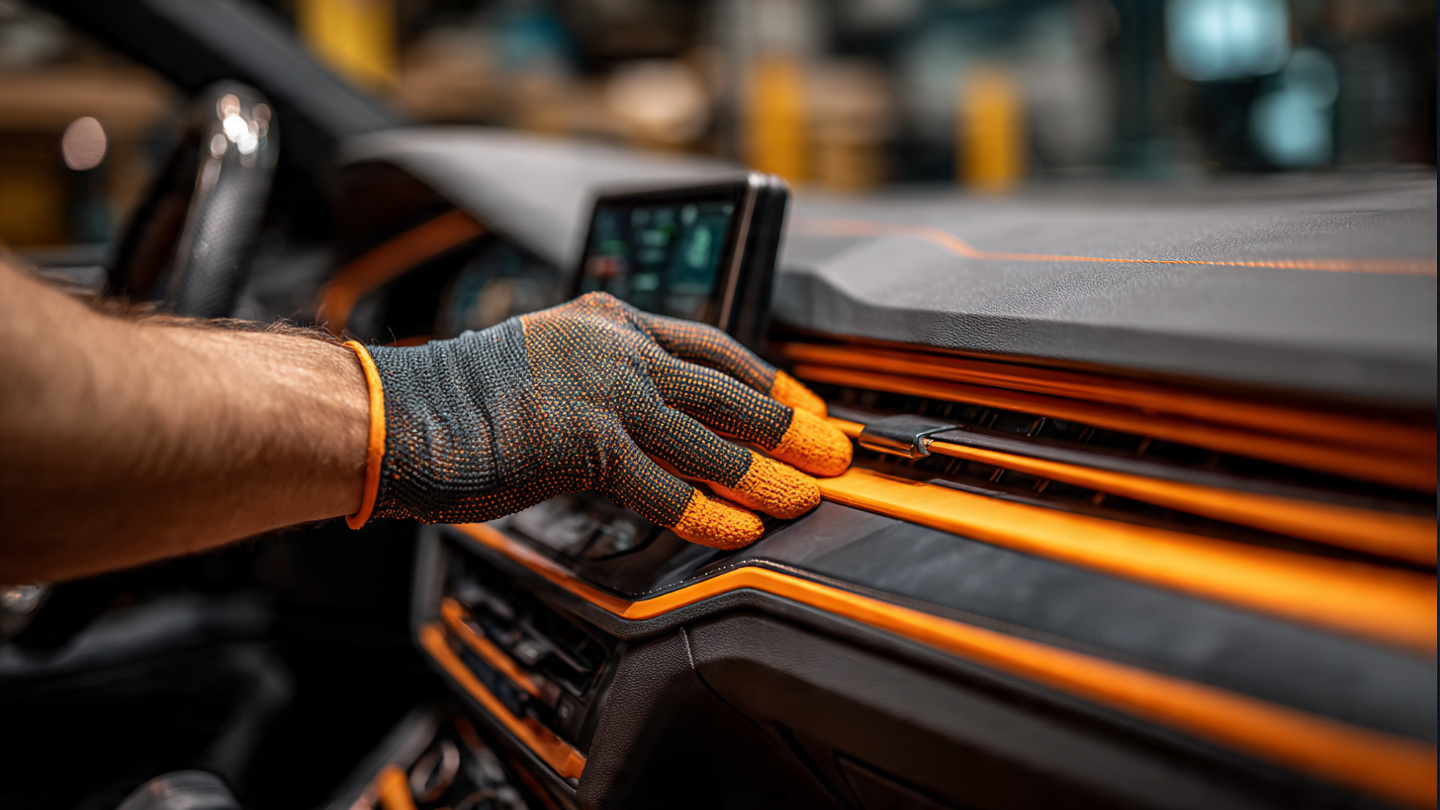
Modern industrial adhesives and sealants are highly engineered polymer systems built on the complex interfaces of organic chemistry, solid-state mechanics, and interfacial thermodynamics. Far from simple bonding agents, they act as active structural members in automotive bodies, precision electronics packaging, heavy construction, and aerospace assemblies. Developing commercially successful adhesive materials requires a deep understanding of polymer cross-linking networks, surface-wetting thermodynamics, and robust high-shear mixing process engineering.
Table of Chemical Engineering & Science Topics
- 1. Thermodynamics of Adhesion & Interfacial Wetting
- 2. Epoxy Systems & Cross-Linking Kinetics
- 3. Polyurethanes: Isocyanate & Moisture-Curing Mechanics
- 4. Silicones & Silyl-Terminated Polyethers (MS Polymers)
- 5. Widescreen Adhesive Chemistry Grid
- 6. Manufacturing Engineering & High-Shear Blending
- 7. Commercial Scaling & Green low-VOC Standards
- 8. Frequently Asked Questions (FAQ)
1. Thermodynamics of Adhesion: Interfacial Wetting & Surface Energy Matching
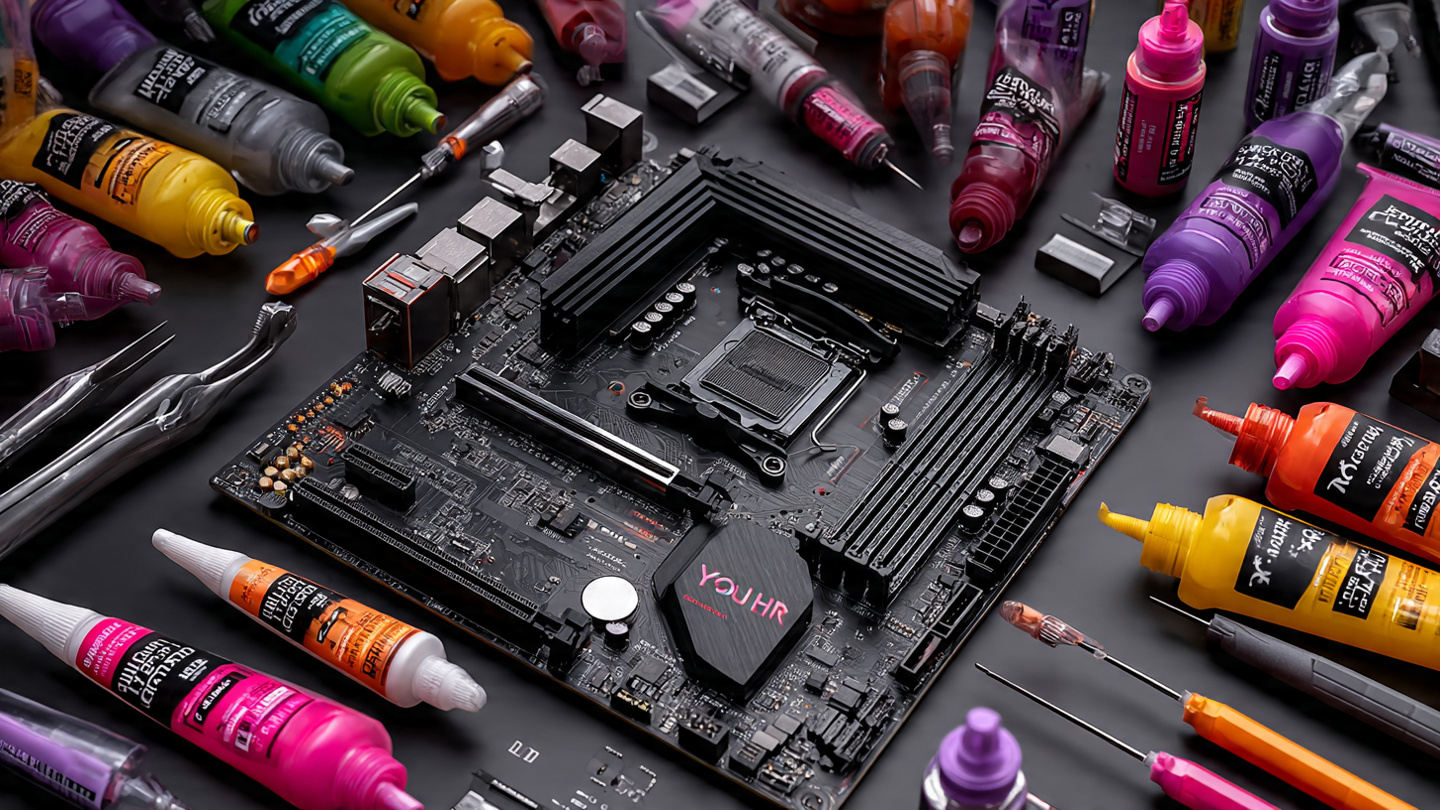
Before a chemical bond or mechanical interlock can form, the adhesive must establish intimate contact with the substrate surface at the atomic level. This molecular proximity is governed by the laws of surface thermodynamics and interfacial energy boundaries. If an adhesive fails to wet a surface, it will remain as a contracted bead, leading to catastrophic failure of the joint under minimal mechanical load.
1.1 Work of Adhesion and Contact Angle Kinematics
The ability of a liquid adhesive to wet a solid substrate is visually assessed by measuring the contact angle (θ) at the three-phase solid-liquid-vapor boundary. The thermodynamic relationship between the components is defined by the Young-Dupré Equation for the Work of Adhesion (Wa), which represents the energy change required to separate the solid-liquid interface into two separate surfaces:
Where γSolid/Vapor is the surface energy of the substrate, γLiquid/Vapor is the surface tension of the liquid adhesive, and γSolid/Liquid is the interfacial tension between the two. For complete thermodynamic wetting, the contact angle must approach 0° (cos(θ) → 1), which occurs when the surface energy of the solid substrate exceeds the surface tension of the liquid adhesive.
1.2 High-Energy vs. Low-Energy Substrates
In manufacturing engineering, substrates are classified based on their surface characteristics:
- High-Energy Substrates (Metals, Ceramics, Glass): Posess surface energies ranging from 100 to over 1000 mJ/m2. These substrates are easy to wet, but require extensive pre-cleaning to remove oxides, industrial processing lubricants, and carbon deposits that mask their natural high energy.
- Low-Energy Substrates (Polyethylene, Polypropylene, PTFE): Feature surface energies below 35 mJ/m2. Adhesives naturally bead up on these polymers. To bond them, formulators must apply surface-activation methods such as corona discharges, flame treatments, or atmospheric plasma oxidation. These treatments introduce polar functional groups (such as hydroxyls, carboxyls, and carbonyls) to the substrate's molecular chain, drastically elevating surface energy to allow wetting.
2. Epoxy Systems: Epoxide Rings & Cross-Linking Gelation Kinetics
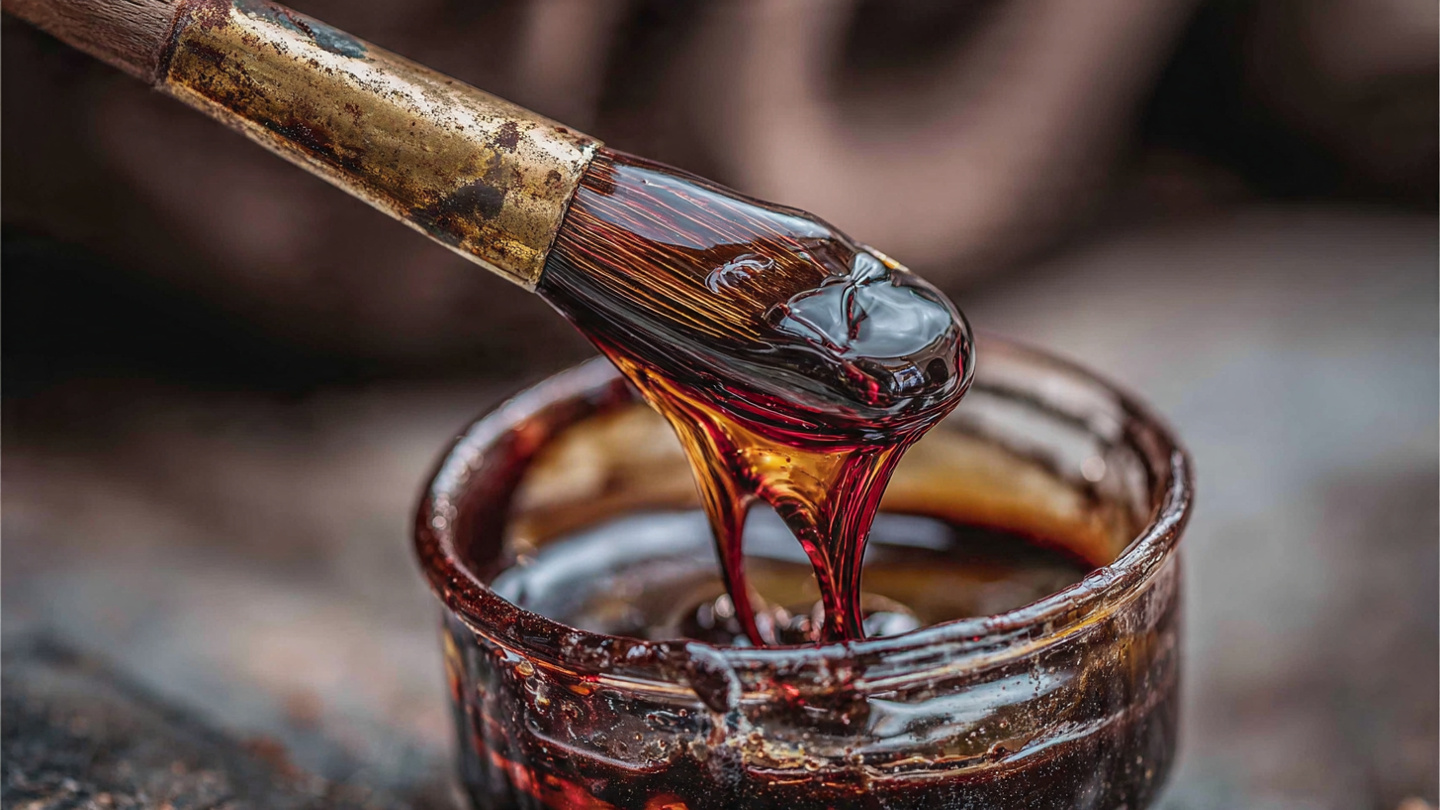
Epoxy adhesives are the gold standard for high-performance structural bonding. Used heavily in aerospace composites, automotive frames, and electronic die attach, epoxies are valued for their exceptional shear strength, thermal stability, and low shrinkage. These properties are established through the chemical ring-opening polymerization of oxirane (epoxide) rings, transforming liquid monomer blends into highly cross-linked, rigid polymer networks.
2.1 Prepolymer Structures and Ring-Opening Nucleophilic Addition
The most common industrial epoxy adhesives are formulated using the diglycidyl ether of bisphenol A (DGEBA) prepolymers. The three-membered epoxide ring consists of highly strained C-O bonds, making it highly susceptible to nucleophilic attack. When mixed with a polyamine curing agent (such as triethylenetetramine - TETA, or isophoronediamine - IPDA), the primary and secondary amine hydrogens attack the electrophilic carbons of the oxirane ring, triggering a ring-opening reaction:
This reaction generates highly stable, secondary hydroxyl groups that form strong hydrogen bonds with metal oxides on substrates, driving the epoxy's exceptional adhesion.
2.2 The Gel Point & Flory-Stockmayer Gelation Threshold
During the step-growth curing of a thermosetting epoxy network, the viscosity of the reacting fluid increases exponentially until the Gel Point is reached. At this critical stage, the reacting monomers transition from a soluble, fusible liquid phase into an insoluble, three-dimensional solid macromolecular gel network. The critical extent of reaction at the gel point (pc) is determined using the Flory-Stockmayer Equation:
Where f is the functionality of the epoxy resin, g is the functionality of the amine hardener, and r is the stoichiometric ratio of reactants. If the reaction proceeds past pc, the system loses all flow capability, trapping any active stress within the joint. Formulators must balance stoichiometry, accelerator levels, and heat-sink characteristics to control this transition and optimize performance.
3. Polyurethanes: Isocyanate Reactions & Moisture-Curing Kinetics
Polyurethane (PU) adhesives and sealants are highly flexible, tough materials capable of bonding mismatched substrates, such as steel to fiber-reinforced plastics. PU adhesives absorb high impact energy and withstand dynamic stress cycles, making them the primary choice for automotive windshield installation and structural sandwich panels.
3.1 Urethane Chemistry and Prepolymer Synthesis
Polyurethanes are synthesized through the reaction of diisocyanates (such as methylene diphenyl diisocyanate - MDI, or toluene diisocyanate - TDI) with polyols (polyether or polyester macro-glycols). The highly electrophilic carbon inside the isocyanate group (−N=C=O) is highly reactive, undergoing fast addition with nucleophilic hydroxyl groups (−OH) on the polyol to form strong urethane linkages (−NH-CO-O-). By adjusting the molecular weight, structure (linear vs. branched), and functionality of the polyol, formulators can design products ranging from soft, flexible sealants to rigid, high-strength structural foams.
3.2 Moisture-Curing Polyurethane Sealants
Single-component moisture-curing polyurethane sealants cure by reacting with ambient atmospheric humidity. When applied, the prepolymers possess terminal, unreacted isocyanate groups. These groups react with water vapor to form an unstable carbamic acid intermediate, which rapidly decarboxylates to release carbon dioxide gas and form a primary amine:
The newly formed primary amine then rapidly reacts with remaining isocyanate groups in the formulation to yield stable urea linkages (−NH-CO-NH-), cross-linking the polymer into a durable, elastomeric network. Because this curing process depends on moisture diffusion, the curing rate depends on relative humidity, temperature, and joint depth.
Seeking high-performance, structurally sound adhesives?
Get access to professionally audited, commercially proven formulations for epoxy, polyurethane, and hybrid MS polymer adhesives custom designed for your production lines.
Explore Specialty Adhesive Formulations4. Silicones & Silyl-Terminated Polyethers (MS Polymers)
When joints are subjected to extreme environmental exposure, such as UV radiation, thermal expansion, or continuous water contact, standard polyurethanes can suffer from chemical degradation. In these harsh environments, silicones and modern silyl-terminated polyethers (MS Polymers) provide superior performance.
4.1 Polydimethylsiloxanes (PDMS) Curing Pathways
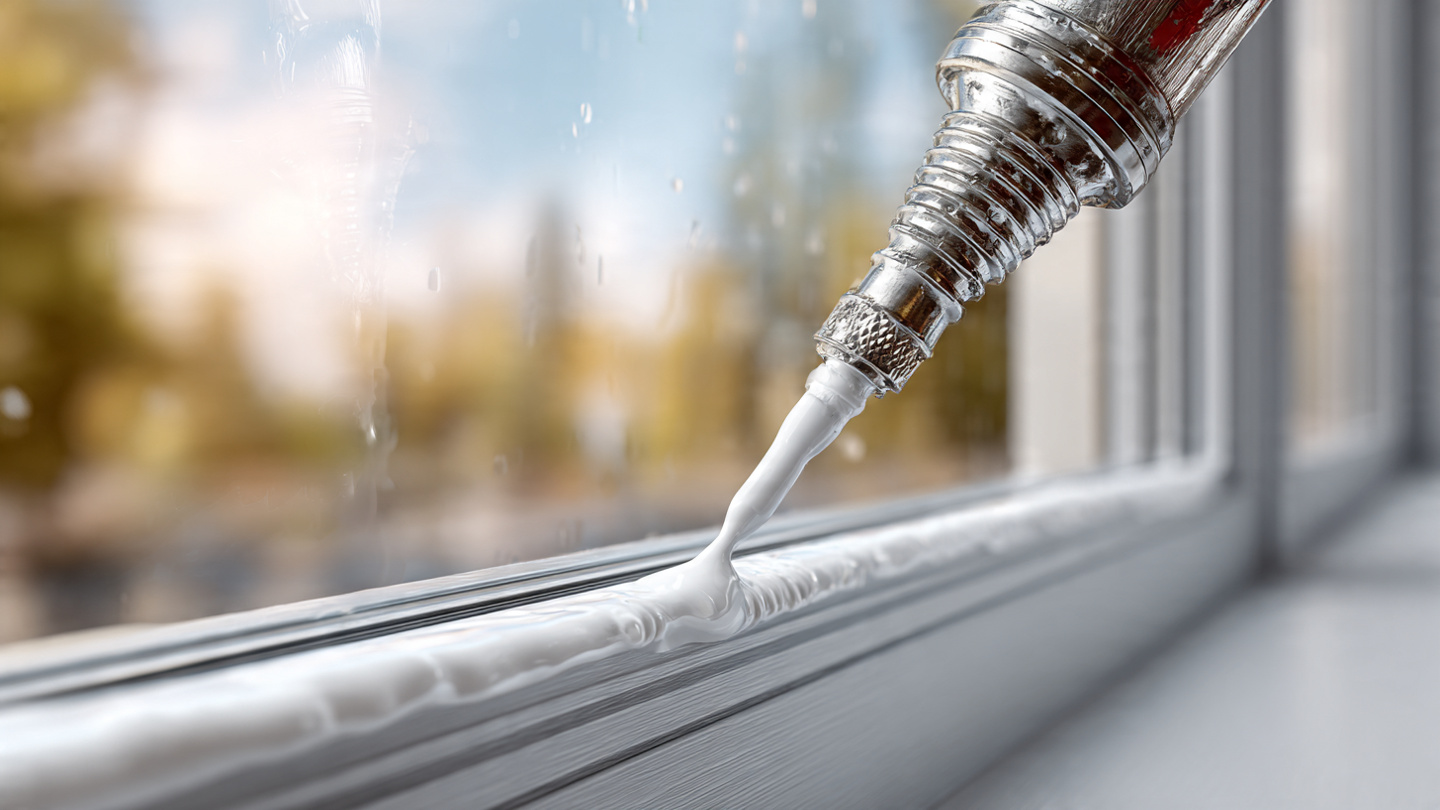
Silicone sealants rely on a backbone of alternating silicon and oxygen atoms (−Si-O-Si-), which has a higher bond energy (460 kJ/mol) than the carbon-carbon backbones of organic polymers (348 kJ/mol), explaining its exceptional thermal and UV stability. Most room-temperature vulcanizing (RTV) silicones consist of hydroxy-terminated polydimethylsiloxanes (PDMS).
Upon contact with moisture, these silicones undergo hydrolysis of their cross-linking agents (such as methyltriacetoxysilane or methyltrimethoxysilane) to form silanol intermediates. These intermediates then undergo silanol condensation to form silicone rubber networks, releasing acetic acid (acetoxy cure) or methanol (alkoxy cure) as byproducts:
4.2 The Rise of Silyl-Terminated Polyethers (MS Polymers)
Silyl-Terminated Polyethers (commonly known as MS Polymers or Hybrid Adhesives) combine the durability of silicones with the structural strength and paintability of polyurethanes. The backbone consists of a flexible polyether chain terminated with reactive dimethoxysilyl or trimethoxysilyl groups. MS Polymers are highly valued for several key reasons:
- Isocyanate-Free: Unlike standard polyurethane sealants, hybrid systems do not contain active isocyanate monomers, eliminating the risk of bubbling under high humidity and providing a safer, GHS-compliant health profile.
- Exceptional UV & Weather Resistance: The moisture-cured siloxane cross-links provide excellent stability under UV exposure without cracking or yellowing.
- Paintability: While standard silicones reject topcoats due to low surface energy, MS Polymers can be painted over immediately after skin formation.
5. Industrial Adhesive & Sealant Chemistry Comparison
Selecting the ideal chemical system for an industrial application requires matching substrate properties with the mechanical and environmental stresses the joint will experience. To guide this selection, the comparison grid below outlines the key properties, benefits, and challenges of the five primary adhesive and sealant technologies.
5.1 Epoxy Systems
StructuralKey Chemistry: Oxirane ring-opening with polyamine or anhydride hardeners.
Application & Challenge: Offers exceptional tensile shear strength, high heat stability, and chemical resistance. However, uncured epoxies are brittle and require precise stoichiometric ratios, making them sensitive to mixing errors.
5.2 Polyurethanes
Semi-StructuralKey Chemistry: Diisocyanates reacting with polyols to form tough urethane linkages.
Application & Challenge: Highly flexible, impact-resistant, and capable of absorbing vibration. The key challenge is isocyanate toxicity and sensitivity to moisture during packaging, which can lead to bubbling.
5.3 Silicone Sealants
ElastomericKey Chemistry: Moisture-activated condensation of hydroxy-terminated PDMS polymers.
Application & Challenge: Retains exceptional flexibility and UV resistance across extreme temperatures (-60°C to 200°C). However, silicones cannot be painted and have low surface energy, which can cause contamination issues in painting lines.
5.4 Hybrid MS Polymers
HybridKey Chemistry: Silyl-terminated polyethers crosslinking via moisture-activated siloxane bonds.
Application & Challenge: Combines the elasticity of silicones with the paintability and strength of polyurethanes. They are low-odor, GHS-safe, and free of isocyanates, though they carry a higher raw material cost.
5.5 Cyanoacrylates
Instant BondingKey Chemistry: Anionic polymerization of cyanoacrylate esters initiated by trace moisture.
Application & Challenge: Achieves fixture strength within seconds on metals, plastics, and rubbers. The key challenges are poor impact resistance, low polar solvent resistance, and potential skin bonding hazards during use.
5.6 UV-Curable Acrylates
Radiation CureKey Chemistry: Free-radical polymerization of acrylic oligomers initiated by UV photoinitiators.
Application & Challenge: Cures instantly in automated assembly lines, making them ideal for delicate electronics. However, they require direct line-of-sight exposure, making shadow areas difficult to cure without secondary moisture mechanisms.
6. Manufacturing Engineering: Scaled Compounding & Rheology Control
Compounding adhesives and sealants is a complex process engineering task. Because these formulations are highly structured, thixotropic systems filled with inorganic solids, standard low-shear blending will lead to compounding failures, incomplete dispersion, and unstable viscosity.
6.1 High-Shear Blending & Vacuum Degassing
Industrial manufacturing employs Double-Planetary Mixers and High-Speed Dispersers equipped with cooling jackets. The sequential batching protocol consists of:
- Liquid Charging & Dehydration: Liquid resins, plasticizers, and stabilizers are charged and heated under a vacuum (below 50 mbar) to dry the system, preventing moisture-sensitive ingredients from reacting during production.
- Inorganic Filler Loading: Fumed silica, precipitated calcium carbonate, and titanium dioxide are added under high shear. Mixers must break down these agglomerates to ensure uniform thixotropy.
- Organosilane Coupling: Add adhesion promoters like gamma-aminopropyltriethoxysilane. These molecules act as molecular bridges, bonding organic resins with inorganic glass or metal surfaces.
- Curing Catalyst Addition: The batch is cooled to below 30°C before the curing catalysts or reactive hardeners are added. This temperature control prevents premature curing (scorching) within the vessel.
- Vacuum Degassing: The final compound is subjected to high vacuum to remove micro-air bubbles, which can act as stress-concentration points and cause mechanical failure under load.
7. GHS Compliance, Sustainable Formulations & Future Trends
Regulatory requirements are driving significant changes in adhesive chemistry. Key challenges include meeting GHS toxicity labeling regulations and achieving compliance with international environmental standards:
- Elimination of Hazardous Monomers: Standard PU adhesives contain monomeric diisocyanates, which are classified as respiratory sensitizers under GHS. Formulators are transitioning to silyl-terminated polyethers (MS Polymers) to eliminate these hazards, resulting in products that do not require mandatory GHS hazard pictograms on their labels.
- Volatile Organic Compounds (VOC) Reduction: Traditional solvent-based adhesives are being replaced by high-solids hot-melts and water-based acrylic emulsions to comply with green building standards (such as LEED v4 and EMICODE EC1 Plus).
- Bio-Based Feedstocks: Research is focusing on replacing petroleum-derived resins with bio-based alternatives, such as epoxies synthesized from epoxidized soybean oil or cardanol, a sustainable byproduct of cashew shell liquid processing.
Frequently Asked Questions (FAQ)
1. What is the difference between adhesives and sealants?
Adhesives are high-strength polymers engineered to transmit mechanical loads between substrates, offering high shear and tensile strength. Sealants are lower-strength, high-elongation elastomeric networks designed to fill joints, accommodate thermal expansion, and block moisture or gas bypass.
2. Why is surface energy matching important?
For an adhesive to bond, it must wet the substrate's surface. According to thermodynamic wetting principles, the surface energy of the solid substrate must be higher than the surface tension of the liquid adhesive. Low-energy plastics (such as polyethylene) require plasma or corona treatments to introduce polar groups and enable bonding.
3. What is the benefit of hybrid MS Polymers?
MS Polymers (Silyl-Terminated Polyethers) combine the high UV and weathering resistance of silicones with the high strength, paintability, and broad substrate compatibility of polyurethanes. They cure via silanol condensation and are free of hazardous isocyanates, making them GHS-safe.
4. How are adhesives compounded at industrial scale?
Adhesives are compounded using double-planetary vacuum mixers and high-shear dispersers equipped with heating and cooling jackets. The raw fillers are dehydrated under vacuum before catalysts are introduced at low temperatures, ensuring the formulation remains free of micro-air bubbles and premature curing.
5. Where can I get custom adhesive formulations and engineering support?
Global Formulation provides complete chemical R&D, GHS-compliant formulations, raw material audits, and turnkey plant process designs. Specialist Absar Khan and our engineering team support factories worldwide in scaling up industrial and consumer adhesives.
Conclusion
Adhesive and sealant technologies are central to modern manufacturing, enabling lightweight vehicle construction, miniaturized electronics, and sustainable building systems. Success in this field requires a careful balance of interfacial thermodynamics, cross-linking kinetics, and precise compounding engineering.
By leveraging hybrid MS polymers, implementing thorough vacuum-blending manufacturing controls, and shifting to zero-VOC formulations, manufacturers can deliver high-performance, GHS-compliant products that successfully meet modern industrial needs.
Scale Your Adhesive Production Globally
Get professionally audited, commercially proven formulations, raw material audits, and process engineering plant setup support from Specialist Consultant Absar Khan.
Email: consulting@globalformulation.com
Phone: +91 9819548320 +91 8169102990
About the Specialist
Absar Khan is the principal consultant and chemical formulation architect at Global Formulation. He specializes in the design, optimization, and scaling of industrial adhesives, polyurethane sealants, aerosol gas-dosing systems, and green, low-VOC polymers. Absar provides turnkey chemical engineering services, hands-on factory plant setups, raw material cost audits, and quality control designs for leading brands globally.
LinkedIn Portfolio: Connect with Absar Khan on LinkedIn