Bituminous Waterproofing Membranes: Modified Asphalt Guide
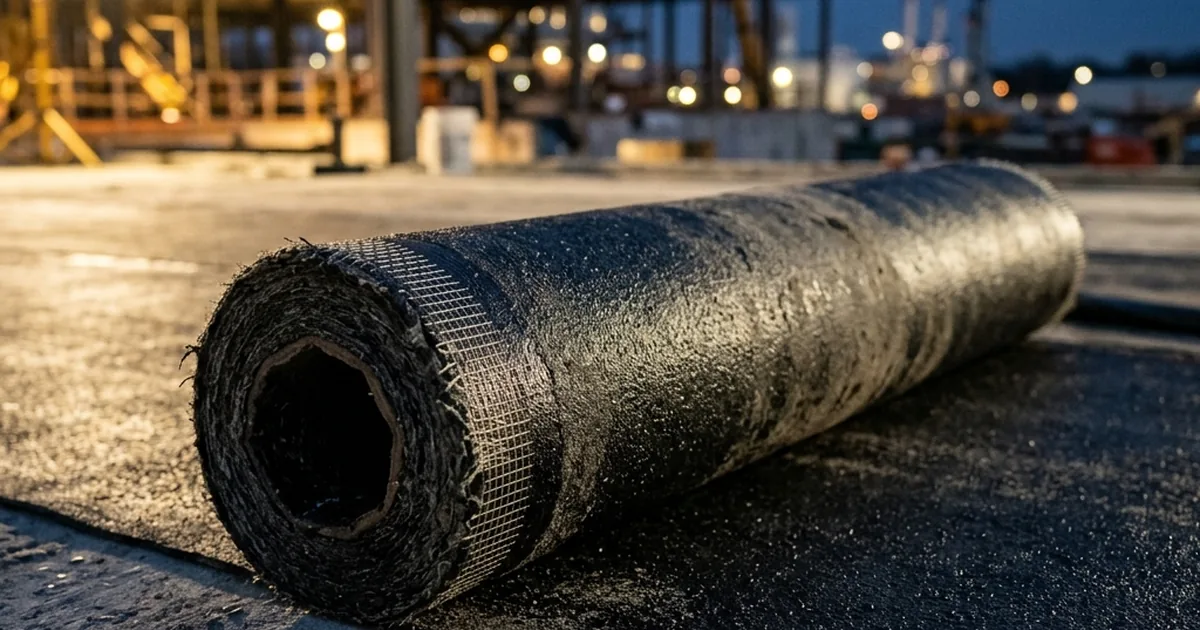
A roof or foundation waterproofing failure rarely announces itself immediately — it shows up months or years later as a leak, a stained ceiling, or structural damage that costs far more to fix than the original membrane would have cost to specify correctly. Bituminous waterproofing membrane technology exists precisely to prevent that slow-motion failure, and understanding how modified asphalt actually works is the difference between a durable installation and a callback. This guide explains why raw bitumen needs polymer modification at all, the real engineering trade-off between SBS and APP modifier chemistry, how membrane construction and reinforcement determine field performance, and the installation and testing decisions that separate a reliable product from a liability. It's written for manufacturers, contractors, and entrepreneurs evaluating waterproofing products within construction chemicals manufacturing, whether building an in-house product line or sourcing formulation support from a contract partner.
Why Raw Bitumen Needs Polymer Modification
Bitumen straight from petroleum refining is a genuinely poor waterproofing material on its own, and understanding exactly why explains every formulation decision that follows in modern membrane technology. The core problem is thermal sensitivity: unmodified bitumen softens and can flow under summer roof-deck temperatures, while the same material turns brittle and crack-prone in winter cold — an unacceptable performance range for a membrane meant to hold a watertight seal for decades.
Oxidized bitumen, produced by blowing air through hot bitumen during processing, was the traditional industry response and remains a component in some built-up roofing systems, since oxidation raises the material's softening point and improves its temperature stability somewhat. But oxidation alone doesn't approach the performance window modern buildings demand. Polymer modification — blending a thermoplastic elastomer or plastomer directly into the bitumen — engineers a dramatically wider service-temperature range along with far better elastic recovery and fatigue resistance than oxidized bitumen achieves by itself.
That performance gap is exactly why the polymer choice itself — not just the decision to modify at all — has become the central formulation question in bituminous membrane design.
SBS vs. APP: Choosing the Right Modifier
The two dominant polymer modifiers in bituminous membrane manufacturing solve the temperature-performance problem in genuinely different ways, and neither is a universal upgrade over the other. Choosing between them is a real engineering decision shaped by climate, substrate, and service conditions — not a simple better-or-worse comparison.
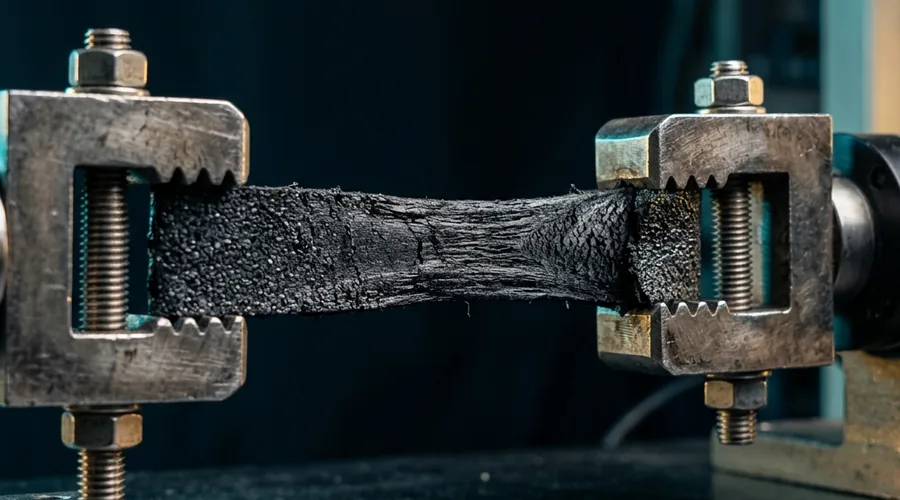
SBS, styrene-butadiene-styrene, is a thermoplastic elastomer that gives bitumen genuine rubber-like flexibility, allowing the finished membrane to stretch under substrate movement and thermal contraction, then recover its shape rather than cracking — a property that makes SBS membranes particularly strong performers in cold climates. APP, atactic polypropylene, is a plastomer that instead delivers higher heat resistance and stronger long-term UV and weathering durability, trading away some of SBS's low-temperature elasticity in the process.
| Property | SBS-Modified Bitumen | APP-Modified Bitumen |
|---|---|---|
| Modifier class | Thermoplastic elastomer | Plastomer |
| Low-temperature flexibility | Strong — primary advantage | Moderate |
| High-temperature / UV resistance | Moderate | Strong — primary advantage |
| Typical installation method | Torch-applied or self-adhesive | Typically torch-applied |
| Common climate fit | Cold and variable climates, movement-prone substrates | Hot, sustained UV-exposure climates |
Neither polymer is obsolete or universally superior — the right choice depends entirely on the climate and substrate the membrane will actually serve, which is exactly the kind of decision a formulation consultant helps a manufacturer make correctly the first time. Getting the polymer chemistry right only solves half the engineering problem, though, since the reinforcement layer inside the membrane does just as much work protecting long-term performance.
Membrane Construction and Reinforcement
A finished bituminous membrane isn't just a slab of modified bitumen — it's a composite material, and the reinforcement layer embedded inside it does work the bitumen compound alone cannot do. Skipping past reinforcement quality to focus only on polymer chemistry is a common oversight that shows up later as premature membrane tearing or puncture failure.
The reinforcement, most commonly a nonwoven polyester mat and occasionally fiberglass, is embedded between two layers of the modified bitumen compound during manufacture, giving the finished membrane the tensile strength and puncture resistance the bitumen compound can't provide on its own. Polyester reinforcement in particular contributes meaningful elongation capacity, letting the membrane accommodate real substrate movement and thermal cycling without the reinforcement failing before the surrounding bitumen compound does.
- Nonwoven polyester mat — The most common reinforcement, offering strong elongation capacity alongside tensile strength
- Fiberglass reinforcement — Used in some product lines for higher dimensional stability, with less elongation capacity than polyester
- Saturation quality — How completely the bitumen compound impregnates and bonds to the reinforcement mat during manufacture, directly affecting composite performance
The saturation and embedding process during manufacture is itself a critical quality control point, since poor saturation leaves the reinforcement and bitumen compound behaving as separate layers rather than a unified composite — undermining the entire performance benefit reinforcement is meant to provide, and setting up the next major decision a manufacturer or specifier faces: how the finished membrane actually gets installed.
Installation Methods and Formulation Trade-Offs
How a bituminous membrane gets installed on-site is decided long before it ever reaches the job site — it's baked into the formulation itself. Manufacturers engineer three broadly different bottom-layer compounds depending on the intended installation method, and each represents a genuine trade-off rather than one being simply better than the others.
- Torch-applied — Manufactured with a thicker bottom bitumen layer designed to be softened with an open flame during installation, fusing to the substrate or underlying membrane into a fully bonded, monolithic layer
- Self-adhesive — Formulated with a pressure-sensitive bitumen compound that bonds at ambient temperature without heat, trading some fusion-bond strength for significantly improved job-site safety and faster installation
- Cold-applied (liquid adhesive) — Relies on a separate bonding adhesive rather than heat or inherent tack, typically specified where open flame is prohibited near combustible substrates or in occupied buildings
Whichever installation method a product line targets, none of these formulation and construction decisions mean anything without standardized testing to actually verify the finished membrane performs as designed — which is where quality and regulatory credibility get established.
Quality Testing and Standards
A membrane can look visually uniform on a roll while carrying inconsistent polymer distribution or poor reinforcement saturation underneath, which is exactly why standardized testing — not visual inspection — is what actually verifies field-ready performance. Skipping rigorous testing is one of the most common and costly mistakes a new manufacturer can make.
Tensile strength and elongation-at-break testing confirms the reinforcement and bitumen compound are performing as a genuinely unified composite rather than two separately failing layers. Low-temperature flexibility testing, commonly a cold bend test, verifies the membrane won't crack during cold-weather installation or winter service — a property directly tied to polymer modifier choice and dosage. Softening point testing confirms the polymer modification is delivering its intended high-temperature stability. Testing protocols published by organizations such as ASTM International and European EN standards give manufacturers and specifiers a standardized basis for comparison rather than relying on unverified manufacturer claims, a discipline well documented in general bitumen material science literature.
Consistent, standards-based testing is what separates a membrane a specifying engineer can trust from one that simply looks the part on a spec sheet — and it's the same discipline a new manufacturer needs in place before their first commercial batch ships.
Entering Bituminous Membrane Manufacturing
Bituminous membrane manufacturing demands real capital equipment and genuine formulation expertise together — neither alone is sufficient, and underinvesting in either is where new entrants most often stumble. Understanding what's actually required helps a manufacturer scope the investment honestly before committing.

- Bitumen modification and compounding equipment — Capable of properly dispersing SBS or APP polymer into hot bitumen at consistent quality
- Saturation and coating line — Impregnates and coats the reinforcement mat with modified bitumen compound at controlled, consistent thickness
- Quality testing capability — Tensile strength, elongation, and low-temperature flexibility verification on every production batch, not spot checks alone
- Formulation expertise — Polymer dispersion quality, compound formulation, and process temperature control directly determine finished-membrane performance
This combination of capital equipment and formulation know-how is exactly why many new entrants to waterproofing manufacturing work with an experienced construction chemicals formulation consultant during process design and early production scale-up, rather than attempting to reverse-engineer a competitor's product through costly trial and error — a lesson that applies equally to related durability challenges covered in our guide to waterproofing admixture technology.
Frequently Asked Questions
What's the actual difference between SBS and APP modified bitumen membranes?
SBS, styrene-butadiene-styrene, is a thermoplastic elastomer blended into bitumen to impart rubber-like flexibility and strong low-temperature performance, since the elastomeric block copolymer allows the membrane to stretch and recover rather than crack in cold conditions. APP, atactic polypropylene, is a plastomer that instead imparts high heat resistance and strong UV and weathering durability, at the cost of the low-temperature flexibility SBS provides.
The practical consequence is that SBS membranes are generally favored in colder climates and applications with significant structural movement, while APP membranes tend to be specified where sustained high-temperature exposure and UV resistance matter more, and choosing between them is a genuine engineering decision driven by climate and substrate conditions rather than one being a universal upgrade over the other.
Why does the bitumen itself need to be oxidized or modified before it can perform as a roofing membrane?
Straight-run bitumen as it comes from petroleum refining is too temperature-sensitive for direct roofing use — it can become too soft and prone to flow in summer heat, and too brittle and crack-prone in cold winter conditions, which is an unacceptable performance range for a material meant to hold a watertight seal for decades. Oxidation, achieved by blowing air through hot bitumen, increases its softening point and improves its temperature stability, which is why oxidized bitumen has long been a base component in built-up roofing systems.
Polymer modification with SBS or APP goes a step further than oxidation alone, engineering a much wider service-temperature range and substantially better elastic recovery and fatigue resistance than oxidized bitumen achieves on its own.
What does the reinforcement layer inside a bituminous membrane actually do?
The reinforcement layer, typically a nonwoven polyester mat or occasionally fiberglass, gives the membrane its tensile strength and dimensional stability, since the bitumen compound alone has relatively low tear resistance and would be prone to puncture and tearing during installation and in service without it. Polyester reinforcement specifically also contributes meaningful elongation capacity, allowing the membrane to accommodate substrate movement and thermal cycling without the reinforcement itself failing before the bitumen compound does.
The reinforcement mat is embedded between two layers of the modified bitumen compound during manufacture, so the finished membrane behaves as a single composite material rather than a bitumen coating with a separate fabric layer, and the quality of that saturation and embedding process is a key manufacturing quality control point.
Is torch-applied installation actually different from cold-applied or self-adhesive membrane systems in terms of the chemistry involved?
Torch-applied membranes are manufactured with a thicker bottom layer of modified bitumen specifically designed to be softened and fused to the substrate (or to the underlying membrane layer) using an open flame during installation, which creates a fully bonded, monolithic waterproofing layer once cooled. Self-adhesive membranes instead rely on a pressure-sensitive bitumen compound formulated to bond at ambient temperature without heat, trading some of the fusion-bond strength of torch application for significantly improved job-site safety and installation speed.
Cold-applied liquid-adhesive systems use a separate bonding adhesive rather than heat or inherent tack, and are typically chosen specifically for situations where open flame is prohibited, such as near combustible substrates or in occupied buildings — the installation method is effectively a formulation decision made well before the membrane ever reaches the job site.
How is bituminous membrane quality actually verified before a manufacturer sells it into the market?
Standardized testing evaluates the properties that predict long-term field performance rather than relying on visual inspection, since a membrane can look uniform while having inconsistent polymer distribution or reinforcement saturation. Key tests include tensile strength and elongation at break to verify the reinforcement and bitumen compound are performing as a unified composite, low-temperature flexibility testing (commonly a cold bend test) to confirm the membrane won't crack during cold-weather installation or service, and softening point testing to confirm the polymer modification is providing the intended high-temperature stability.
Testing standards such as those published by ASTM and EN cover these properties specifically so that membranes from different manufacturers can be compared on a standardized basis rather than relying on manufacturer claims alone.
What's actually required to start manufacturing bituminous waterproofing membranes as a new business?
Membrane manufacturing requires purpose-built production equipment — a bitumen modification and compounding unit capable of properly dispersing SBS or APP polymer into hot bitumen, a saturation and coating line that impregnates and coats the reinforcement mat with the modified bitumen compound at controlled thickness, and quality testing equipment to verify tensile strength, elongation, and low-temperature flexibility on every production batch. Formulation know-how matters as much as the equipment, since polymer dispersion quality, compound formulation, and process temperature control all directly determine whether the finished membrane meets the flexibility and durability standards the market and any applicable building code require.
This combination of capital equipment and formulation expertise is exactly why many new entrants to this category work with an experienced formulation consultant during process design and early production scale-up, rather than attempting to reverse-engineer a competitor's product through trial and error.
Are bituminous membranes still relevant given the growth of liquid-applied and single-ply waterproofing systems?
Bituminous membranes remain one of the most widely specified waterproofing technologies globally, particularly for below-grade waterproofing and built-up roofing, because of their long field-performance track record, relatively straightforward installation logistics, and cost-effectiveness at scale compared to some newer single-ply and liquid-applied alternatives. Liquid-applied and single-ply systems have captured meaningful share in specific applications — complex geometries where a seamless liquid application is advantageous, or lightweight roofing where reduced dead load matters — but they haven't displaced bituminous membranes as the default choice across the broader waterproofing market.
A manufacturer evaluating entry into waterproofing products should treat bituminous membrane technology as an established, still-growing category rather than a declining legacy product, particularly in regions where construction volume and infrastructure investment continue to expand.
Developing a Waterproofing Membrane Product Line?
Global Formulation provides construction chemicals consultancy — bitumen modification strategy, membrane formulation, and manufacturing scale-up support for waterproofing manufacturers.
Talk to Our Formulation Team