Body Lotion Emollient Formulation: Silicone vs Ester Guide
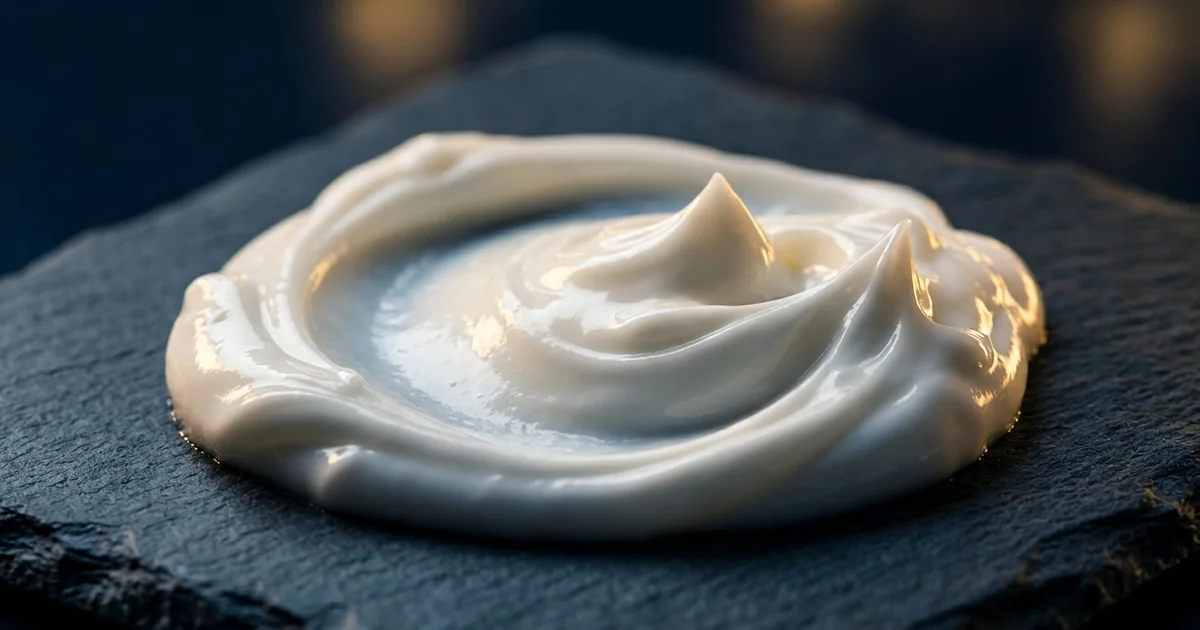
Two body lotions can list nearly identical actives and still feel completely different the moment a customer rubs one into their skin — and that difference almost always comes down to body lotion emollient formulation, not the marketing claims on the label. Get the emollient blend wrong and a technically well-preserved, stable lotion will still underperform commercially, because sensory feel is one of the biggest drivers of repeat purchase in body care, often ahead of the actives themselves. The stakes are higher than they look: reformulating a launched product after negative sensory feedback means redoing stability and compatibility testing on a new blend, not just swapping one ingredient. This guide breaks down how silicone, ester, and natural-oil emollient chemistry each shape a lotion's skin feel, how formulators actually measure and optimize sensory performance rather than guessing at it, and how to build a stable emollient blend that hits a specific sensory target. It draws on the same formulation and product-development expertise we apply across our cosmetics and personal care consulting work.
Why Emollient Chemistry Decides How a Lotion Actually Feels
Every body lotion depends on three functionally distinct ingredient classes working together — emulsifiers that hold the oil-in-water structure together, humectants that draw and retain moisture in the skin's outer layer, and emollients that soften and smooth the skin surface — but of the three, the emollient blend is what a consumer's fingertips actually register in real time. Emollients work by filling in the microscopic gaps between desquamating skin cells and forming a thin surface film, and the physical character of that film, whether it evaporates in seconds or sits on the skin for hours, whether it feels silky or greasy, is a direct function of the emollient's molecular structure: chain length, degree of branching, polarity, and volatility. Formulators wanting the underlying oil-in-water emulsion structure and emulsifier system covered in more depth should see our guide to body lotion and body butter formulation science; this guide focuses specifically on the emollient phase and the sensory decisions it controls.
- Occlusivity — slows transepidermal water loss by forming a surface film that reduces evaporation
- Spreadability — determines how easily the product distributes across skin during application
- After-feel — the residual sensory impression (dry, silky, tacky, greasy) once the product has been rubbed in
- Absorption rate — how quickly the visible product disappears into the skin surface
Because these four sensory dimensions can move independently of each other depending on which emollient class is used, formulating for a specific skin feel starts with understanding what each major emollient chemistry actually contributes — beginning with the class most associated with a "dry touch" finish: silicones.
Silicone Emollients: Volatile vs Non-Volatile Chemistry
Silicone emollients are prized in body lotion formulation because they deliver a distinctive silky slip and a light, non-greasy after-feel that's difficult to replicate with organic, carbon-based emollients at equivalent moisturizing performance. The category splits meaningfully into volatile and non-volatile silicones, and that distinction, driven by molecular weight and vapor pressure, is one of the biggest levers formulators have over how "present" a silicone feels on skin after application.
- Volatile cyclic silicones (e.g. cyclopentasiloxane / D5) — evaporate from the skin surface after application, delivering an initial silky glide that disappears, leaving little to no residual film and contributing to a "dry touch" finish
- Non-volatile silicone fluids (e.g. dimethicone at various viscosities) — remain on the skin as a thin, flexible film, providing sustained slip and mild occlusivity without the tackiness of many organic esters
- Silicone elastomers and gels — used at lower levels to modify the after-feel of a formulation, often softening the transition between a silicone-rich and ester-rich phase
Silicones deliver a specific, recognizable sensory signature that's genuinely hard to substitute — but they're rarely the entire emollient system in a commercial lotion, because most formulations still need the richer, more moisturizing feel that ester and natural-oil emollients contribute.
Ester Emollients: Chain Structure and the Skin-Feel Spectrum
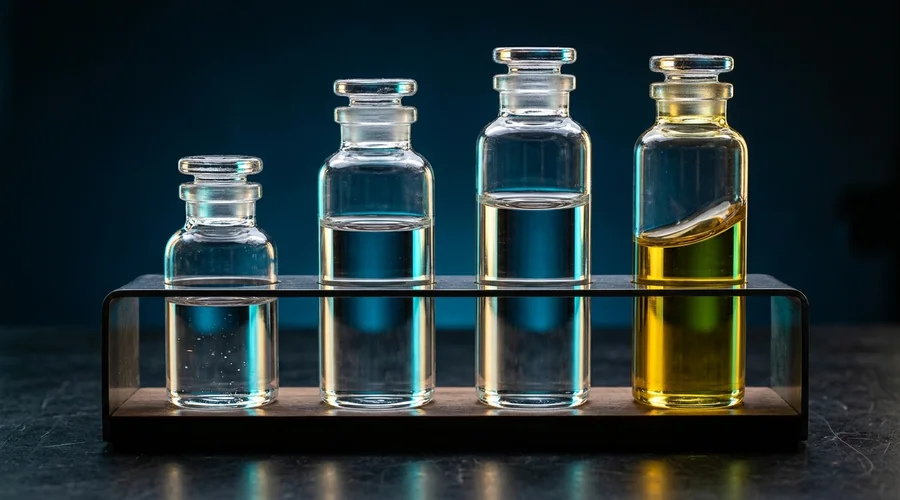
Esters are the workhorse emollient class in body lotion formulation precisely because small changes in their molecular structure, chain length, branching, and degree of unsaturation, produce a continuous spectrum of sensory outcomes, giving formulators fine control over skin feel. Shorter, more branched esters spread rapidly and absorb fast, contributing a light, dry-to-the-touch finish, while longer-chain, more linear esters spread more slowly and leave a richer, more cushioned after-feel associated with heavier moisturization.
- Light, fast-spreading esters — isopropyl myristate, isononyl isononanoate, C12-15 alkyl benzoate; used where a quick-absorbing, non-greasy finish is the priority
- Mid-weight esters — caprylic/capric triglyceride, dicaprylyl carbonate; balance spreadability with moderate richness, widely used as a versatile base emollient
- Heavier, occlusive esters — cetyl ricinoleate and similar higher-molecular-weight esters; slower spreading, more cushioned feel, used where sustained moisturization matters more than fast absorption
| Ester Class | Typical Skin Feel | Common Use Case |
|---|---|---|
| Light / branched esters | Fast-absorbing, dry finish | Daytime lotions, oily or combination skin |
| Mid-weight esters | Balanced spreadability and richness | General-purpose body lotions |
| Heavy / occlusive esters | Slow-absorbing, cushioned, richer feel | Night creams, dry or mature skin formulas |
Selecting the right ester, or blend of esters, is a matter of matching molecular structure to the target consumer's expected use occasion — but esters aren't the only lever available, and natural oils and fatty alcohols bring their own sensory and stability trade-offs into the blend.
Natural Oils and Fatty Alcohols: Occlusivity and Stability Trade-offs
Plant-derived oils bring genuine marketing and sensory value to a body lotion — richer occlusivity, a recognizable natural positioning, and often a more luxurious perceived skin feel than synthetic esters alone — but they introduce a stability variable that synthetic emollients largely avoid: oxidative degradation. Many popular natural oils are rich in polyunsaturated fatty acids, and those carbon-carbon double bonds react readily with atmospheric oxygen in a process that produces the off-odors and discoloration recognized as rancidity, a failure mode that can develop well within a product's intended shelf life if left unmanaged.
- Highly unsaturated oils (sunflower, safflower, grapeseed) — lightweight, fast-absorbing sensory profile, but higher susceptibility to oxidation and rancidity without antioxidant protection
- More oxidatively stable oils (jojoba, technically a liquid wax ester, and higher-oleic variants of common oils) — better shelf stability with a comparable lightweight feel
- Fatty alcohols (cetyl, stearyl, cetearyl alcohol) — function primarily as co-emulsifiers and viscosity builders through lamellar gel network formation, but also contribute a mild, slightly waxy emollient after-feel independent of their structural role
A natural-oil-forward positioning can be a genuine commercial advantage, but only if the oxidative stability work happens at the formulation stage — discovering a rancidity problem after a product has shipped is a far more expensive failure than building in antioxidant protection from the start.
Measuring and Optimizing Sensory Performance
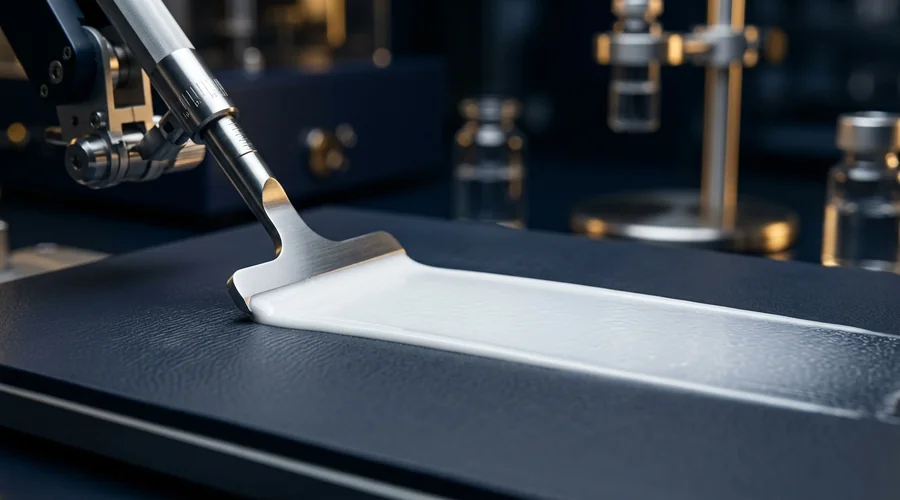
Sensory performance isn't something formulators can reliably judge by feel alone during development, which is why the cosmetics industry relies on a combination of instrumental measurement and structured human sensory panels to make emollient selection an evidence-based process rather than a subjective guess. Instrumental testing, typically using a texture analyzer, applies standardized compression or extrusion tests to generate objective, repeatable force and viscosity data that can be compared numerically across prototype formulations.
- Instrumental texture analysis — measures spreadability force, firmness, and viscosity under standardized, repeatable test conditions
- Trained sensory panels — rate standardized attributes (spreadability, rub-in time, tackiness, residue, perceived greasiness) using structured sensory analysis methodologies such as ISO 11036 texture profile analysis
- Consumer perception studies — validate that panel and instrumental data actually correlate with how the target consumer describes and prefers the product in real use
None of this testing infrastructure matters, though, unless the resulting sensory targets actually get translated back into a specific, stable emollient blend — which is the formulation step where sensory science and emulsion chemistry have to meet.
Building an Emollient Blend: Strategy and Stability
A commercially successful body lotion rarely relies on a single emollient; instead, formulators blend across the volatility and polarity spectrum covered in this guide to engineer a specific sensory arc, an initial impression, a mid-application feel, and a final after-feel, rather than a single static sensation. That blending decision also has to survive contact with the rest of the formulation: emollient polarity affects compatibility with the emulsifier system's HLB requirement, and an emollient blend chosen purely for sensory reasons without checking emulsifier compatibility is a common cause of formulations that separate or feel unstable despite promising bench-top sensory results.
- Sensory arc engineering — pairing a fast-spreading, low-residue emollient (silicone or light ester) with a slower, more occlusive one (heavier ester or natural oil) to deliver both immediate appeal and lasting moisturization
- Emulsifier compatibility — confirming the chosen emollient blend's overall polarity sits within the working range of the emulsifier system, a consideration covered in depth in our guide to cosmetic emulsifier selection and HLB
- Rheology interaction — the emollient phase interacts with rheology modifiers to influence final viscosity and flow behavior, discussed further in our guide to cosmetic rheology modifiers
- Cost and regulatory positioning — natural, PEG-free, or silicone-free claims each constrain which emollients are available, often requiring a completely different blend to hit the same sensory target
Reaching a specific, defensible sensory target while keeping the formulation stable, compliant, and cost-competitive is exactly the kind of iterative, test-driven development work a dedicated cosmetics formulation partner is built to shortcut, from emollient benchmarking and sensory panel design through the stability testing needed to confirm a blend holds up before a product ever reaches a shelf. Get the emollient chemistry right, and skin feel becomes a genuine competitive advantage; get it wrong, and even a well-marketed lotion loses repeat customers to a competitor that simply feels better on the skin.
Frequently Asked Questions
What's the difference between an emollient and an emulsifier in a body lotion?
An emulsifier's job is purely physical and structural — it sits at the oil-water interface and holds the emulsion together, preventing the oil and water phases from separating. An emollient is a functional ingredient in the oil phase itself; its job is to soften and smooth the skin surface, reduce the sensation of dryness, and largely determine how the finished lotion actually feels during and after application.
A single lotion formulation can be structurally stable thanks to a well-chosen emulsifier while still feeling sensorially unpleasant if the emollient blend is wrong for the target skin feel — the two ingredient classes solve different problems and are optimized independently.
Why do some lotions feel dry or powdery while others feel greasy or heavy?
The perceived dryness or greasiness of a lotion comes down almost entirely to the emollient blend's volatility, polarity, and molecular structure rather than the total oil content. Volatile silicones and low-viscosity, branched esters spread rapidly and either evaporate or absorb quickly, leaving a dry, non-tacky after-feel; higher-viscosity, more linear esters and unrefined plant oils spread more slowly, sit longer on the skin surface, and leave a richer, sometimes greasy after-feel that consumers associate with heavier moisturization.
Neither profile is objectively better — the right choice depends on the target consumer's climate, skin type, and expected use occasion, such as a fast-absorbing daytime lotion versus a richer overnight cream.
Is dimethicone safe, and why is it used so widely in body lotions?
Dimethicone is one of the most extensively studied and widely used cosmetic ingredients, and regulatory bodies including the FDA's Cosmetic Ingredient Review have evaluated it as safe for use in cosmetic formulations at the concentrations typically used.
It's popular because it delivers a distinctive silky, non-greasy slip and a protective, slightly occlusive film without the tackiness that many organic (carbon-based) emollients produce at equivalent moisturizing performance, and it's compatible with a very wide range of other cosmetic ingredients and emulsifier systems.
Are cyclic silicones like cyclopentasiloxane restricted in cosmetics?
Yes, but the restriction is narrower than many formulators assume. Under EU REACH Annex XVII, cyclic siloxanes D4 (octamethylcyclotetrasiloxane) and D5 (decamethylcyclopentasiloxane) are restricted above a concentration of 0.1% by weight specifically in rinse-off cosmetic products, due to environmental persistence and bioaccumulation concerns identified for these substances.
Leave-on products such as body lotions were not covered by that specific restriction, though formulators developing new products should track ongoing EU regulatory reviews, since restrictions on cosmetic ingredient categories have historically expanded over time rather than narrowed.
Why do natural plant oils sometimes go rancid in a lotion, and how is that prevented?
Many plant oils used as natural emollients, such as sunflower, safflower, and grapeseed oil, are rich in polyunsaturated fatty acids like linoleic acid, and those double bonds are chemically reactive toward atmospheric oxygen in a process called lipid oxidation, which produces the off-odors and color changes recognized as rancidity.
Formulators counter this by adding antioxidants such as tocopherol (vitamin E) to the oil phase, choosing packaging that limits oxygen and UV light exposure, and sometimes blending a higher proportion of more oxidatively stable oils alongside the less stable ones. Oxidative stability testing under accelerated conditions, such as elevated temperature storage, is a standard part of confirming a natural-oil-containing lotion will hold up for its intended shelf life.
How is sensory performance actually measured during formulation development?
Sensory performance is assessed through a combination of instrumental and human panel methods. Instrumental testing, often using a texture analyzer, measures physical parameters like spreadability force and firmness through standardized compression or extrusion tests, giving objective, repeatable data.
Trained sensory panels, following structured methodologies such as those described in ISO 11036 texture profile analysis, rate standardized attributes like spreadability, rub-in time, tackiness, residue, and perceived greasiness on defined scales, and that panel data is then correlated against the instrumental measurements and, ultimately, against consumer perception studies to confirm the formulation delivers the intended sensory experience to real users.
Can a single emollient deliver both fast absorption and long-lasting moisturization?
It's a genuine formulation trade-off rather than an unsolved problem — fast absorption generally correlates with lower-viscosity, more volatile or more polar emollients that don't stay on the skin surface long, while long-lasting moisturization benefits from higher-viscosity, more occlusive emollients that form a persistent barrier film.
Most commercially successful lotions resolve this by blending emollients across that spectrum rather than relying on one, using a fast-spreading component to deliver a pleasant initial sensory impression and a slower, more occlusive component to sustain moisturization after the initial after-feel fades. Getting that blend ratio right for a specific target skin feel is one of the more iterative parts of lotion development, typically requiring several rounds of prototype testing against sensory benchmarks.
Why would a body care brand hire a formulation consultant instead of copying a competitor's ingredient list?
Building an emollient blend that hits a specific target sensory profile, remains chemically and physically stable in the finished emulsion, meets a cost target, and complies with evolving regulations like the EU siloxane restrictions requires iterative bench testing against both instrumental and sensory panel data, expertise and testing infrastructure that many indie and mid-sized body care brands don't have in-house.
Simply copying a competitor's visible ingredient list doesn't reproduce their sensory performance, because the actual raw material grades, particle sizes, and blend ratios used are rarely disclosed and the same INCI name can refer to materials with meaningfully different viscosity or sensory properties. A formulation consultant who already has emollient benchmarking data and sensory testing relationships in place can compress that trial-and-error cycle considerably compared to starting from scratch.
Developing a Body Lotion or Cream?
Global Formulation provides cosmetics and personal care consultancy — emollient selection, sensory benchmarking, and stability testing support for body care manufacturers and indie beauty brands.
Talk to Our Formulation Team