Packaging Industry Chemistry: Adhesives, Coatings, and Barrier Materials
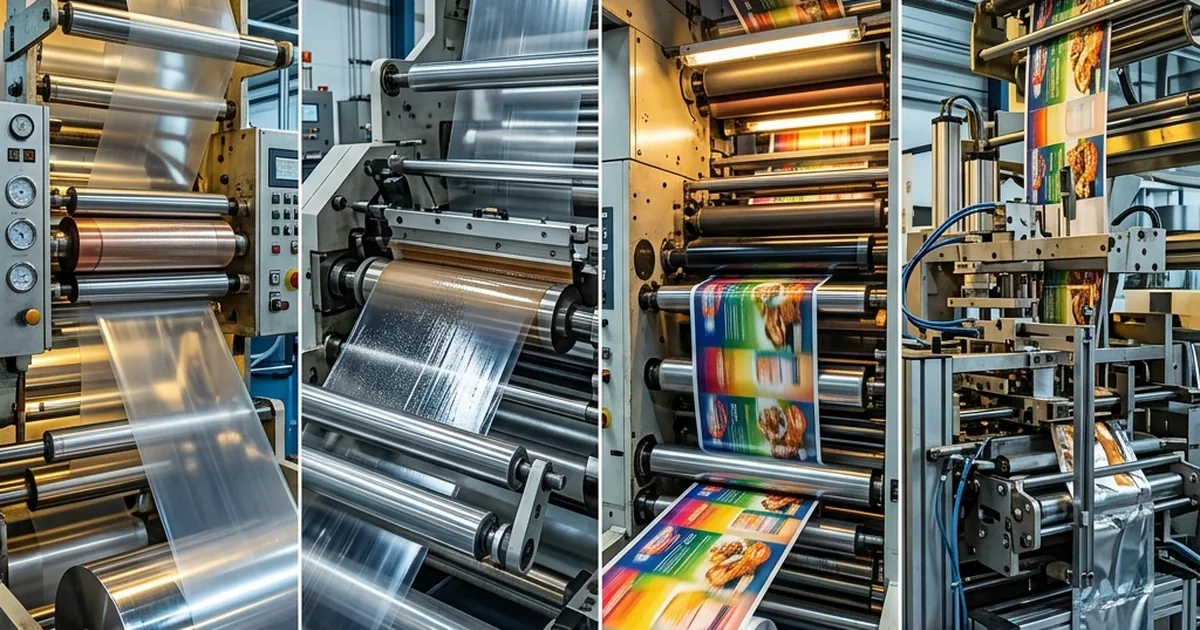
A packaging line can look identical on the outside and still fail in completely different ways depending on which lamination adhesive, print coating, or barrier material sits inside the structure — and the failure often surfaces only after the product has already shipped. Packaging industry chemistry spans three genuinely different jobs: adhesives bond the layers together, coatings modify surface behaviour like print, seal, or release, and barrier materials keep oxygen, moisture, and light away from the product. Confusing these roles, or assuming one chemistry can substitute for another, is how converters end up with delaminating pouches, seal failures on a confectionery line, or a "high-barrier" claim that doesn't survive real humidity. This article profiles each chemistry category on its own terms, compares them head-to-head on the properties that actually drive packaging performance, and maps which combination fits which packaging format and compliance requirement. Global Formulation's consulting work regularly involves exactly this kind of cross-vertical packaging chemistry selection for converters and brand owners building new structures or troubleshooting failures in existing ones.
Why This Comparison Matters Across the Packaging Industry
Modern packaging structures routinely combine all three chemistry categories in a single pack — a flexible pouch alone might carry a laminating adhesive, a print coating, and a barrier film within one five-layer construction. Each category answers to a different failure mode and, often, a different regulatory pathway, so a converter who treats "packaging chemistry" as one undifferentiated category will inevitably under-spec one of the three. Getting the combination right is what separates a pack that survives its full shelf life from one that returns as a customer complaint or a failed retailer audit. Understanding where adhesives, coatings, and barrier materials each carry the performance load is the foundation for specifying any new packaging structure correctly.
Lamination & Sealing Adhesives: Mechanism, Properties, and Best-Use Scenarios
Lamination adhesives bond two or more film, foil, or paper webs into a single multi-layer structure, and the chemistry chosen has a direct effect on line speed, bond strength, and food-contact compliance. Solventless two-component polyurethane systems now dominate flexible-packaging lamination because they cure without releasing solvent, support faster laminating speeds, and avoid the extended aging time solvent-based systems need to offgas residual solvent below food-safety limits. Water-based acrylic and PVOH adhesives see growing use on paper laminations and recyclable mono-material structures, where their compatibility with mechanical recycling streams often outweighs their comparatively lower bond strength under humid conditions. A separate category — heat-seal coatings based on EVA copolymer or ionomer resin — forms the seal itself at the package flange rather than bonding internal layers, and gets confused with lamination adhesive even though the two do different jobs.
- Solventless polyurethane — two-component, isocyanate-polyol cure; the current standard for high-speed flexible-packaging lamination.
- Water-based acrylic/PVOH — lower VOC, better recyclability fit, generally lower bond strength under high humidity.
- Solvent-based laminating adhesive — legacy technology; still specified for high heat-resistance structures but requires residual-solvent aging before food contact.
- Heat-seal coatings (EVA, ionomer) — form the pack's seal flange, not an internal bonding layer; chosen for seal strength and contamination tolerance.
Background on adhesive selection more broadly, beyond packaging, is available through the Adhesive and Sealant Council. The adhesive layer decides whether a laminate holds together through its shelf life — but it says nothing about whether the pack can be printed on, sealed cold, or peeled open cleanly, which is exactly the ground functional coatings cover.
Print & Functional Packaging Coatings: Mechanism, Properties, and Best-Use Scenarios
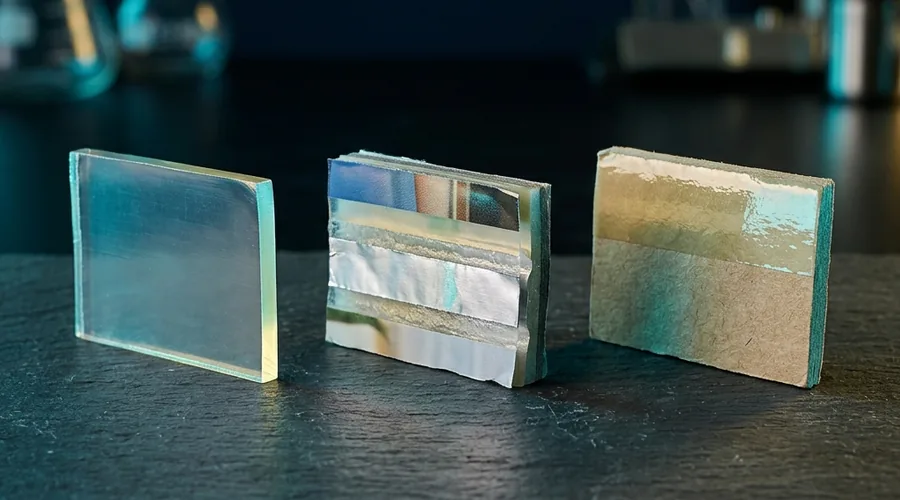
Functional coatings modify how a packaging surface behaves rather than what passes through it — improving ink anchorage, enabling a cold seal, adding scuff resistance, or letting a lidding film peel cleanly off a tray. Print primers matter most on non-porous films such as BOPP or PET, whose smooth surface doesn't naturally anchor ink well without a coating applied first. Cold-seal coatings, typically natural or synthetic rubber latex, bond only to themselves under pressure with no heat input, which is why confectionery wrappers use them instead of a heat-seal adhesive that would risk melting a chocolate product against a hot sealing jaw. Release coatings, most often silicone-based, let a lidding film peel away cleanly from a tray or cup without tearing the underlying seal.
- Print primers/anchor coatings — improve ink adhesion on non-porous films for reliable high-speed printing.
- Cold-seal coatings — rubber-latex based; seal under pressure without heat, protecting heat-sensitive contents.
- Release coatings — silicone-based; enable clean peel of lidding film from trays or cups.
- Scuff and gloss topcoats — protect printed graphics through distribution without contributing barrier performance.
None of these coatings meaningfully block oxygen or moisture on their own — that job belongs to a third, distinct category: the barrier material itself.
Barrier Materials: Mechanism, Properties, and Best-Use Scenarios
Barrier materials are the layer or coating specifically engineered to slow the transmission of oxygen, moisture, or light through the packaging structure, and the right choice depends heavily on which of those three threats matters most to the product inside. EVOH (ethylene vinyl alcohol) copolymer delivers excellent oxygen barrier when dry, but its performance drops sharply as relative humidity rises, so it's almost always sandwiched between moisture-blocking polyethylene layers in a coextruded structure. PVDC (polyvinylidene chloride) coatings historically delivered strong combined oxygen and moisture barrier on films like coated OPP, though many converters are shifting to PVDC-free acrylic or PVOH-based barrier dispersions because of chlorine-related recycling and end-of-life concerns. Vacuum-deposited metallization and transparent SiOx/AlOx oxide coatings offer a further trade-off: metallization is cost-effective and blocks light as well as gas, while SiOx/AlOx costs more but stays fully transparent, which matters for products that need visual inspection or microwave compatibility.
- EVOH copolymer — excellent dry-state oxygen barrier; humidity-sensitive, so it's layered between moisture-barrier polyethylene.
- PVDC coating — strong combined oxygen/moisture barrier; declining use tied to chlorine-related recycling concerns.
- Metallized film — vacuum-deposited aluminium; cost-effective oxygen, moisture, and light barrier, but not transparent.
- SiOx/AlOx oxide coating — transparent vacuum-deposited barrier; costs more, but preserves visual inspection and microwave use.
With adhesives, coatings, and barrier materials each profiled on their own terms, the practical question is how they actually stack up against each other on the properties a converter has to specify against — which is exactly what a direct head-to-head comparison settles.
Head-to-Head Comparison: Key Properties and Performance
These three chemistry categories aren't competing for the same job in a packaging structure — each carries a distinct function — but comparing them side by side on primary role, typical chemistry, and failure mode makes the practical differences concrete. What matters most shifts by category: bond strength and food-contact aging dominate adhesive selection, print and seal performance dominate coating selection, and oxygen/moisture transmission rate dominates barrier material selection.
| Property / Criterion | Lamination Adhesives | Functional Coatings | Barrier Materials |
|---|---|---|---|
| Primary Function | Bonds structural layers together | Modifies surface behaviour (print, seal, release) | Blocks gas, moisture, and light transmission |
| Typical Chemistry | Solventless PU, water-based acrylic, EVA hot-melt | Acrylic print primer, rubber-latex cold-seal, silicone release | EVOH, PVDC, metallized aluminium, SiOx/AlOx |
| Contribution to Barrier | Indirect, via bonded metallized/foil layer | None to minor | Direct and primary |
| Application Method | Roll lamination, extrusion coating | Gravure/flexo coating, extrusion | Coextrusion, vacuum deposition, solution coating |
| Key Failure Mode | Delamination, bond strength loss | Print rub-off, seal failure, blocking | Barrier loss from flex-cracking or humidity |
| Recyclability Impact | Can hinder mono-material recycling if resin-incompatible | Generally low impact | Metallization and PVDC complicate recycling streams |
Selection Criteria by Packaging Format
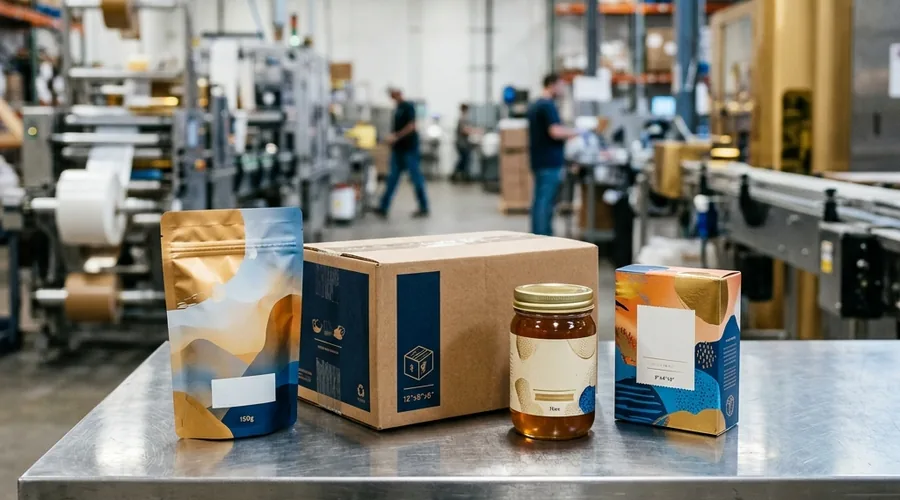
Packaging chemistry selection works best as a format-by-format exercise, because the shelf-life risk, sealing method, and recyclability target of a flexible pouch, a carton, and a glass-jar label are rarely the same. Mapping each packaging format to its required adhesive, coating, and barrier combination — and confirming compliance documentation exists for the specific chemistry chosen — is what a defensible packaging specification actually looks like in practice.
| Application / Requirement | Recommended Choice | Key Reason |
|---|---|---|
| High-barrier snack or coffee pouch | Metallized or EVOH-coextruded laminate, solventless PU bond | Combines oxygen/moisture/light barrier with strong interlayer bond |
| Confectionery or chocolate twist wrap | Cold-seal coating, no heat-seal adhesive | Avoids exposing heat-sensitive product to sealing-jaw temperatures |
| Retortable or microwaveable pouch | SiOx/AlOx-coated clear film, high-temperature-stable adhesive | Transparency for inspection plus barrier surviving retort processing |
| Recyclable mono-material (all-PE or all-PP) pouch | Water-based or resin-compatible adhesive, minimal or no metallization | Preserves single-resin stream for mechanical recycling |
| Printed corrugated shipping carton | Water-based print coating, standard case adhesive | No food-contact or high-barrier requirement; cost and print quality drive choice |
| Direct food-contact flexible film | Food-contact-compliant adhesive and barrier system with migration testing | Regulatory compliance under FDA 21 CFR 175/177 or EU food-contact rules |
| High-speed printed BOPP label film | Print primer/anchor coating suited to the substrate | Non-porous film needs a primer for reliable ink anchorage at line speed |
Cost, Compliance, and Practical Considerations
Packaging chemistry costs scale with the barrier and compliance burden a format carries, not with the number of layers alone — a simple two-layer mono-material pouch with a water-based adhesive costs far less than a five-layer high-barrier laminate with metallization and a solventless PU bond. Food-contact compliance adds a further cost layer across all three categories: adhesives, coatings, and barrier materials used in direct or indirect food contact all need migration testing and documentation under frameworks such as FDA 21 CFR 175/177 in the US or EU Regulation (EU) No 10/2011 on plastics in food contact, and that documentation should be requested at time of purchase rather than chased down during a customer audit. Recyclability is increasingly a specification driver in its own right — metallization, PVDC, and resin-incompatible adhesives can all push an otherwise recyclable mono-material structure out of a recycling stream, which is now a commercial risk for brand owners facing extended producer responsibility regulation in multiple markets.
- Documentation as a cost centre — migration test reports and compliance certificates should be archived at purchase, not requested reactively.
- Recyclability trade-offs — barrier and adhesive choices that boost shelf life can simultaneously reduce a structure's recyclability.
- Regional regulatory variation — FDA and EU food-contact frameworks don't automatically recognise each other's compliance testing.
- Supplier requalification — switching adhesive, coating, or barrier film suppliers requires its own compliance and performance verification, even within the same chemistry category.
None of these three chemistry categories is inherently harder to manage than the others — the practical challenge is specifying all three together as one packaging system, rather than optimising one at the expense of the other two.
Frequently Asked Questions
What's the difference between a packaging coating and a barrier material?
Which adhesive should I use for a high-barrier flexible pouch — solventless polyurethane or water-based acrylic?
Do all food packaging laminates need an EVOH or PVDC barrier layer?
Is a metallized film a substitute for aluminum foil in barrier packaging?
How does food-contact compliance differ between adhesives, coatings, and barrier layers in packaging?
Can cold-seal and heat-seal coatings be used on the same package?
Why are PVDC barrier coatings becoming less common in flexible packaging?
Not Sure Which Option Is Right for Your Application?
Our independent consultants can evaluate your specific packaging format and recommend the right adhesive, coating, and barrier combination — with no raw material sales bias.
Get a Free Consultation