The Complete Guide to Paints and Coatings: Formulations & Manufacturing Excellence

Paints and coatings are highly engineered chemical systems designed to protect, beautify, and enhance virtually every surface we encounter. From residential walls to high-performance automotive clearcoats, pipelines, and marine vessels, these thin film barriers resist weathering, chemicals, water penetration, and mechanical wear. Developing successful formulations requires balancing complex polymer resins, primary pigments, solvents, and specialized additives.
Table of Paints & Coatings Science
- 1. The Chemistry of the Four Essential Components
- 2. Manufacturing: Advanced Process Engineering
- 3. Product Categories: Architectural & Industrial Coatings
- 4. Specialty Science: Fire-Retardants & Nanotechnology
- 5. Film Formation & Curing Mechanisms
- 6. Application Engineering & Surface Preparation
- 7. Quality Considerations, Testing & Sustainability
- 8. Frequently Asked Questions (FAQ)
1. The Chemistry of the Four Essential Components
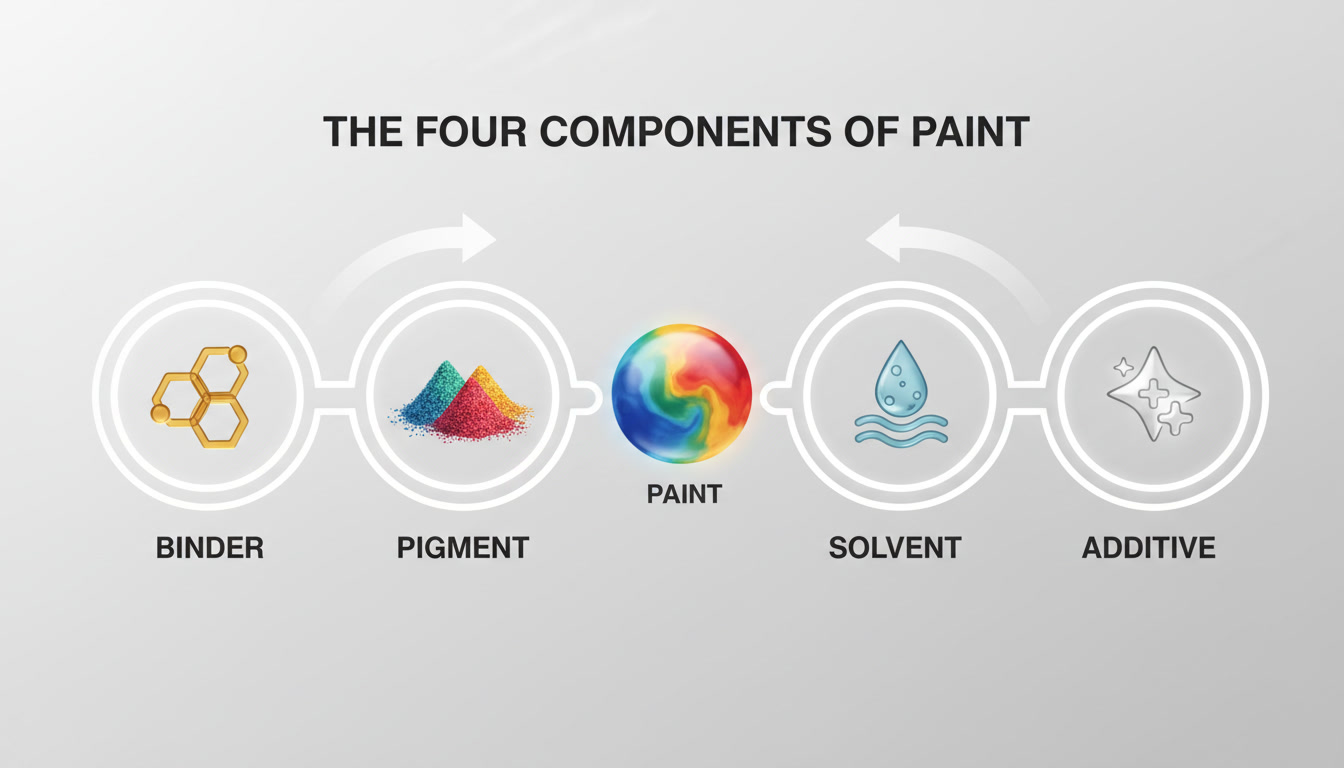
Every paint or coating is a complex chemical blend containing four essential components, each performing a distinct physical and chemical role in the final cured film.
1.1 Binder (Resin) - Curing Polymers & Film Architecture
The binder is the backbone of any paint, forming a continuous polymeric film that adheres to the substrate and holds the pigments in place. Binders are characterized by their molecular structures and how they cross-link during curing:
- Acrylics: Synthesized by the addition polymerization of methyl methacrylate and butyl acrylate. These polymers show exceptional UV resistance and optical clarity, making them the standard choice for architectural latex paints and automotive clearcoats.
- Epoxies: Thermosetting resins formed by reacting bisphenol A diglycidyl ether (DGEBA) with polyamines. Epoxy-amine cross-linking creates a dense, highly chemical-resistant and moisture-resistant network with excellent metal adhesion, ideal for heavy-duty industrial primers.
- Polyurethanes: Formed by the polyaddition reaction of diisocyanates (such as HDI or IPDI) with polyols. This reaction creates flexible, tough urethane linkages that offer outstanding abrasion, impact, and weathering resistance.
- Alkyds: Formed by the polyesterification of polyols (like glycerol or pentaerythritol) with dibasic acids (phthalic anhydride) and unsaturated drying fatty acids. They cure through oxidative cross-linking, providing a traditional high-gloss, durable finish.
1.2 Pigments - Opacity, Volume & The CPVC Threshold
Pigments are insoluble particles dispersed in the binder that provide color, opacity, and barrier protection. Titanium Dioxide (TiO2) is the industry standard white pigment, valued for its high refractive index (2.73) which scatters light exceptionally well.
Formulators manage pigment levels using the Pigment Volume Concentration (PVC) equation:
Where Vp is the volume of pigment and Vb is the volume of non-volatile binder. The most critical transition point in coating design is the Critical Pigment Volume Concentration (CPVC).
- Below CPVC: The binder completely encapsulates all pigment particles, leaving no voids. This forms a smooth, continuous, high-gloss film with excellent barrier protection, tensile strength, and water resistance.
- Above CPVC: There is insufficient binder to fill the spaces between the pigment particles. This introduces air voids into the film, causing a sharp drop in tensile strength, gloss, and corrosion resistance, while significantly increasing water and moisture permeability. This high-PVC profile is utilized in flat ceiling paints to maximize opacity and hide surface imperfections.
1.3 Solvents & Evaporation Kinetics
Solvents serve as temporary carrier fluids that dissolve or disperse the binder, adjusting the coating's viscosity for uniform application. Formulators select solvents using Hansen Solubility Parameters—matching dispersion (δd), polar molecular interactions (δp), and hydrogen bonding (δh) values to those of the binder.
Solvent choice controls evaporation kinetics. If the solvent evaporates too quickly, the paint will not level properly, causing "orange peel" textures and reducing "wet edge" open time. If it evaporates too slowly, the wet film will sag and run down vertical surfaces. Water-based systems replace organic solvents with water, utilizing small amounts of coalescing solvents to soften polymer particles during drying.
1.4 Additives - Rheology Modifiers & Defoamers
Additives are specialized chemicals added in small quantities (under 2% of the formulation) to resolve physical and chemical stability challenges:
- Rheology Modifiers (HEUR/HASE): Associative thickeners that build temporary networks in water-based paints. They provide thixotropic behavior—dropping in viscosity under the high shear of brushing or spraying to allow smooth application, then recovering viscosity quickly under low shear to prevent sagging and running.
- Wetting & Dispersing Agents: Polar molecules that adsorb onto pigment surfaces, providing electrostatic charge repulsion or steric hindrance to prevent particles from agglomerating and settling.
- Defoamers (Polysiloxanes & Hydrophobic Silica): Highly active compounds that spread across foam bubbles, thinning and breaking the liquid lamellae to collapse foam generated during manufacturing or spray application.
2. Manufacturing: Advanced Process Engineering
Producing high-performance industrial and architectural paints is a highly controlled chemical engineering process. Minor deviations in shear rate, temperature, or blending sequences can lead to issues like pigment flocculation, poor color consistency, or paint separation in the container.
2.1 High-Speed Pre-Mixing and Wet-Out
The manufacturing process begins in the pre-mix vessel using a High-Speed Disperser (HSD) equipped with a sawtooth Cowles blade. The resin, water or solvent, and pigment dispersing additives are charged first. The dry pigments are then added under high-speed agitation.
The HSD motor is controlled to maintain a blade tip speed of 18 to 25 meters per second. This speed generates a deep toroidal flow (commonly called the "doughnut effect"), drawing the thick paste down into the blade to wet out the pigment particles and break up large agglomerates.
2.2 High-Energy Media Milling
Because high-speed dispersers cannot reduce pigment particles to their primary size, the pre-mixed paste is passed through a high-energy Horizontal Media Mill (or bead mill).
The milling chamber is filled with high-density zirconia beads (ranging from 0.5 to 2.0 mm in diameter) agitated by rotor discs. The shear forces and physical collisions between the beads crush pigment agglomerates down to their primary particle size (typically 0.1 to 5 microns). The dispersion quality is monitored in real time using a Hegman Grind Gauge, aiming for a rating of 7 to 8 Hegman for high-gloss coatings and automotive finishes.
2.3 Let-Down, Tinting & Micro-Filtration
Once the pigment paste achieves the target Hegman grind, it is transferred to a low-shear let-down tank. The remaining binders, thickeners, coalescing agents, and biocides are added under gentle agitation to prevent damaging the polymer chains.
The batch's color is measured using spectrophotometric analysis and adjusted with concentrated colorant dispersions. The finished paint is passed through high-capacity bag filters (typically rated for 10 to 100 microns) to remove any contaminants or oversized particles before packaging under sterile, clean-room conditions to prevent microbial contamination.
3. Product Categories: Architectural & Industrial Coatings
Coatings are broadly grouped into architectural and industrial categories, each engineered to meet the unique demands of its operating environment.

3.1 Architectural Coatings: Decorative & Protective
- Interior Architectural Paints: Standard interior paints are water-based acrylic emulsions. They are formulated to be low-odor and GHS-compliant, keeping Volatile Organic Compounds (VOCs) to a minimum. Formulators adjust sheens by varying the PVC—flat paints have a PVC of 50–70% to scatter light and hide wall defects, while semi-gloss and high-gloss trim paints have a PVC of 15–25% to provide a smooth, easily washable surface.
- Exterior Architectural Paints: Exterior coatings must endure temperature extremes, water exposure, and solar UV radiation. They are formulated with highly flexible, 100% pure acrylic binders that can expand and contract with the underlying substrate (wood, masonry) without cracking. Specialized additives like UV absorbers and biocides are incorporated to prevent cracking, chalking, and mildew growth.
3.2 Industrial Coatings: Heavy-Duty Performance
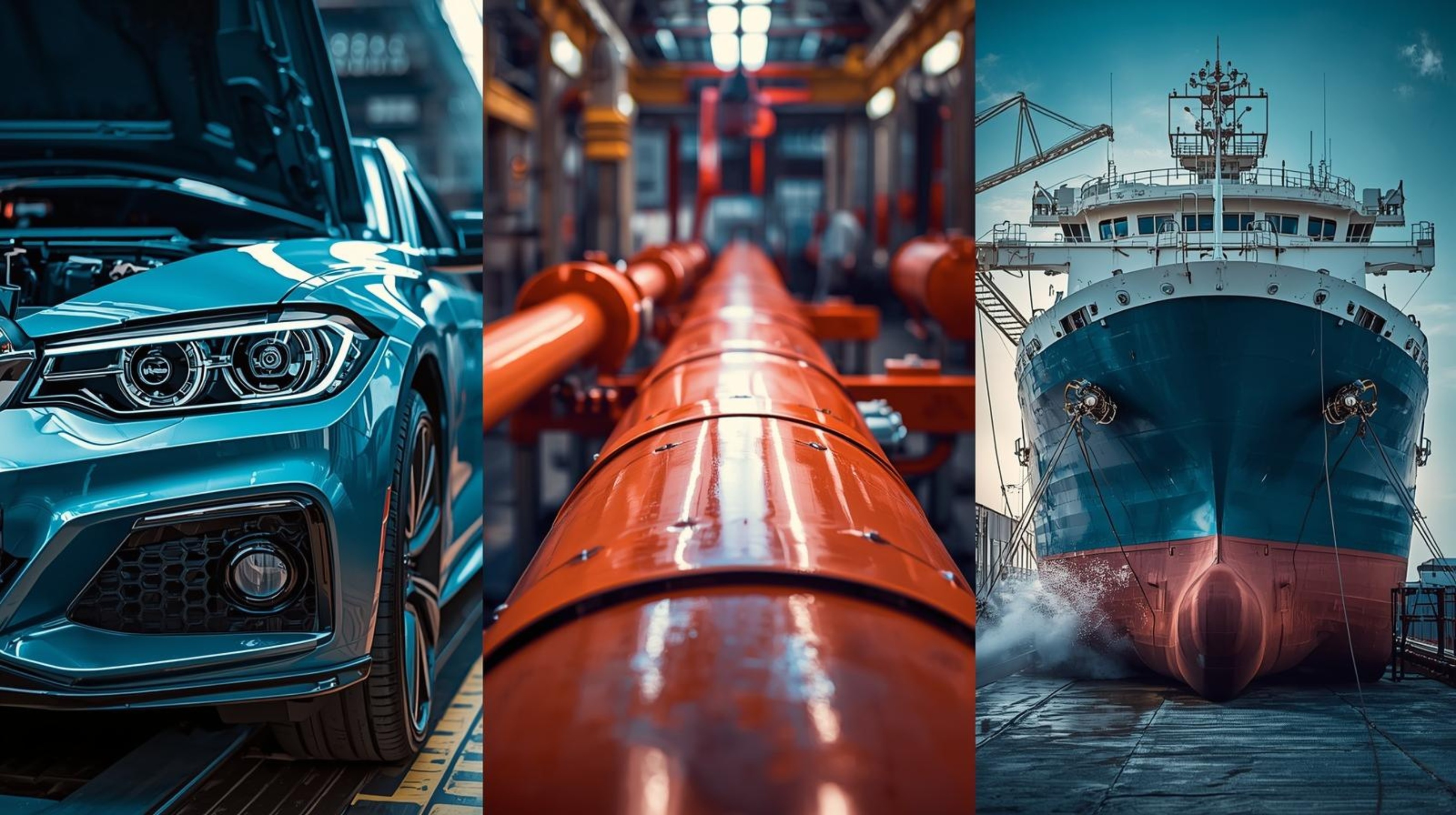
- Protective Steel Coatings: Industrial infrastructure, such as bridges, pipelines, and offshore rigs, relies on multi-layer protective coatings. The classic system consists of a zinc-rich epoxy primer (providing sacrificial cathodic protection to the steel), an epoxy mastic intermediate coat (acting as a dense barrier against moisture and ions), and an aliphatic polyurethane topcoat (offering UV resistance and color retention).
- Marine Antifouling Coatings: Marine vessels must resist aggressive saltwater environments and biofouling (the attachment of algae and barnacles, which increases hull drag). Antifouling coatings incorporate active biocides, such as copper pyrithione, or use self-polishing copolymer (SPC) resins that slowly hydrolyze in seawater, releasing biocides at a controlled rate to keep the hull smooth.
- Automotive Multi-Layer Systems: Automotive finishes are applied in highly automated factory environments. The system includes an electrodeposition (E-coat) primer for corrosion protection, a polyester-acrylic primer-surfacer for smoothness, a basecoat containing metallic or pearlescent pigments for color, and a highly cross-linked acrylic-urethane clearcoat that resists scratches, acid rain, and UV degradation.
4. Specialty Science: Fire-Retardants & Nanotechnology
Specialty coatings utilize advanced chemical reactions and raw materials to provide unique, highly functional properties beyond traditional decoration or corrosion protection.
4.1 Intumescent Fire-Retardant Chemistry
Intumescent coatings protect structural steel elements in buildings from high-heat failure during fires. They consist of a three-part chemical system:
- An Acid Source (Ammonium Polyphosphate): Under high heat (above 200°C), it decomposes to release mineral phosphoric acid.
- A Carbon Donor (Pentaerythritol): The released phosphoric acid reacts with the carbon donor, esterifying it to form a dense carbonaceous char.
- A Blowing Agent (Melamine): Concurrently, the blowing agent decomposes to release large volumes of nitrogen gas (N2).
The released gas expands the carbonaceous char into a thick, highly insulating foam layer (expanding up to 50 to 100 times the original dry film thickness). This foam layer insulates the underlying steel, keeping its temperature below the critical failure threshold of 500°C for up to four hours, saving lives and protecting the building's structure.
4.2 Smart Self-Healing & Superhydrophobic Nanotechnology
Smart coatings respond dynamically to environmental triggers:
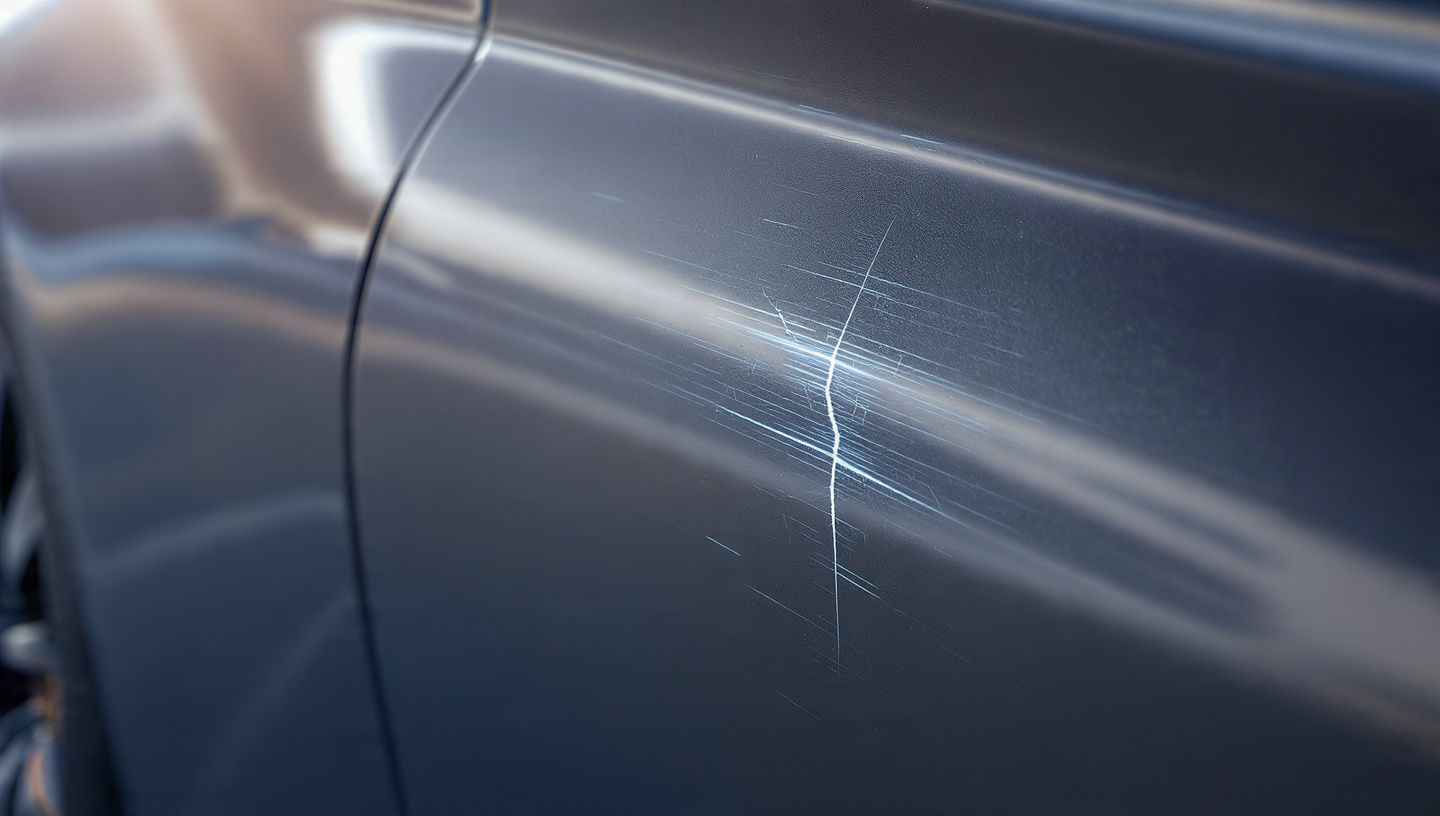
- Self-Healing Coatings: Utilize microencapsulation technology. Microscopic urea-formaldehyde shells containing liquid monomers (such as linseed oil or epoxy resin) are dispersed throughout the coating. When a scratch ruptures the shell, the monomer flows into the gap and polymerizes upon contact with catalyst particles or air, sealing the crack and restoring corrosion protection.
- Superhydrophobic Coatings: Incorporate nano-silica or fluorinated nanoparticles to create microscopic surface roughness that mimics the lotus leaf. The surface matches the Cassie-Baxter model, where water droplets contact only the tips of the surface features and sit on pockets of trapped air. This increases the contact angle to above 150°, causing water to bead up and roll off easily, carrying dust and contaminants with it.
5. Film Formation & Curing Mechanisms
The transition of a wet, liquid coating into a tough, solid film is driven by four primary physical and chemical mechanisms.
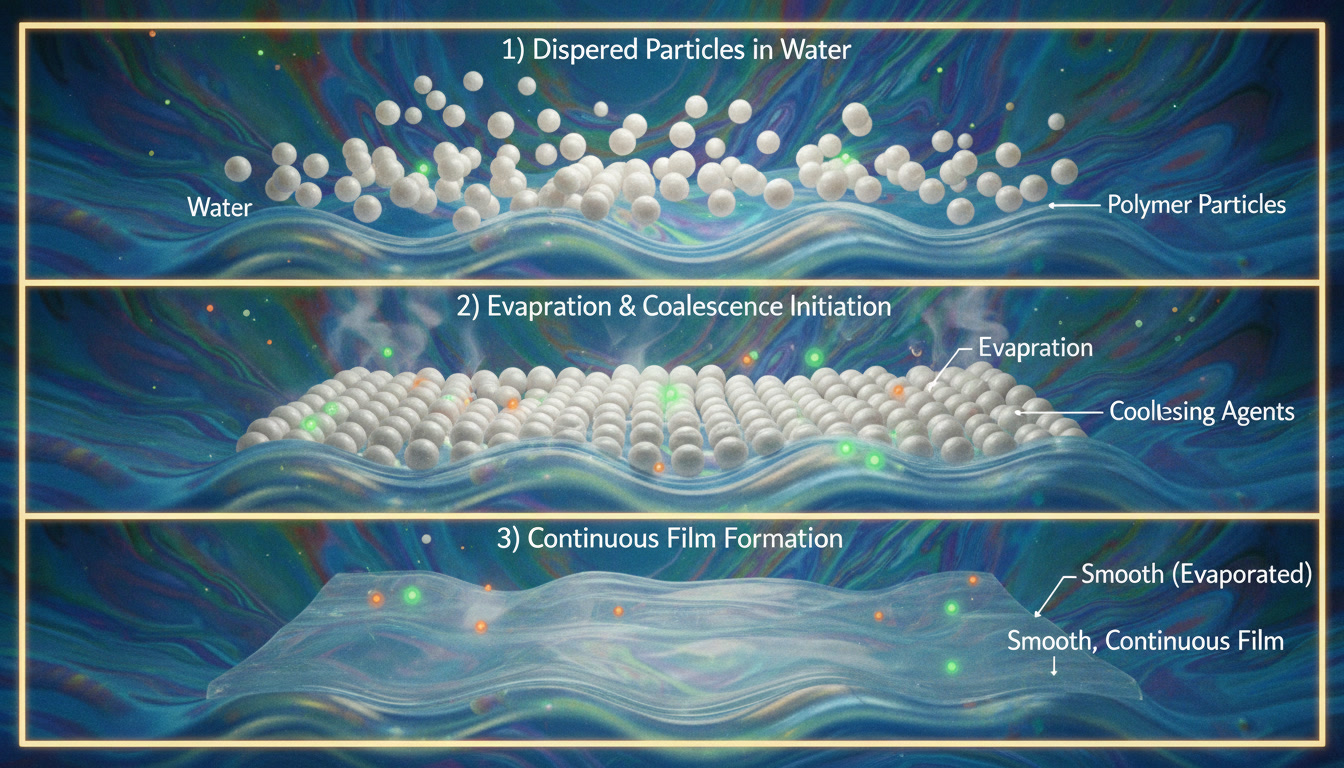
5.1 The Coalescence of Water-Based Latex
Water-based latex paints do not form a film through simple chemical cross-linking. Instead, they rely on physical coalescence, which occurs in four distinct stages:
- Water Evaporation: As water evaporates from the wet film, the dispersed polymer latex spheres are forced closer together.
- Particle Packing: The spheres arrange themselves into a dense, close-packed geometric array.
- Particle Deformation: Capillary forces draw the spheres together, squeezing out remaining water and causing the polymer particles to deform into polyhedral shapes.
- Chain Interdiffusion: The boundaries between the adjacent polymer particles disappear as the polymer chains diffuse across the interfaces, fusing the particles into a continuous, strong film.
This coalescence process requires the operating temperature to be above the polymer's Minimum Film Forming Temperature (MFFT). If applied below the MFFT, the polymer particles remain too rigid (glassy) to deform and fuse, resulting in a cracked, powdery film rather than a continuous coating.
5.2 Oxidative Curing & Drier Catalysts
Traditional oil-based and alkyd paints cure through an oxidative cross-linking reaction. The unsaturated double bonds in the drying fatty acids react with atmospheric oxygen, forming hydroperoxides.
These hydroperoxides then decompose to create ether and carbon-carbon cross-links between the polymer chains. This reaction is catalyzed by metal oil driers: primary surface driers (such as cobalt octoate) accelerate oxygen absorption and cross-linking at the surface, while secondary through-driers (calcium or zirconium) ensure uniform cross-linking throughout the depth of the film.
5.3 Chemical Curing (2K Systems)
Two-component (2K) high-performance coatings, such as epoxies and polyurethanes, cure through direct chemical reactions. The resin (Component A) and the hardener/cross-linker (Component B) are packaged separately and mixed immediately before application. The reactive groups (e.g., epoxy rings and amine protons) react at stoichiometric ratios, forming a dense, three-dimensional thermoset network that offers exceptional chemical and physical resistance.
6. Application Engineering & Surface Preparation
The performance of a coating depends heavily on the quality of surface preparation and the application method used.
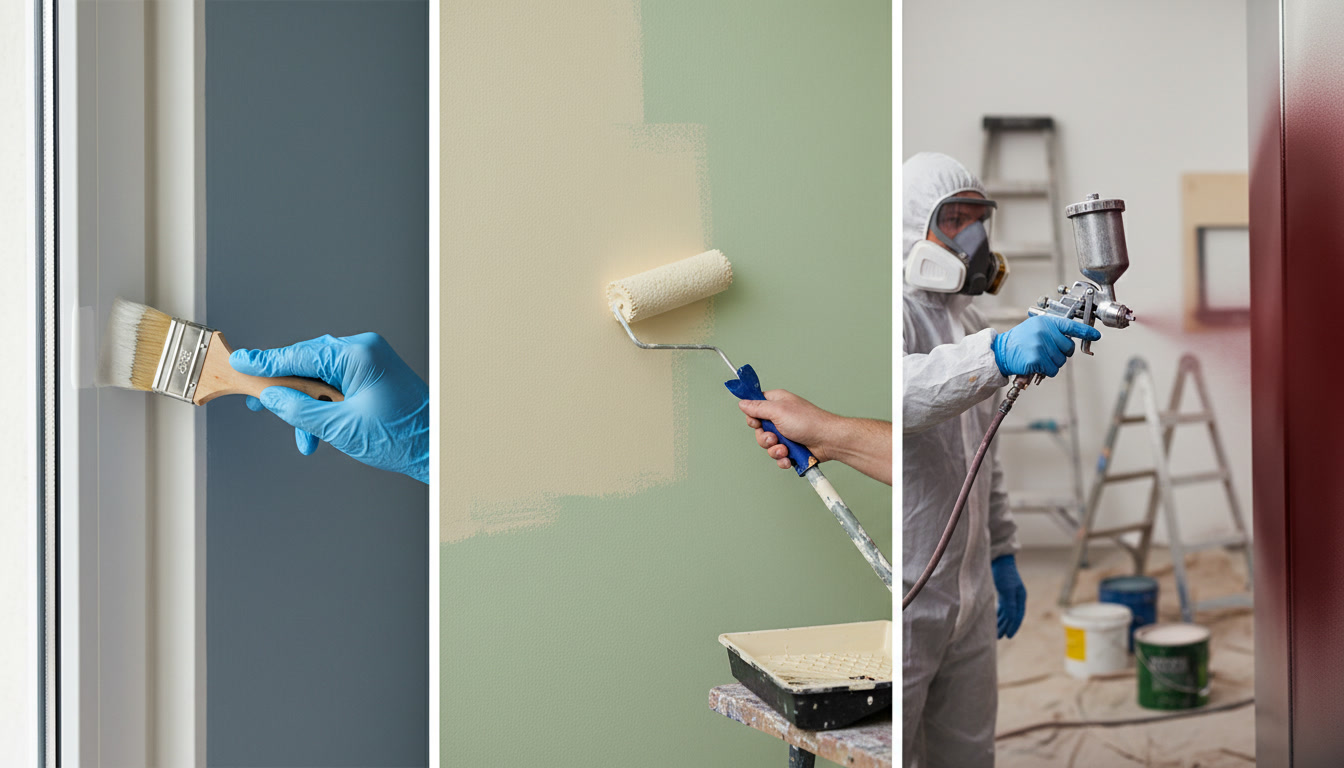
6.1 Application Methods: Manual & High-Tech
- Manual Methods (Brush & Roller): Brushes are preferred for detailed work and trim, where precision is critical. Rollers are the standard for flat architectural walls. Nap length is matched to the surface—short naps (3/8 inch) for smooth drywall, and long naps (3/4 inch) for textured masonry.
- Airless Spraying: Forces the coating through a small tungsten carbide tip under high pressure (1,000 to 3,000 psi). This high pressure atomizes the paint into a fine mist, allowing rapid, uniform coverage on large industrial structures.
- HVLP (High-Volume, Low-Pressure) Spraying: Atomizes the coating using a high volume of air at low pressure (under 10 psi). This method minimizes overspray and maximizes transfer efficiency, making it ideal for high-quality wood finishes and automotive refinishing.
- Electrostatic Spraying: Applies an electrostatic charge (typically negative) to the atomized coating particles, while the conductive metal substrate is grounded. The charged particles are drawn along electromagnetic field lines, wrapping around complex shapes to provide uniform coverage with minimal overspray.
- Electrodeposition (E-Coat): The metal part is submerged in a bath containing water-dispersed, charged polymer resins. Applying an electrical current deposits a highly uniform primer film across all surfaces, including interior cavities. This is the foundation of modern automotive corrosion protection.
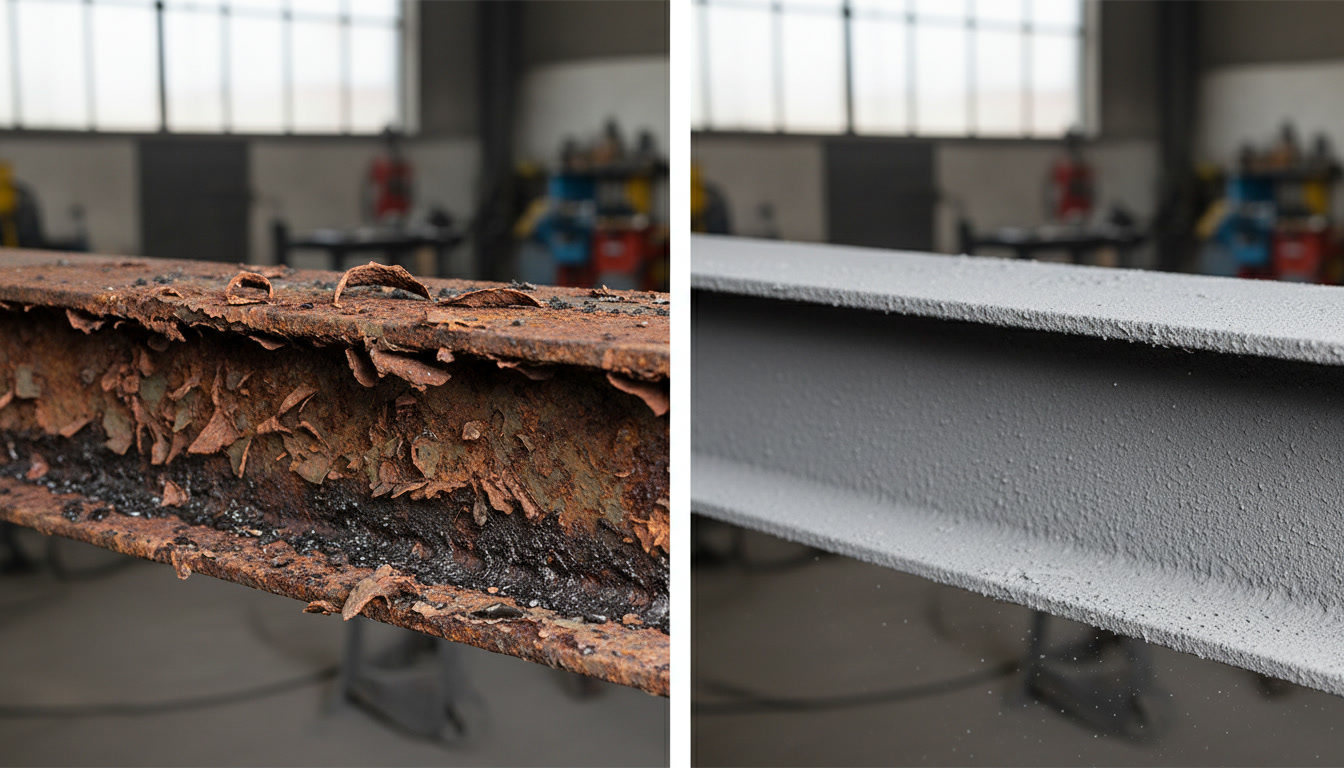
6.2 Surface Preparation: The Foundation of Adhesion
Even the highest quality coating will fail prematurely if applied to a dirty or poorly prepared surface. Surface preparation determines the quality of mechanical and chemical bonding:
- Chemical Cleaning: Surfaces must be free of oil, grease, dirt, and salts. Solvents or alkaline cleaners are used to degrease metal parts. In industrial applications, the presence of soluble salts is monitored, as they can cause osmotic blistering under the cured film.
- Mechanical Profiling: Abrasive blasting (sandblasting or steel grit blasting) is used on metal structures to remove rust and scale. This process creates a rough microscopic profile (anchor pattern) that increases the surface area, enabling strong mechanical adhesion of the primer.
- Priming: Primers seal porous substrates, protect metals from corrosion, and promote adhesion. Acid-etch primers chemically etch metal surfaces, while epoxy primers provide a dense barrier with excellent adhesion.
7. Quality Considerations, Testing & Sustainability
To ensure long-term performance and meet GHS and EPA regulations, finished coatings must undergo thorough laboratory testing.
7.1 Standard Laboratory Quality Assays
Formulations must pass standard ASTM and ISO quality tests before being approved for production:
- Cross-Hatch Adhesion (ASTM D3359): A lattice pattern is cut through the cured film to the substrate, and specialized adhesive tape is applied and removed. The grid is inspected to assess the percentage of coating detached, confirming adhesion strength.
- Specular Gloss (ASTM D523): Measures gloss levels at 20°, 60°, and 85° angles using a glossmeter to confirm sheen consistency across production batches.
- Taber Abrasion Resistance (ASTM D4060): Subjecting the film to rotating abrasive wheels to measure mass loss over a set number of cycles, verifying wear resistance for floor coatings.
- Accelerated Weathering (QUV - ASTM G154): Exposing coating panels to cycles of intense UV radiation, heat, and moisture condensation to predict years of outdoor weathering.
7.2 The Move Toward Green Chemistry
Strict GHS standards and EPA limits have driven a shift toward green chemistry in the coatings industry:
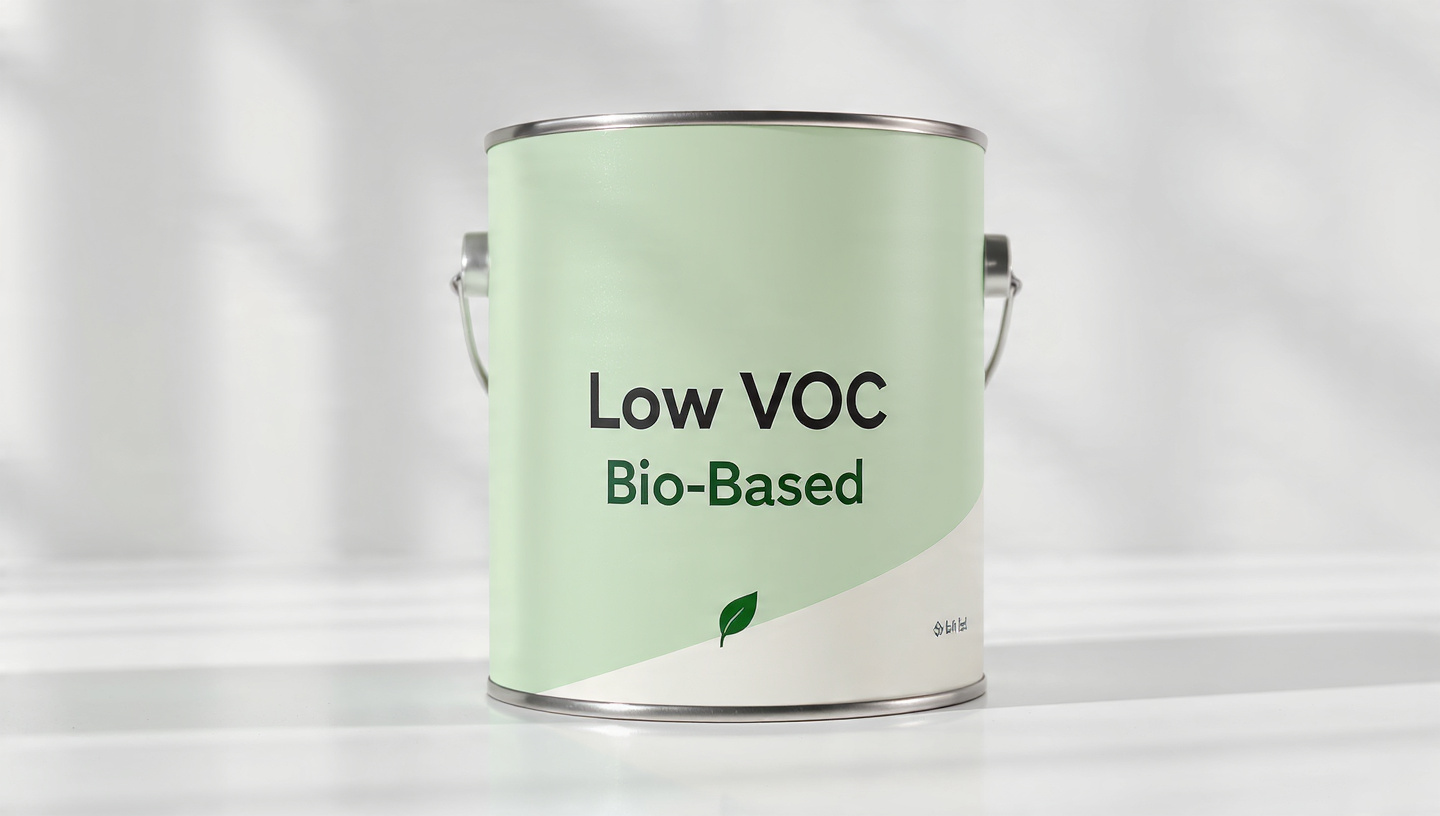
- Low-VOC and Zero-VOC Formulations: Solvent-based paints are increasingly replaced by water-based acrylic emulsions and high-solids formulations that release minimal volatile organic compounds into the atmosphere during drying.
- Bio-Based Resins: Binders are synthesized using renewable resources, such as soybean oil, castor oil, or corn-derived monomers, reducing reliance on petrochemical feedstocks.
- Safe, GHS-Compliant Additives: Carcinogenic formaldehyde-releasing biocides are replaced by safe, modern preservatives like isothiazolinones (BIT/MIT) to prevent in-can spoilage.
Frequently Asked Questions (FAQ)
1. What is the difference between water-based and solvent-based coatings?
Water-based coatings use water as the primary solvent (carrier), resulting in low VOCs and easy cleanup. Solvent-based coatings use organic solvents, offering higher durability and better adhesion to certain surfaces, but releasing more VOCs.
2. What is the most critical step in applying any coating?
Surface preparation is universally considered the most critical step. If the substrate is not clean, dry, and properly profiled, even the highest quality coating will fail prematurely due to poor adhesion.
3. What does VOC stand for in the coatings industry?
VOC stands for Volatile Organic Compound. These are carbon-containing chemicals released into the air as the coating dries. High VOCs contribute to air pollution (smog) and pose health risks, leading to a major industry shift toward low-VOC and zero-VOC formulations.
4. What are the main functions of the binder in a coating?
The binder (or resin) is the most critical component. Its main functions are to form the film, adhere the coating to the substrate, and encapsulate the pigments, determining the coating's durability, flexibility, and resistance properties.
5. How do intumescent coatings prevent fire spread?
Intumescent coatings are fire-retardant. When exposed to heat, they swell dramatically, forming a thick, insulating layer of carbonaceous char. This char acts as a barrier, protecting the underlying steel or wood structure and slowing down the fire spread.
6. What is chalking and how is it caused?
Chalking is the deterioration of a coating surface caused by weathering and UV exposure, which breaks down the binder, releasing pigment particles as a fine, chalky powder. It is a common sign of degradation in exterior coatings.
7. Why is abrasive blasting often used in industrial surface preparation?
Abrasive blasting (sandblasting) is used to remove rust, scale, and old coatings and to create a rough surface profile (anchor pattern). This profile significantly enhances the mechanical adhesion of heavy-duty industrial coatings like epoxies and polyurethanes.
Conclusion
Paints and coatings represent a sophisticated technology that combines chemistry, materials science, and chemical process engineering to protect and beautify our built environment. From ancient pigments mixed with animal fats to modern nanotechnology-enhanced smart formulations, these materials have evolved to meet increasingly demanding industrial performance requirements while addressing strict environmental regulations.
By adopting synthetic bio-based resins, optimizing pigment dispersion, and utilizing high-performance specialty chemistry like intumescents and superhydrophobic surfaces, manufacturers can deliver durable, efficient products. Understanding the physical and chemical principles of these coatings enables formulators and engineers to design systems that quietly perform their essential functions year after year.
Optimize Your Paints & Coatings Production
Get professionally audited, commercially proven formulations, raw material cost audits, and high-energy milling process setup support from Specialist Consultant Absar Khan.
Email: consulting@globalformulation.com
Phone: +91 9819548320 +91 8169102990
About the Specialist
Absar Khan is the principal consultant and chemical formulation architect at Global Formulation. He specializes in the design, optimization, and scaling of industrial lubricants, paints and architectural coatings, polyurethane sealants, aerosol gas-dosing systems, and green, low-VOC polymers. Absar provides turnkey chemical engineering services, hands-on factory plant setups, raw material cost audits, and quality control designs for leading brands globally.
LinkedIn Portfolio: Connect with Absar Khan on LinkedIn