Microbiome Skincare Formulation: Prebiotics & Probiotics
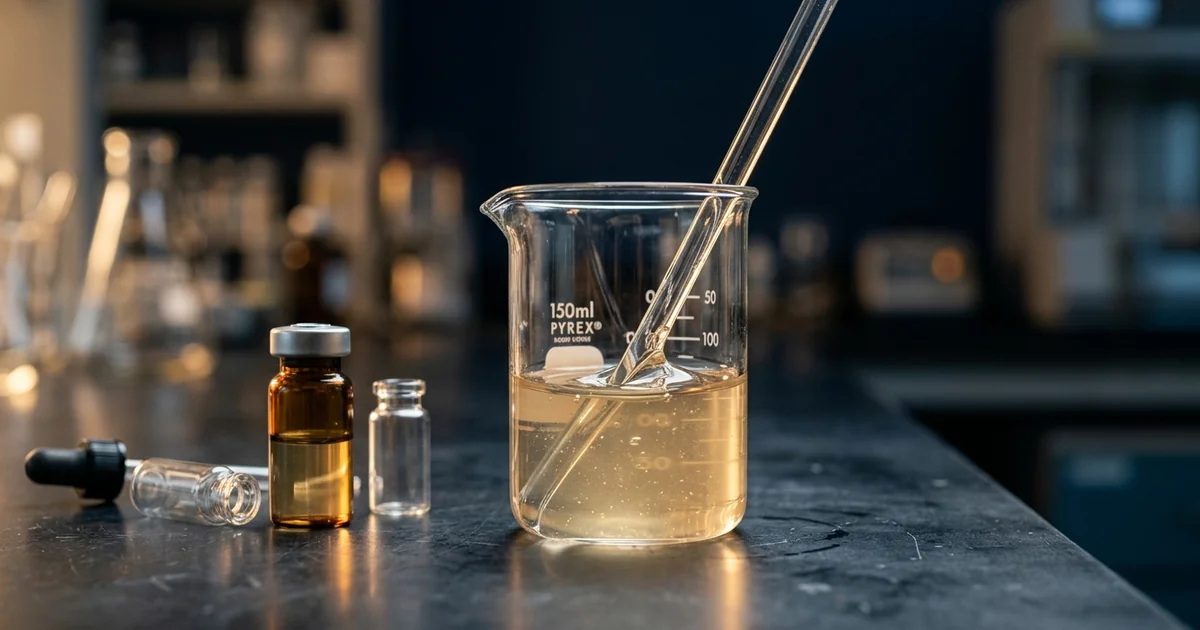
Walk down any skincare aisle and "probiotic" appears on serums, moisturizers, and cleansers as confidently as it does on yogurt labels — implying the same thing: living cultures doing active work inside the jar. That assumption is almost always wrong, and the reason why is a genuine formulation constraint, not a marketing failure. Microbiome skincare formulation sits at the intersection of two things that actively work against each other — a product's need for shelf-stable preservation and a live organism's need to survive — and the industry has built an entire category of workarounds to resolve that tension. This guide explains what prebiotics, probiotic lysates, and postbiotics actually are at the ingredient level, why the preservation paradox exists, and how pH, barrier chemistry, and claims substantiation come together in a genuinely microbiome-supportive product. For entrepreneurs and formulators entering this category, understanding the real mechanism behind the marketing term is the difference between a defensible product and an unsubstantiated one.
Why "Probiotic Skincare" Rarely Contains Live Bacteria
A product formulated for a multi-year shelf life almost always needs a broad-spectrum preservative system to stay microbiologically safe, and that same system exists specifically to stop bacterial growth — which puts it in direct conflict with any ingredient that's supposed to be alive. Consumers reasonably assume "probiotic" means the same thing it does in food, but a preserved leave-on emulsion is a fundamentally different environment than a refrigerated yogurt cup with a defined, short use-by window. The skin itself hosts a genuinely diverse resident community — bacteria, fungi, and other microorganisms collectively known as the skin microbiome — and formulating around that community honestly starts with separating what's biologically real from what's a labeling convention.
- Preservative conflict — the antimicrobial system required for shelf stability targets the same organism classes an intentional live culture would belong to
- Water activity risk — typical water-containing emulsions support uncontrolled contaminating growth far more readily than they support a single stable, isolated strain
- Viability verification — confirming a specific strain remains alive and at a meaningful concentration across the full shelf life requires specialized testing most cosmetic labs aren't set up to run
What's actually inside most "probiotic" labeled products is a non-living derivative — a lysate, a fermentation filtrate, or another postbiotic material — rather than a viable culture, and understanding that distinction is the starting point for formulating this category honestly.
Prebiotics: Selectively Feeding a Healthy Skin Microbiome
A prebiotic is a non-living substance — typically a specific carbohydrate or oligosaccharide — that selectively feeds and encourages the growth of the skin's existing beneficial resident bacteria, without introducing any new organism to the formula. The mechanism mirrors the gut-health prebiotic concept: rather than adding something alive, the ingredient shifts the competitive balance of an already-present microbial community toward the commensal, beneficial species and away from opportunistic ones.
- Alpha-glucan oligosaccharide — a selectively fermentable sugar structure used to favor commensal bacterial growth on skin
- Inulin — a plant-derived fructan polysaccharide with an established prebiotic role, adapted from food-science use into topical formulation
- Oat beta-glucan — a plant polysaccharide contributing both prebiotic-style substrate activity and independently documented skin-soothing properties
Feeding existing beneficial flora is one lever; the other is supplying bioactive material derived from beneficial strains without the stability problem live cultures carry — which is exactly the gap lysates and postbiotics were developed to fill.
Probiotic Lysates and Postbiotics: The Practical Alternative to Live Cultures
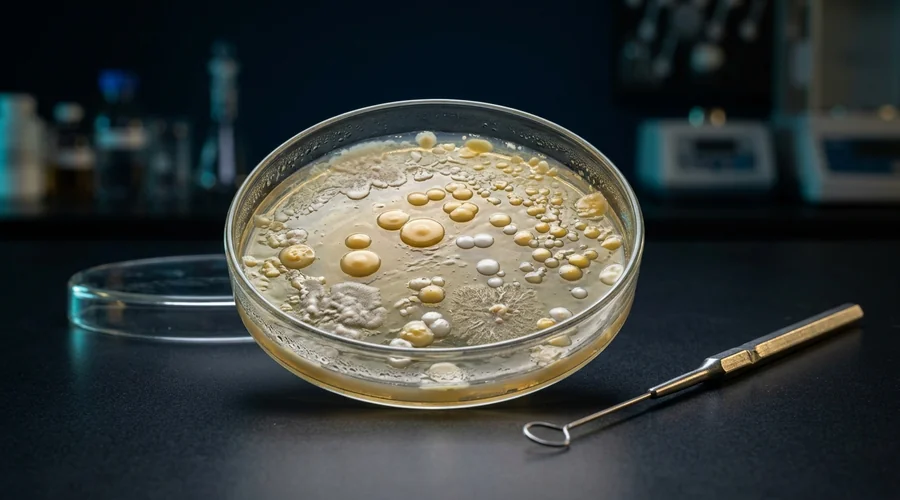
A bacterial lysate is produced by mechanically or chemically rupturing bacterial cells, releasing their intracellular contents — proteins, peptides, teichoic acids, and other signaling molecules — while leaving no living cells behind. Because the material is no longer alive, it can be purified, stabilized, and preserved using the same chemistry as any other cosmetic active, which sidesteps the entire preservation conflict that live cultures face. Postbiotics broaden the same idea to include cell-free fermentation filtrates and metabolites collected from a beneficial microorganism during a controlled fermentation process, then filtered to remove the living cells before formulation.
| Ingredient class | Living cells present? | Preservative-compatible? | Typical mechanism |
|---|---|---|---|
| Prebiotic (oligosaccharide/polysaccharide) | No | Yes | Selectively feeds existing beneficial flora |
| Probiotic (true live culture) | Yes | No — requires anhydrous/specialized format | Direct microbial colonization or competition |
| Postbiotic / lysate / ferment filtrate | No | Yes | Delivers bioactive metabolites without live-culture risk |
This is the practical reason the postbiotic and lysate category has grown faster than genuine live-culture cosmetics — it delivers bioactive material connected to beneficial microorganisms while fitting inside the same formulation and preservation framework every other active ingredient already uses.
The Preservation Paradox: Formulating Around Antimicrobial Requirements
Every water-containing cosmetic needs a broad-spectrum preservative system to remain safe across its shelf life, protecting consumers from contamination introduced by repeated handling, humid storage, and months of open-container use. That requirement is non-negotiable for product safety, and it's also precisely what makes a genuinely live probiotic culture nearly impossible to keep viable inside a standard emulsion, gel, or cream.
- Use lysates or postbiotics instead of live cultures — the default solution for any standard preserved, water-containing format
- Move to an anhydrous or powder format — removing free water reduces both the contamination risk and the preservative burden, making viable strains more feasible
- Encapsulate or use spore-forming strains — a more specialized, higher-cost route reserved for products specifically engineered around live-culture viability
Resolving the preservation paradox with the right ingredient class is only part of the formulation picture — the product's pH and its effect on the skin barrier matter just as much for a genuinely microbiome-supportive result.
pH, Barrier Function, and Microbiome-Compatible Formulation Design
Healthy skin surface pH sits in a mildly acidic range, commonly cited as roughly 4.5 to 5.5 and often called the acid mantle, and that acidity is not incidental — it actively favors beneficial resident organisms like Staphylococcus epidermidis while creating less favorable conditions for some opportunistic or pathogenic strains. Formulating cleansers and leave-on products closer to that native range, rather than at a strongly alkaline pH, is arguably the single most direct and best-established lever a formulator has over microbiome health, more consequential in practice than any individual pre- or postbiotic active added on top of it.
Barrier function and microbiome balance are tightly linked rather than separate concerns. Dysbiosis, an imbalance in the resident microbial community, is well documented in the dermatology and microbiology research literature alongside impaired skin barrier function in conditions such as atopic dermatitis, and the relationship runs in both directions — a compromised barrier changes the surface environment microbes depend on, and an unbalanced microbiome can further weaken barrier integrity. This is the same pH-sensitivity terrain covered in our guide to niacinamide stability and pH formulation compatibility, since active-ingredient stability and skin compatibility both trace back to the same pH decisions.
- pH matching — formulating closer to the skin's native 4.5–5.5 range rather than defaulting to a neutral or alkaline pH for manufacturing convenience
- Mild surfactant selection — avoiding harsh, highly alkaline, or aggressively stripping surfactant systems that disrupt the lipid layer microbes rely on
- Barrier-supportive lipids — ceramides and fatty acids matched to skin's natural lipid ratios, maintaining the physical conditions a stable microbiome needs
Getting pH and barrier chemistry right creates the environment a healthy microbiome can actually sustain itself in — which sets up the final, and often overlooked, piece of the puzzle: proving the product does what it claims.
Claims Substantiation and Selecting Ingredients for a Microbiome-Friendly Product
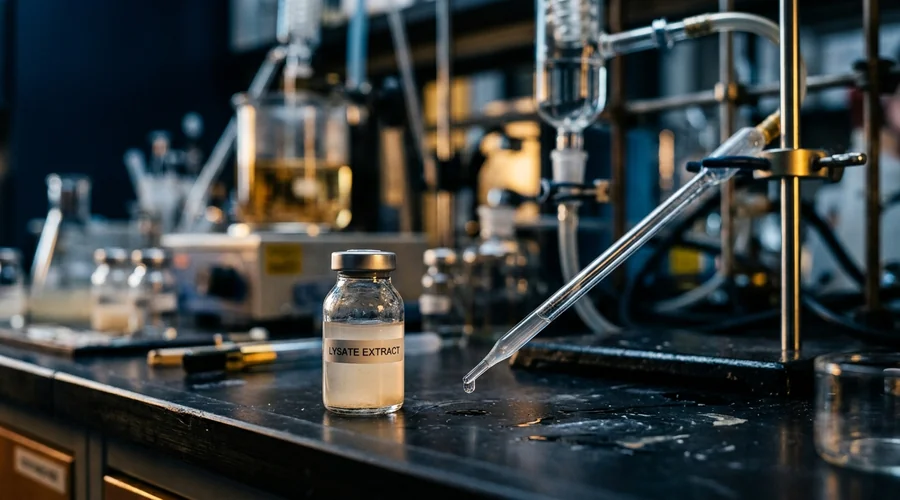
Regulatory frameworks don't treat microbiome claims as a free pass just because the underlying science is fashionable. Under the EU Cosmetics Regulation (EC) No 1223/2009 and comparable frameworks such as those enforced by the FDA's cosmetics program, any claim made about a product needs supporting evidence on file, and "microbiome-friendly," "prebiotic," or "probiotic" claims are held to that same standard, not a lower one because the terminology is newer.
The evidence bar has risen sharply in recent years. Culture-based methods, which count colonies that happen to grow on a lab medium, systematically miss much of the skin's real microbial diversity, since many resident species don't culture well under standard lab conditions. Direct sequencing — 16S rRNA gene sequencing of skin swabs, or broader shotgun metagenomic sequencing — comparing microbial composition before and after product use in a controlled study is now the more credible and increasingly expected standard for a genuine microbiome claim.
- Choose lysates, postbiotics, or prebiotics over live-culture claims for any standard preserved format
- Match formulation pH to the skin's native acidic range rather than a manufacturing-convenient neutral pH
- Select preservatives for adequate protection without unnecessary excess antimicrobial load beyond what shelf stability actually requires
- Pair active ingredients with barrier-supportive lipids so the formulation supports the physical conditions a stable microbiome depends on
- Substantiate claims with sequencing data rather than resting a marketing claim on ingredient presence alone
For brands and manufacturers building a microbiome-positioned line, our cosmetics and personal care practice page and our guide to choosing a cosmetic formulation consultant cover how Global Formulation supports ingredient selection, preservative system design, and claims-ready formulation development from concept through production scale-up. Preservative selection deserves particular attention here, and our guide to cosmetic preservative systems and paraben alternatives covers how to balance broad-spectrum protection against formulation goals like this one.
Frequently Asked Questions
Do probiotic skincare products actually contain live bacteria?
In the overwhelming majority of cases, no. A leave-on cosmetic formulated for months of shelf stability requires a broad-spectrum preservative system to remain safe, and that same system is designed to prevent microbial growth — which makes keeping any intentionally added bacterial strain alive and viable through the product's shelf life extremely difficult.
What's actually inside most probiotic-labeled products is a bacterial lysate, a fermentation filtrate, or another postbiotic derivative — non-living material extracted from a bacterial culture rather than the living culture itself. The living-culture claim on the label is largely a simplified marketing shorthand for what is, chemically, a stabilized extract.
What's the difference between a prebiotic, probiotic, and postbiotic in skincare?
A prebiotic is a non-living substance, usually a specific carbohydrate or oligosaccharide, that selectively feeds and encourages growth of the skin's existing beneficial resident bacteria rather than introducing anything new. A probiotic, strictly defined, is a live microorganism, though true live-culture products are rare in preserved leave-on cosmetics for stability reasons.
A postbiotic, which includes bacterial lysates and cell-free fermentation filtrates, is derived from a beneficial microorganism but contains no living cells — it's the metabolic byproducts, cell wall fragments, or signaling molecules a culture produced, purified and stabilized after the living organisms have been removed or inactivated.
Can a preserved, shelf-stable product ever contain live probiotic cultures?
It's technically possible but genuinely difficult, and it usually requires abandoning the standard preserved-emulsion format altogether. Anhydrous formats — powders, tablets, or oil-based systems with minimal free water — avoid the water activity that both supports microbial growth and necessitates a strong preservative system, making them a more realistic vehicle for viable, often spore-forming or encapsulated strains.
Even then, manufacturers need rigorous viability testing across the claimed shelf life, because a live-culture claim that can't be verified at the point of use is a substantiation problem as much as a formulation one.
How does pH affect the skin microbiome and product formulation?
Healthy skin surface pH sits in a mildly acidic range, commonly cited as roughly 4.5 to 5.5 and often called the acid mantle, and that acidity favors the growth of beneficial resident organisms like Staphylococcus epidermidis while making conditions less favorable for some opportunistic or pathogenic strains.
Formulating cleansers and leave-on products closer to that native range, rather than at a strongly alkaline pH, is one of the most direct and well-established formulation levers available for supporting a stable microbiome — arguably more consequential than the presence of any single pre- or postbiotic active. This is also why pH-dependent actives like niacinamide need formulation care that considers both ingredient stability and skin compatibility together.
What ingredients count as prebiotics for skin, and how do they work?
Common prebiotic actives include specific oligosaccharides such as alpha-glucan oligosaccharide and inulin, along with certain plant-derived polysaccharides like oat beta-glucan. They work by acting as a selectively fermentable food source that favors the growth of commensal, beneficial bacterial species already present on skin over opportunistic or pathogenic ones, shifting the competitive balance of the existing microbial community rather than adding new organisms to it.
Because these are small, stable, non-living molecules, they're generally compatible with standard cosmetic preservative systems, which makes them considerably easier to formulate with than live cultures.
How is a microbiome-friendly claim substantiated for regulatory purposes?
Under frameworks like the EU Cosmetics Regulation, any claim made about a product needs to be substantiated with supporting evidence, and a microbiome or prebiotic claim is no exception. The increasingly expected standard of evidence is direct microbial sequencing — typically 16S rRNA gene sequencing of skin swabs, or broader shotgun metagenomic sequencing — comparing the composition of the skin microbiome before and after product use in a controlled clinical study.
This is a meaningfully higher bar than older culture-based counting methods, which can only detect organisms that happen to grow readily on a lab culture medium and therefore miss much of the community's real diversity.
Does using a broad-spectrum preservative undermine a microbiome-friendly claim?
Not inherently, and in fact the opposite is usually true — an inadequately preserved product risks uncontrolled microbial growth, including potentially pathogenic organisms, which is a safety failure regardless of any microbiome marketing angle. The preservative's job is to protect the product in the container during shelf life; it doesn't meaningfully alter the resident microbial community on skin once the product is applied and diluted by normal use.
The more relevant formulation question for a genuine microbiome-friendly product is whether the active ingredients and pH support a healthy skin environment after application, not whether the container itself was kept sterile before it was opened.
Building a Microbiome-Friendly Skincare Line?
Global Formulation provides microbiome and prebiotic skincare formulation consultancy — ingredient selection, preservative system design, pH-compatible formulation, and claims-ready product development from concept to production scale-up.
Talk to Our Formulation Team