The Science of Lubricant Formulations: Tribology, Base Oils, Additives & Industrial Fluids
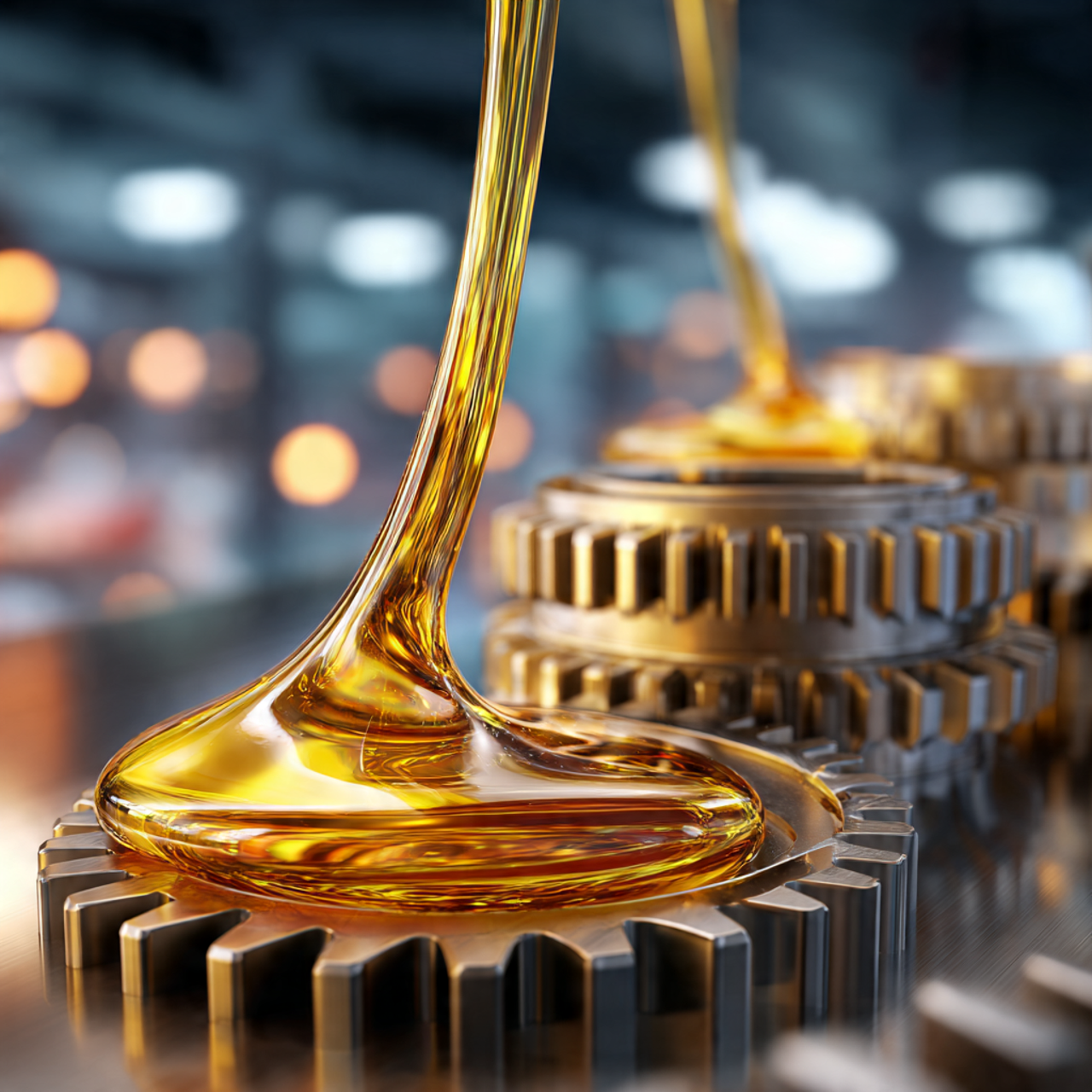
Industrial and automotive lubricants are highly specialized chemical mixtures engineered to manipulate the physical interfaces of moving machine components. At their core, these finished formulations are designed to control friction, dissipate heat, prevent oxidation, suspend combustion residues, and prevent mechanical wear under extreme loads. Successful formulation design requires a thorough grasp of tribology regimes, base oil chemical molecular structures, polymer viscometrics, and advanced chemical additive interaction kinetics.
Table of Tribology & Lubricant Science Topics
- 1. Tribology Regimes & Stribeck Curve Kinetics
- 2. Base Oils: Groups I-V Chemical Characterization
- 3. Viscosity Index Improvers & Polymeric Expansion
- 4. Additives: ZDDP Tribofilms & Reverse Micelle Soot Suspension
- 5. Widescreen Lubricant Product Segment Grid
- 6. Process Engineering: Scaled Compounding & QC Assays
- 7. Regulatory Standards & the EV e-Fluids Paradigm Shift
- 8. Frequently Asked Questions (FAQ)
1. Tribology Regimes: The Physics of Friction & The Stribeck Curve
Tribology is the science of interacting surfaces in relative motion, focusing on friction, wear, and lubrication. The primary goal of a lubricant is to replace high solid-solid dry friction with low fluid-shear friction. The operating states that occur within an engineered contact interface are graphically mapped by the Stribeck Curve, which plots the friction coefficient (f) against the lubrication parameter:
Where η is the dynamic viscosity of the lubricant, N is the relative rotational speed of the surfaces, and P is the normal load per unit length. The Stribeck Curve transitions through three distinct lubrication regimes:
- Boundary Lubrication: Under high loads, low speeds, or low fluid viscosity, the fluid film collapses, allowing surface asperities to make direct contact. Here, the coefficient of friction is high (f ≈ 0.1 - 0.3), and wear prevention depends entirely on chemical additives forming protective tribofilms.
- Mixed Lubrication: As speed increases, a partial fluid film forms, supporting a portion of the load while some high asperities still contact. The friction coefficient drops significantly.
- Hydrodynamic Lubrication: At high speeds and moderate loads, the dynamic motion draws the fluid into the contact zone, creating a continuous hydrodynamic wedge that completely separates the solid surfaces. Here, no solid contact occurs, wear is virtually eliminated, and the friction coefficient is minimized, governed solely by the fluid's shear resistance described by the Reynolds Equation:
2. Base Oils: Chemical Characterization & API Classifications
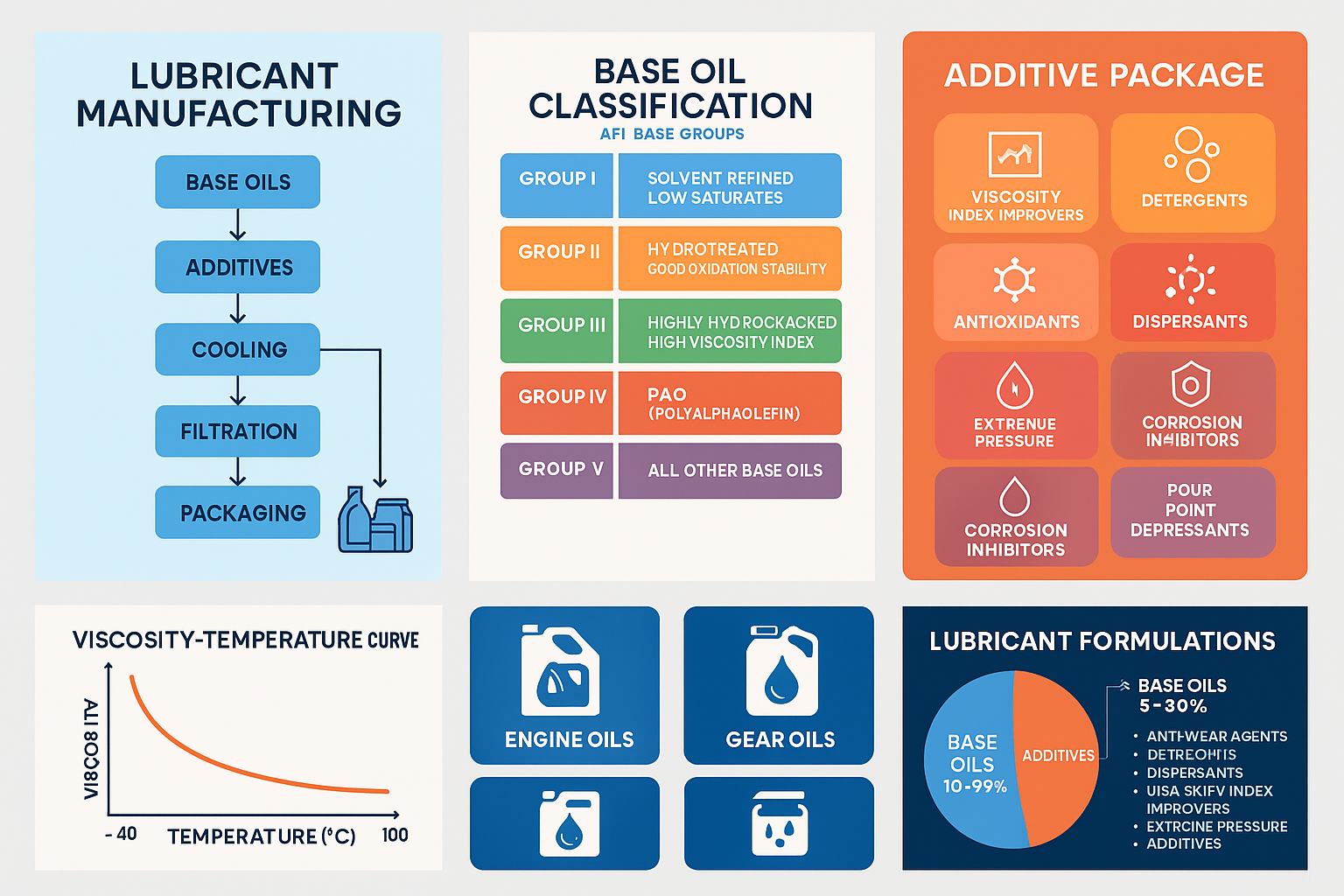
Base oils serve as the fundamental liquid carrier and backbone of finished lubricants, generally representing 70% to 99% of the finished product's weight. The physical and chemical nature of the base stock dictates critical performance baselines, such as the fluid's baseline viscosity-temperature relationship, thermal-oxidative degradation limits, low-temperature crystallization characteristics (pour point), and polar additive solubility limits. Selecting the correct base oil chemistry—varying from highly paraffinic mineral structures to polar synthetic esters—is the first crucial decision in engineering a high-performance lubricant.
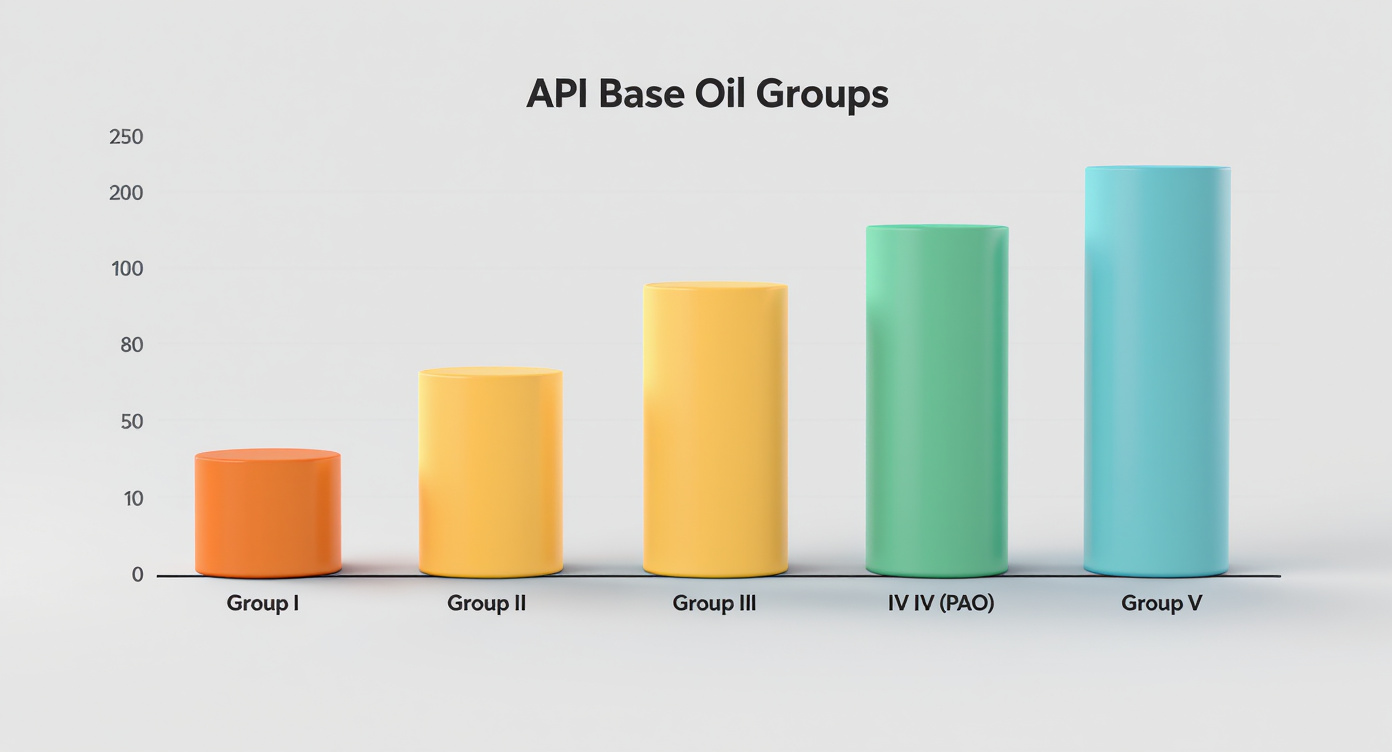
The American Petroleum Institute (API) classifies base oils into five groups based on their refining history, saturate content, sulfur levels, and Viscosity Index (VI):
- Group I (Solvent-Refined Mineral Oils): Prepared via solvent extraction. Saturates are below 90%, sulfur is above 0.03%, and the VI ranges from 80 to 120. These mineral oils contain aromatic rings and wax molecules, providing excellent additive solubility but poor oxidation stability at high temperatures.
- Group II (Hydrotreated Mineral Oils): Processed using hydrogen to saturate double bonds and remove impurities. Saturates exceed 90%, and sulfur is under 0.03%. They offer better thermal stability than Group I, making them the standard choice for modern high-volume engine oils.
- Group III (Severely Hydrocracked / Hydroisomerized Oils): Subjected to severe hydrogen cracking under extreme pressure to isomerize paraffinic waxes into stable branched alkanes. They have a VI above 120 and show low volatility. Many modern high-performance passenger engine oils use Group III oils, marketed as "synthetic."
- Group IV (Polyalphaolefins - PAOs): Pure synthetic hydrocarbons synthesized via the controlled oligomerization of 1-decene, producing uniform, highly branched molecules with no wax or aromatics. They show exceptional shear stability, extremely low pour points, and high oxidative resistance, making them ideal for aerospace and high-end industrial gear oils.
- Group V (Specialty Synthetic Fluids): Includes all chemistries not covered in Groups I–IV. Key types include:
- Esters (Polyol Esters & Diesters): Highly polar synthetic fluids with exceptional thermal stability, outstanding metal wetting properties, and high biodegradability. Often blended with PAOs to improve additive solubility and prevent seal shrinkage.
- Polyalkylene Glycols (PAGs): Offer excellent viscosity profiles and high fire resistance, and degrade cleanly without leaving varnish or solid carbon deposits.
3. Viscosity Index Improvers & Polymeric Coil Dynamics
A major challenge in lubricant engineering is the natural thinning of base oils as temperature increases. Viscosity temperature performance is measured using the Viscosity Index (VI)—a high VI value indicates that the lubricant retains a more stable viscosity across temperature fluctuations.
To maintain a stable viscosity film across operating cycles, formulators incorporate Viscosity Index Improvers (VIIs). These are high-molecular-weight polymers, such as Olefin Copolymers (OCP) or Polymethylmethacrylates (PMA).
3.1 Thermal Polymer Coil Expansion Mechanics
The viscosity-modifying action of VII polymers is governed by temperature-dependent polymer-solvent thermodynamics. Under static conditions, these long macromolecular chains exist in a dynamic balance between intra-chain cohesive forces and solvent-solute interactions. By adjusting the polymer's structural configuration, formulators can dictate how the hydrodynamic volume shifts in response to heat. This physical chemistry of polymer solubility in mineral or synthetic oil fractions operates through two primary temperature-dependent thermodynamic phases:
- At Low Temperatures: The polymer chains are thermodynamically incompatible with the base oil, causing them to coil tightly into compact, localized random globules. Because they are coiled, they present a minimal hydrodynamic volume, allowing the base oil to flow freely at cold temperatures to prevent starvation.
- At High Temperatures: The solvent power of the base oil increases, causing the polymer chains to untangle and expand. The uncoiled, extended polymer chains occupy a much larger hydrodynamic volume, restricting the flow of the surrounding base oil. This thermal expansion counters the natural thinning of the oil, keeping the viscosity film stable to protect parts at high temperatures.
3.2 Shear Thinning and Polymer Degradation
Under high-shear zones (like engine bearings or gear meshes), these large polymer chains align with the flow, temporarily dropping viscosity—a phenomenon known as Temporary Shear Thinning. Over time, extreme shear stresses can physically tear the polymer backbones apart, causing Permanent Shear Thinning and a permanent loss of film thickness. Formulators must choose the right polymer structure and molecular weight to balance thickening efficiency with shear stability.
4. Additives: ZDDP Tribofilms & Reverse Micelle Soot Dispersion
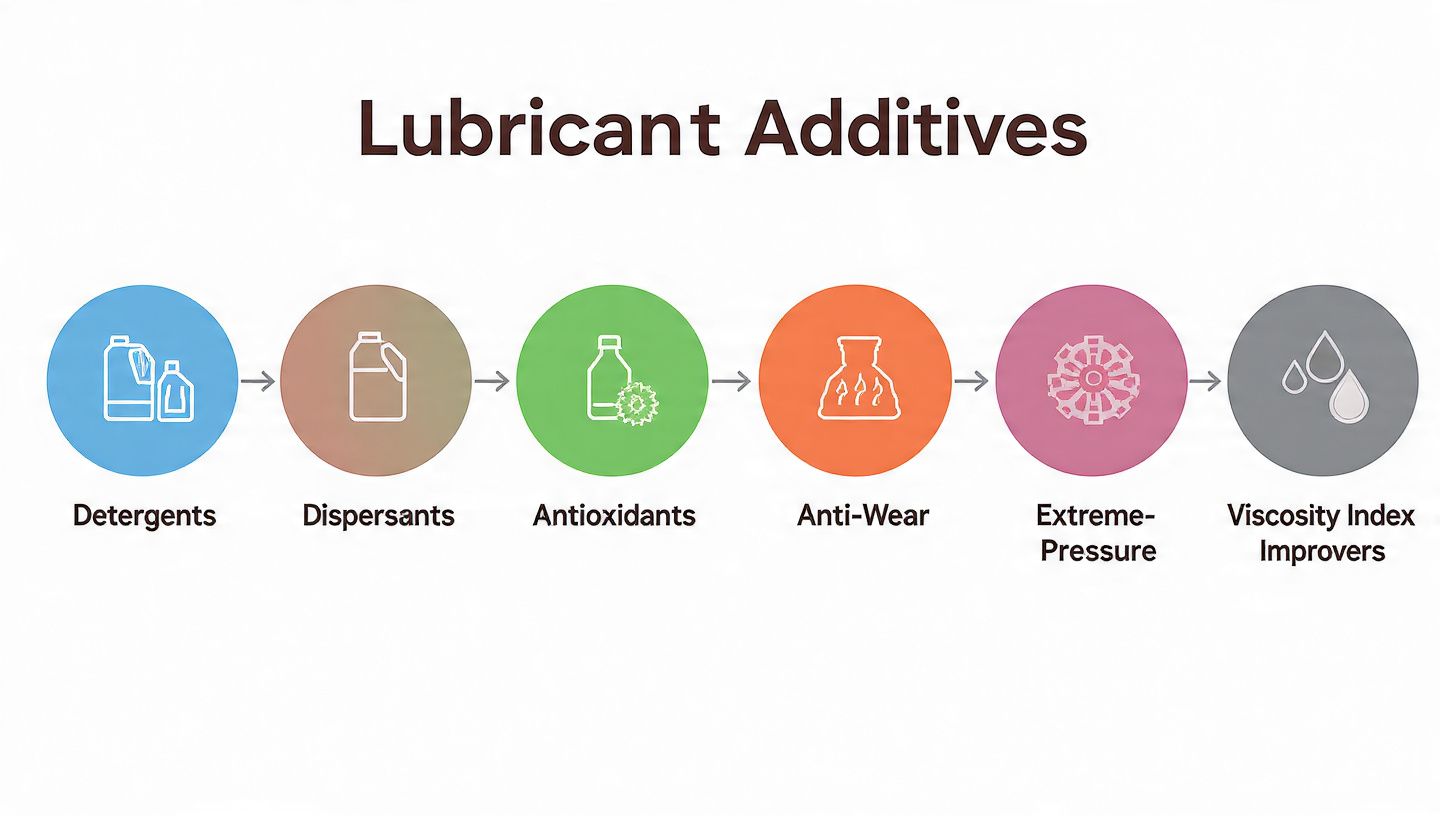
While base oils constitute the majority of a lubricant's volume, finished performance is almost entirely defined by the chemical synergy of the additive chemistry package. Functional additives are specialized chemical compounds introduced at precise treat rates to enhance the base oil's inherent physical characteristics, protect metallic surface boundaries from wear, and extend the service life of both the machine and the fluid. These additives operate through complex interfacial mechanisms, including chemical adsorption, competitive surface binding, reverse micelle formation, and temperature-activated tribochemical surface reactions.
4.1 ZDDP Anti-Wear Glassy Tribofilm Kinetics
Zinc Dialkyldithiophosphate (ZDDP) is the most widely used anti-wear and antioxidant additive in industrial crankcase history. ZDDP is a polar molecule that adsorbs onto steel surfaces. Under the high temperatures and pressures of boundary lubrication, the adsorbed ZDDP molecules undergo thermal and mechanical breakdown:
This reaction forms a sacrificial, amorphous glassy polyphosphate film on the metal surface. The film acts as a cushion, keeping the metal surfaces from contacting directly and preventing wear under high mechanical loads.
4.2 Detergents, Dispersants & Reverse Micelles
Internal combustion engines and high-temperature industrial systems generate significant quantities of carbonaceous soot, acidic combustion byproducts, and partially oxidized fuel residues. Without robust surface-active stabilization, these hydrophobic contaminants rapidly agglomerate into macroscopic sludge deposits, blocking oil galleries and accelerating abrasive engines wear. To prevent this, modern formulations employ a dual-action system of highly alkaline metal detergents to neutralize corrosive acids and polar polymeric dispersants to isolate particulate soot:
- Detergents (Calcium/Magnesium Sulfonates or Phenates): These are highly basic, overbased molecules containing calcium carbonate cores. They travel to metal surfaces to neutralize acidic combustion byproducts, preventing corrosive wear.
- Dispersants (Polyisobutylene Succinimide - PIB-Succinimide): These molecules feature a polar, nitrogen-rich head group and a long, oil-soluble hydrocarbon tail. The polar heads adsorb onto soot particles, while the tails extend out into the base oil. This alignment forms stable reverse micelles that suspend soot particles via steric hindrance, preventing them from grouping together into sludge.
Seeking high-performance, custom-tailored lubricant formulations?
Get access to professionally audited, commercially proven formulations for synthetic engine oils, industrial hydraulic fluids, and specialty metalworking coolants designed for your production lines.
Explore Specialty Lubricant Formulations5. Lubricant Product Segments & Chemical Specifications
Industrial and automotive lubricants are highly customized chemical mixtures tailored to survive in their unique operating environments. Performance engineering requires balancing the base oil's physical characteristics with the additive pack's chemical activities to meet rigorous industry standards (e.g., SAE, ISO VG, API, ACEA, and AGMA classifications). To assist chemical engineers and plant operators in selecting the optimal fluid configuration, the comprehensive technical grid below outlines the baseline properties, international specifications, and primary formulation challenges across six major lubricant categories.
5.1 Passenger Engine Oils (PVL)
SAE 0W-20Key Specs: API SP, ACEA C3, ILSAC GF-6, low viscosity base oils.
Application & Challenge: Designed for fuel efficiency and wear protection. The main challenge is reducing sulfur, phosphorus, and ash (SAPS) to prevent poisoning catalytic converters and exhaust aftertreatment systems.
5.2 Heavy Duty Diesel (HDEO)
SAE 15W-40Key Specs: API CK-4, high Total Base Number (TBN > 10), high ash tolerance.
Application & Challenge: Engineered for heavy commercial trucks. Requires robust dispersant systems to suspend high levels of abrasive soot and high alkaline detergents to neutralize combustion acids.
5.3 Hydraulic Fluids
ISO VG 46Key Specs: ISO 11158 HM/HV, DIN 51524, demulsibility & filterability.
Application & Challenge: Transmits power in high-pressure hydraulic pumps. Formulations require excellent shear stability, air-release properties, and rapid water separation to prevent pump cavitation.
5.4 Industrial Gear Oils
ISO VG 220Key Specs: AGMA 9005-E02, DIN 51517 CLP, high sulfur-phosphorus EP load.
Application & Challenge: Protects heavily loaded industrial gearboxes. The key requirement is preventing micro-pitting and surface fatigue under extreme sliding contact and shock loads.
5.5 Metalworking Fluids
Soluble CoolantKey Specs: Emulsion stability, biocide integration, low foaming.
Application & Challenge: Cools and lubricates during metal cutting and forming. Must resist microbial growth without using carcinogenic formaldehyde-releasing biocides.
5.6 Biodegradable Oils
EcolabelKey Specs: OECD 301B biodegradability (>60% in 28 days), non-toxic.
Application & Challenge: Used in marine, agricultural, and forestry operations. Requires synthetic polyol esters or high-oleic vegetable stocks that balance biodegradability with high oxidation stability.
6. Manufacturing Engineering: Scaled Compounding & QC Assays
Compounding finished lubricants is a highly complex process engineering operation that demands absolute precision in temperature regulation, fluid dynamics, and shear controls. Since individual additive components differ drastically in molecular weight, polarity, density, and solubility, improper physical blending can result in poor dispersion, thermodynamic phase separation, or localized thermal degradation of active ingredients. Designing a robust industrial compounding facility requires integrating automated raw material dosing systems, precise temperature profiles, and rigorous in-line quality control testing.
6.1 Compounding and Blending Protocols
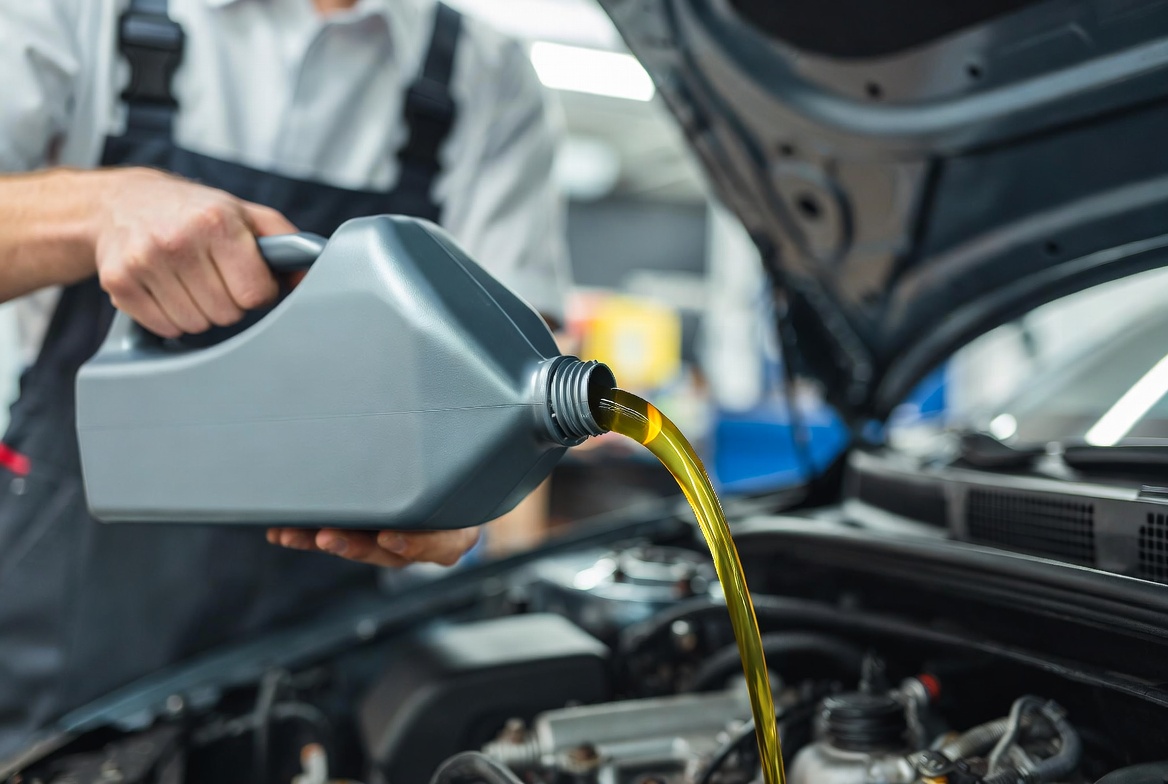
Translating a laboratory-scale lubricant formula into commercial production requires precise process engineering to ensure complete molecular homogeneity and prevent additive phase separation. Compounding facilities typically utilize computer-controlled Automatic Batch Blending (ABB) or continuous In-Line Blending (ILB) systems that precisely regulate flow rates, temperature profiles, and shear inputs. The standardized industrial compounding sequence must be executed systematically to prevent thermal degradation or premature hydrolysis of active additives:
- Base Oil Heating: The base oils are heated to 50–60°C. This temperature reduces the viscosity of the fluid, facilitating efficient molecular blending.
- Polymer Dissolution: Solid polymeric Viscosity Index Improvers (VII) are added to the warm oil under high shear using planetary dispersers, ensuring the polymers dissolve completely without mechanical degradation.
- Additive Package Addition: Additive packages are introduced. The blending sequence is critical—highly volatile or temperature-sensitive additives (such as anti-foam agents) are added last to prevent degradation.
- Micro-Filtration: The finished blend is passed through high-capacity 5–10 micron absolute glass-fiber filters to remove any metallic particulates, dust, or unblended additives.
- Vacuum Stripping & Dehydration: The compound undergoes vacuum dehydration to keep water levels below 100 ppm, preventing the chemical hydrolysis of additives like ZDDP.
6.2 Laboratory Quality Control (QC) Assays
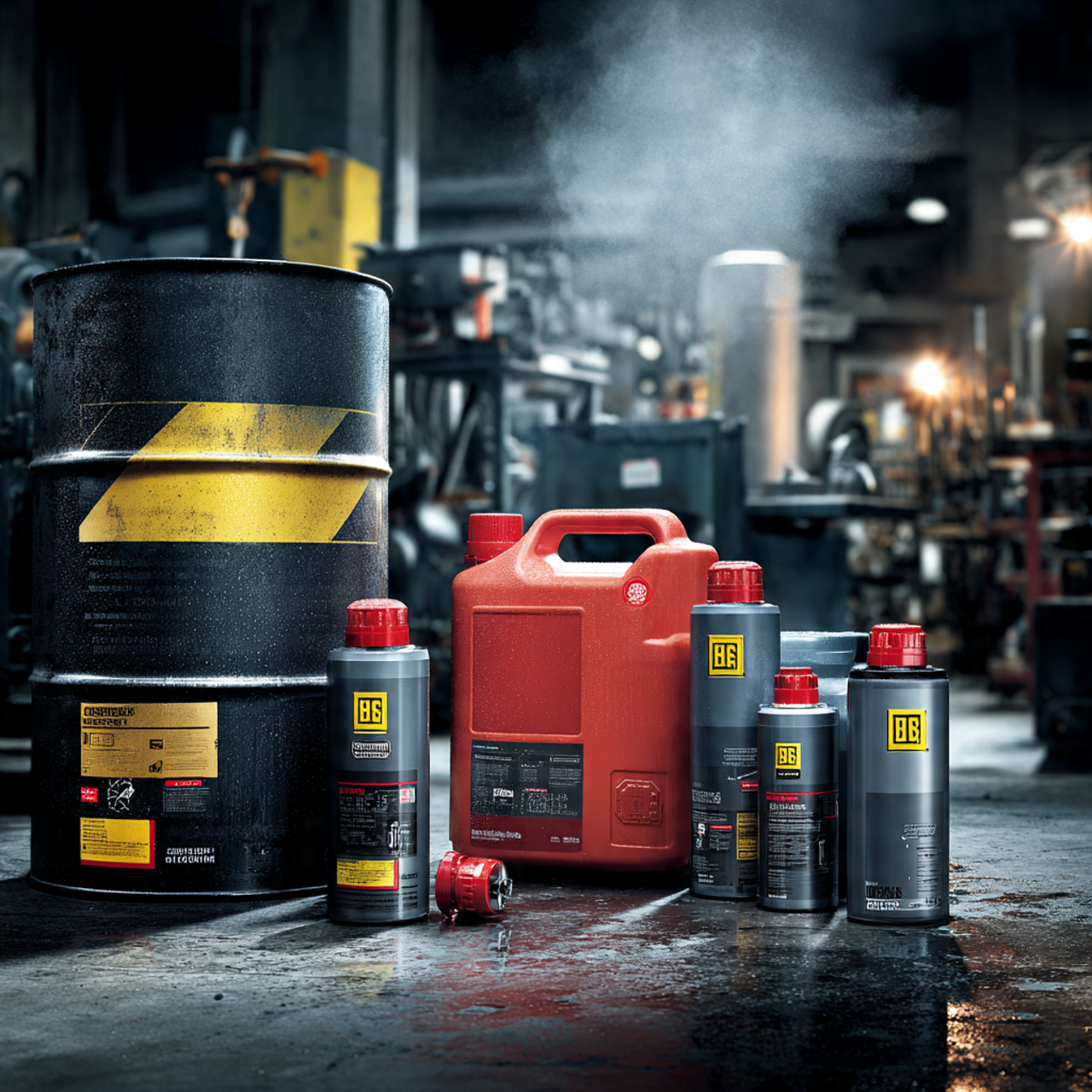
To guarantee compliance with heavy-duty OEM specifications and international standards established by API, SAE, ISO, and ACEA, every manufactured batch of lubricant must undergo a strict quality control validation protocol. Finished fluids are sampled directly from the blending vessel and analyzed via a battery of chemical and physical testing methods in the plant laboratory. Packaging and bulk logistics are only authorized once the batch has been certified as fully conforming to all specification limits:
- Viscometric Analysis (ASTM D445 & D5293): Verifies kinematic viscosity at 40°C and 100°C, and uses a cold-cranking simulator to confirm low-temperature engine cranking performance.
- Total Base Number (ASTM D2896): Measures the reserve alkalinity of the oil to verify detergent concentration and acid-neutralizing capacity.
- Flash Point Analysis (ASTM D92): Determines the flammability threshold to confirm the absence of light fuel fractions or low-boiling contaminations.
- ICP-AES Elemental Analysis: Uses emission spectroscopy to verify the exact concentration of key additive elements, such as zinc, phosphorus, calcium, and magnesium.
7. GHS Regulations & The Electric Vehicle (EV) Fluids Paradigm Shift
The global lubricant industry is currently navigating a period of unprecedented change driven by stringent environmental regulations, global chemical restrictions, and the rapid transition toward electrification. Traditional additive elements face heavy restriction due to toxicity and environmental persistence, forcing chemical formulators to seek eco-friendly alternatives that do not compromise performance. Concurrently, the automotive sector is shifting from internal combustion engines to battery electric platforms, introducing unique tribological challenges that render conventional fluid engineering obsolete.
7.1 Regulatory Pressures on Traditional Additives
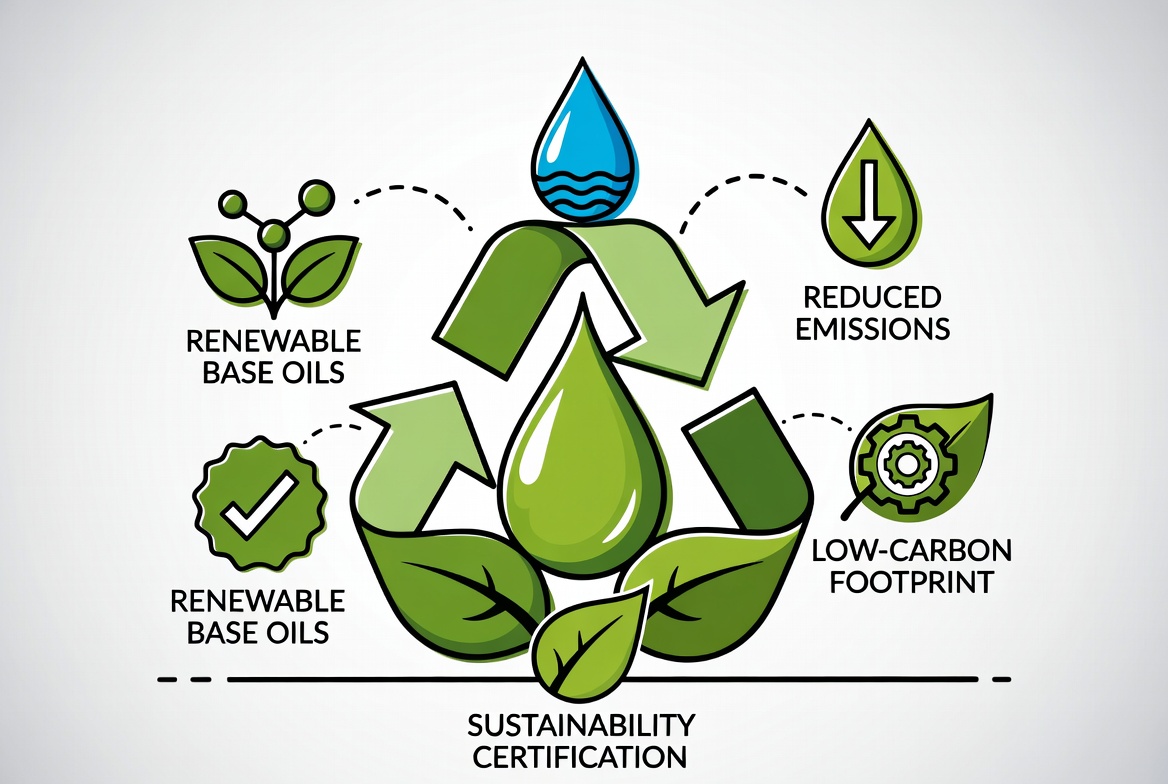
Traditional lubricants contain chemicals that face increasing regulatory scrutiny. For example, GHS and REACH regulations are restricting the use of chlorinated paraffins in heavy-duty metalworking fluids due to environmental toxicity. Additionally, sulfur-phosphorus extreme pressure agents are monitored for aquatic toxicity, driving formulators to design eco-labeled, readily biodegradable options using synthetic polyol esters.
7.2 The EV e-Fluids Paradigm Shift
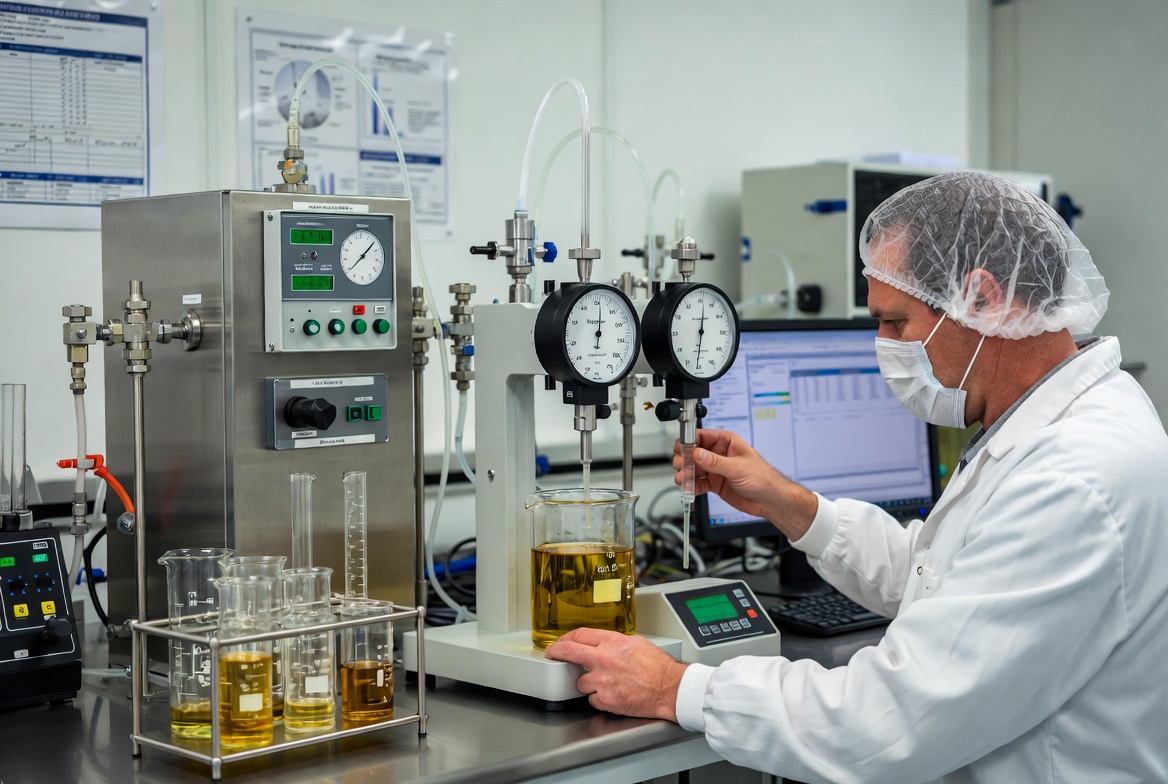
The rapid transition to battery electric vehicles (BEVs) marks the most significant structural shift in modern tribology, rendering traditional high-volume crankcase lubricants obsolete. In an electric drivetrain, the fluid is no longer exposed to fuel dilution or combustion soot, but it must operate in direct contact with high-voltage electrical components and severe thermal loads. Consequently, EV e-fluids are designed using highly specialized synthetic base stocks and additives to meet entirely new multi-functional criteria:
- Dielectric Properties: Traditional engine oils are not designed for electrical insulation. EV e-fluids must possess high electrical resistivity and high dielectric breakdown safety to prevent short circuits in motors.
- Copper Corrosion Protection: Because electric motors contain extensive copper windings, e-fluids must be formulated with specialized copper corrosion inhibitors that remain active at high temperatures.
- Extreme Thermal Conductivity: E-fluids act as heat-transfer media, directly cooling the electric motor and battery pack. This requires low-viscosity, high-conductivity fluids to optimize thermal management.
Frequently Asked Questions (FAQ)
Navigating the selection, processing, and application of modern lubricants requires resolving complex engineering questions across organic chemistry, mechanical design, and chemical regulations. Below are comprehensive, technically detailed answers to the most common questions encountered by plant managers, chemical startups, procurement officers, and design engineers.
1. What is the difference between Groups I, II, and III base oils?
Group I oils are solvent-refined with higher sulfur and lower saturates. Group II oils are hydrotreated for better oxidation stability. Group III oils undergo severe hydrocracking to isomerize waxes into highly stable branched alkanes, providing a viscosity index above 120, and are often marketed as "synthetic."
2. What is ZDDP and how does it protect moving metal surfaces?
ZDDP (Zinc Dialkyldithiophosphate) is an anti-wear and antioxidant additive. Under boundary lubrication heat and shear, it decomposes to form an amorphous zinc/iron polyphosphate glassy tribofilm that prevents direct metal-metal contact.
3. How do Viscosity Index Improvers (VIIs) prevent thinning at high temperatures?
VIIs are high-molecular-weight polymers (such as PMA or OCP). At low temperatures, they remain coiled in compact globules. At high temperatures, the polymer chains expand into the base oil, increasing hydrodynamic volume to counter natural base oil thinning.
4. Why do electric vehicles require different fluids than standard combustion engines?
EVs require specialized e-fluids designed for high electrical resistivity, copper corrosion protection, and high thermal conductivity to cool electric motor windings, whereas traditional engine oils focus primarily on combustion acid neutralization and soot suspension.
5. Where can manufacturers get custom lubricant formulation and process engineering support?
Global Formulation provides complete chemical R&D, GHS-compliant formulations, raw material audits, and turnkey plant process designs. Specialist Absar Khan and our engineering team support factories worldwide in scaling up industrial and commercial lubricants.
Conclusion
Modern lubricant technology is central to industrial operations, enabling fuel efficiency, machinery durability, and high-performance manufacturing. Developing successful formulations requires balancing base oils and functional additives to handle variables like load, temperature, speed, and regulatory compliance.
By adopting synthetic base stocks, optimizing polymer coil dynamics, and transitioning to low-viscosity, high-conductivity EV e-fluids, formulators can meet strict modern standards while delivering efficient, high-performance products.
Scale Your Lubricant Production Globally
Get professionally audited, commercially proven formulations, raw material audits, and process engineering plant setup support from Specialist Consultant Absar Khan.
Email: consulting@globalformulation.com
Phone: +91 9819548320 +91 8169102990
About the Specialist
Absar Khan is the principal consultant and chemical formulation architect at Global Formulation. He specializes in the design, optimization, and scaling of industrial lubricants, polyurethane sealants, aerosol gas-dosing systems, and green, low-VOC polymers. Absar provides turnkey chemical engineering services, hands-on factory plant setups, raw material cost audits, and quality control designs for leading brands globally.
LinkedIn Portfolio: Connect with Absar Khan on LinkedIn