Transdermal Drug Delivery Patch Technology: Permeation Enhancement Strategies
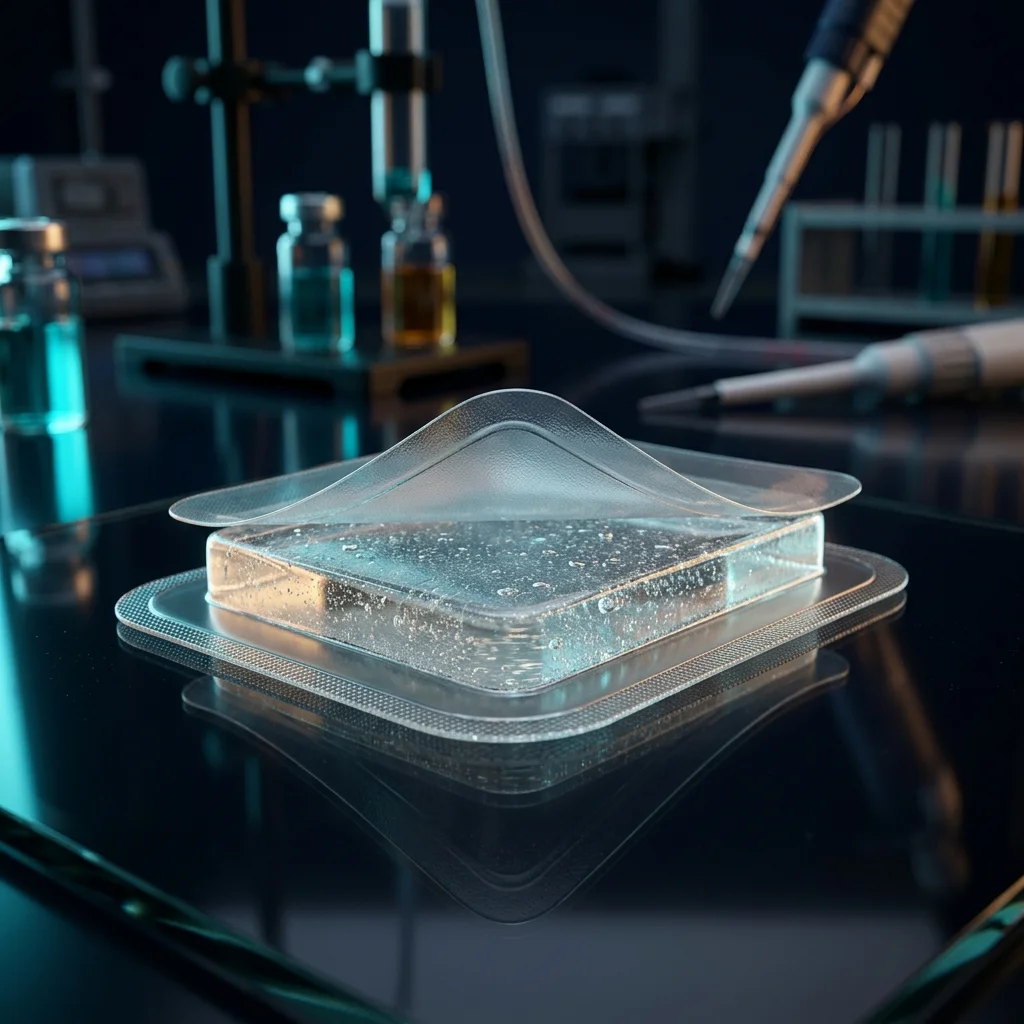
A transdermal drug delivery patch that looks identical to a competitor's product on the shelf can perform completely differently in the body, and the difference almost always traces back to permeation science that was either mastered or ignored at the design stage. Transdermal patches remain one of the most technically demanding dosage forms in pharmaceutical development precisely because they must move an active drug molecule across the single most effective barrier the human body has evolved: the stratum corneum. Get the permeation strategy wrong, and a patch either fails to deliver a therapeutic dose or delivers it so inconsistently that clinical efficacy and regulatory approval both become unreachable. This guide walks through why skin barrier chemistry limits which drugs are even viable candidates for transdermal delivery, how reservoir and matrix patch architectures differ in practice, the chemical and physical enhancement strategies used to move more drug across skin, and the testing protocols that prove a patch actually works before it reaches a regulatory submission. Whether you are evaluating a new molecule for transdermal feasibility or troubleshooting an underperforming patch, these mechanisms give you a working framework for making sound formulation decisions.
The Skin Barrier Challenge and Why It Limits Drug Candidate Selection
Before any patch architecture or enhancement strategy can be considered, a drug candidate must first survive scrutiny against the physicochemical limits the stratum corneum imposes on passive diffusion. This outermost skin layer, composed of flattened, keratin-rich corneocytes embedded in a highly ordered lipid matrix, is remarkably effective at excluding foreign molecules — which is exactly its biological purpose, and exactly what makes transdermal delivery so difficult to engineer around.
Passive transdermal candidates generally need a combination of properties: a molecular weight low enough to diffuse through the tortuous intercellular lipid pathway (typically well under 500 daltons), a log P (octanol-water partition coefficient) in a moderate lipophilic range that allows partitioning into the stratum corneum's lipid matrix while remaining soluble enough to move into the more aqueous viable epidermis beneath it, and sufficient pharmacological potency to be effective at the small absolute doses a patch of practical size can deliver over a multi-day wear period. This narrow window is why the list of drugs successfully commercialized as passive transdermal patches — nicotine, fentanyl, nitroglycerin, scopolamine, and a relatively short list of others — has grown slowly despite decades of pharmaceutical interest in the delivery route.
| Candidate Property | Favorable Range | Why It Matters |
|---|---|---|
| Molecular weight | Generally under ~500 Da | Larger molecules cannot navigate the stratum corneum's intercellular lipid pathway |
| Lipophilicity (log P) | Moderate range, typically 1–3 | Must partition into lipid matrix yet remain soluble enough to reach viable epidermis |
| Potency / daily dose | Low milligram range or less | Passive diffusion delivers limited total drug quantity over a practical wear period |
| Melting point | Lower melting points favor higher skin flux | Correlates with thermodynamic activity available to drive diffusion |
Recognizing these constraints early prevents a common and costly mistake: attempting to force an unsuitable molecule into a transdermal format through formulation alone, when the fundamental barrier limitation calls for either a different delivery route or an active enhancement technology capable of overcoming passive diffusion limits altogether.
Reservoir vs Matrix Patch Design: Structural Tradeoffs
Once a candidate molecule clears the feasibility bar, the next major design decision is patch architecture — specifically, whether the drug is held in a discrete reservoir compartment or dispersed directly within an adhesive matrix. This choice has cascading effects on manufacturing complexity, release-rate control, and even the safety profile of the finished product.

A reservoir patch design contains the drug dissolved or suspended in a liquid or gel compartment, physically separated from the skin by a rate-controlling polymer membrane that governs release independently of the skin's own variable permeability, allowing formulators to target precise zero-order (constant-rate) release kinetics. The tradeoff is manufacturing complexity and a safety consideration: if the membrane or patch backing is damaged, the concentrated reservoir can leak or dose-dump rapidly, which is why reservoir systems generally require more robust construction and packaging integrity testing than simpler alternatives.
A matrix, or drug-in-adhesive, patch instead disperses the drug directly within the pressure-sensitive adhesive layer that contacts the skin, relying on the combined diffusional resistance of the polymer matrix and the skin itself to control release rate. This design has become the dominant architecture in modern transdermal products because it produces a thinner, more comfortable, and less expensive patch with a substantially lower dose-dumping risk, since there is no concentrated liquid compartment to breach.
- Reservoir design — Precise, membrane-controlled release rate; more complex manufacturing; higher dose-dumping risk if damaged
- Matrix/drug-in-adhesive design — Simpler, thinner construction; release governed by matrix and skin combined; lower leak risk
- Multi-layer matrix — Combines a drug-loaded layer with a separate adhesive layer, allowing independent optimization of drug release and skin adhesion
Choosing between these architectures early shapes every downstream formulation decision, from adhesive selection to permeation enhancer compatibility, which is why patch architecture should be settled before detailed formulation optimization begins rather than revisited midway through development.
Chemical Permeation Enhancement: How Enhancers Move Drug Across Skin
Even a well-selected drug candidate often needs help crossing the stratum corneum at a therapeutically meaningful rate, which is where chemical permeation enhancers become central to transdermal formulation. Understanding the distinct mechanisms different enhancer classes use clarifies why enhancer selection is drug-specific rather than a generic formulation add-on.
Fatty acid and fatty alcohol enhancers, such as oleic acid, work by intercalating into the stratum corneum's highly ordered intercellular lipid bilayers, increasing lipid fluidity and creating transient diffusional pathways that would not otherwise exist in intact, undisturbed skin. Solvent-type enhancers including propylene glycol and ethanol can extract lipid components from the stratum corneum or, in some cases, act primarily by increasing the drug's own solubility and thermodynamic activity within the formulation vehicle, which increases the concentration gradient driving passive diffusion into the skin. Surfactant-based enhancers interact with both lipid and protein components of the barrier simultaneously, offering a broader but sometimes less selective mechanism of action.
| Enhancer Class | Primary Mechanism | Formulation Consideration |
|---|---|---|
| Fatty acids/alcohols (e.g. oleic acid) | Disrupts stratum corneum lipid bilayer ordering | Effective for many lipophilic drugs; irritation potential varies by concentration |
| Glycols (e.g. propylene glycol) | Lipid extraction; increases drug thermodynamic activity | Often used synergistically alongside a second enhancer class |
| Terpenes | Disrupts lipid packing; generally lower irritation than some fatty acids | Effectiveness is highly structure-dependent per drug molecule |
| Surfactants | Interacts with both lipid and keratin protein domains | Broader mechanism; irritation risk requires careful concentration control |
Because enhancer performance is so molecule-specific, permeation enhancement strategy cannot be selected from a generic formulation playbook — it requires direct experimental screening against the target drug, which sets up the testing and validation methods covered later in this guide.
Physical Enhancement Technologies Expanding What Transdermal Delivery Can Achieve
Chemical enhancement alone cannot overcome the stratum corneum's barrier for every therapeutically important molecule, which is why physical enhancement technologies have become an increasingly active area of transdermal development, particularly for larger molecules that passive diffusion simply cannot move across intact skin.
Microneedle array technology creates microscopic channels through the stratum corneum using arrays of solid, coated, dissolving, or hollow microneedles, physically bypassing the barrier rather than attempting to modify its permeability chemically. This approach has opened the door to transdermal delivery of larger molecules, including certain peptides and vaccine antigens, that would be entirely excluded by passive diffusion regardless of chemical enhancer strategy. Iontophoresis uses a small, controlled electrical current applied across the skin to drive charged drug molecules through existing skin appendages and micro-pathways, offering a delivery rate that can be modulated in real time rather than fixed entirely by passive formulation design. Sonophoresis, which uses low-frequency ultrasound to temporarily disrupt stratum corneum lipid organization, represents a further physical enhancement approach with its own device and formulation integration requirements.
- Microneedle arrays — Bypass the stratum corneum directly; enables delivery of larger molecules including some peptides
- Iontophoresis — Electrical current drives charged drug molecules across skin; supports controllable, adjustable delivery rate
- Sonophoresis — Low-frequency ultrasound temporarily increases stratum corneum permeability
- Electroporation — Brief high-voltage pulses create transient aqueous pathways through skin lipid bilayers
Each physical technology introduces device-development, manufacturing, and regulatory complexity well beyond that of a simple adhesive patch, meaning the decision to pursue physical over chemical enhancement is driven by the target molecule's properties and the clinical delivery profile required, not by physical technology being inherently superior in every case.
Adhesive Selection and Formulation Challenges in Patch Development
A transdermal patch must remain securely adhered to skin for its entire labeled wear period — often 24 hours to a full week — while simultaneously delivering a consistent drug dose and avoiding unacceptable skin irritation, and reconciling all three requirements within a single adhesive system is one of the more underappreciated challenges in transdermal formulation.
Pressure-sensitive adhesives used in transdermal patches, typically based on polyisobutylene, silicone, or acrylate polymer chemistries, must maintain adequate tack and peel strength across a wide range of skin types, activity levels, and environmental humidity without causing excessive irritation or leaving significant residue on removal. Complicating this further, many permeation enhancers and even the drug itself can interact with the adhesive polymer, altering its cohesive strength, crystallizing out over the product's shelf life (a phenomenon known as "cold flow" or drug recrystallization), or migrating unevenly through a multi-layer patch construction. Formulators must therefore validate adhesive compatibility with the full formulation — not the adhesive alone — across the product's intended shelf life and storage conditions.
As explored in our guide to nasal and pulmonary drug delivery formulation, alternative non-oral routes each carry their own device-formulation interdependencies that must be validated as a complete system rather than as isolated components, and transdermal patches are no exception to this principle.
Solving adhesive compatibility issues early, through accelerated stability testing that specifically screens for recrystallization and cold flow, prevents a scenario where a patch performs well in early feasibility testing but fails during the extended stability program required for regulatory submission.
Testing and Validation Methods for Transdermal Patch Performance
No transdermal formulation strategy is complete without rigorous, quantitative proof that the finished patch delivers drug at the intended rate, since permeation performance cannot be reliably predicted from formulation composition alone. A validated testing program is what separates an evidence-based transdermal candidate from an untested formulation hypothesis.
- In-vitro permeation testing (IVPT) — Franz diffusion cells with excised human or animal skin, or a validated synthetic membrane, quantify cumulative drug permeation over time and generate the core permeation profile used for formulation comparison
- Adhesion testing — Peel strength, tack, and shear (cold flow resistance) testing confirm the patch stays affixed for its full labeled wear period without excessive residue
- Content uniformity analysis — Confirms consistent drug loading across the manufactured patch lot, critical for dose reliability
- Physical stability testing — Temperature and humidity-controlled stability studies specifically screen for drug recrystallization and adhesive cold flow over the product's shelf life
- Dermal safety and sensitization testing — Confirms the finished patch, including all excipients and enhancers together, meets acceptable irritation and sensitization thresholds
- In-vivo pharmacokinetic bridging studies — Confirms that in-vitro permeation data translates to the expected systemic drug exposure in humans, typically required for regulatory approval
Building this testing program around the specific failure modes transdermal patches are known to exhibit — rather than applying a generic dosage-form testing checklist — gives formulators the evidence needed to move confidently from feasibility into a regulatory submission with a defensible data package.
Regulatory Pathway Considerations for Transdermal Drug Products
Transdermal patches are regulated as drug products rather than cosmetic or medical device products in most major markets, which brings a substantially higher evidentiary bar than the topical cosmetic formulations covered elsewhere on this site, and brands entering this space should plan for that regulatory weight from the outset.
In the United States, transdermal drug products require an approved New Drug Application (NDA) or Abbreviated New Drug Application (ANDA) through the FDA, with the agency's published guidance specifically addressing in-vitro permeation testing methodology, adhesion performance criteria, and the bioequivalence standards generic transdermal products must meet relative to a reference listed drug. The International Council for Harmonisation (ICH) provides globally harmonized quality guidelines relevant to stability testing and specification standards that apply to transdermal products alongside other dosage forms, and pharmacopeial standards from bodies such as the United States Pharmacopeia (USP) define specific test methods for adhesion and drug release applicable to transdermal systems.
Because transdermal products sit at the intersection of pharmaceutical formulation, materials science, and device-like adhesive performance, brands developing in this space benefit from regulatory strategy input running in parallel with formulation work, rather than treating regulatory review as a final gate applied only once formulation is complete.
Frequently Asked Questions
Why can't every drug be formulated as a transdermal patch?
The stratum corneum is an extremely effective barrier, and only molecules with a specific combination of physicochemical properties can cross it in therapeutically useful quantities. Suitable drug candidates generally need a low molecular weight (typically under roughly 500 daltons), moderate lipophilicity to partition into the stratum corneum's lipid matrix while still being soluble enough to move into the aqueous viable epidermis, and sufficient potency to be effective at the small doses that passive diffusion through skin can deliver over a practical patch-wear period.
Drugs that are highly polar, very large (such as most protein and peptide therapeutics), or that require a high daily dose are generally poor candidates for passive transdermal delivery without more advanced permeation-enhancement or active delivery technology.
What is the real difference between a reservoir patch and a matrix patch?
A reservoir patch contains the drug in a discrete liquid or gel compartment separated from the skin by a rate-controlling membrane that governs the release rate independently of the skin's own permeability, giving formulators precise control over zero-order release kinetics. A matrix patch instead disperses the drug directly within an adhesive polymer layer that contacts the skin, relying on the combined diffusional resistance of the matrix and the skin itself to control release, which generally results in a simpler, thinner, and less expensive construction.
Reservoir designs were more common in early transdermal products, but matrix and drug-in-adhesive designs now dominate commercial development because they are thinner, more cosmetically acceptable, and carry a lower risk of dose-dumping if the patch is damaged, since there is no concentrated liquid reservoir that can leak.
How do chemical permeation enhancers actually work?
Chemical permeation enhancers work through several distinct, well-characterized mechanisms depending on their chemical class. Fatty acid and fatty alcohol enhancers such as oleic acid intercalate into and disrupt the highly ordered lipid bilayers of the stratum corneum, increasing lipid fluidity and creating transient pathways for drug diffusion. Solvent-type enhancers like propylene glycol and ethanol can extract lipids from the stratum corneum or alter the drug's own solubility and partitioning behavior within the skin.
Surfactant-based enhancers interact with both the lipid and protein components of the stratum corneum, while some enhancers work primarily by increasing the thermodynamic activity or solubility of the drug within the vehicle itself, increasing the concentration gradient that drives passive diffusion. Enhancer selection is drug-specific, since a mechanism that works well for one molecule can be ineffective or unnecessarily irritating for another.
Are physical enhancement technologies like microneedles and iontophoresis replacing chemical enhancers?
Physical enhancement technologies are expanding what transdermal delivery can achieve rather than replacing chemical enhancement outright, and the two approaches are frequently complementary rather than competing. Microneedle arrays create microscopic channels through the stratum corneum, bypassing its barrier function directly and enabling delivery of larger molecules, including some peptides and vaccines, that passive diffusion could never move across intact skin.
Iontophoresis uses a small electrical current to drive charged drug molecules across the skin and can provide more controllable, on-demand dosing than passive diffusion alone. Each physical technology carries its own device-development, manufacturing, and regulatory complexity beyond that of a simple adhesive patch, so the choice between chemical enhancement, physical enhancement, or a combination depends on the target molecule's properties and the clinical delivery profile required.
What causes skin irritation under a transdermal patch, and can it be formulated away entirely?
Irritation under a transdermal patch typically arises from a combination of factors: occlusion of the skin surface that increases local hydration and can amplify irritant penetration, the chemical irritation potential of permeation enhancers themselves, sensitivity to the pressure-sensitive adhesive's polymer or tackifier components, and mechanical stress from repeated application and removal at the same site.
Formulators reduce irritation risk by selecting the mildest effective enhancer at the lowest functional concentration, choosing adhesives with documented low sensitization potential, and recommending application-site rotation in product labeling. Complete elimination of irritation risk is rarely achievable for every user given individual variation in skin sensitivity, which is why dermal safety and sensitization testing on the finished patch — not just the individual excipients — is a required part of transdermal product development.
How is transdermal patch performance actually verified during development?
Transdermal patch development relies heavily on in-vitro permeation testing (IVPT) using Franz diffusion cells, in which excised human or animal skin (or a validated synthetic membrane) separates a donor compartment containing the patch from a receptor compartment that is sampled over time to quantify cumulative drug permeation. This data generates a permeation profile used to model expected in-vivo absorption and to compare formulation variants before committing to costly clinical studies.
Beyond permeation testing, patches undergo adhesion testing (peel and tack strength, cold flow assessment), physical stability testing across temperature and humidity conditions, and content uniformity analysis to confirm consistent drug loading across the manufactured lot. Regulatory submissions for transdermal products typically also require in-vivo pharmacokinetic bridging studies to confirm that in-vitro permeation data translates to the expected systemic exposure in humans.
When should a pharmaceutical brand bring in a formulation consultant for a transdermal product?
A formulation consultant adds the most value at three stages of transdermal development. First, during feasibility assessment, where the drug's physicochemical properties are evaluated against passive permeation limits to determine whether a patch is even viable, or whether permeation enhancement or physical delivery technology will be required. Second, during patch design, where adhesive selection, matrix versus reservoir architecture, and permeation enhancer strategy must be reconciled with dose requirements, wear-time targets, and irritation risk.
Third, during in-vitro permeation testing and stability program design, where Franz cell protocols, analytical methods, and accelerated stability studies must be structured to generate data that will withstand regulatory scrutiny. Engaging a consultant with transdermal-specific experience early avoids the common outcome of discovering a drug candidate's permeation profile is inadequate only after significant formulation work has already been invested.
Developing a Transdermal Drug Product?
Global Formulation provides pharmaceutical formulation consultancy, permeation enhancement strategy, in-vitro testing program design, and regulatory guidance for transdermal drug developers worldwide.
Talk to Our Formulation Team