Aerosol Manufacturing 101: Formulation & Safety Guide

Aerosol products are among the most technically sophisticated packaging systems used in modern consumer and industrial chemistry. From pharmaceutical inhalers and cosmetic deodorants to high-performance automotive penetrants and whipped cream, aerosols enable precise dosage, physical protection from external contamination, and excellent product shelf life. Behind every successful aerosol product is a tightly engineered system combining physical chemistry, mechanical process engineering, propellant thermodynamics, and advanced safety designs.
Guide Contents
1. Industry Overview: Why Aerosols Remain a Precision Delivery System
The global aerosol manufacturing market is a highly specialized sector driven by demands for convenience, hygiene, and precise chemical distribution. Unlike standard pump spray bottles or squeeze packages, aerosols operate under continuous, controlled internal pressure. This makes them ideal for medical inhalers, volatile lubricants, and sterile pharmaceutical formulations that must remain isolated from air, moisture, and microbial contact.
Aerosol systems offer a major performance advantage by preventing the backflow of atmospheric contaminants into the canister. Because the active ingredient is sealed within a pressurized barrier, it remains protected from oxidation and degradation over years of storage. For entrepreneurs and investors, entering the aerosol sector represents a high-margin opportunity, but demands strict alignment with process safety and thermodynamic design.
Furthermore, aerosol technologies are rapidly adapting to modern environmental mandates. Following the phase-out of ozone-depleting chlorofluorocarbons (CFCs) under the Montreal Protocol, manufacturers transitioned to eco-friendly liquefied petroleum gases (LPGs) and compressed gases like nitrogen and carbon dioxide. Understanding how to match these propellants to specific product formulations is the primary key to achieving commercial scale-up success — see our related guide on aerosol sunscreen production, where propellant selection interacts directly with UV filter chemistry.
- Absolute Contamination Control: Active product concentrate is never exposed to ambient air or moisture.
- Predictive Atomization: Consistent discharge rate, spray pattern, and droplet size distributions.
- High Barrier to Entry: Requires specialized, explosion-proof plant infrastructure and regulatory licensing.
- Diverse Applications: Core sectors include personal care, pharmaceuticals, automotive coatings, and household cleaners.
- Sustainability Focus: Transitioning toward low-GWP propellants and fully recyclable aluminum/tinplate cans.
2. The Anatomy of an Aerosol System
An aerosol can is not simply a pressurized container; it is a five-component mechanical system engineered to operate under continuous chemical and physical stress. Every element—from the protective interior lacquer of the can to the elastic polymers in the valve gasket—must be compatible with the product concentrate and propellant blend to prevent physical degradation or pressure loss over time.
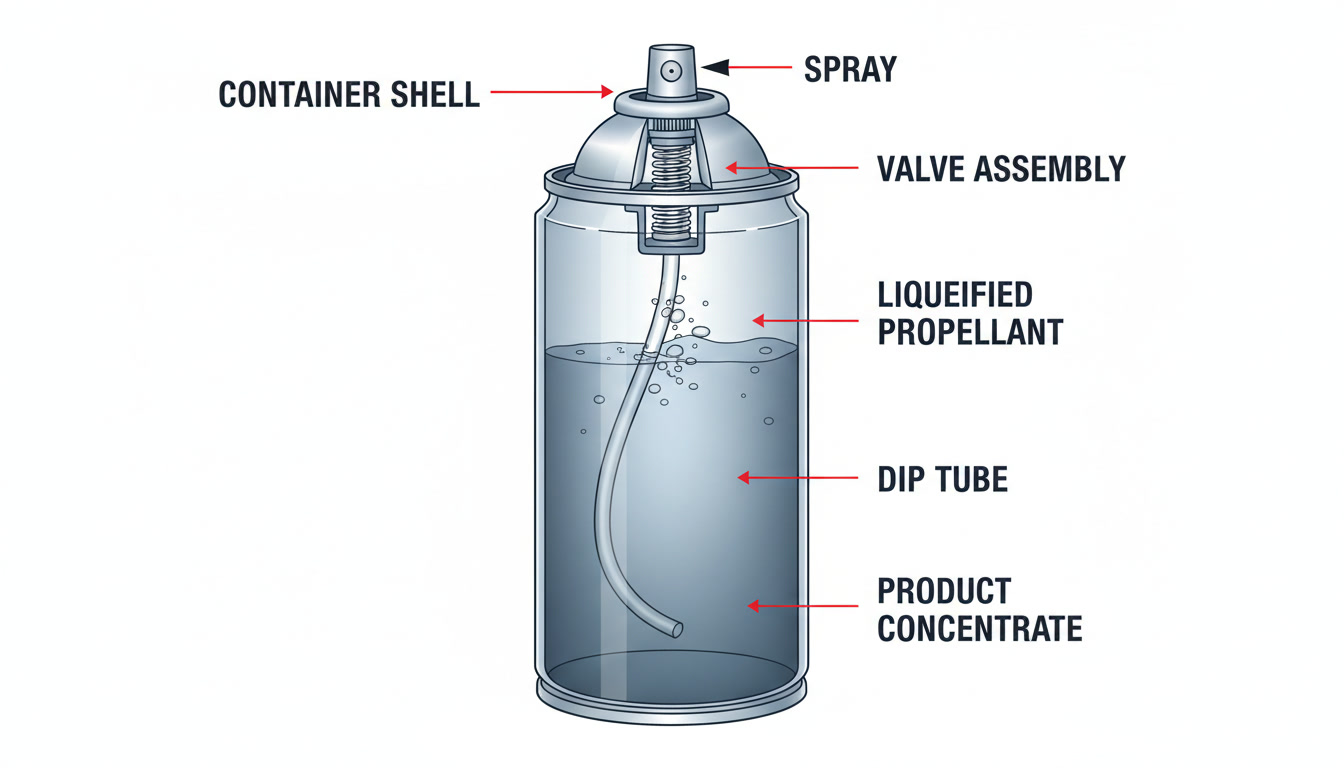
The five core components of any standard aerosol system are:
- Product Concentrate: The active liquid formulation containing dissolved actives, solvents, corrosion inhibitors, or therapeutic agents.
- Propellant: The driving force that expels the product and dictates the internal pressure curve of the package.
- Container: A pressure vessel engineered from tinplate steel, aluminum, or PET, designed to safely withstand internal pressures up to 18 bar.
- Valve: The mechanical gateway containing precision orifices and springs that regulate flow rate, dip tube pick-up, and seal integrity.
- Actuator: The nozzle that translates fluid kinetic energy into the required spray geometry, mist, foam, or targeted stream.
3. Technical Core: Understanding Aerosol Formulation and Chemistry
Aerosol chemistry is a multiphase engineering discipline that operates at the boundary of fluid mechanics and thermodynamics. Unlike standard liquid formulations, aerosol chemists must calculate how propellants dissolve into active solvents, how internal pressure changes with temperature fluctuations, and how liquid streams break up into fine droplets upon exiting the nozzle.
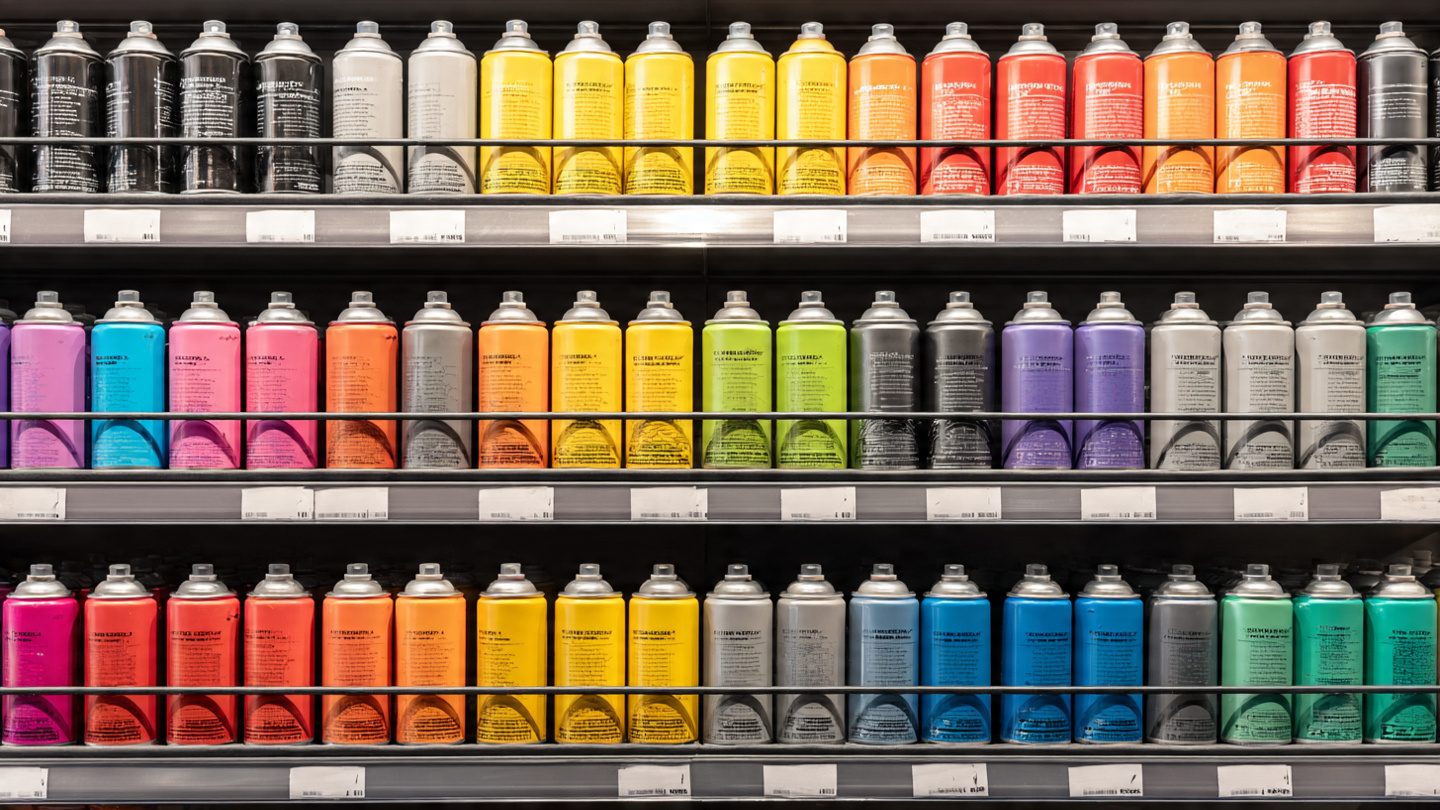
3.1 Propellant Thermodynamics and Raoult's Law
Liquefied propellants (such as propane, n-butane, isobutane, and dimethyl ether) exist in a state of thermodynamic phase equilibrium inside the container. Part of the propellant is dissolved in the liquid phase, while the remainder vaporizes to occupy the headspace. As the product is expelled, the headspace volume increases, causing liquid propellant to vaporize instantly to restore the equilibrium vapor pressure.
The total vapor pressure inside the canister is governed by Raoult's Law and Dalton's Law of Partial Pressures:
Where:
- Ptotal is the total equilibrium pressure inside the aerosol can.
- xpropellant and xsolvent are the mole fractions of the propellant and solvent in the liquid mixture, respectively.
- P°propellant and P°solvent are the pure vapor pressures of the propellant and solvent at the operating temperature.
This equilibrium is critical because it ensures a constant spray pressure throughout the entire life of the can. If compressed gases (like nitrogen) are used instead, the gas does not liquefy, leading to a steady decrease in headspace pressure (Ptotal) as product is discharged.
3.2 Spray Atomization and Weber Number Dynamics
The transition of a pressurized liquid stream into a fine mist or aerosol cloud is governed by aerodynamic forces breaking up the liquid sheet at the actuator nozzle. This fluid dynamics process is quantified by the dimensionless Weber Number (We):
Where:
- We is the Weber Number, determining the ratio of disruptive aerodynamic forces to stabilizing surface tension forces.
- ρ is the density of the discharged aerosol liquid phase.
- v is the velocity of the liquid stream exiting the nozzle orifice.
- d is the diameter of the actuator nozzle orifice.
- σ is the surface tension of the liquid formulation.
A high Weber Number ($We > 100$) indicates that disruptive forces dominate, leading to fine, rapid droplet atomization. Aerosol engineers optimize this by adjusting the propellant-to-solvent ratio, reducing surface tension ($\sigma$) via surfactants, and utilizing vapor-tap valves that inject gasses directly into the discharge flow to accelerate stream velocity ($v$).
4. Technical Engineering Tables: Propellants, Pressures, and Quality Control
Designing a high-performance aerosol system requires precise matching of thermodynamic, material, and quality control specifications. Below are the standard reference tables detailing propellant physical properties, internal pressures, valve configurations, container limits, and mandatory quality checks required in professional aerosol plants.
Table 1: Common Aerosol Propellants – Physical & Safety Properties
| Propellant | Chemical Formula | Type | Vapor Pressure at 25°C | Flammability | Primary Applications |
|---|---|---|---|---|---|
| Propane | C₃H₈ | Liquefied Gas | ~8.4 bar | Highly Flammable | Paints, coatings, solvent sprays |
| n-Butane | C₄H₁₀ | Liquefied Gas | ~2.1 bar | Highly Flammable | Deodorants, shaving foams |
| Isobutane | C₄H₁₀ | Liquefied Gas | ~3.1 bar | Highly Flammable | Cosmetic and personal care sprays |
| Dimethyl Ether (DME) | CH₃OCH₃ | Liquefied Gas | ~5.2 bar | Flammable | Water-based household & room sprays |
| Carbon Dioxide | CO₂ | Compressed Gas | Gas phase only | Non-Flammable | Industrial penetrants, pharmaceutical sprays |
| Nitrogen | N₂ | Compressed Gas | Gas phase only | Non-Flammable | Sterile pharmaceutical and medical aerosols |
Table 2: Typical Internal Pressure Ranges in Aerosol Cans
| System Design | Propellant Selection | Typical Pressure at 25°C | Pressure Behavior During Use |
|---|---|---|---|
| LPG System | Propane/Butane Blends | 2 – 8 bar | Nearly constant pressure due to vaporization |
| DME System | Pure Dimethyl Ether | 4 – 6 bar | Nearly constant pressure |
| CO₂ System | Carbon Dioxide | 4 – 9 bar | Gradual pressure drop during usage |
| Nitrogen System | Nitrogen Gas | 6 – 12 bar | Continuous linear pressure drop |
Table 3: Common Aerosol Valve Types & Applications
| Valve Category | Flow Control Mechanism | Typical Product Use | Key Technical Feature |
|---|---|---|---|
| Continuous Spray Valve | Fixed orifice size | Deodorants, room sprays, paints | Continuous discharge upon actuation |
| Metered Dose Valve | Precision internal dosage chamber | Pharmaceutical asthma inhalers (MDIs) | Delivers exact micro-litres (e.g. 50 μL) per click |
| Bag-on-Valve (BOV) | Isolated multi-layered bag | Gel creams, food oils, antiseptic sprays | Propellant surrounds the bag, no contact with product |
Table 4: Key Quality Control Tests in Aerosol Manufacturing
| QC Test Name | Purpose & Objective | Testing Frequency | Consequence of Failure |
|---|---|---|---|
| Hydrostatic Burst Test | Confirm container structural pressure limits | Statistical sample per batch | Can explosion and shrapnel hazards |
| Hot Water Bath Leak Test | Force internal gas expansion to check seals | 100% of commercial output | Slow gas leakage, downstream warehouse fire hazard |
| Crimp Dimension Check | Verify correct valve cup crimp depth/diameter | Every hour on production lines | Valve separation, complete pressure loss |
5. Safety and Regulatory Compliance in Aerosol Plants
Aerosol manufacturing is categorized as a high-risk chemical process due to the storage and gassing of explosive hydrocarbon propellants under pressure. Implementing comprehensive engineering safety controls is a mandatory legal requirement. Any failure in hazardous area zoning can lead to plant explosions, severe liability, and loss of operating licenses.
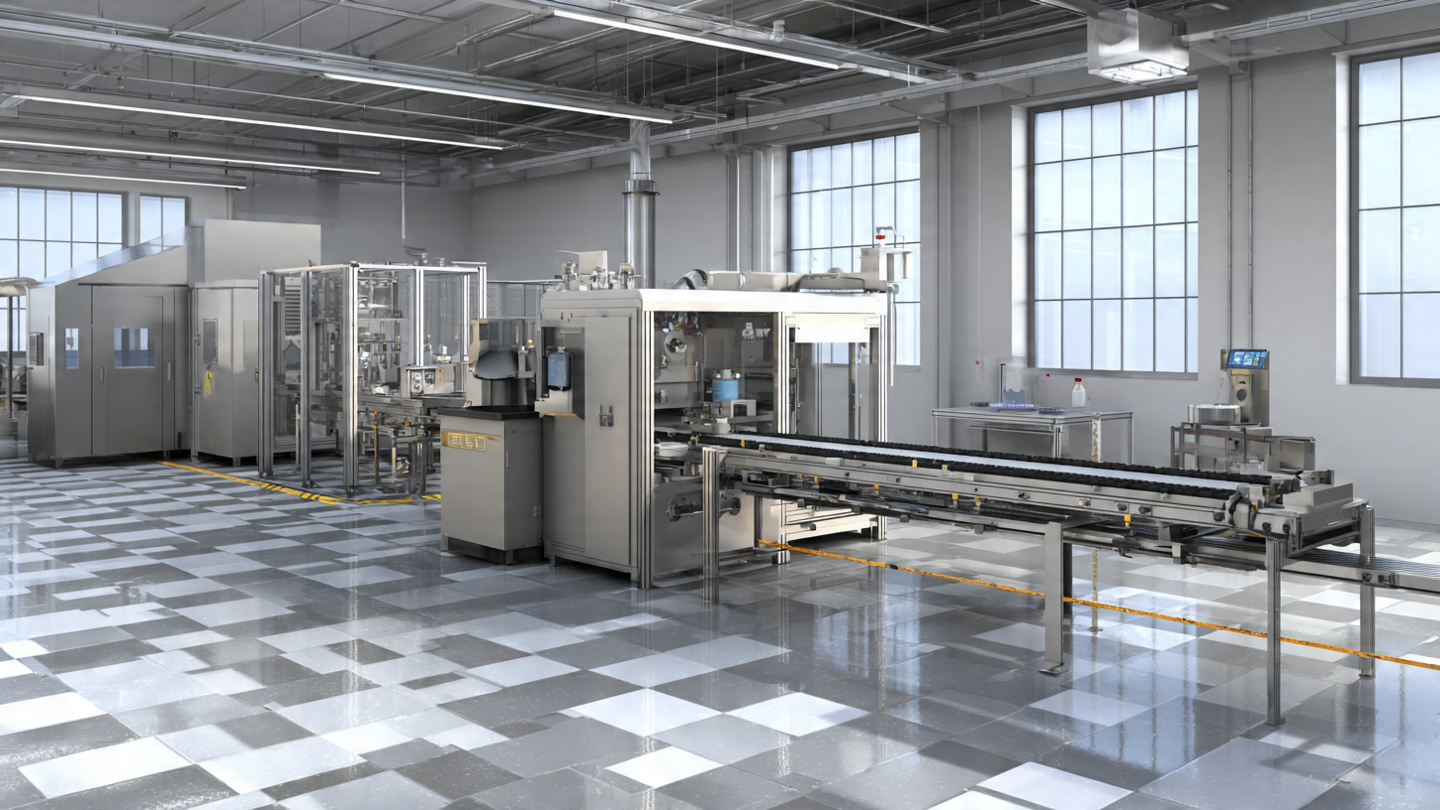
Essential safety infrastructure in any modern aerosol plant comprises:
- Hazardous Area Zoning (ATEX/IECEx): Classifying the gassing room as Zone 1 or Zone 2, utilizing spark-proof electrical wiring, explosion-proof motors, and pneumatic safety linkages.
- Gas Leak Detection Loops: Sniffers placed at floor levels (since LPG is heavier than air) that trigger automatic pneumatic valves to cut off gas supply in case leaks exceed 10% of the Lower Explosive Limit (LEL).
- Deluge Fire Suppression: High-speed infrared flame sensors coupled to automatic deluge water/foam sprinklers that cover gassing enclosures within milliseconds of ignition.
6. From Lab to Market: Launching an Aerosol Brand
Bringing a new aerosol product to market involves balancing formulation science, machinery gassing parameters, and regional safety approvals. Because aerosol machinery can be highly specialized, setting up a factory without prior market validation is one of the most common budget pitfalls for startups — our dedicated walkthrough on how to start an aerosol manufacturing business covers equipment, safety, and cost planning in more detail.
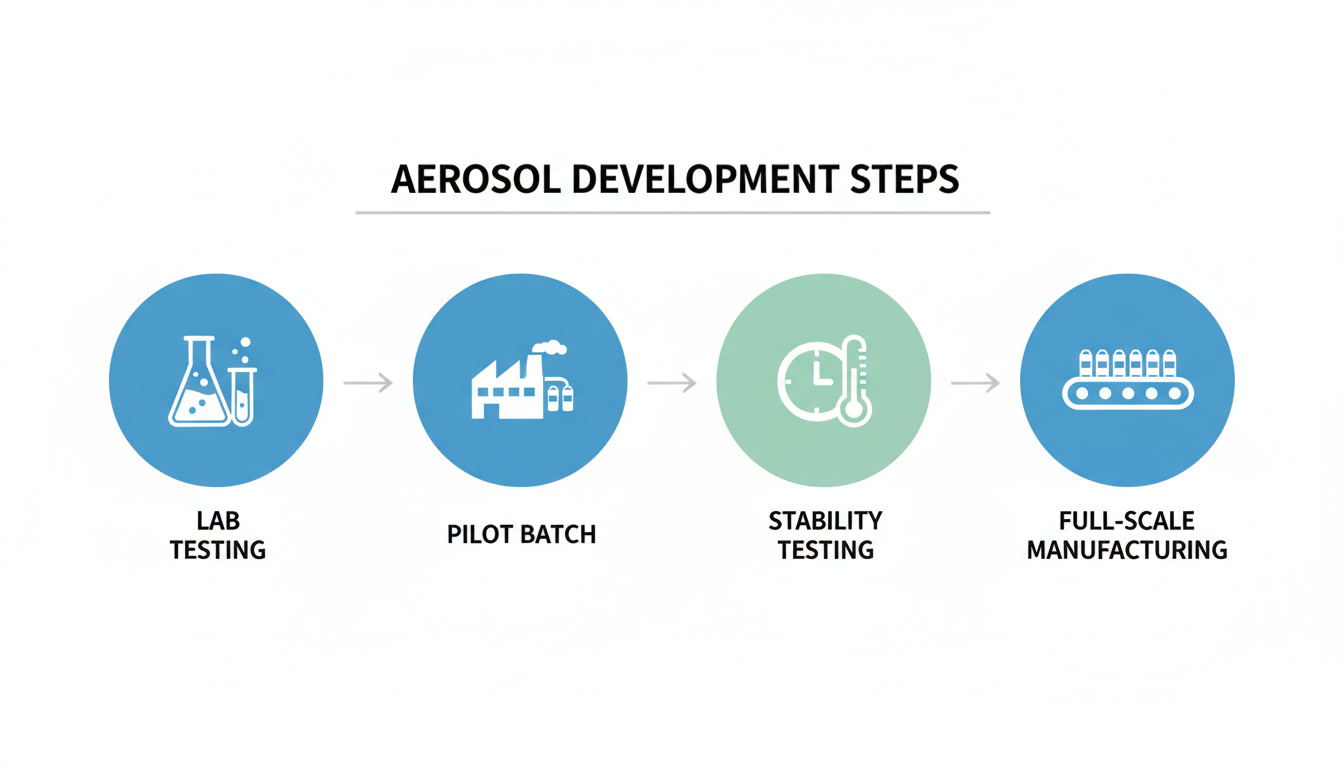
Key strategies to mitigate early operational risk include:
- OEM & Contract Packaging: Partnering with regional private-label contract fillers to package test batches, validating market appeal before purchasing gassing machinery.
- Thorough Material Compatibility Audit: Performing 3-month accelerated stability tests inside climatic chambers to verify that active solutions do not corrode tinplate/aluminum canisters or cause valve gaskets to swell.
- Explosion-Proof Budget Allocation: Ensuring that safety infrastructure (fire barriers, EEx-rated vents, gas loops) represents at least 40% of the initial facility capital budget.
Frequently Asked Questions (FAQ)
1. What is aerosol manufacturing and how does it work?
Aerosol manufacturing is the industrial process of sealing a liquid active concentrate and a pressurized gas propellant inside a gas-tight canister. Internal pressure forces the active liquid through a dip tube and a precision valve-actuator assembly, dispersing it as a spray, mist, foam, or stream.
2. What investment is required to start an aerosol manufacturing plant?
The capital required depends on the gassing automation level and cleanroom specifications. Startups must budget for specialized propellant storage tanks, explosion-proof gassing enclosures, automatic valve crimpers, leak testing water baths, and complex fire protection infrastructure.
3. What are the most commonly used aerosol propellants?
Liquefied hydrocarbon propellants (propane, n-butane, isobutane) are standard for constant-pressure consumer sprays. Dimethyl Ether (DME) is selected for water-based formulas due to its solubility, while compressed gases (nitrogen, carbon dioxide) are utilized for medical, sterile, or food applications.
4. Is aerosol manufacturing legally regulated in India?
Yes. In India, aerosol plants must obtain licenses from the Petroleum and Explosives Safety Organisation (PESO) for handling pressurized flammable gasses, alongside approvals from the State Pollution Control Board, Factory Inspectorate, and local Fire Services.
5. What are the main safety risks in aerosol manufacturing?
The primary operational hazard is LPG gas leakage, which can lead to fires or vapor cloud explosions if ignited. Other risks include can rupture during hot gassing, high static charges during liquid shearing, and warehouse storage fire hazards.
6. What is the difference between liquefied gas and compressed gas systems?
Liquefied propellants exist in vapor-liquid equilibrium inside the can, vaporizing gradually during use to maintain constant spray pressure. Compressed gas propellants remain entirely gaseous, resulting in a progressive reduction in pressure and spray strength as the can empties.
7. How is aerosol product stability tested?
Formulations undergo accelerated temperature storage (at 40°C or 45°C), freeze-thaw cycles, periodic spray discharge testing, internal canister lining visual checks, and micro-leak measurements to establish a reliable shelf life.
8. Which aerosol products are most profitable?
Deodorants and dry shampoos in cosmetics, penetrants and tire shines in automotive care, room air fresheners in household cleaning, and high-margin sterile metered-dose clinical inhalers are highly profitable categories.
9. Can aerosol manufacturing be outsourced?
Absolutely. Many successful aerosol brands focus entirely on brand marketing, outsourcing the chemical manufacturing and high-risk gassing processes to experienced Third-Party OEM or Private-Label contract fillers.
10. Why is professional consulting important?
Consultants ensure that formulation parameters (propellant ratios, viscosity, surface tension) align with physical nozzle parameters (valve cup crimping, actuator orifices). This prevents common gassing issues, product separation, slow leaks, and expensive batch recalls.
Conclusion
Aerosol manufacturing represents a technically complex but highly rewarding branch of industrial FMCG and pharmaceutical production. Successful commercial scale-up is determined by the precise alignment of physical formulation parameters, mechanical gassing controls, and complete, uncompromised ATEX safety zoning.
For entrepreneurs, investors, and technical managers, working with specialized chemical formulation consultants from day one is the most reliable way to design compliant plant layouts, select correct gassing lines, and ensure commercial success.
Need Technical Formulation or Plant Design Services?
Discuss your aerosol manufacturing, propellant selection, or facility design project with Global Formulation. Obtain professional PESO-compliant layouts, ATEX electrical engineering audits, and robust product formulations.
Email: consulting@globalformulation.com
Phone: +91 9819548320 +91 8169102990
About the Specialist
Absar Khan is the principal consultant and chemical formulation architect at Global Formulation. He possesses cross-disciplinary engineering expertise spanning aerosol gassing systems, pharmaceutical manufacturing, sterile injectables, cosmetics, and green chemical plant setups. Absar leads scientific and engineering advisory teams supporting manufacturers globally in technology selection, GMP layouts, validation frameworks, and regulatory strategies.
LinkedIn Portfolio: Connect with Absar Khan on LinkedIn