Household Cleaners & Detergents: Formulation Science
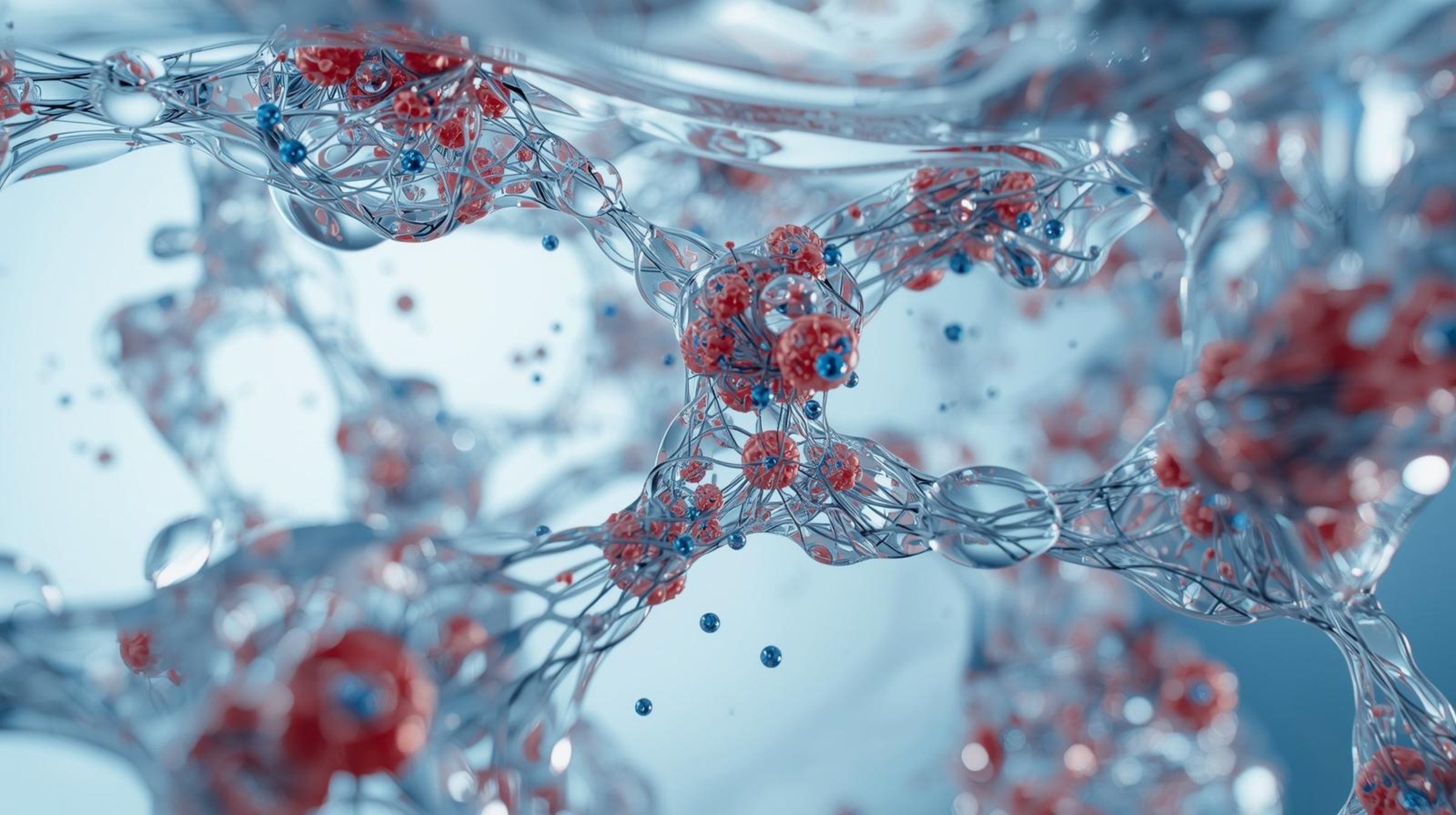
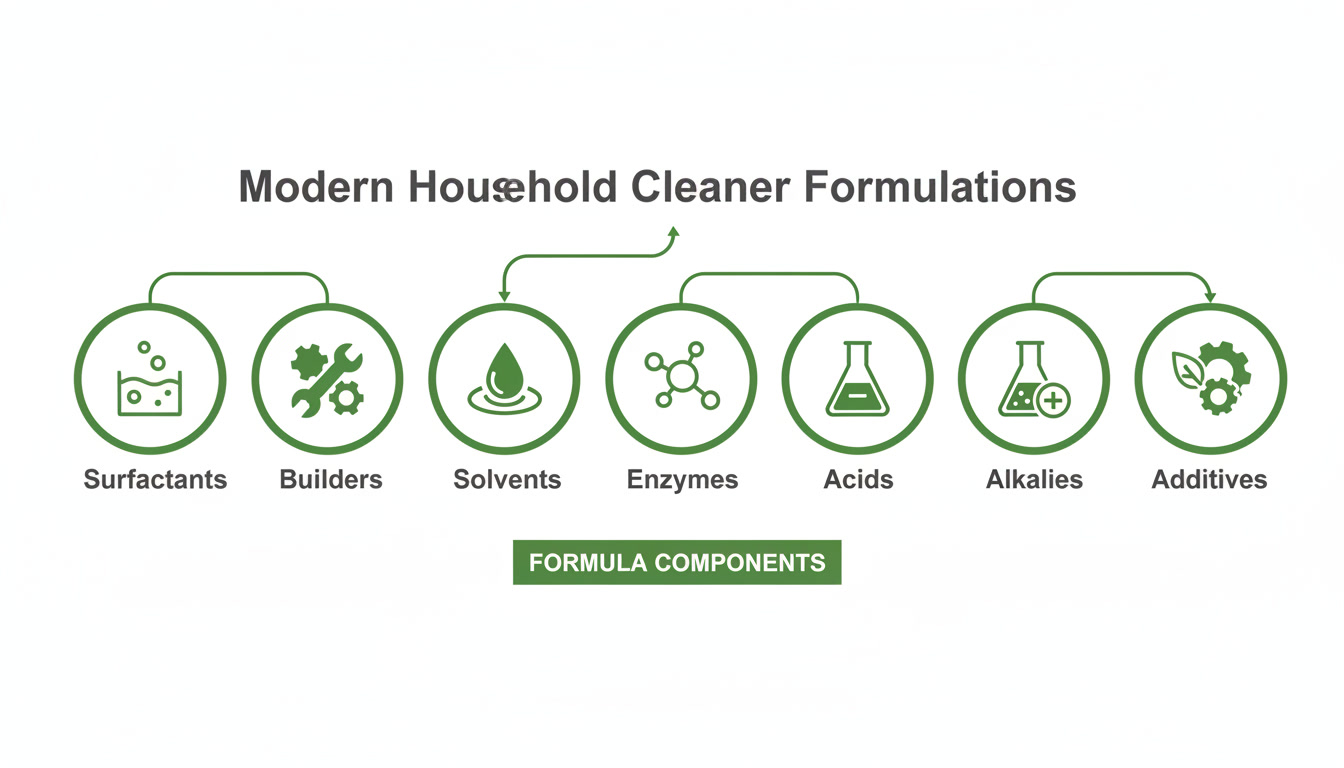
Modern household cleaning products—ranging from powder laundry detergents and liquid soaps to acidic toilet descalers, glass cleaners, and floor disinfectants—are highly engineered chemical systems designed using the core principles of colloidal physics, surface thermodynamics, and coordination chemistry. A truly high-performance cleaner relies on the precise organization and self-assembly of active molecules at three-phase boundaries to decrease surface tension, solubilize complex soils, and modify mineral surfaces. Developing commercially successful formulations requires a deep understanding of surfactant micellar dynamics, enzymatic stability, and chemical process engineering.
Table of Chemical Engineering & Science Topics
- 1. Surfactant Science & Micellar Dynamics
- 2. Builder Chemistry & Sequestration Kinetics
- 3. Enzymes: Catalytic Stain Degradation
- 4. Solvents, Acids & Alkalies in Soil Dissolution
- 5. Widescreen Household Category Grid
- 6. Manufacturing Engineering & Scaling Parameters
- 7. Commercial Relevance & GHS Green Labeling
- 8. Frequently Asked Questions (FAQ)
1. Surfactant Science: Molecular Interactions That Drive Cleaning
Cleaning at its chemical core is about decreasing interfacial tension between water, soils, and substrates, allowing water to wet surfaces and detach complex soil networks. Soils such as heavy vegetable oils, carbonized kitchen grease, human body sebum, and particulate mineral dust adhere to fabric and hard surfaces through a combination of Van der Waals forces, hydrophobic interactions, hydrogen bonding, and electrostatic attraction. Surfactants resolve this by concentrating at interfaces and changing contact angles, enabling water to penetrate deep inside the pores of the soil layer.
1.1 Structure, Hydrodynamic Assemblies, and Critical Micelle Concentration (CMC)
Surfactants are amphiphilic molecules possessing a hydrophobic organophilic tail (typically a long hydrocarbon chain such as C12–C18 alkyl chains) and a hydrophilic polar head group. When introduced into an aqueous solution, surfactants concentrate at the air-water interface to minimize system free energy. As concentration increases, they reach the Critical Micelle Concentration (CMC), where they self-assemble into spherical structures called micelles, with their hydrophobic tails oriented inward and hydrophilic heads facing outward.
In highly concentrated liquid detergents, surfactants undergo Liquid Crystalline Phase Transitions, moving from simple spherical micelles to hexagonal, cubic, and lamellar liquid crystalline phases. These physical phases directly control the viscosity and theological properties of the fluid. The kinetics of the Soil Roll-Up Mechanism are driven by the surfactant changing the contact angle (θ) at the three-phase boundary of the substrate, soil, and cleaning fluid, described by Young's Equation:
By decreasing the interfacial tension of the soil-water interface (γsoil/water), the contact angle increases toward 180°, causing the oil droplet to roll up, detach, and disperse into the wash liquor.
1.2 Molecular Dynamics of Soil Suspension
Once detached, soils are suspended using several thermodynamic processes:
- Interfacial Tension Lowering: Decreasing surface tension down to 25–35 mN/m to allow uniform surface wetting.
- Hydrophobic Core Emulsification: Encapsulating hydrophobic grease droplets within the non-polar cores of micelles.
- Electrostatic Repulsion: Providing high negative surface charges (zeta potential) to suspended particulate soil to prevent redeposition back onto fabrics.
- Steric Stabilization: Wrapping particulate soil in nonionic surfactant head groups, physically blocking aggregation.
1.3 Synergistic Surfactant Blends & HLB Matching
Industrial formulations combine different classes of surfactants to achieve synergistic performance. The Hydrophilic-Lipophilic Balance (HLB) scale, running from 0 to 20, is utilized to match surfactants to specific soils:
- Anionic Surfactants (Linear Alkylbenzene Sulfonate - LAS, Sodium Lauryl Ether Sulfate - SLES): Excellent detergency, fast wetting, and rich foaming. Highly effective on particulate soils and cotton fabrics, though sensitive to water hardness.
- Nonionic Surfactants (Alcohol Ethoxylates - LAE, Alkyl Polyglucosides - APG): Exceptional grease-cutting and sebum removal. Nonionics do not ionize in water, making them highly stable in hard water, and they exhibit temperature-dependent cloud point kinetics where phase separation increases grease solubility.
- Amphoteric Surfactants (Cocamidopropyl Betaine - CAPB, Amine Oxides): Provide excellent foam boosting, mildness, and compatibility across broad pH ranges. They become cationic at low pH and anionic at high pH, acting as excellent coupling agents.
- Cationic Surfactants (Alkyl Dimethyl Benzalkonium Chloride - ADBAC, Esterquats): Utilized in floor disinfectants for cell membrane disruption and in fabric softeners to neutralize negative static charges on cotton fibers.
2. Builder Chemistry: Managing Hard Water & Sequestration Kinetics
Divalent calcium (Ca2+) and magnesium (Mg2+) cations present in hard water represent a major threat to cleaning efficiency, as they immediately react with anionic surfactants to form insoluble calcium salts (precipitating as scum) and collapse micelle structures. Builders prevent this degradation by soft-water chelation, ion exchange, and pH buffering. In a technically optimized laundry or dishwashing formulation, the builders are carefully balanced to maximize soil suspension.
2.1 Complexation Thermodynamics & Green Chelating Agents
Chelating builders work by surrounding metal cations with polydentate ligands, forming stable ring structures. The thermodynamic affinity of a chelator for calcium is expressed by its stability constant (log Kf). While EDTA and NTA have historically served as highly effective chelators, their environmental persistence has led to a global shift toward biodegradable chelators:
- GLDA (Glutamic Acid Diacetic Acid Tetrasodium Salt): Exhibits a high stability constant (log Kf ≈ 5.2 for Ca2+) and excellent solubility across extreme pH ranges. It is synthesized from renewable raw materials and biodegrades rapidly in municipal wastewater.
- MGDA (Methylglycinediacetic Acid Trisodium Salt): Features exceptional thermal stability and strong calcium sequestration (log Kf ≈ 7.0 for Ca2+), making it the gold standard in high-temperature automatic dishwashing tablets.
- Sodium Citrate: A mild, non-toxic chelator (log Kf ≈ 3.2) utilized primarily in green liquid laundry detergents, acting as a buffer and mild sequestering agent.
2.2 Cation Exchange Mechanics: Zeolite 4A
In powder detergents, insoluble Zeolite 4A (sodium aluminosilicate) functions as a highly efficient calcium scavenger through ion exchange. Zeolite 4A possesses a cage-like crystalline pore structure with a diameter of approximately 4.2 Å. When dispersed in wash water, sodium ions (Na+) inside the zeolite lattice are displaced by hard water calcium ions (Ca2+), which fit perfectly within the molecular cage. This physical entrapment removes calcium from the aqueous phase, leaving anionic surfactants free to form clean micelles.
2.3 Alkalinity Buffering & Polyacrylate Dispersants
Builders such as Sodium Carbonate (soda ash) and Sodium Metasilicate maintain the wash solution pH between 9.5 and 11.0. This high alkalinity hydrolyzes fat esters and imparts a negative electrostatic charge to both soils and fabric fibers, creating mutual repulsion. Additionally, low-molecular-weight Sodium Polyacrylates (3,000–5,000 Da) are added as co-builders to adsorb onto particulate soils, providing steric hindrance and electrostatic dispersion to completely prevent dirt redeposition during the rinse cycle.
3. Enzymes: Biochemical Catalysts in Laundry and Household Cleaning
While surfactants physically detach soils, large macromolecular organic stains—such as polymerized proteins, cross-linked starches, and heavy food triglycerides—are too large and insoluble to be removed by micellar emulsification alone. Detergent enzymes resolve this by acting as highly specific biochemical catalysts that hydrolyze these insoluble polymers into small, water-soluble fragments. This chemical breakdown allows surfactants to easily wet and encapsulate the degraded stain residues.
3.1 Michaelis-Menten Catalytic Kinetics
Detergent enzymes operate under Michaelis-Menten Kinetics, lowering the activation energy (ΔG†) of the hydrolytic cleavage reaction. The rate of stain degradation (v) is controlled by the enzyme concentration, substrate accessibility, temperature, and wash pH:
Where Vmax is the maximum reaction rate, [S] is the substrate stain concentration, and Km is the Michaelis constant. Formulators utilize enzymes that maintain low Km values at low temperatures (15°C–30°C), enabling modern detergents to clean effectively in cold water, saving energy.
3.2 Specific Enzymatic Substrates & Molecular Cleavages
A balanced laundry detergent incorporates a cocktail of enzymes, each targeting specific biochemical bonds:
- Proteases (Subtilisin): Hydrolyze amide/peptide bonds in proteins, breaking down blood, grass, egg, and chocolate stains into soluble amino acids and peptides.
- Lipases: Catalyze the hydrolysis of ester bonds in insoluble triglycerides and oils, converting greasy food fats into polar, emulsifiable fatty acids and monoglycerides.
- Amylases (α-Amylase): Cleave the internal $\alpha$-1,4-glucosidic bonds in starch polymers, dissolving sticky gravies, pasta residues, and cosmetic thickeners.
- Cellulases: Specifically target degraded amorphous cellulose fibers on cotton fabrics. By hydrolyzing microfibrils and removing "pills," they restore color brightness, smooth fabric texture, and release particulate dirt trapped inside the damaged cotton weave.
To maintain enzyme stability in liquid formulations, active enzymes must be co-formulated with stabilizers such as borates, propylene glycol, or calcium chloride to prevent auto-proteolysis (where proteases digest other enzymes in the bottle).
Looking for scalable, GHS-compliant formulations?
Get access to commercially validated detergent, liquid soap, and acid descaler formulas, custom engineered for your water profiles.
Explore Cleaning Formulations & Technology4. Solvents, Acids & Alkalies in Soil Dissolution
Specific cleaning categories require chemical reactions that extend beyond simple surfactant encapsulation. Hard surface cleaning requires the direct chemical dissolution of inorganic mineral scales, oxidized grease layers, and cross-linked floor coatings. Solvents, acids, and alkalies act as raw chemical reagents that physically break down molecular bonds inside the soil matrix, rendering them water-soluble or highly dispersible.
4.1 Hansen Solubility Parameters in Solvent Degreasing
Solvents such as Isopropyl Alcohol (IPA), Ethylene Glycol Monobutyl Ether (Butyl Cellosolve), and Propylene Glycol Ethers are added to glass and kitchen cleaners to dissolve heavy grease. Formulators select solvents using Hansen Solubility Parameters, which measure the energy required to dissolve a solute based on three cohesive forces: dispersion (δd), polar molecular interactions (δp), and hydrogen bonding (δh). By matching the solvent's Hansen parameters to those of the greasy soil, the solvent rapidly penetrates, dissolves, and evaporates without leaving residue or streaks.
4.2 Inorganic Mineral Dissolution: Acid Chemistry
Toilet bowls and bathroom tiles develop stubborn scale composed of calcium carbonate ($CaCO_3$) and metal oxides. Acid cleaners dissolve these deposits via proton-driven neutralization:
Strong mineral acids like Hydrochloric Acid (HCl) dissolve scale extremely fast but pose high corrosion risks to stainless steel and skin. Formulators utilize organic acids such as Citric Acid and Sulfamic Acid combined with nonionic surfactants. These organic acids act as mild chelators and scale-dissolving agents, providing safer fuming profiles and high compatibility with plumbing systems.
4.3 Fat Saponification & Silicate Passivation: Alkaline Chemistry
Oven cleaners and heavy-duty degreasers use strong alkalies like Sodium Hydroxide (NaOH) or Potassium Hydroxide (KOH) to trigger Saponification. Saponification chemically converts insoluble fatty acid triglycerides (grease) into soluble sodium soaps (glycerol and soap carboxylate salts). To protect soft metal substrates like aluminum from high-pH corrosion, Sodium Metasilicates are added to form a protective silicate passivation monolayer on the metal surface, preventing caustic etching.
5. Household Product Categories & Their Scientific Basis
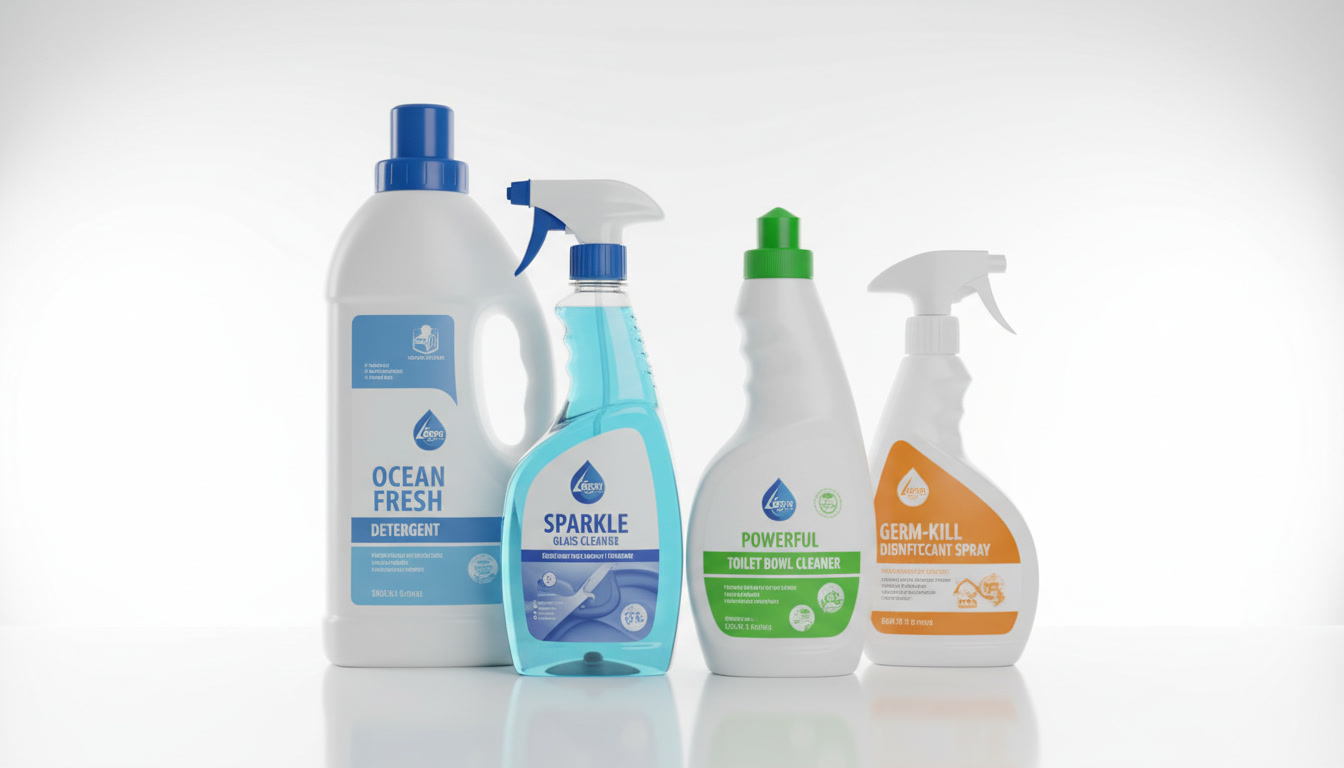
Each household cleaning product class is engineered with a specific chemical profile, surfactant balance, and pH level tailored to its target soil and substrate. To understand these critical differences, the grid below outlines the scientific profile of all nine major household cleaning product categories.
5.1 Powder Laundry Detergents
pH 10.0 - 11.0Surfactant System: High LAS (Anionic) + Alcohol Ethoxylates (Nonionic).
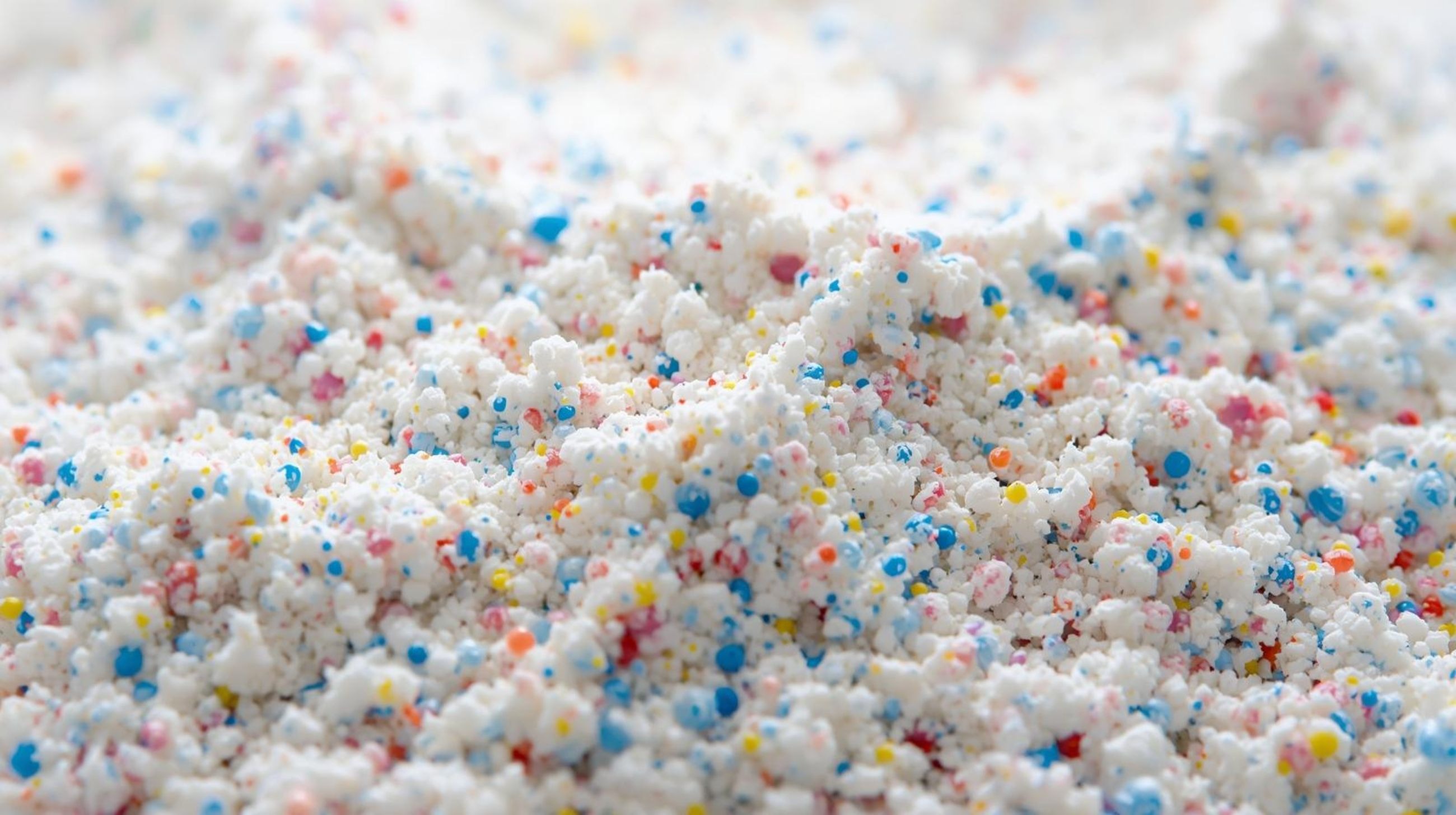
Chemistry & Challenge: Utilizes high levels of sodium carbonate and Zeolite 4A builders to soften hard water. The challenge is balancing powder density, preventing physical caking under humidity, and optimizing dissolution rates in cold water.
5.2 Liquid Laundry Detergents
pH 8.0 - 9.0Surfactant System: SLES (Anionic) + LAE (Nonionic) + Amine Oxide (Amphoteric).
Chemistry & Challenge: Employs biodegradable chelators (GLDA/Citrate) and enzyme stabilizers (propylene glycol/borates). The engineering challenge is preventing phase separation of non-aqueous components and maintaining isotropic viscosity.
5.3 Toilet Bowl Cleaners
pH 1.0 - 2.0Surfactant System: Cationic Surfactants + Amine Oxide.
Chemistry & Challenge: Formulated with Hydrochloric Acid or Citric/Sulfamic acids to dissolve calcium carbonate scale. Requires shear-thinning polymeric rheology modifiers (acid-stable amine derivatives) to cling to vertical surfaces.
5.4 Glass Cleaners
pH 6.5 - 7.5Surfactant System: Ultra-low APG (Nonionic) or Fluorosurfactants.
Chemistry & Challenge: Combines fast-evaporating water-soluble solvents (IPA, glycol ethers) and high-purity deionized water. The challenge is achieving streak-free clarity without leaving a reflective hygroscopic surfactant residue.
5.5 Phenyls & Disinfectants
pH 6.0 - 8.5Surfactant System: Castor oil soap or Anionic Sulfonates.
Chemistry & Challenge: Relies on pine oil, chloroxylenol, or quaternary ammonium compounds (Benzalkonium Chloride) emulsified in water. The challenge is ensuring stable thermodynamic micro-emulsions that bloom white upon dilution.
5.6 Floor & Multi-Purpose
pH 7.0 - 8.5Surfactant System: SLES (Anionic) + Alcohol Ethoxylates (Nonionic).
Chemistry & Challenge: Formulated to clean hard surfaces without stripping floor wax or leaving sticky soap layers. Requires dynamic surface tension lowering to dry quickly with high gloss.
5.7 Kitchen Degreasers
pH 11.0 - 12.5Surfactant System: High APG (Nonionic) + Amine Oxide (Amphoteric).
Chemistry & Challenge: Integrates alkaline boosters (Monoethanolamine - MEA) and glycol ether solvents. Cleaves polymerized grease via fat-saponification. Must be safe for kitchen hardware surfaces.
5.8 Bathroom Descalers
pH 2.0 - 3.0Surfactant System: Nonionic Ethoxylates.
Chemistry & Challenge: Combines citric and sulfamic organic acids with dynamic wetting surfactants. Safely dissolves calcium soaps and limescale buildup on chrome fixtures without corroding metallic platings.
5.9 Fabric & Upholstery
pH 6.5 - 8.0Surfactant System: Sodium Lauryl Sulfate (SLS) + Amphoteric Betaines.
Chemistry & Challenge: Formulated using highly crystalline, high-foaming surfactants that dry to a brittle, dry powder residue. The challenge is preventing fabric overwetting, allowing dry vacuuming to remove soil particles easily.
6. Manufacturing Engineering: Turning Chemistry into Commercial Products
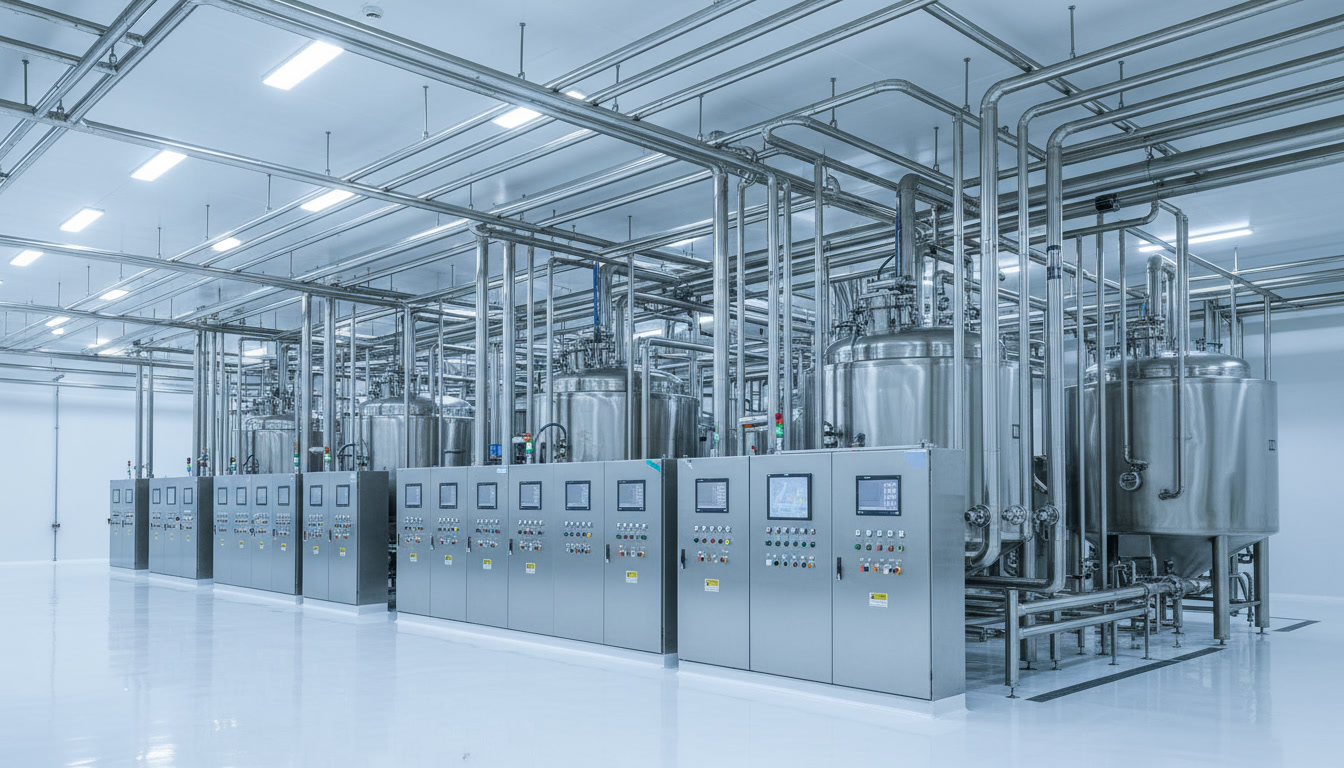
Scaling up a cleaning formulation from a laboratory glass beaker to a 10,000-liter stainless steel industrial blending vessel requires the careful application of chemical engineering and process thermodynamics. Surfactants and alkalies do not mix instantly; they exhibit complex hydration kinetics and phase transitions that can easily lead to high-viscosity "gels" that stall process equipment. To prevent these processing failures, a rigorous, sequential batching protocol must be implemented.
6.1 Sequential Liquid Detergent Batching & Hydration Kinetics
In liquid detergent production, the order of raw material addition determines batch stability. The highly optimized industrial blending sequence proceeds as follows:
- Water Deionization & Thermal Charge: Deionized water is charged into the vessel. Hard water must be avoided, as dissolved calcium will immediately react with anionic surfactants. The batch is heated to 40°C–45°C to accelerate dissolution rates.
- Chelator & Builder Dissolution: Dissolve the chelators (GLDA/MGDA) and pH buffers (soda ash). Sequestration of trace minerals must occur before adding active surfactants.
- High-Shear Surfactant Hydration: Anionic surfactants (LAS/SLES) are introduced under low-to-medium shear. SLES must be slowly co-fed with water to avoid the formation of highly viscous hexagonal liquid crystalline gel phases. Mixer speeds are set to maintain a highly turbulent Reynolds Number (Re > 4,000) for complete macromolecular dispersion without introducing air.
- Hydrotrope Coupling: Introduce coupling agents such as Sodium Xylene Sulfonate (SXS) or Propylene Glycol. Hydrotropes act as molecular bridges that stabilize high-surfactant systems, preventing phase separation.
- Enzyme & Volatiles Cooling: The batch is cooled to below 30°C. Once cooled, active biological enzymes, volatile perfumes, and heat-sensitive organic preservatives are added to prevent thermal denaturation.
6.2 Spray Drying vs. Agglomeration in Powder Detergent Manufacturing
For powder detergents, two primary chemical engineering pathways are used to create solid granules:
- Spray Drying Towers: Surfactants, builders, and water are mixed into a uniform liquid "slurry" in a crutcher. The slurry is pumped under high pressure (50–80 bar) to the top of a spray drying tower, where it is atomized into droplets. Hot air (250°C–350°C) flowing counter-currently evaporates the moisture, producing hollow, spherical granules with excellent water solubility and low density.
- Agglomeration (Non-Tower Route): Dry builders and liquid surfactants are blended in a high-shear mixer. The liquid binds the dry particles together, forming dense, compact granules. This route consumes 60% less energy than spray towers but produces denser particles that dissolve slower in washing machines.
6.3 Process Quality Control & Rheology Validation
Every batch must pass rigorous process validation and Certificate of Analysis (COA) testing before packaging to guarantee consumer consistency:
- Active Anionic Matter (pH-Stat Titration): Measured via two-phase acid-base titrations to confirm surfactant active percentages.
- Refractive Index & Specific Gravity: High-precision refractometers measure optical density to verify total dissolved solids. Specific gravity balance checks verify correct product density.
- Viscosity Rheology: Rotational viscometers verify low-shear and high-shear viscosity limits to ensure correct bottle pouring and long-term shelf stability in hot warehouse environments.
7. Commercial Relevance: Demand, Market Growth & Sector Trends
The global household cleaning market represents a resilient multi-billion dollar consumer segment driven by continuous hygiene demands, growing populations, and private-label scaling. Modern detergent factories are no longer merely competing on basic stain removal; they are competing on formulation sustainability, GHS regulatory compliance, and GHS-compliant eco-labeling to capture premium margins and enter high-value retail markets.
7.1 GHS Regulatory Compliance & Hazard Labeling
Under the Globally Harmonized System (GHS), household cleaners must undergo strict toxicological classifications. Concentrated surfactants and acidic toilet cleaners are classified for skin corrosion (Category 1) and eye damage (Category 1), requiring mandatory GHS pictograms, safety data sheets (SDS), and hazard statements on the labels. Achieving an effective cleaning profile with lower chemical classifications is a major formulation challenge.
7.2 Sustainable Green Standards & Eco-Labeling
Consumer preferences are shifting toward sustainable formulations, driving demand for chemical engineering compliance with global ecological standards:
- EPA Safer Choice & EU Ecolabel: Limit the use of volatile organic compounds (VOCs), completely ban phosphorus, and mandate rapid biodegradability (>60% mineralized within 28 days under OECD 301 guidelines).
- Alkyl Polyglucosides (APGs): These highly biodegradable nonionic surfactants derived from coconut oils and starches are replacing petroleum-derived linear alcohol ethoxylates.
- Cold-Water Wash Optimization: Developing cold-water active enzymes reduces household carbon footprints, as 90% of a washing machine's energy goes toward heating water.
7.3 Private Label Scaling & Turnkey Production
Supermarket chains and online direct-to-consumer brands are rapidly scaling their private label household detergent brands. To enter this high-margin turnkey space, manufacturers must optimize their surfactant active levels, minimize shipping costs by producing ultra-concentrated formulas (such as 3X laundry liquids), and design robust process systems that are easily scaled across multiple manufacturing sites.
Frequently Asked Questions (FAQ)
1. What are surfactants and how do they work?
Surfactants are amphiphilic compounds consisting of hydrophobic tails and hydrophilic heads. In water, they reduce surface tension and self-assemble into spherical micelles at concentrations above the Critical Micelle Concentration (CMC). These micelles encapsulate insoluble oily soils inside their non-polar cores, detaching them from surfaces.
2. Why are enzymes added to laundry detergents?
Enzymes act as highly specific biological catalysts that target and break down insoluble organic macromolecular stains at the bond level. Proteases cleave protein peptide bonds, lipases break down fat ester bonds, amylases dissolve starch bonds, and cellulases groom cotton microfibrils, turning tough stains into water-soluble residues. Because each enzyme is selective for a specific bond type, a balanced blend of several enzymes covers a much wider range of stains than a single enzyme could alone.
3. What do builders do in detergent formulations?
Builders soften hard water by chelating divalent calcium (Ca2+) and magnesium (Mg2+) cations, preventing them from reacting with anionic surfactants. Builders also provide alkaline buffering to soil-bearing wash water and keep particulate soils suspended using polymeric dispersants. Common builder chemistries include GLDA and MGDA chelators, zeolite ion-exchange materials, and sodium carbonate alkalinity buffers, each suited to a different product format and water hardness range.
4. How are powder detergents manufactured?
Powder detergents are manufactured using two primary chemical engineering methods: spray drying and agglomeration. Spray drying atomizes a wet slurry at high pressure in a counter-current hot air tower to produce hollow, rapidly-dissolving granules. Agglomeration blends dry builders with liquid surfactants to produce dense powder granules.
5. What makes liquid household cleaners different from powder detergents?
Liquid cleaners rely on pre-hydrated surfactant networks and organic solvents that form isotropic, thermodynamically stable phases. Unlike dry powders, liquid formulations require stabilizers, hydrotropes, and precise process temperature controls to prevent chemical phase separation and maintain viscosity across temperature fluctuations. Powders instead rely on a solid carrier matrix and can use higher levels of alkaline builders that would be difficult to keep dissolved in a concentrated liquid, making them more forgiving of formulation variation but harder to dissolve fully in cold water.
6. Where can I get ready formulations and manufacturing support?
Global Formulation provides complete, ready-to-scale GHS-compliant formulations, manufacturing plant process designs, and expert chemical engineering consultancy. Under the guidance of Specialist Absar Khan, we help factories globally scale their household and industrial care products. This covers everything from initial bench-scale formulation and raw material sourcing through pilot batches to full commercial production and quality control protocol design.
Conclusion
The development of household cleaners is a sophisticated exercise in balancing surfactant thermodynamics, chelating mechanics, enzymatic kinetics, and manufacturing process controls. Whether developing cold-water laundry liquids, acidic descaling gels, or streak-free glass cleaners, success lies in understanding how active chemical components behave at microscopic interfaces.
By implementing precise sequential batching, keeping GHS hazard classifications optimized, and formulating with biodegradable ingredients like GLDA and APGs, modern cleaning brands can deliver high-performance, eco-friendly products that successfully capture market share in a highly competitive consumer chemical industry.
Scale Your Cleaning Production Globally
Get professionally audited, commercially proven formulations, raw material audits, and process engineering plant setup support from Specialist Consultant Absar Khan.
Email: consulting@globalformulation.com
Phone: +91 9819548320 +91 8169102990
About the Specialist
Absar Khan is the principal consultant and chemical formulation architect at Global Formulation. He specializes in the design, optimization, and scaling of household care detergents, aerosol gas-dosing technologies, industrial degreasers, and GHS-compliant green cleaners. Absar provides turnkey chemical engineering services, hands-on factory plant setups, raw material cost audits, and quality control protocol designs for brands and chemical producers worldwide.
LinkedIn Portfolio: Connect with Absar Khan on LinkedIn