Industrial Cleaners & Degreasers: Formulation Guide
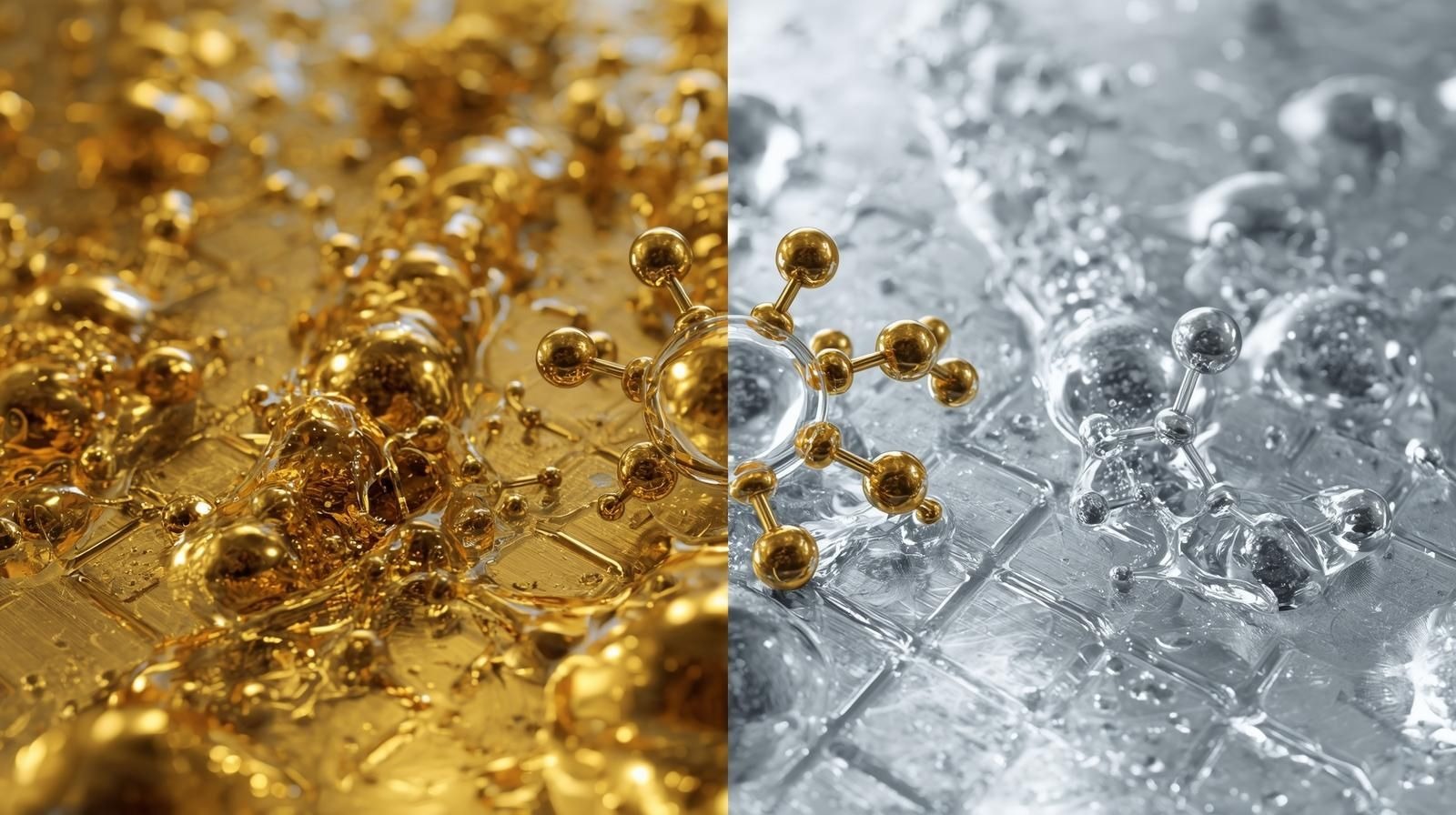
Industrial cleaning chemicals—including alkaline cleaners, solvent-based degreasers, metal pretreatment cleaners, and heavy-duty surface cleaners—are engineered using surface chemistry, solvent–soil interactions, emulsion science, corrosion control, and green chemistry principles. Designed for heavy soils such as carbonized oils, machining lubricants, oxide films and metal fines, industrial formulations prioritise efficacy, stability and safety across demanding plant environments.
1. Surfactant Science in Industrial Cleaning
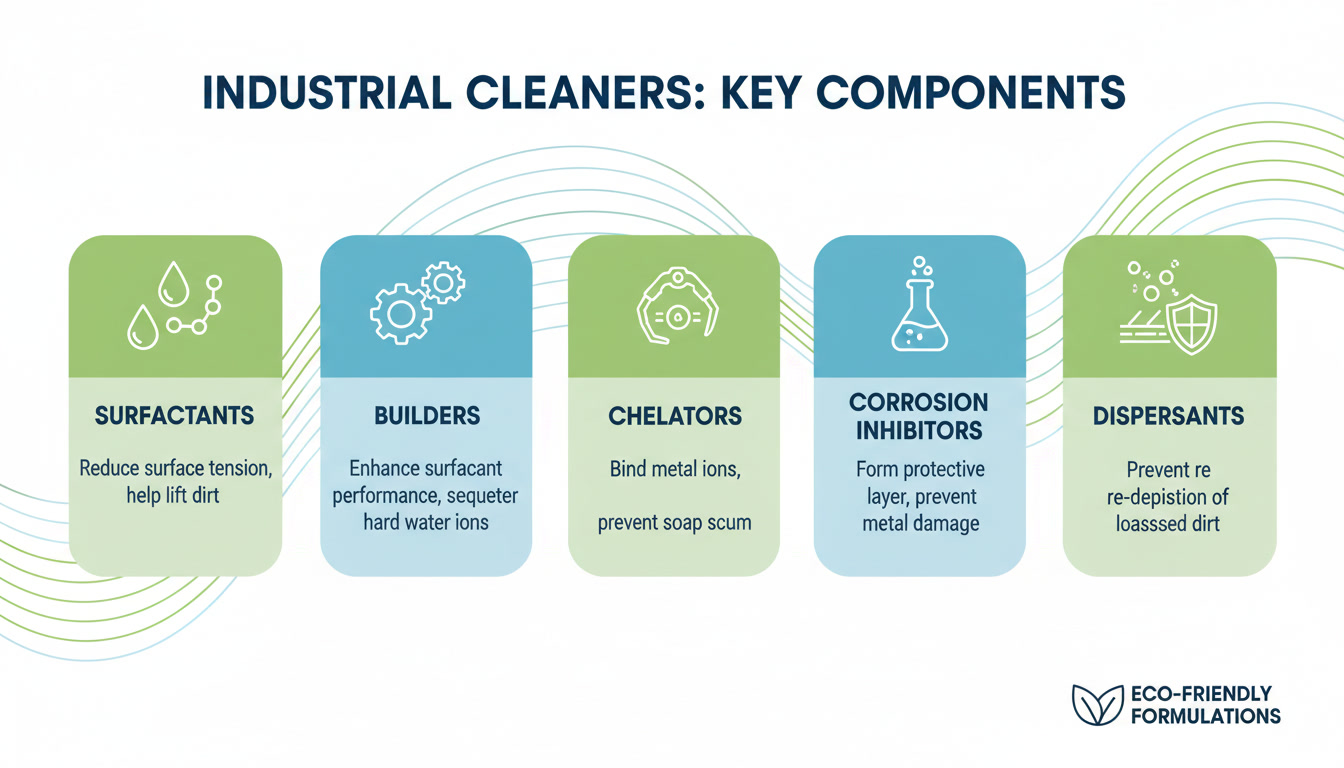
The removal of highly adhered, polymerized, or carbonized industrial soils depends on the thermodynamics of micellization and surface tension reduction. Surfactants function by migrating to liquid-solid and liquid-liquid interfaces, dramatically lowering the interfacial tension (measured in dynes/cm) to enable wetting, penetration, and displacement of hydrophobic soils. When the surfactant concentration exceeds the Critical Micelle Concentration (CMC), molecules spontaneously organize into spherical or cylindrical micelles, encapsulating oil droplets within their hydrophobic cores and suspending them in the aqueous phase.
1.1 Structure & Mechanism
Surfactants consist of a hydrophobic tail (typically linear or branched alkyl chains) and a hydrophilic head group, classified by charge as anionic, nonionic, amphoteric, or cationic. Industrial formulations utilize a strategic Hydrophilic-Lipophilic Balance (HLB) scale to target specific soils, selecting low-HLB surfactants (HLB 4–8) for water-in-oil emulsification and high-HLB surfactants (HLB 12–16) for oil-in-water detergency. Anionic surfactants provide strong electrostatic repulsion to prevent soil redeposition, while nonionic surfactants offer excellent wetting and grease-clearing kinetics due to their unique steric behavior.
1.2 Practical Functions
- Dynamic Surface Tension Reduction — Enables rapid wetting and penetration into micro-porous metal surfaces and compacted soil layers.
- Thermodynamic Emulsification — Stabilizes small, dispersed oil droplets to prevent coalescence and phase separation during rinse cycles.
- Soil Roll-Up Mechanism — Alters the contact angle at the three-phase boundary, causing hydrophobic soils to bead up and detach from metallic substrates.
- Cloud Point Kinetics — Nonionic alcohol ethoxylates perform optimally at or slightly above their cloud point, where temporary phase separation increases degreasing activity.
2. Alkalinity, Builders & Chelators
Inorganic builders and organic chelating agents act as critical synergenists in heavy-duty aqueous cleaners by adjusting pH, buffering soil acidity, and neutralizing water hardness. High-pH conditions (pH 11–14) promote the chemical hydrolysis of ester bonds in triglycerides and polymers, transforming insoluble grease into soluble fatty acid soaps via saponification. Builders also disperse inorganic particulates, prevent soil redeposition, and chemically condition metal surfaces to accept subsequent coatings or treatments.
2.1 Alkaline Agents
Sodium hydroxide (NaOH) and potassium hydroxide (KOH) supply free hydroxide ions for active chemical saponification and polymeric resin dissolution. In contrast, sodium metasilicate (Na₂SiO₃) and sodium orthosilicate provide high alkalinity while simultaneously forming a molecular protective silica film on soft metals, such as aluminum, preventing caustic etching. Carbonates and sesquicarbonates are utilized as mild buffers to sustain stable operating pH ranges without damaging delicate substrates.
2.2 Chelators & Sequestrants
Transition metal and alkaline earth cations (Ca²⁺, Mg²⁺, Fe³⁺) naturally present in industrial process water readily crosslink with anionic surfactants and organic soils, forming insoluble precipitates (soap scum). Modern phosphate-free formulations deploy biodegradable aminocarboxylates, such as Tetrasodium Glutamate Diacetate (GLDA) and Methylglycinediacetic Acid (MGDA), which form stable, water-soluble octahedral coordination complexes with divalent metal ions. These green alternatives match or exceed the chelation kinetics of EDTA and NTA while exhibiting rapid, non-toxic environmental degradation.
2.3 Polymeric Dispersants
Low-molecular-weight sodium polyacrylates (typically 3,000 to 5,000 Daltons) and maleic anhydride copolymers act as dispersing agents by adsorbing onto particulate soils. This adsorption imparts a strong negative charge, creating electrostatic and steric barriers that prevent soil re-agglomeration and hard scale deposition on process equipment walls.
3. Solvent-Based Degreasers & Emulsion Technology
For precision cleaning where aqueous systems are chemically incompatible, organic solvents provide direct dissolution of highly polymerized greases, tars, and heavy waxes. Solvent selection relies on the Hansen Solubility Parameters, matching the dispersion, polar, and hydrogen-bonding forces of the solvent to those of the specific target soil. Industrial degreasing operates via direct soil dissolution, viscosity reduction of heavy hydrocarbons, and fast evaporation rates that leave substrates dry and residue-free.
3.1 Solvent Action
Aliphatic isoparaffins offer excellent cleaning efficiency for mineral oils with low odor and high flashpoints, enhancing worker safety compared to historical chlorinated hydrocarbons. Glycol ethers, such as Dipropylene Glycol Methyl Ether (DPM) and Ethylene Glycol Monobutyl Ether (EB), serve as powerful coupling agents, bridging the aqueous and organic phases in semi-aqueous cleaners. Terpene-based solvents like d-limonene provide exceptional solvency for asphaltic and rubber-based soils due to their cyclic hydrocarbon structure.
3.2 Semi-Aqueous & Micro-Emulsions
Micro-emulsions represent the pinnacle of emulsion technology, blending water, organic solvents, and co-surfactants into thermodynamically stable, transparent mixtures. Unlike macro-emulsions which require mechanical shear to remain suspended, micro-emulsions form spontaneously and feature near-zero interfacial tension. This structural organization enables them to penetrate deep into complex geometries and dissolve heavy mineral greases while maintaining a safe, water-diluted, low-VOC operating profile.
4. Green Chemistry in Industrial Cleaning
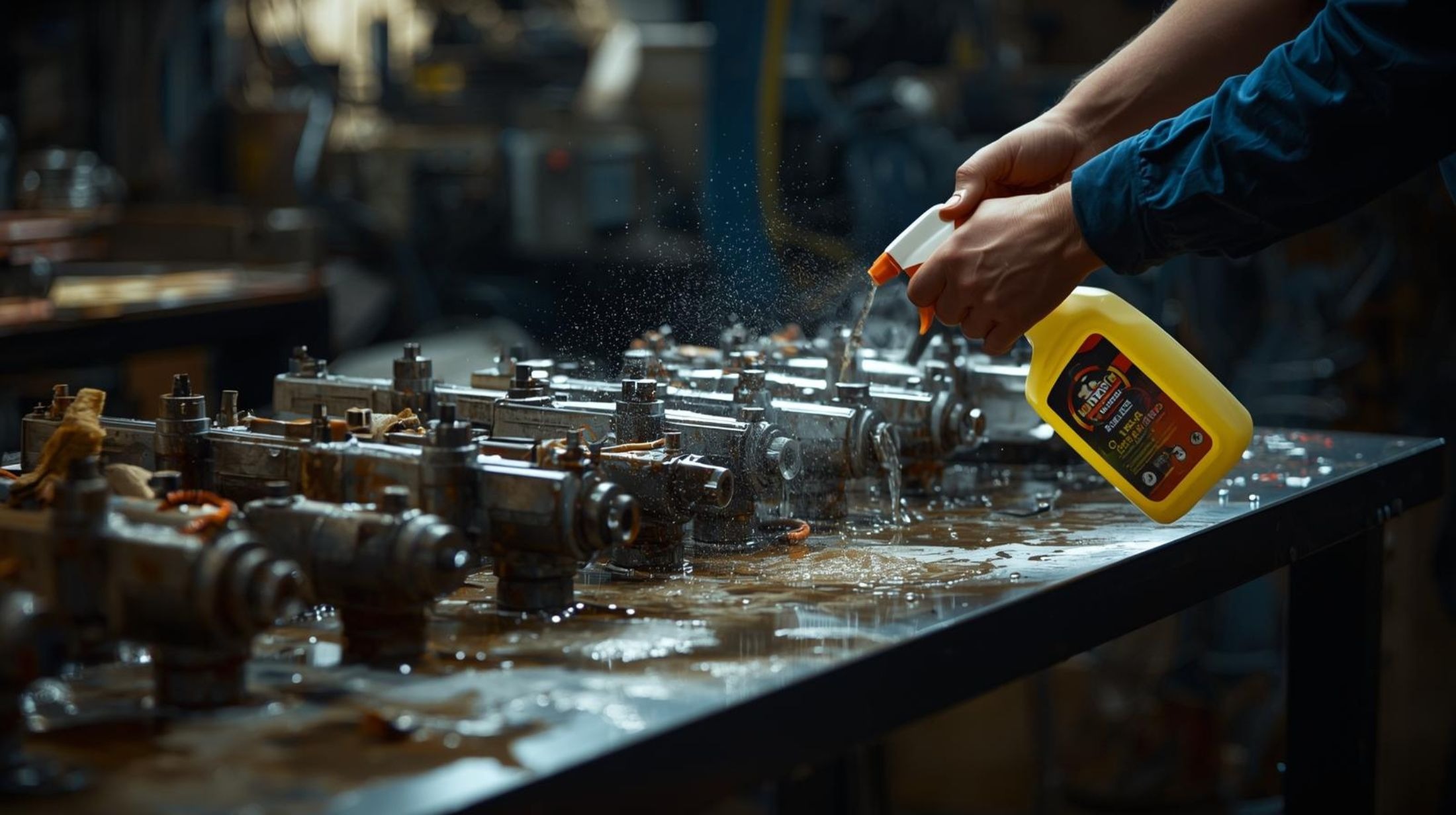
The modernization of industrial degreasers requires a transition toward green chemistry principles, focusing on worker safety, low aquatic toxicity, and rapid environmental degradation. Regulatory pressures (such as REACH and GHS) demand the elimination of alkylphenol ethoxylates (APEs), volatile organic solvents, and bioaccumulative chelators. Implementing green chemistry involves utilizing renewable raw materials and designing "quick-break" surfactants that facilitate wastewater oil-water separation.
4.1 Safer Solvents
Renewable bio-based solvents, including ethyl lactate (derived from corn fermentation) and soybean-derived methyl esters, provide high flashpoints and low vapor pressures. These bio-solvents serve as non-toxic, biodegradable alternatives to highly regulated hazardous air pollutants (HAPs), maintaining high solvency values across paraffinic and oxygenated grease soils.
4.2 Green Surfactants & Builders
Alkyl Polyglucosides (APGs), synthesized from coconut oil and corn starch, exhibit extreme chemical stability in high-concentration alkaline solutions (up to 20% active NaOH) and high salinity. APGs provide strong synergistic wetting when blended with linear alcohol ethoxylates, resulting in rapid biodegradation under both aerobic and anaerobic wastewater treatment conditions.
4.3 Wastewater & Safety Benefits
Modern "quick-break" formulation design ensures that the cleaning solution holds soils in a temporary emulsion during mechanical agitation, but releases the oils rapidly once entering quiet settling tanks. This dynamic separation allows for mechanical oil skimming, significantly lowering the chemical oxygen demand (COD) and total organic carbon (TOC) of discharge wastewater.
5. Industrial Cleaners: Product Categories
Industrial manufacturing plants demand distinct classes of industrial cleaners designed for specialized substrate metallurgy, operational temperatures, and foam limit parameters. Selecting the correct category of industrial cleaner prevents costly parts corrosion, ensures GHS plant compliance, and extends chemical bath operating lifetimes.
5.1 Alkaline Degreasers
High-pH, caustic formulations engineered with silicates to remove polymerized carbon and heavy oils from ferrous metals and steel substrates.
5.2 Solvent Degreasers
Anhydrous, high-dielectric solvent blends optimized for residue-free cleaning of precision electrical gear, electric motors, and fine bearings.
5.3 Metal Pretreatment
Multi-stage cleaners that remove mill oils, shop dirt, and oxides while concurrently depositing iron or zinc phosphate passivation layers.
5.4 CIP & Foam Cleaners
Highly structured surfactant blends optimized to generate clinging, long-lasting foam on vertical walls, or low-foam fluids for automated Clean-in-Place piping loop dynamics.
5.5 Floor Scrubber Fluids
Quick-break, low-foaming detergent fluids designed for automated walk-behind scrubbers, protecting recovery tank vacuum pumps from foam carryover.
5.6 Electro-Mechanical
Non-conductive, low-surface-tension fluorinated or isoparaffinic solvents for localized contamination removal without swelling delicate polymers.
5.7 Acid Descalers & Passivation
Mild organic acids and inhibitors remove scale and leave protective films to prevent flash rusting.
6. Manufacturing Engineering
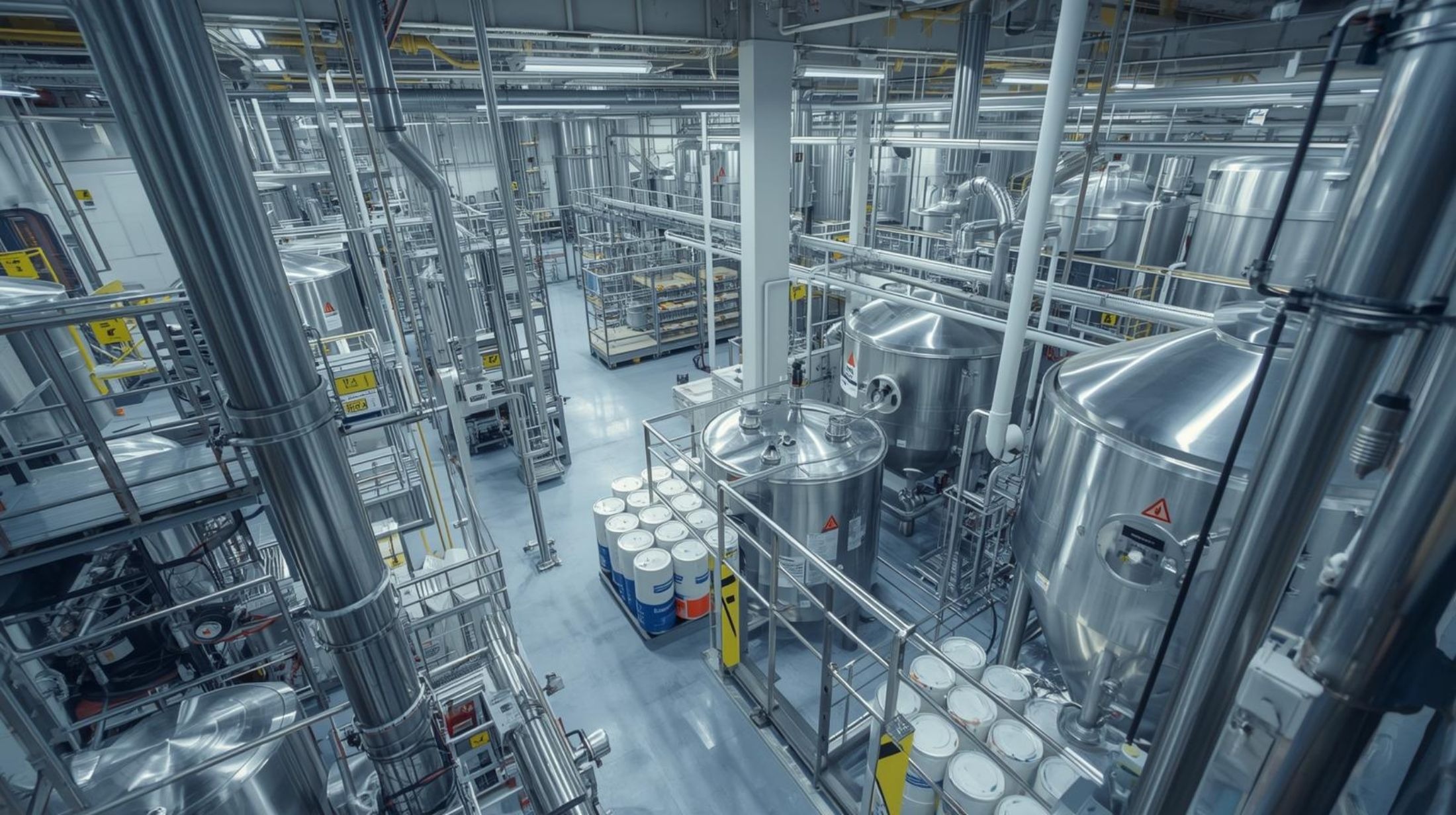
Scaling a laboratory beaker formulation to a 10,000-liter manufacturing batch demands rigorous chemical process engineering controls. Manufacturers must account for fluid dynamics, raw material addition sequences, heat transfer kinetics during builder hydration, and volatile emissions management. Proper plant design prevents gel phase formation during surfactant hydration and ensures long-term chemical shelf-life.
6.1 Production & Process Controls
Liquid blending requires a precise raw material addition order: water charge, chelator addition to capture trace minerals, alkaline dissolution, and surfactant hydration. High-shear mixing (via rotor-stator or cowles dissolvers) is required during surfactant introduction to prevent the formation of highly viscous liquid crystalline "gel phases." Thermal monitoring is critical; dissolving solid sodium hydroxide is highly exothermic, requiring controlled cooling to prevent thermal degradation of organic surfactants or exceeding their cloud points.
6.2 Quality Control & Compliance
Industrial batches undergo rigorous quality control testing and Certificate of Analysis (COA) documentation, including active alkalinity titrations, density (specific gravity) measurement, refractive index validation, and viscosity checks. Product stability is verified via accelerated aging trials in temperature-controlled ovens to monitor for phase separation, cloud point drift, or microbial degradation. Manufacturing facilities must maintain full GHS compliance, REACH compliance, and implement active local VOC scrubbers in exhaust stacks.
6.3 Safety & Equipment Considerations
Blending highly alkaline or solvent-based chemicals demands explosion-proof (ATEX-rated) equipment, grounding clamps to dissipate static charge, and specialized ventilation systems. Materials of construction must be carefully selected; 316L stainless steel, Hastelloy, and PTFE gaskets are required to withstand high-caustic, high-acid, and active organic solvent exposure without chemical leaching.
7. Commercial Relevance & Market Demand
The global industrial cleaning market is expanding rapidly, driven by strict regulatory environmental mandates, automation of metal fabrication, and localized supply chain growth. Industrial operators seek "turnkey" chemical packets that minimize water consumption, reduce wastewater treatment costs, and offer long-lasting bath stability. Formulators who can balance high-performance soil removal with ecological compliance capture major market value.
For detailed formulations and turnkey manufacturing support, visit Global Formulation – Cleaners & Technology.
Frequently Asked Questions (FAQ)
1. What makes industrial cleaners different from household cleaners?
Industrial cleaners target heavy, polymerized and metal-associated soils using higher alkalinity, stronger solvents, and dispersants tailored for plant environments. Household cleaners are formulated for mild, everyday soils and dermal safety in an unsupervised consumer setting, while industrial products are used by trained operators with PPE and are judged on throughput, bath life, and compatibility with specific plant metallurgy. This difference in intended soil load and user context is why industrial formulations can run at pH extremes or with solvent loads that would never appear on a retail shelf.
2. Why are alkaline cleaners so effective?
They saponify fats, hydrolyse polymers, and solubilise inorganic soils, which is essential for heavy-duty cleaning. High-pH hydroxide and silicate builders convert insoluble triglyceride greases into soluble fatty acid soaps, while chelating agents simultaneously bind hardness ions that would otherwise interfere with this reaction. This combination lets an alkaline system remove soils that a neutral-pH surfactant blend alone could not touch.
3. What solvents are used in industrial degreasers?
Common solvents include isoparaffins, glycol ethers, methyl esters and terpene-based solvents like d-limonene, each selected to match its Hansen solubility parameters to the target soil. Aliphatic isoparaffins handle mineral oils with a high flashpoint and low odor, glycol ethers act as coupling agents that bridge aqueous and organic phases, and terpene solvents are effective on asphaltic and rubber-based residues. The choice among them is driven as much by worker safety and VOC regulations as by raw cleaning power.
4. What is micro-emulsion cleaning?
A stabilized mix of solvent, surfactant and water that delivers high solvency with lower VOC emissions. Unlike a macro-emulsion, which needs continuous mechanical agitation to stay suspended, a micro-emulsion forms spontaneously and holds a near-zero interfacial tension between its phases. This lets it penetrate complex part geometries and dissolve heavy mineral greases while keeping the overall solvent content, and therefore the VOC footprint, low.
5. How is metal protected during industrial cleaning?
Corrosion inhibitors (silicates, phosphonates) and passivation chemistries prevent flash rust and protect surfaces after cleaning. Sodium metasilicate, for example, forms a thin protective silica film on aluminum and other soft metals to prevent caustic etching from the alkaline cleaning bath itself. Passivation chemistries applied as a final rinse step leave a thin protective layer that shields the freshly cleaned, bare metal surface until the next process step or coating is applied.
6. Where can I get industrial cleaner formulations and manufacturing support?
Contact Global Formulation for complete R&D, pilot batches and manufacturing consultancy, from initial bench-scale formulation through pilot batches to full commercial production. This includes raw material sourcing guidance, process engineering for scale-up, and support with GHS and REACH compliance documentation. Startups and existing manufacturers alike can engage the team for a single formulation project or ongoing technical support across a full product line.
Conclusion
Industrial cleaning is a multidisciplinary field combining surface chemistry, solvent science and process engineering. Modern formulations balance performance, safety and environmental compliance — enabling manufacturers to achieve reliable cleaning outcomes while meeting regulatory and sustainability goals.
For complete industrial cleaning formulations, R&D and manufacturing support—contact Global Formulation at consulting@globalformulation.com or visit our website.
Need Turnkey Formulation Services?
For complete technology packets, GHS compliant formulations, process setups, and hands-on laboratory support:
Email: consulting@globalformulation.com
Phone: +91 9819548320 | +91 8169102990
About the Author
Absar Khan is a chemical formulation specialist with expertise in household and industrial cleaners, aerosol products, and manufacturing process engineering. He leads Global Formulation, providing hands-on R&D, formulation development and large-scale manufacturing support.
LinkedIn: Connect with Absar Khan on LinkedIn