Industrial vs. Household Degreasers: Technical Guide
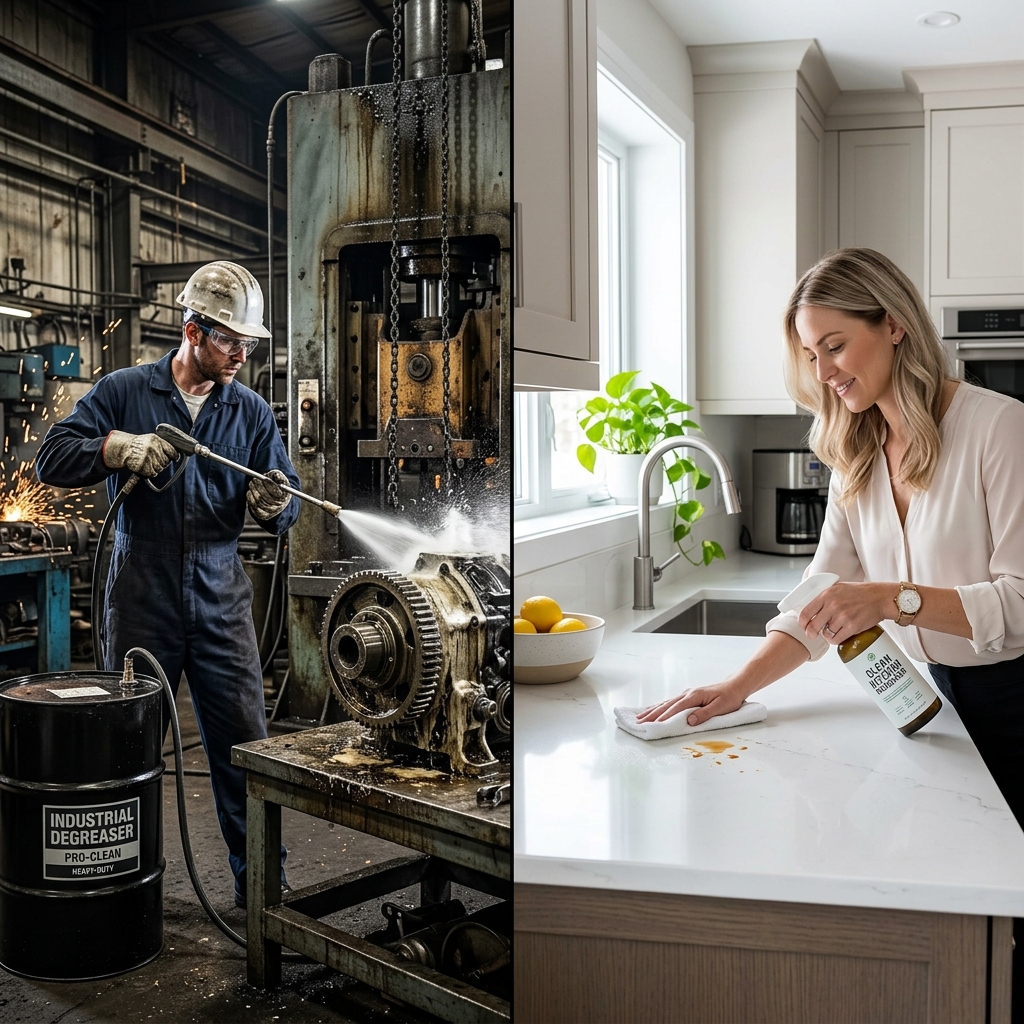
Selecting and formulating a high-performance degreasing agent is a critical decision in industrial maintenance, process engineering, and chemical manufacturing, directly impacting operational downtime and substrate longevity, a specialized branch of the broader household and industrial cleaners field. Developing these formulas moves far beyond consumer branding, requiring a deep mastery of surface science, molecular thermodynamics, and materials engineering to lift complex soils without damaging structural metals. For chemical startups and industrial formulators, understanding the microscopic differences between household detergents and heavy-duty degreasers is vital to achieve commercial success and comply with global safety standards.
Table of Contents
- 1. Introduction: Decoding the Degreasing Chemistry
- 2. Different Types of Industrial Degreasers
- 3. Water-based vs. Solvent-based Performance
- 4. The Core Science: Chemistry and Concentration
- 5. Benchmarks: Emulsification vs. Quick-Break Chemistry
- 6. Advanced Industrial Cleaning Methods
- 7. Safety and Regulatory Standards (VOC Compliance)
- 8. Specialized Degreasing in Automotive Manufacturing
- 9. Common Raw Materials for Formulations
- 10. Technical FAQ and Consultancy Details
1. Introduction: Decoding the Degreasing Chemistry
The distinction between an industrial degreaser and a household degreaser is not merely a matter of marketing or packaging sizes; it is a fundamental shift in chemical formulation, micelle dynamics, and molecular engineering. Household cleaners are designed for occasional, light-duty soils such as food oils, cooking fats, and dust on non-porous domestic surfaces like kitchen counters. In contrast, industrial manufacturing environments demand high-performance formulations capable of penetrating polymerized greases, heavy machinery oils, oxidized bitumen, and microscopic metallic particulates without damaging the underlying substrate.
For chemical startups and manufacturing entrepreneurs, understanding this divide is crucial for creating products that meet rigorous industrial standards while maintaining competitive performance benchmarks. Industrial cleaning processes typically involve high-temperature wash cycles, intense high-pressure spray impingement, or chemical immersion baths where detergents must remain chemically active and stable for extended periods. Operating in these harsh conditions requires formulation chemists to leverage the thermodynamics of mixed surfactant systems, complex builder chemistry, and specific corrosion inhibitors to deliver reliable cleaning performance at low cost.
2. Different Types of Industrial Degreasers
Industrial degreasers are generally categorized by their chemical properties, active pH ranges, and target soils to ensure they integrate seamlessly into batch manufacturing cycles. Selecting the correct type of formulation is vital for operational efficiency, substrate compatibility, and overall safety in the facility. Utilizing an incorrect formulation can lead to catastrophic substrate damage, such as aluminum etching, or result in incomplete cleaning that compromises subsequent coating, welding, or plating processes.
Alkaline, Acidic, and Neutral Formulations
The chemical industry divides aqueous degreasers into three primary pH brackets, each performing a highly targeted task in industrial processing, the same acid/neutral/alkaline framework explained in our pH and cleaning guide. The vast majority of industrial degreasing happens in the alkaline range (pH 11.0 to 14.0), which is exceptionally effective at breaking down organic oils, animal fats, and petroleum-based greases through chemical saponification and displacement. However, acidic degreasers are required for removing inorganic oxides, rust, and metallic scales, while neutral degreasers are reserved for highly sensitive electronics or mirror-finish alloys where chemical reactivity must be minimized to avoid surface discoloration or loss of dimensional tolerance.
- Heavy-Duty Alkaline (pH 11.5–14.0) — Formulated with sodium/potassium hydroxide and silicates to strip carbonized engine grease, heavy bitumen, waxes, and aged drawing lubricants from ferrous metals.
- Acidic Degreasers (pH 1.0–5.5) — Formulated with phosphoric, citric, or sulfamic acids to simultaneously dissolve inorganic rust scales and light oils during metal pre-treatment cycles.
- Neutral Degreasers (pH 6.5–8.5) — Designed with high active loads of non-ionic surfactants to clean delicate substrates like aerospace aluminum, copper alloys, and high-purity medical instruments.
3. Water-based vs. Solvent-based Performance
The choice between water-based (aqueous) and solvent-based degreasers represents a critical engineering decision that dictates a factory's safety protocols, waste disposal costs, and environmental compliance footprint. Historically, solvent degreasing was the dominant industrial standard, relying on the "like-dissolves-like" thermodynamic principle to rapidly dissolve heavy oils into a volatile organic solution. However, occupational health hazards and strict environmental laws have driven a massive industry shift toward high-performance water-based alternatives that meet stringent global standards.
The Surge of Aqueous Solutions in Modern Manufacturing
Advancements in aqueous chemistry have led to a major industry shift from hazardous solvent-based degreasers to safer, more sustainable water-based alternatives that meet REACH compliance and EPA standards. While solvents rely on physical dissolution, water-based degreasers use complex surfactant micelles, builders, and wetting agents to physically lift, encapsulate, and suspend grease, allowing for a clean water rinse and reduced risk of fire or toxicity in the manufacturing facility. Furthermore, aqueous systems are easily integrated into closed-loop filtration and oil-coalescing separation systems, significantly lowering the total cost of ownership (TCO) for large-scale industrial operations compared to the constant replenishment required for evaporative solvent baths.
- Outstanding Safety Profile — Water-based formulas are non-flammable, non-combustible, and eliminate volatile organic solvent inhalation risks for plant workers.
- Thermal Flexibility — Aqueous cleaners can be heated up to 80°C in spray cabinets or ultrasonic tanks, leveraging thermal energy to dramatically accelerate cleaning kinetics.
- Wastewater Efficacy — Water-based degreasers designed with quick-break surfactants allow rapid oil separation, simplifying on-site effluent treatment.
4. The Core Science: Chemistry and Concentration
At the molecular level, the performance gap between professional-grade industrial degreasers and common household cleaners is defined by active ingredient concentration, surfactant HLB design, and substrate compatibility chemistry. Household cleaners typically contain only 2% to 5% active chemical matter to ensure they are safe for skin contact and easily wiped off with a cloth. Industrial formulations, conversely, maintain high active matter concentrations (often 15% to 40% in concentrate form), requiring expert engineering to prevent phase separation in storage and guarantee stable chemical performance when diluted on the factory floor.
Surfactant Loading and HLB Balance: The Roll-Up Mechanism
The surfactant system is the thermodynamic heart of any high-performance formulation. In professional industrial degreasers, we employ a synergistic blend of non-ionic and anionic surfactants to optimize micelle formation even at high dilution ratios, following the same selection logic as our surfactant selection guide. This expertise in formulation ensures that the HLB (Hydrophile-Lipophile Balance) is precisely tuned to the specific type of grease encountered in the field, ensuring emulsification stability.
Thermodynamically, cleaning occurs via the roll-up mechanism. The surfactant molecules rapidly adsorb at the oil-substrate interface, lowering the contact angle and reducing the interfacial tension between the hydrophobic grease and the solid surface. This reduction in interfacial energy causes the flat, adhered oil film to contract, rolling up into discrete, spherical droplets that are easily detached from the surface by fluid flow or mechanical agitation. To wet and displace heavy, highly hydrophobic industrial hydrocarbons (mineral oils, paraffin waxes, asphaltenes, heavy bitumen), the formulation is optimized with surfactants possessing a low HLB (typically 8 to 12). Conversely, household kitchen triglyceryl fats require higher HLB values (12 to 15) to achieve spontaneous emulsification in water.
pH Levels, Saponification Kinetics & Substrate Corrosion Mitigation
While household cleaners maintain a "safe" pH near neutral (7.5 to 9.5), industrial degreasers often operate at extreme pH ranges (11.0 to 14.0) to achieve rapid saponification and chemically break down complex polymer bonds. Saponification is the base-catalyzed hydrolysis of fatty acid esters (triglycerides) to yield glycerol and fatty acid carboxylate salts, which are essentially soaps. These in-situ generated soaps then act as additional surfactants, boosting the cleaning efficiency of the continuous wash cycle.
However, managing high alkalinity requires sophisticated corrosion chemistry. On ferrous metals (steel and cast iron), high pH promotes steel passivation, preventing rust; alkaline builders like sodium metasilicate pentahydrate form a protective micro-silica layer that shields the steel surface. On amphoteric metals like aluminum, however, pH levels above 12.0 trigger aggressive corrosion and metal dissolution via aluminate formation:
2Al + 2OH⁻ + 6H₂O → 2Al(OH)₄⁻ + 3H₂
This reaction generates hydrogen gas and permanently etches the aluminum surface, destroying tight dimensional tolerances in machined aerospace or automotive components. To prevent this, premium industrial formulations incorporate specialized organic silicate corrosion inhibitors, control pH levels strictly below 11.0, and utilize high active loads of non-ionic wetting surfactants (like alcohol ethoxylates) to displace soil without relying on high hydroxide concentrations.
5. Benchmarks: Emulsification vs. Quick-Break Chemistry
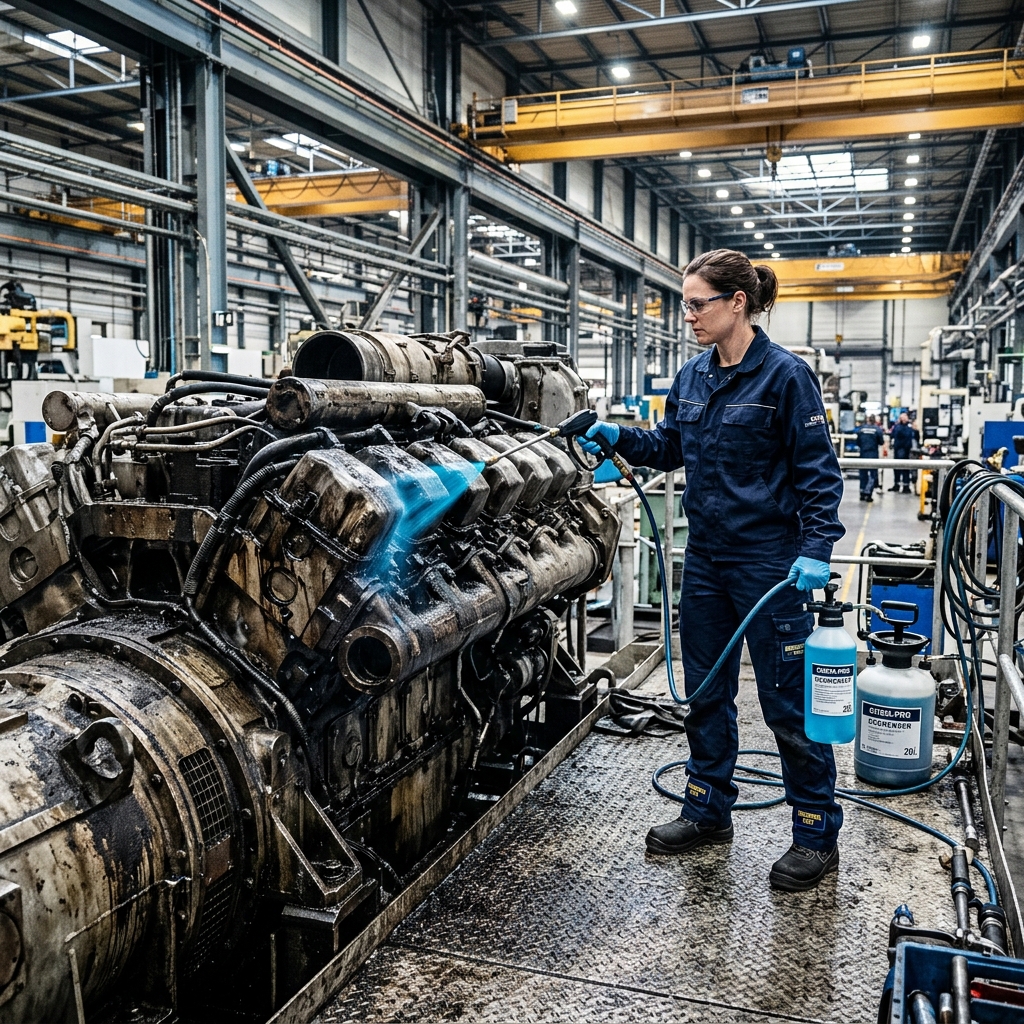
Evaluating the performance of an industrial degreaser requires analyzing not only how clean it leaves a metal surface, but also how the chemistry behaves in the factory's wastewater stream. Consumer degreasers are designed for single-use applications where the dirt and oil are held in a highly stable, permanent emulsion that is flushed directly down municipal drains. In contrast, industrial manufacturing units operate continuous wash baths that process thousands of liters of chemical solution daily, making permanent emulsification an operational and environmental liability.
Quick-Break Chemistry: Physics and Wastewater Compliance
While a household cleaner might hold oil in a permanent emulsion, industrial-grade formulations are engineered to displace oil from the surface and then allow it to separate rapidly in a holding tank. This displacement chemistry—known as Quick-Break technology—is critical for the long-term maintenance of industrial degreasing baths, significantly reducing raw material waste and operational costs for the manufacturer. Quick-break degreasers are formulated using specific non-ionic surfactants, such as polyoxyethylene-polyoxypropylene (EO/PO) block copolymers, that exhibit a distinct temperature-dependent solubility or cloud point.
During active cleaning, these surfactants are highly soluble in water, rapidly wetting the substrate and displacing grease under agitation. However, once the wash solution flows into a quiescent holding tank, the lack of agitation and temperature adjustments causes the micellar structure to break. The displaced oil droplets rapidly coalesce and separate into a distinct organic phase that floats to the surface, leaving the underlying water phase clear and active for reuse. This clean separation allows mechanical oil skimmers to continuously remove the floating oil, protecting downstream coalescing filters and ensuring the discharged wastewater complies with EPA Clean Water Act effluent standards.
| Performance Parameter | Household Degreasers | Industrial Degreasers |
|---|---|---|
| Active Chemical Matter | 2% to 5% active concentration | 15% to 40% active loading (highly concentrated) |
| pH Profile & Buffering | pH 7.5 to 9.5; minimal buffering capacity | pH 11.0 to 14.0; high alkaline buffering using silicates/hydroxides |
| Target Contaminants | Triglycerides, food fats, domestic dust, light oils | Machinery oils, paraffin waxes, asphaltenes, heavy bitumen, polymerized carbon greases |
| Emulsion Style | Stable, permanent emulsification | Quick-Break displacement; spontaneous phase separation |
| Application Methods | Trigger sprays, manual scrubbing, wipes | High-pressure spray tunnels, immersion dip tanks, heated ultrasonic cavitation |
6. Advanced Industrial Cleaning Methods
The mechanical application method is just as critical as the chemical formulation itself during the scaling production phase. Even a highly advanced degreaser will underperform if the mechanical delivery system is mismatched to the part's geometry or the soil's adherence, a variable also addressed in our broader complete guide to industrial degreaser formulation. Industrial engineers integrate chemical energy, thermal energy, and mechanical kinetics to accelerate cleaning cycles, ensuring complete removal of soils from complex internal recesses and machined bores.
Immersion, Spray, and Ultrasonic Cavitation Techniques
Industrial manufacturing lines leverage three primary cleaning techniques to deliver the physical energy required to dislodge soils. Spray washing systems utilize high kinetic impingement to physically blast softened grease off metal substrates, making them ideal for high-throughput, continuous conveyor tunnels. Immersion cleaning relies on extended chemical dwell times and elevated temperatures to dissolve heavy bitumen and greases, finding wide application in large metal pre-treatment dip tanks.
For highly complex parts containing narrow blind holes or threaded internal channels, ultrasonic degreasing is the superior method. This technique utilizes high-frequency sound waves (typically 25 kHz to 40 kHz) to generate millions of microscopic vacuum bubbles in the liquid degreaser through a process called acoustic cavitation. These bubbles expand until they reach an unstable size and violently implode; these implosions generate highly localized high-velocity micro-jets and extreme pressures that physically strip grease, carbonized oil, and particulate matter from the substrate without causing surface abrasion.
7. Safety and Regulatory Standards (VOC Compliance)
Operating a modern chemical blending facility or introducing a new degreaser to the market demands strict compliance with national and international environmental and occupational safety standards. Industrial chemical products are highly scrutinized by regulatory bodies to protect plant workers from toxic vapor inhalation and prevent the contamination of municipal water systems. Startups must validate their formulations using standardized testing protocols to secure certified performance claims and establish legal compliance in their target markets.
Compliance with ISO 9001 and local safety regulations is a non-negotiable factor in the manufacturing sector. Startups must ensure their formulations comply with international safety standards set by bodies like ASTM International, such as ASTM G122, for evaluating cleaning agents. This involves rigorous testing for flash points, toxicity, and biodegradability to ensure worker safety and environmental protection, documented through professional Safety Data Sheets (SDS).
Volatile Organic Compounds (VOCs) are heavily restricted in industrial settings due to air quality regulations. Developing low-VOC or VOC-free industrial formulations is a massive market opportunity for chemical entrepreneurs. For more information on VOC restrictions, refer to the Global Formulation guide on VOCs.
8. Specialized Degreasing in Automotive Manufacturing
Automotive production lines represent some of the most demanding cleaning environments in the world, where degreasing processes must achieve microscopic cleanliness to satisfy GMP (Good Manufacturing Practices) standards. From cleaning raw engine castings to removing protective drawing lubricants from body-in-white panels prior to welding and painting, the demand for highly reliable chemical formulations is constant. Any residual hydrocarbon left behind on a body panel can cause catastrophic adhesion failures during the paint and clearcoat application, resulting in "fish-eye" defects that cost manufacturers thousands of dollars in line shutdowns and reworks.
Pre-treatment and Engine Component Cleaning
In engine manufacturing, degreasers must remove not only coolants and metal chips but also anti-rust coatings applied for storage. For body panels, the degreaser acts as a pre-treatment that prepares the steel or aluminum for phosphating and painting. This dual role requires a chemical system that leaves absolutely no residue and maintains the surface's electrical conductivity for modern electro-coating processes.
- Phosphating Pre-Clean — Removing oils to allow for uniform zinc or iron phosphate coatings, establishing superior mechanical adhesion.
- Chassis Degreasing — Heavy-duty alkaline formulas designed to rapidly strip rust-preventative oil and drawing compounds from large structural components.
- Cast-Iron Preparation — Specific silicate-buffered formulations designed to clean cast-iron engine blocks without initiating flash rusting.
9. Common Raw Materials for Formulations
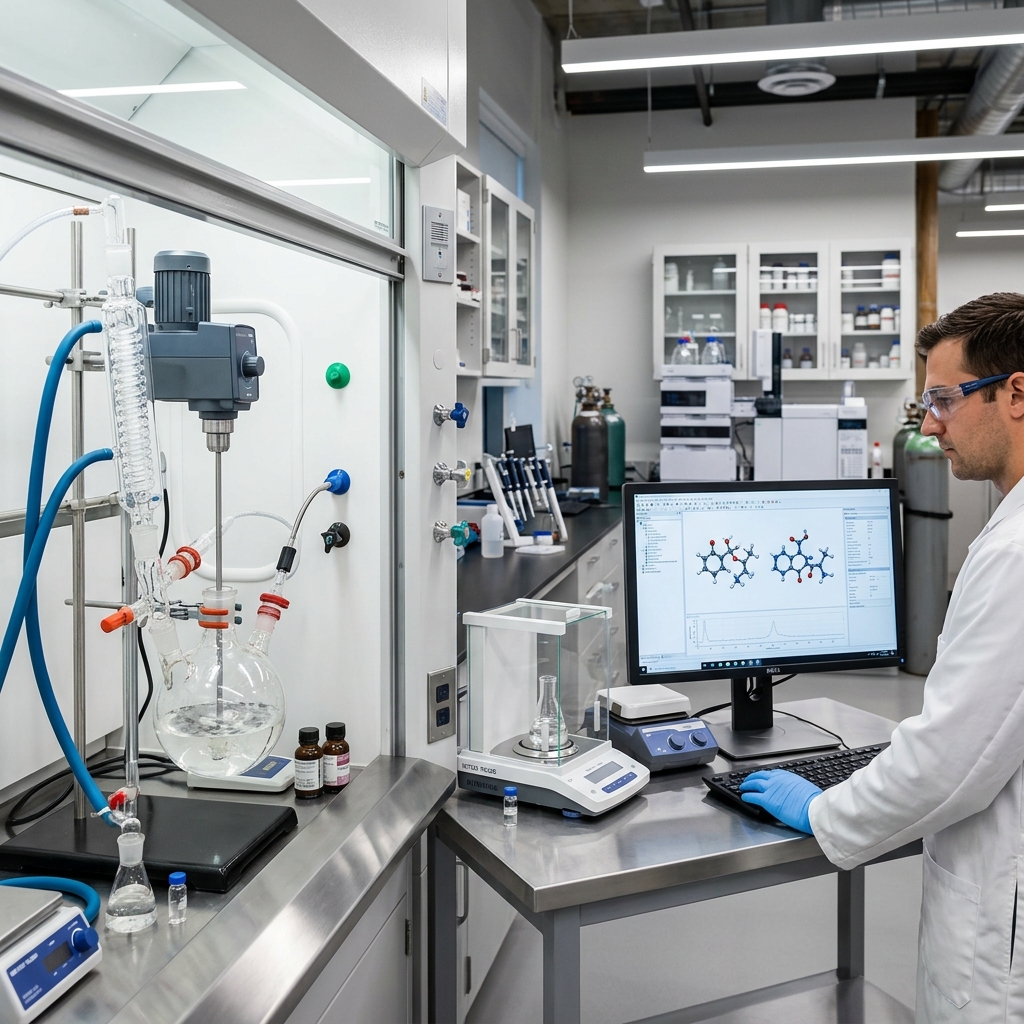
The performance, shelf-life stability, and material compatibility of a professional degreaser are directly proportional to its raw material selection and the precision of the Technology Transfer process, the same staged progression covered in our lab-to-market scale-up guide. High-performance manufacturing requires a strategic balance of surfactants, builders, co-solvents, and hydrotropes that can withstand extreme temperature and pH variations without phase separation — the risk of that instability is covered further in our phase separation guide. Choosing the right raw material supplier and understanding the synergies between different chemical classes is what separates a mediocre cleaner from an industry-leading formulation.
The Building Blocks of Industrial Chemistry
Success in large-scale manufacturing depends on sourcing active ingredients like ethoxylated alcohols for non-ionic performance and sodium metasilicate for structural alkalinity. Chelating agents like EDTA or MGDA are indispensable for managing hard water, ensuring that the surfactants remain active and do not precipitate as soap scum, which could compromise the cleaning performance on professional manufacturing lines.
Furthermore, concentrated industrial formulations require glycol ether co-solvents (such as Ethylene Glycol Monobutyl Ether [Butyl Cellosolve] or Propylene Glycol n-Butyl Ether [PnB]) to physically swell and soften highly polymerized grease backbones, allowing surfactants to penetrate the soil. To couple these high concentrations of surfactants, builders, and solvents into a single, isotropic, and thermodynamically stable phase in storage, formulators utilize hydrotropes like Sodium Xylene Sulfonate (SXS) or Sodium Cumene Sulfonate. Hydrotropes do not form micelles themselves but increase the solubility of organic compounds in highly concentrated electrolyte solutions, preventing phase separation across extreme temperature variations.
10. Frequently Asked Questions (FAQ)
Q1: Can I use a household degreaser for industrial parts cleaning?
A1: Technically yes, but it is highly inefficient and economically unviable. Household degreasers lack the necessary concentration of active surfactants, strong builders, and extreme alkalinity required to chemically break down and displace polymerized industrial greases, heavy bitumen, and machinery lubricants.
Q2: What makes a degreaser "industrial grade"?
A2: An industrial-grade degreaser is defined by its high active matter concentration (typically exceeding 20%), an HLB value precisely tuned for heavy hydrocarbon wetting, the presence of robust alkaline builders, corrosion inhibitors, and specific "Quick-Break" surfactants that facilitate oil-water separation in wastewater treatment plants.
Q3: Why is pH important in degreasing formulations?
A3: High alkalinity (pH 11.0 to 14.0) is vital to drive the saponification reaction, which hydrolyzes insoluble fats and oils into soluble glycerol and fatty acid soaps. This extreme alkalinity also breaks down the cross-linked structures of aged, oxidized oil, but must be buffered to protect sensitive metal substrates.
Q4: What is "Quick-Break" technology in degreasing?
A4: Quick-break chemistry allows the degreaser to temporarily emulsify grease for cleaning, but rapidly release the oil phase in holding tanks once physical agitation stops. This allows the oil droplets to coalesce and float to the surface, making it easy to skim mechanically and preventing ETP filter blockages.
Q5: Are industrial degreasers safe for the environment?
A5: Modern industrial formulations are moving away from hazardous chlorinated solvents toward water-based systems utilizing biodegradable surfactants (like alkyl polyglucosides) and eco-friendly chelating agents (like MGDA) to satisfy EPA and REACH environmental compliance standards.
Q6: How can a startup begin manufacturing industrial degreasers?
A6: Startups should begin by developing stable, high-performance base formulations with professional chemical consultancy, ensuring correct surfactant selection, corrosion limits, and builder ratios. Scaling up requires utilizing standard stainless steel reactors, process water systems, and rigorous quality control.
About the Specialist
Absar Khan is a senior industrial consultant with cross-disciplinary expertise spanning pharmaceutical manufacturing, cosmetics and personal care, home and institutional care chemicals, aerosols, lubricants, and advanced process engineering. His work integrates multiple scientific and engineering domains, including formulation chemistry, GMP facility design, validation science, quality systems, regulatory compliance, and large-scale manufacturing optimization.
LinkedIn Portfolio: Connect with Absar Khan on LinkedIn
Scale Your Degreaser Business with Expert Support
Discuss your physical degreaser formulation calculations, surfactant micellar thermodynamics, roll-up kinetics, Quick-Break physics, aluminum corrosion inhibitors, VOC-free glycol ether blending, hydrotropic phase stability, and complete batch scale-up dynamics with lead industrial consultant Absar Khan.
Email: consulting@globalformulation.com
Phone: +91 9819548320 +91 8169102990