Mastering Paint Formulation: A Comprehensive Guide
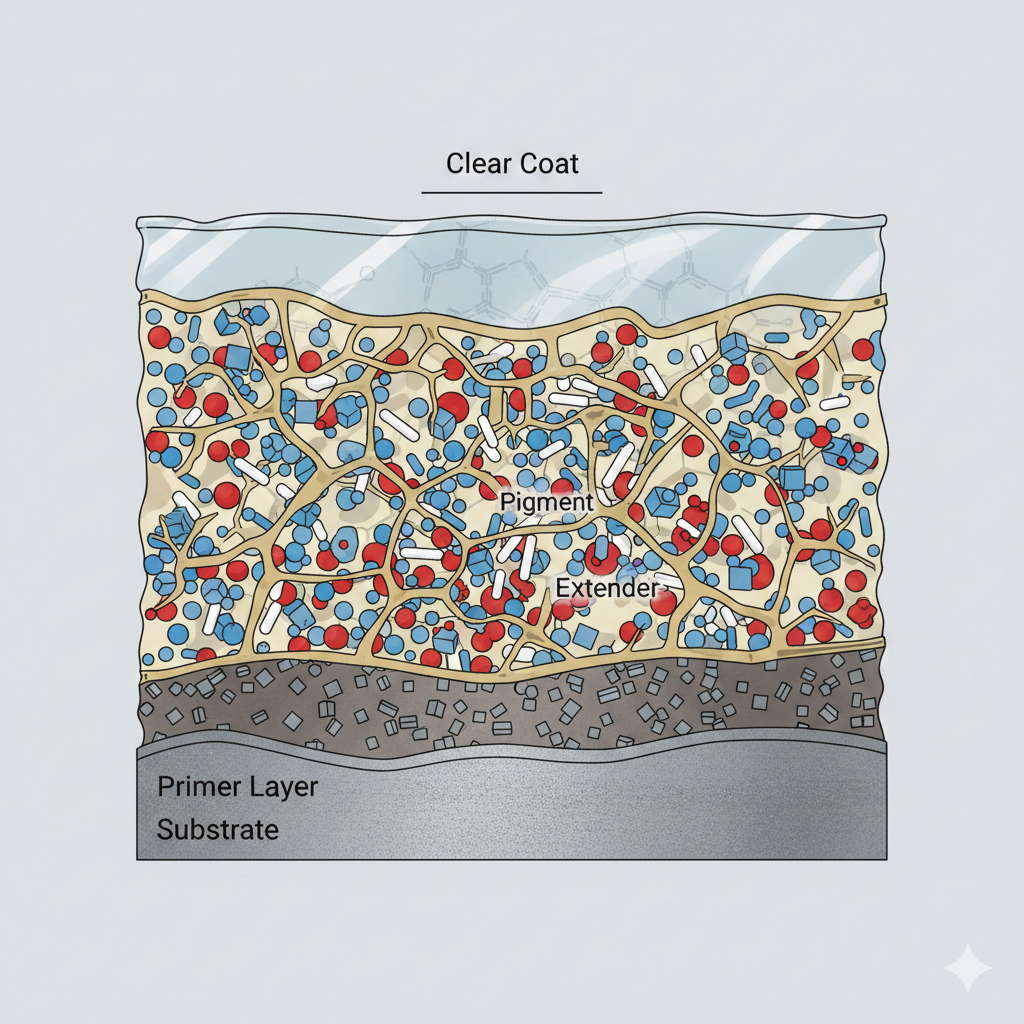
Developing a commercial paint formulation is a highly disciplined chemical engineering challenge that requires balancing multi-phase thermodynamics, polymer chemistry, and process rheology. A successful coating must not only satisfy aesthetic demands but must also provide robust substrate adhesion, mechanical flexibility, barrier protection, and long-term storage stability. For new manufacturers and startups, understanding the underlying physical chemistry of binders, pigments, solvents, and additives is the first critical step toward establishing market authority and ensuring manufacturing profitability.
Table of Contents
- 1. Introduction: Why Paint Formulation is More Than Just Mixing Colors
- 2. The Four Pillars of Paint Formulation
- 3. The Science of Proportions: Understanding PVC and CPVC
- 4. Step-by-Step: The Paint Manufacturing Process
- 5. Common Challenges for Startups (And How to Solve Them)
- 6. Frequently Asked Questions (FAQ)
1. Introduction: Why Paint Formulation is More Than Just Mixing Colors
To the untrained eye, paint manufacturing seems like a simple matter of dispersing colored powders into a liquid carrier to cover a wall. In industrial reality, paint formulation is a complex exercise in colloidal chemistry and thermodynamics, involving the suspension of heterogeneous solid particles in a liquid matrix. Achieving a stable paint requires preventing natural settling, clumping, or chemical separation under fluctuating environmental temperatures, demanding strict process control and highly engineered formulations.
The Market Opportunity in India and Globally
The global paints and coatings market is undergoing a structural expansion, driven by rapid infrastructure development, commercial building, and automotive manufacturing. In emerging economies like India, industrialization and urban housing demand are creating significant niches for specialized, high-performance formulations. New startups can leverage modern chemical advances to enter this lucrative space, capturing market share from legacy corporations by delivering tailored, eco-friendly, and cost-effective solutions.
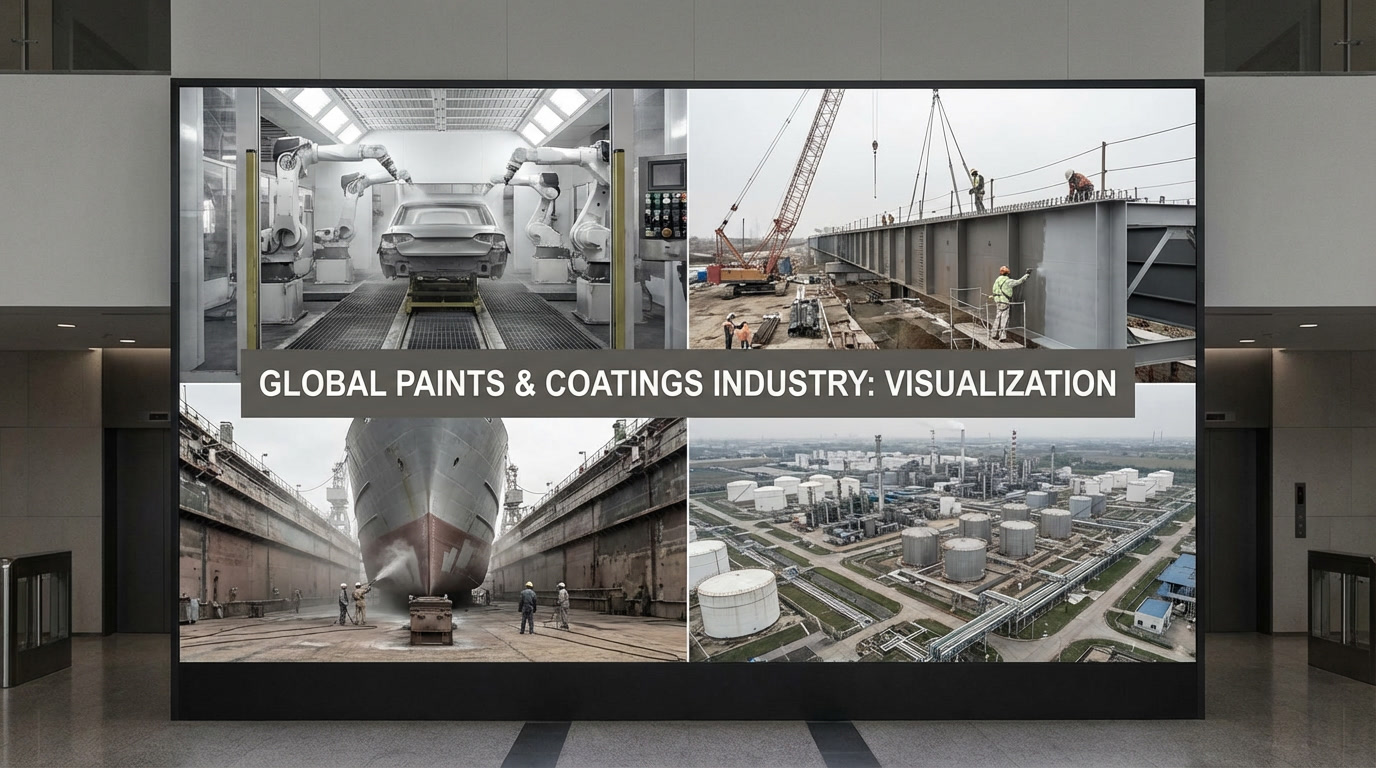
Identifying Your Niche: Decorative, Industrial, or Specialty Coatings
Before initiating laboratory development, the chemical engineer must define the target market, as each application demands distinct polymer backbones and curing behaviors. Architectural decorative coatings prioritize aesthetic quality, washability, and low environmental toxicity, whereas heavy-duty industrial coatings require rigorous chemical resistance, anti-corrosion barrier properties, and superior substrate adhesion. Specialty coatings, such as heat-resistant or marine anti-fouling coatings, represent highly technical high-margin niches where customized chemistry solves extremely specific client challenges.
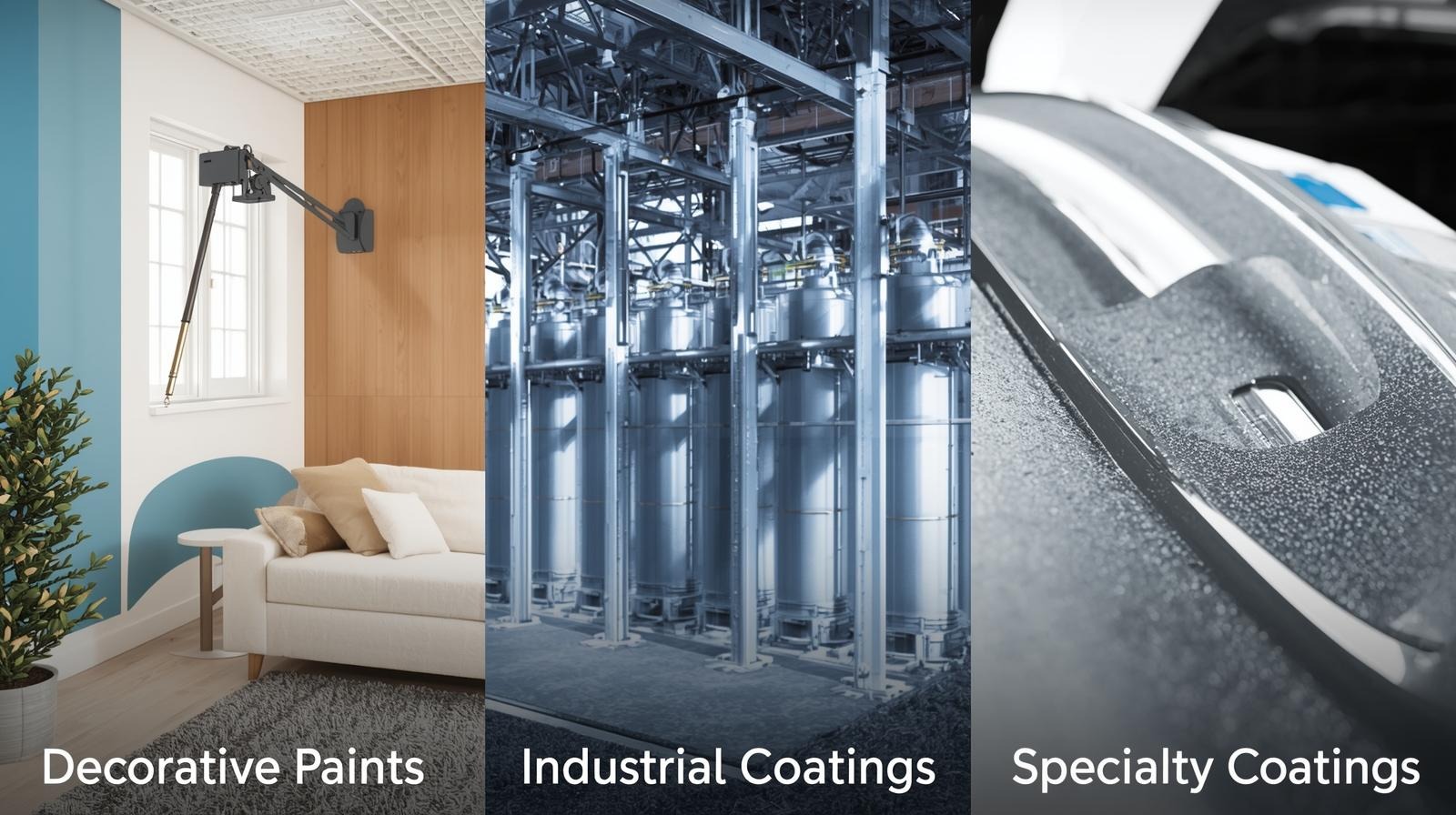
Decorative Paints: Primarily designed for architectural substrates, these water-borne or solvent-borne coatings focus on appearance, ease of application, color matching, and low odor, requiring binders that cure readily under ambient atmospheric conditions.
Industrial Coatings: Engineered for severe physical environments, these formulations protect steel, concrete, and machinery from corrosion, chemical attack, and mechanical abrasion, utilizing high-density cross-linked polymers like epoxies and urethanes.
Specialty Coatings: Custom-formulated solutions for high-technology markets, including intumescent fire-resistant coatings, conductive shielding paints, marine anti-fouling barriers, and high-performance aerospace finishes.
2. The Four Pillars of Paint Formulation
Every commercial coating, regardless of its end-use application, is composed of a synergistic blend of four primary component classes: binders, pigments/extenders, solvents, and additives. Each pillar performs a distinct physical or chemical role, and their precise ratio determines the wet application profile and the dry film characteristics. The principal task of the paint formulator is to engineer these interactions to optimize coverage, stability, mechanical strength, and production costs.
Binders (Resins): The Backbone of the Coating
Binders are the primary film-forming polymers that dictate the structural integrity, adhesion, and durability of the cured paint film. As the carrier liquid evaporates, the binder particles must coalesce or undergo chemical cross-linking to encapsulate the pigment particles and anchor firmly to the substrate. The molecular weight, polymer architecture, and glass transition temperature (Tg) of the resin select the mechanical limitations and life expectancy of the dry coating — our acrylic vs alkyd vs epoxy vs polyurethane comparison covers the curing chemistry behind each family in far more depth than the summary below.
- Acrylic Resins: Copolymers of methyl methacrylate (which provides hardness and UV stability) and butyl acrylate (which offers flexibility and water resistance). By balancing the glass transition temperature, formulators create latexes that form highly durable, non-yellowing exterior architectural films.
- Alkyd Resins: Polyester chains modified with fatty acids derived from natural drying oils. These systems dry through oxidative cross-linking (autoxidation) of unsaturated double bonds, a chemical process catalyzed by oil-soluble metallic driers like cobalt and zirconium octoates.
- Epoxy Resins: Thermosetting polymers containing epoxide groups, typically synthesized from bisphenol A and epichlorohydrin. When cross-linked with polyamines (e.g., diethylenetriamine), they form highly dense, chemical-resistant networks ideal for heavy-duty industrial primers and flooring.
- Polyurethane Resins: High-performance polymers containing urethane linkages formed by reacting polyols with diisocyanates. Aliphatic diisocyanates (such as HDI or IPDI) are specified for outstanding exterior color retention and weatherability, whereas aromatic diisocyanates (like TDI) are used for cost-effective, high-wear interior environments.
- Vinyl Resins: Copolymers such as vinyl acetate-ethylene (VAE), which provide excellent binding efficiency and mechanical stability in interior decorative coatings, offering a highly competitive cost-to-performance ratio.
Pigments and Extenders: Providing Color and Hiding Power
Pigments are fine particulate solids that impart color, opacity (hiding power), and UV protection to the coating by scattering or absorbing incident light rays. Extenders, or fillers, are natural or synthetic minerals with low refractive indices that do not contribute primary color or opacity, but are critical to mechanical strength, gloss control, rheology, and cost reduction. The interfacial interaction between these solid particulates and the surrounding binder phase dictates the physical density of the dry film, and getting that interaction right is the subject of our dedicated guide to pigment dispersion and dispersants.
- Titanium Dioxide (TiO2): The primary white pigment utilized globally. The rutile crystal modification is specified for high-performance paints due to its exceptionally high refractive index (n = 2.73), which provides maximum light scattering, and its surface coatings of alumina and silica that suppress destructive photocatalytic oxidation.
- Iron Oxides: Highly stable, cost-effective inorganic pigments that yield durable earth tones (reds, yellows, blacks). They exhibit exceptional chemical resistance, high opacity, and outstanding UV absorption, protecting the underlying binder.
- Organic Pigments: Synthetic carbon-based molecules (e.g., phthalocyanines and quinacridones) that deliver extremely vibrant colors. They possess lower density and smaller particle sizes than inorganic pigments, requiring advanced wetting agents due to their low-energy hydrophobic surfaces.
- Calcium Carbonate: A primary extender mineral available as ground limestone (GCC) or chemically precipitated (PCC). It is utilized to adjust sheen (gloss), increase the dry film build, control packing density, and safely reduce formulation raw material costs.
- Talc (Magnesium Silicate): A platy, lamellar mineral that aligns parallel to the substrate during film formation. This overlapping plate structure creates a tortuous path for moisture and corrosive ions, dramatically increasing the barrier protection of anti-corrosive primers.
- Kaolin Clay (Aluminum Silicate): Platy silicate minerals that serve as physical "spacers" between Titanium Dioxide particles. By preventing pigment crowding and agglomeration, kaolin clay optimizes the light-scattering efficiency of TiO2, maximizing dry opacity.
- Silica: Utilized in both amorphous forms (as matting agents that scatter light to reduce surface gloss) and fumed forms (to build thixotropic shear-thinning viscosity networks in solvent-borne systems).
Color Formulation: Tinting Systems and Computer Color Matching (CCM)
Matching a specific target shade is a distinct formulation discipline from selecting pigments for opacity and durability. Two systems dominate commercial paint color formulation: a fixed factory-batched shade, where the full pigment load is built into the base formula, and a point-of-sale tinting system, where a small number of neutral tint bases are dosed with universal colorant concentrates at the retail counter to produce thousands of shades on demand.
Modern colorant formulation is built around Computer Color Matching (CCM) software paired with a spectrophotometer. The instrument measures the spectral reflectance curve of a target sample, and the software calculates the colorant dosage — drawing on Kubelka-Munk light-scattering and absorption theory — needed to reproduce that curve using the colorants and base already qualified for that product line. This replaces manual trial-and-tint matching with a repeatable, storable formula, and is the standard approach used by major paint manufacturers and their tinting-machine networks worldwide.
Solvents (Carriers): Controlling Viscosity and Application
Solvents are volatile organic or inorganic liquids used to dissolve or disperse the binder and other solid components, yielding a fluid paint suitable for industrial application. By adjusting the thermodynamic solvency and evaporation kinetics of the blend, the formulator controls the wet paint's viscosity, leveling, sag resistance, and open time. Once the coating is applied, the solvent must completely evaporate, leaving a solid, uniform, defect-free polymer film behind.
- Water: The primary carrier liquid for water-borne latex paints. It is non-flammable, non-toxic, and has zero VOC contribution, but requires specialized co-solvents to control dry rates under high-humidity conditions and surfactants to wet hydrophobic surfaces.
- Alcohols: Polar solvents like isopropanol or n-butanol, frequently utilized in industrial coatings to control evaporation kinetics, stabilize water-reducible resins, and improve flow and leveling.
- Ketones: Strong polar solvents such as methyl ethyl ketone (MEK) or methyl isobutyl ketone (MIBK) that exhibit fast evaporation rates. They are highly effective at dissolving high-molecular-weight epoxy and acrylic resins, producing low-viscosity industrial sprays, though their use requires monitoring against occupational exposure limits in the mixing room.
- Esters: Versatile solvents like butyl acetate, offering excellent solvency for polyurethane and nitrocellulose lacquers. They provide a balanced evaporation rate, allowing the wet film to flow out smoothly without blistering or pinholing.
- Hydrocarbons: Aromatic solvents (like xylene or toluene) and aliphatic mineral spirits, traditionally utilized in solvent-borne alkyd and chlorinated rubber formulations to control solubility and drying kinetics.
Additives: Enhancing Performance
Additives are specialized chemical compounds introduced in minor concentrations (typically 0.1% to 2.0% by weight) to modify wet paint properties or dry film performance. Despite their low volume, they are critical to resolving chemical instability, rheological sag, surface defects, biological degradation, and film coalescence. The selective matching of additives to the primary resin-pigment matrix is the key to fine-tuning high-value paint systems.
- Dispersants: Copolymers that adsorb onto pigment surfaces, providing long-term stabilization. They prevent pigment clumping and settling via electrostatic repulsion (electrical double-layer charges) or steric stabilization (extended polymer chains).
- Wetting Agents: Small-molecule surfactants that lower the surface tension of the liquid phase, allowing it to wet the dry pigment powders during milling and spread uniformly over low-energy substrates.
- Defoamers: Silicone-modified or mineral oil-based compounds designed to rupture micro- and macro-bubbles generated during high-speed manufacturing or paint application, ensuring a pinhole-free film.
- Rheology Modifiers: Associative thickeners, such as Hydrophobically modified Ethoxylated Urethanes (HEUR) and Hydrophobically modified Alkali-Swellable Emulsions (HASE), which form physical networks to control high-shear viscosity, and non-associative thickeners (e.g., HEC) that thicken the water phase to prevent settling and impart the thixotropic shear-thinning behavior needed for sag-free vertical application.
- Preservatives (Biocides): Isothiazolinone blends (such as BIT and MIT) that prevent microbial spoilage in the wet tin, alongside dry-film algaecides that inhibit mold growth on external cured walls.
- UV Stabilizers: Hindered Amine Light Stabilizers (HALS) and UV absorbers that scavenge free radicals and intercept high-energy solar radiation, preventing the dry film from cracking, chalking, and color fading.
- Coalescing Agents: High-boiling ester alcohols (like Texanol) or glycol ethers that temporarily plasticize and soften latex polymer spheres. This lowers the Minimum Film Forming Temperature (MFFT), allowing the particles to fuse into a continuous barrier film before the coalescent slowly evaporates.
None of these four pillars works in isolation — a binder chosen without regard for its compatible pigment load, solvent system, and additive package is a formulation that will fail in the can long before it ever reaches a substrate.
3. The Science of Proportions: Understanding PVC and CPVC
The properties of a dry paint film are not determined by the weight percentages of its raw materials, but by the volumetric ratio of solid pigment particles to the polymer binder. This physical relationship is quantified by two core parameters: Pigment Volume Concentration (PVC) and Critical Pigment Volume Concentration (CPVC). Controlling these values is the fundamental chemical engineering tool for optimizing physical durability, gloss, opacity, and formulation economics.
What is Pigment Volume Concentration (PVC)?
Pigment Volume Concentration is the percentage of total dry film volume occupied by the pigment and extender solid particles, rather than the organic binder phase. It represents the spatial density of the fillers in the cured coating and governs the physical packing geometry of the solid phase. The mathematical equation for PVC is expressed as follows:
Low PVC (10% to 30%): Binder-rich formulations where the solid pigments are completely submerged in the polymer matrix. This configuration yields high-gloss finishes, excellent scrub resistance, outstanding weatherability, and high mechanical flexibility, common in premium gloss enamels and automotive topcoats.
High PVC (50% to 80%): Pigment-rich formulations where the solid particles are tightly packed. This structure produces a flat, matte appearance with high dry hiding power (due to air-pigment interfaces scattering light), but compromises mechanical durability, making it common in interior ceiling flat paints.
Finding the Critical Point (CPVC) for Durability and Gloss
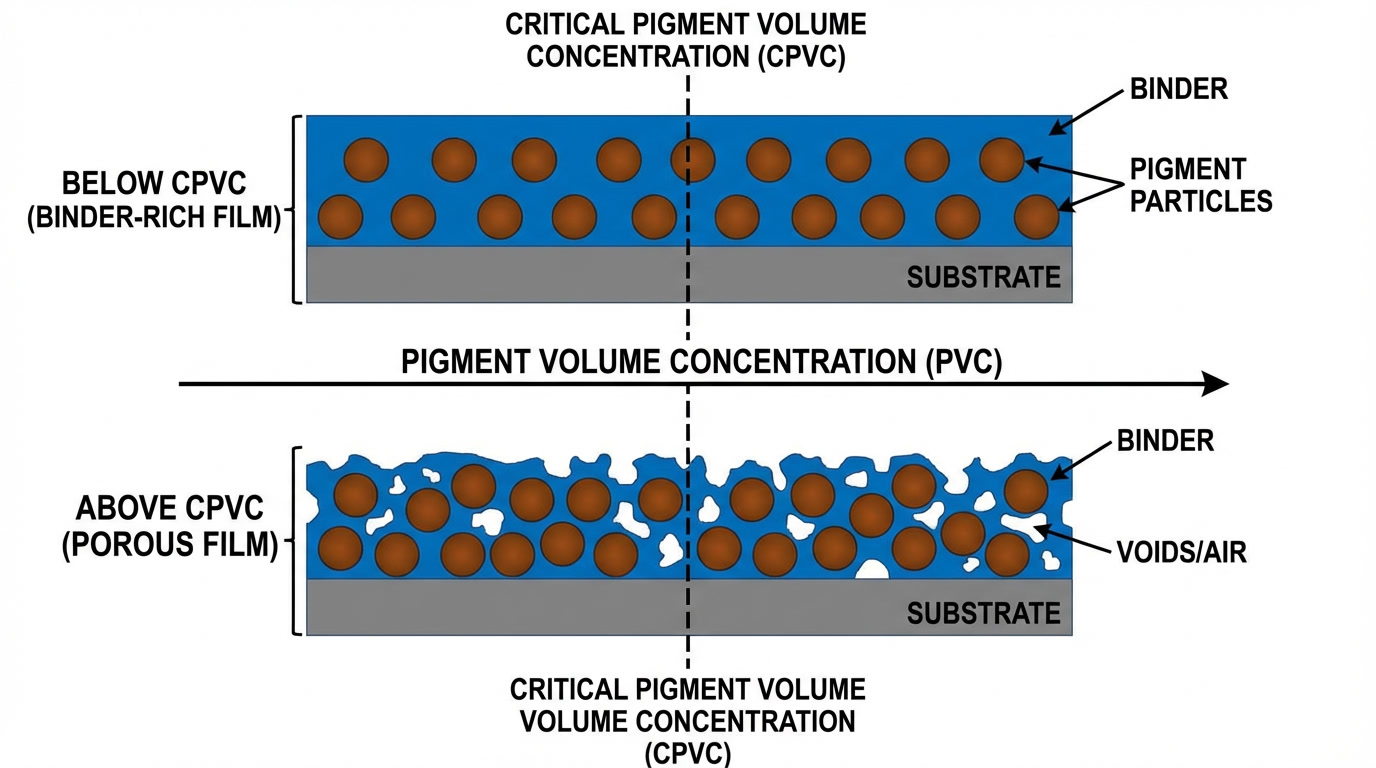
The Critical Pigment Volume Concentration (CPVC) is the exact stoichiometric point where there is just enough binder to completely coat all solid pigment and extender surfaces and fill the spatial voids between the packed particles. It represents a dramatic thermodynamic transition in the physical nature of the dry film. When a formulation crosses the CPVC threshold, the physical and chemical properties of the coating change abruptly.
Below CPVC: The dry paint film is a continuous, non-porous polymer barrier. This ensures maximum anti-corrosion protection, superior washability, high tensile strength, and high gloss, as the binder encapsulates the solids completely — the same PVC/CPVC discipline that governs formulation of zinc phosphate anti-corrosion primers, where staying below CPVC is what keeps the active pigment properly encapsulated.
Above CPVC: There is insufficient binder volume to fill the voids between pigment particles, resulting in microscopic air pockets trapped within the film. This porosity increases the light scattering (yielding high "dry hide" and matte appearance) but dramatically decreases scrub resistance, tensile strength, stain resistance, and corrosion protection.
Balancing Quality vs. Raw Material Costs
To maintain commercial profitability, chemical formulators utilize the relationship between PVC and CPVC to optimize raw material expenditures. Binders and prime hiding pigments (like rutile TiO2) are high-cost components, whereas inorganic extenders (like calcium carbonate or talc) are highly economical. By carefully packing different extender particle sizes to maximize packing density, formulators can increase the total solid loading (raising PVC) close to the CPVC without compromising the mechanical integrity of the film.
4. Step-by-Step: The Paint Manufacturing Process
Translating a laboratory paint formulation into large-scale commercial production requires a disciplined, multi-stage engineering process. The primary engineering goal is to transfer mechanical shear energy into dry pigment agglomerates to wet, disperse, and stabilize the solid particles in the liquid vehicle. Each manufacturing step must be carefully monitored to ensure chemical uniformity, consistent particle size reduction, and precise physical property verification.
Pre-mixing and High-Speed Dispersion
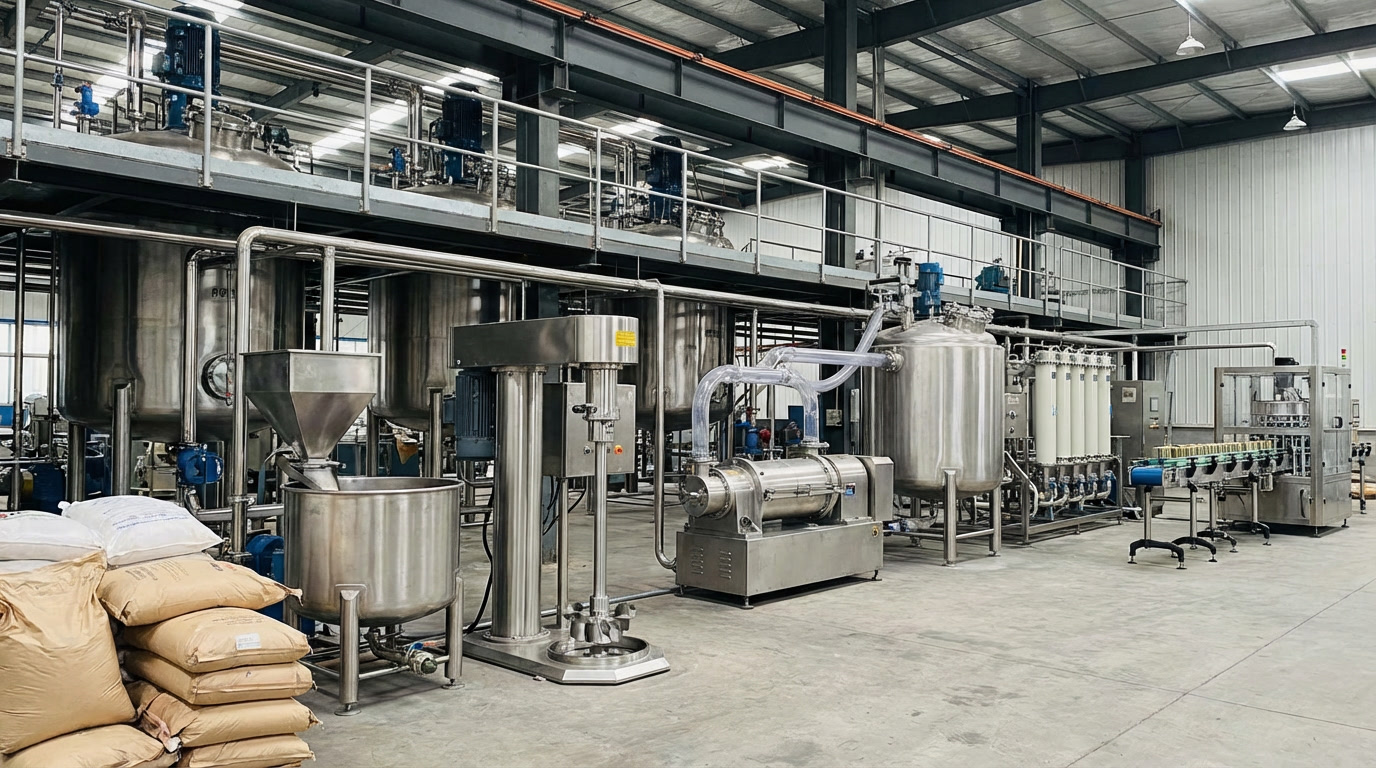
The first stage of manufacturing is the pre-mixing or "grind base preparation," where dry pigment and extender powders are introduced into a liquid mixture containing water or solvent, binders, wetting agents, and defoamers. This process is carried out in a High-Speed Disperser (HSD) fitted with a toothed Cowles impeller. The rotating blade generates intense mechanical shear and a characteristic donut-shaped flow profile, forcing the liquid to penetrate the interstitial spaces of the pigment agglomerates and displace trapped air.
To optimize dispersion efficiency, the HSD must operate at a blade tip speed of 18 to 25 meters per second, creating high shear stress. The viscosity of the grind paste must be carefully formulated: if the paste is too thin, the mechanical shear will be low, leading to incomplete dispersion; if it is too thick, the mixture will overheat, causing thermal degradation of the polymer stabilizers.
Grinding and Milling for Particle Size Reduction
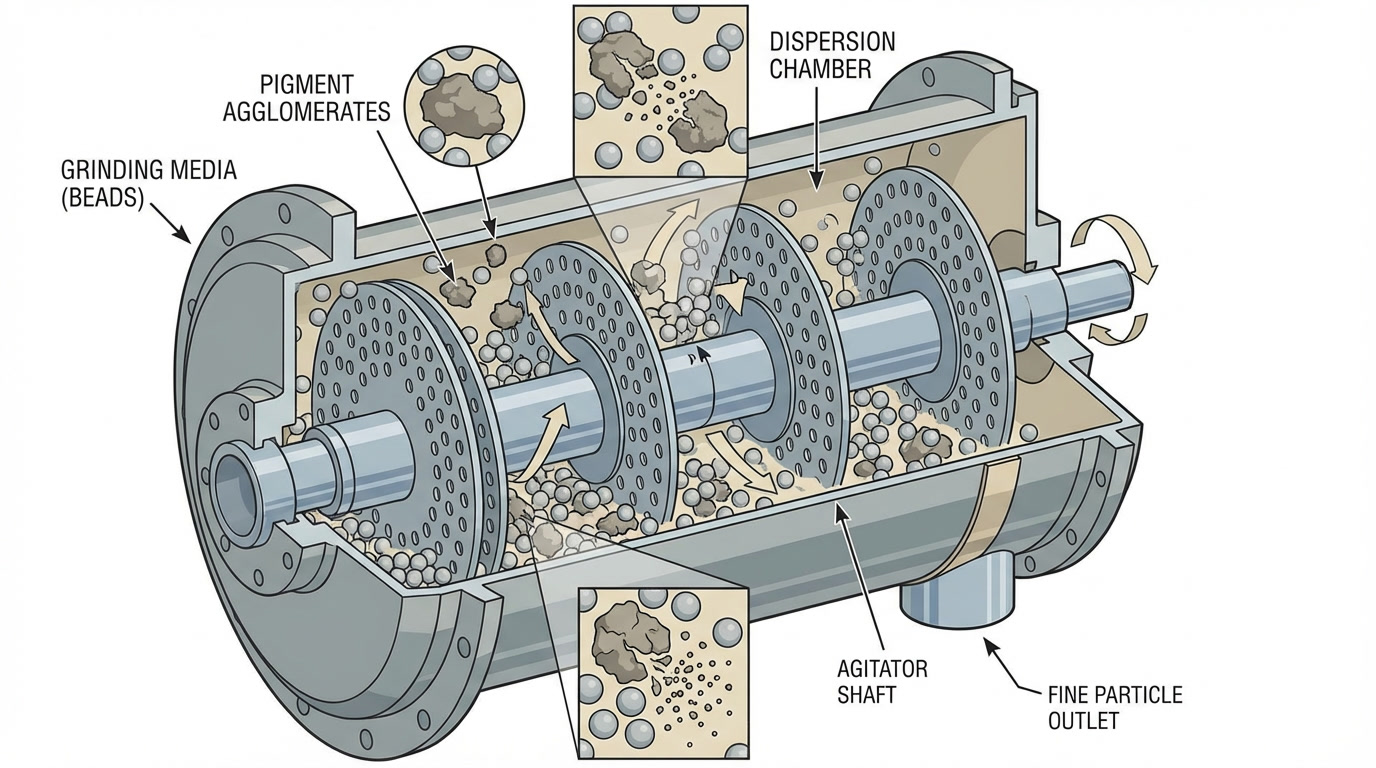
While the HSD is highly effective at breaking down soft agglomerates, it cannot reduce hard crystalline aggregates to their primary particle size. To achieve the high-gloss and color strength required for premium coatings, the wet slurry must be transferred to a media mill, such as a horizontal bead mill. Within the milling chamber, the paint paste is subjected to intense impact and shear forces generated by rapidly agitated grinding media—typically high-density zirconium silicate or yttria-stabilized zirconia beads (0.5 mm to 2.0 mm in diameter).
The degree of particle size reduction is monitored periodically using a Hegman gauge (fineness of grind gauge). A reading of 7 to 8 (less than 10 microns) is required for high-gloss automotive and industrial finishes, whereas a reading of 4 to 5 is sufficient for flat matte architectural coatings. Efficient grinding ensures maximum color development, optimizes hiding power, prevents in-can pigment settling, and enhances the final weatherability of the film.
Let-down and Final Adjustments
Once the pigment grind has achieved the target Hegman fineness, the concentrated slurry is transferred to a low-shear blending tank for the "let-down" phase. During this step, the remaining binder emulsion, solvents, and temperature-sensitive additives (such as thickeners, biocides, and slip agents) are slowly introduced under gentle agitation. This phase dilutes the highly viscous grind base into the final, ready-to-use coating concentration.
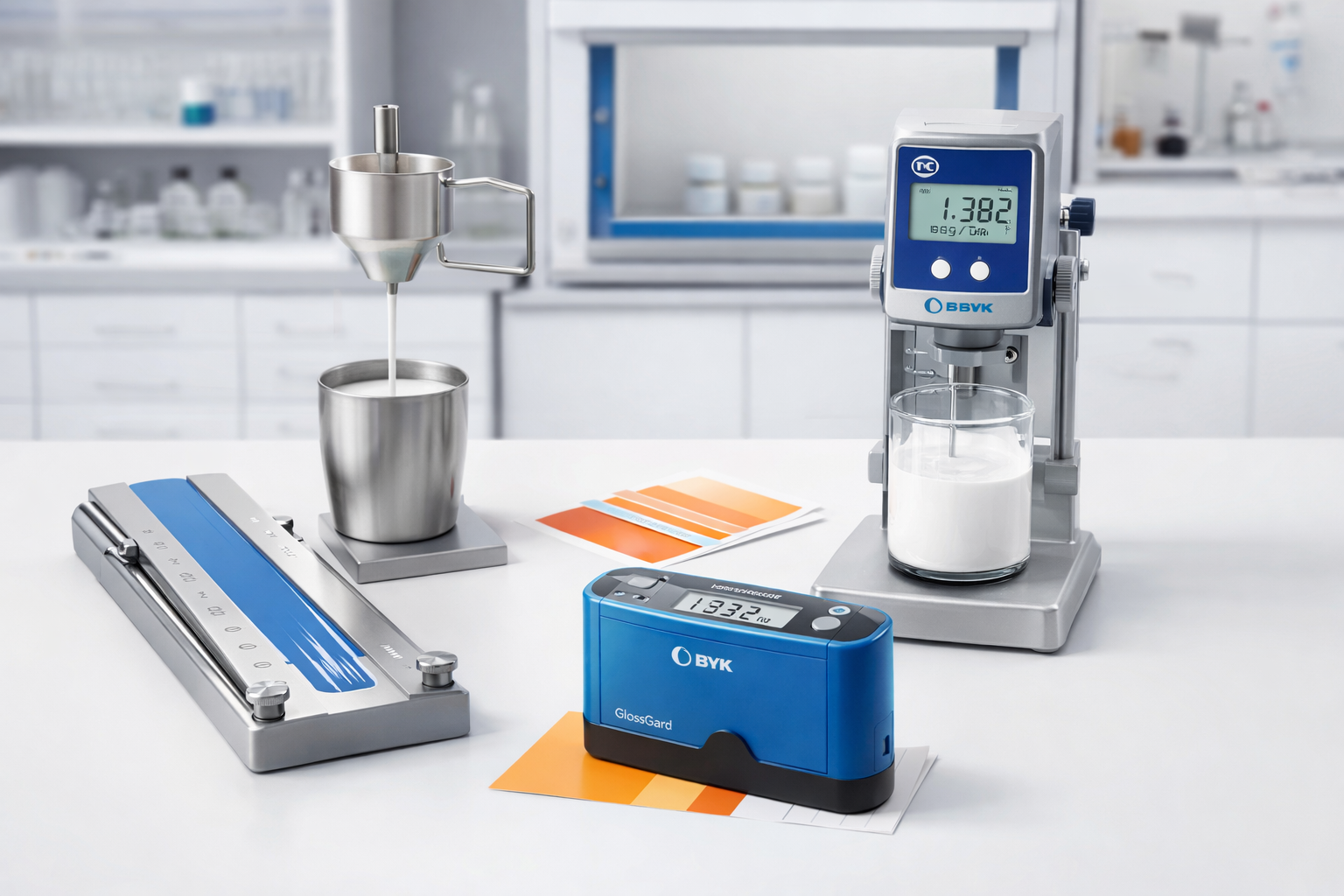
Before packaging, the batch must undergo rigorous Quality Control (QC) checks. Certified technicians measure viscosity (using Stormer or Brookfield viscometers), density, pH, non-volatile content, gloss, dry time, scrub resistance, and color match (using spectrophotometers against a master standard). This QC data becomes the basis for the batch's MSDS, TDS, and COA documentation. Once the batch satisfies all technical parameters, it is filtered through specialized mesh bags to remove any trace impurities and packaged into sealed containers.
5. Common Challenges for Startups (And How to Solve Them)
Launching a paint manufacturing startup is a highly rewarding commercial venture, but it introduces distinct technical and operational hurdles. New entrants must navigate volatile chemical raw material prices, maintain absolute consistency across batches, and comply with strict national and global environmental regulations. Proactively establishing standard quality control protocols and understanding the underlying chemical mechanisms is the key to preventing expensive product recalls and securing commercial success.
Managing Raw Material Price Volatility in the Indian Market
For paint manufacturers, raw material procurement represents the largest single operational cost. Crucial chemical items, such as Titanium Dioxide, specialty acrylic resins, and petroleum-based solvents, are subject to significant price fluctuations driven by global supply chains, energy costs, and currency variations. Startups must implement strategic sourcing and formulation flexibility to protect their profit margins.
- Formulate with Alternative Extenders: Optimize pigment packing by utilizing a blend of economical ground calcium carbonate and platy calcined kaolin clay, reducing dependence on expensive prime TiO2 without sacrificing opacity.
- Establish Multi-Vendor Approvals: Qualify and approve at least three independent chemical suppliers for every critical raw material (resins, dispersants, thickeners) to prevent supply bottlenecks and negotiate competitive pricing.
- Leverage Contract Sourcing: Negotiate volume-based supply agreements with fixed price caps for high-volume raw materials, securing price stability over 6 to 12-month production cycles.
Ensuring Batch-to-Batch Consistency
A single inconsistent batch of paint delivered to a major commercial project can lead to color mismatch claims, product failure, and severe damage to a startup's brand reputation. Variations in the moisture content of raw minerals, slight processing temperature spikes, or human measurement errors can cause dramatic shifts in viscosity, dry times, and final gloss. Implementing a rigorous, automated Quality Assurance system is non-negotiable.
- Implement Strict Raw Material QC: Test every incoming batch of resin for solids content and pH, and check extender minerals for moisture content before releasing them to the production floor.
- Standardize Process Parameters: Automate mixing times, impeller speeds, and milling temperatures on HSD and bead mill controls to eliminate operator-to-operator processing variations.
- Maintain Master Batch Retains: Store a sealed 1-liter physical retain sample of every commercial batch for at least two years to facilitate rapid troubleshooting and verify physical stability over time.
Meeting Global Environmental and VOC Regulations
Regulatory agencies globally and within India (such as the Central Pollution Control Board) are continually tightening limits on Volatile Organic Compounds (VOCs), hazardous air pollutants (HAPs), and toxic heavy metals — in the United States, consumer and industrial coatings fall under the EPA's national VOC emission standards. Startups must prioritize green chemical engineering from day one, developing low-VOC or zero-VOC water-borne coatings to ensure long-term compliance and capture the rapidly growing eco-conscious consumer segment.
- Transition to Water-Borne Systems: Replace traditional solvent-borne alkyd paints with advanced, low-VOC water-borne acrylic emulsions that offer comparable hardness and dry times.
- Specify Bio-Based Additives: Utilize natural, renewable bio-based coalescents, wetting agents, and preservatives to enhance the environmental profile of your product range.
- Eliminate APEO Surfactants: Formulate exclusively with alkylphenol ethoxylate-free (APEO-free) surfactants to comply with strict European and American environmental export regulations.
Raw material volatility, batch consistency, and regulatory compliance are not separate problems to solve in sequence — a startup that treats them as one integrated quality system from its first commercial batch avoids the recalls and reformulation costs that sink less disciplined competitors.
6. Conclusion: Scaling Your Paint Business
Mastering the scientific principles of paint formulation, physical chemistry, and process engineering is the concrete foundation upon which a scalable chemical manufacturing business is built. By selecting high-performance binders, optimizing pigment dispersion kinetics, controlling PVC/CPVC relationships, and enforcing rigorous laboratory quality control, startups can reliably deliver premium coatings. This technical discipline, combined with a progressive environmental stance, allows new manufacturers to establish authority, drive client trust, and capture high-value contracts in both local and global markets.
Leveraging Technical Expertise for Market Authority
In a highly competitive marketplace dominated by multi-national corporations, chemical startups can establish immediate authority by demonstrating profound technical transparency and consulting-led sales. Providing clients with detailed Technical Data Sheets (TDS), safety-compliant SDS, and sharing deep engineering insights regarding application rheology, corrosion resistance, and barrier protection immediately builds commercial trust. Partnering with a dedicated chemical consulting team ensures your formulations remain at the absolute cutting edge of scientific and regulatory excellence, whether you scale through in-house capacity or a manufacturing without a factory arrangement. For the commercial picture behind a decorative-paint unit — cold high-speed dispersion, a tinting-base strategy, and a costed India-basis feasibility study — see the Emulsion Paint Manufacturing Standard Project Report.
Explore Professional Insights
Deepen your understanding of the chemical engineering industry with our expert-led resources. Our blog covers a range of topics from product development to regulatory compliance, providing valuable insights for entrepreneurs and established businesses alike:
- The Complete Guide to Paints and Coatings: Formulations & Manufacturing Excellence Read Article
- Mastering Pigment Dispersion: The Role of Dispersants in Paint Read Article
- Understanding Volatile Organic Compounds (VOCs) and Their Impact on Pollution Read Article
- From Lab to Market: Key Differences Between R&D, Pilot Scale & Commercial Manufacturing Read Article
- Dangerous Formulation Mistakes: A Survival Guide for Chemical Startups Read Article
- Manufacturing Without a Factory Read Article
- The Future of Eco-Friendly Chemical Products Read Article
- Choosing the Right Product Consultant Read Article
Frequently Asked Questions (FAQ)
Q1: What is the most critical component in paint formulation?
A1: The binder (resin) is generally considered the most critical component. It is the primary polymer that forms a continuous film, binds all the pigment and extender particles together, provides adhesion to the substrate, and dictates the overall mechanical durability, chemical resistance, and weatherability of the coating.
Q2: What is the physical difference between a pigment and an extender?
A2: Pigments provide primary color and opacity (hiding power) by absorbing or scattering light, exhibiting high refractive indices (such as rutile TiO2 at 2.73). Extenders are filler minerals with low refractive indices (1.5 to 1.6) that provide minimal hiding power but are critical for adjusting gloss, increasing dry film thickness, reinforcing mechanical strength, preventing pigment crowding, and reducing overall raw material cost.
Q3: Why are VOC regulations critical for paint manufacturers?
A3: Volatile Organic Compounds (VOCs) evaporate into the atmosphere during paint application and drying, reacting with sunlight and nitrogen oxides to form ground-level ozone and smog. Compliance with national and international environmental standards (such as US EPA or European VOC Directives) is legally mandatory and represents a crucial commercial shift toward low-odor, zero-VOC water-borne or solvent-free industrial coatings.
Q4: How can a startup ensure consistent batch-to-batch quality in production?
A4: Consistency is achieved by strictly enforcing Standard Operating Procedures (SOPs), running comprehensive QC tests on all incoming raw materials (testing for moisture, solids, and pH), controlling process variables (mixing times,blade tip speeds, temperature), and conducting standardized analytical tests on each finished batch (viscosity, density, Hegman grind, pH, and color match).
Q5: What is the Hegman gauge used for in paint manufacturing?
A5: The Hegman gauge (fineness of grind gauge) is a calibrated steel block used to measure the average particle size and degree of dispersion of pigment agglomerates within the liquid grind base. Measured on a scale of 0 to 8, a higher Hegman reading (e.g., 7 to 8) represents a finer, more complete dispersion critical for high-gloss finishes, whereas lower readings are acceptable for flat, matte architectural coatings.
Q6: What is the thermodynamic significance of the CPVC threshold?
A6: The Critical Pigment Volume Concentration (CPVC) is the specific volumetric point where there is exactly enough binder to wet all pigment surfaces and fill all voids between packed pigment particles in the dry film. Operating above this threshold creates microscopic air voids and high porosity, leading to rapid degradation of scrub resistance, loss of gloss, and increased water permeability.
Q7: What software is used for paint color formulation?
A7: Commercial color formulation is built around Computer Color Matching (CCM) software paired with a spectrophotometer. The spectrophotometer measures the spectral reflectance of a target sample, and the software applies Kubelka-Munk light-scattering theory to calculate the colorant dosage needed to reproduce that color from the specific tint base and colorants already qualified for that product line, replacing manual trial-and-tint matching with a repeatable formula.
About the Specialist
Absar Khan is a senior industrial consultant with cross-disciplinary expertise spanning pharmaceutical manufacturing, cosmetics and personal care, home and institutional care chemicals, aerosols, lubricants, and advanced process engineering. His work integrates multiple scientific and engineering domains, including formulation chemistry, GMP facility design, validation science, quality systems, regulatory compliance, and large-scale manufacturing optimization.
LinkedIn Portfolio: Connect with Absar Khan on LinkedIn
Scale Your Paint Business with Expert Support
Discuss your physical paint formulation calculations, wetting agent Hydrophilic-Lipophilic Balance, Hegman gauge calibration, block copolymer matching, and custom plant scale-up protocols with lead industrial consultant Absar Khan.
Email: consulting@globalformulation.com
Phone: +91 9819548320 +91 8169102990