Cosmetic Preservatives Explained: Technical Guide

In the modern cosmetics industry, the role of preservatives extends far beyond merely extending shelf life. For a startup or an emerging entrepreneur, understanding that every water-based formulation is a potential breeding ground for microorganisms is the first step toward building a credible brand. Preservatives are the silent sentinels that protect your customers from unseen pathogens while maintaining the physical and chemical integrity of the product from the moment it leaves the production line until the final drop is used. At Global Formulation, we often see startups underestimating the complexity of preservation, especially when trying to balance the "preservative-free" marketing trend with real-world stability requirements. It is essential to recognize that "preservative-free" often means using ingredients that provide preservation functionality without being officially listed as preservatives by regulatory bodies. This nuanced approach requires expert level knowledge to execute safely.
Technical Roadmap & Curation Strategy
- 1. Why Preservatives are Non-Negotiable in Cosmetic Formulation
- 2. Types of Cosmetic Preservatives: From Traditional to Modern
- 3. Natural and Clean Beauty Preservation Trends (2025)
- 4. Technical Selection Criteria: How to Choose the Right System
- 5. Ensuring Stability: Challenge Testing and Quality Control
- 6. Frequently Asked Questions (FAQ)
1. Why Preservatives are Non-Negotiable in Cosmetic Formulation
In the modern cosmetics industry, the role of preservatives extends far beyond merely extending shelf life. For a startup or an emerging entrepreneur, understanding that every water-based formulation is a potential breeding ground for microorganisms is the first step toward building a credible brand. Preservatives are the silent sentinels that protect your customers from unseen pathogens while maintaining the physical and chemical integrity of the product from the moment it leaves the production line until the final drop is used.
Failure to implement an effective preservation system can lead to catastrophic consequences, ranging from minor skin irritations and product spoilage (off-odors, color changes) to severe infections and legal liabilities. In a market where consumer trust is the primary currency, ensuring that your formulation remains "clean" in every sense of the word is not just a regulatory requirement—it is a moral and business imperative. As we delve into the technicalities, it becomes clear that preservation is a sophisticated branch of formulation science that requires a deep understanding of biology, chemistry, and process engineering. The failure modes described in our guide to preservative failure in aqueous cosmetics — mould, discolouration, and challenge-test failure — are the direct downstream consequence of getting the decisions in this guide wrong.
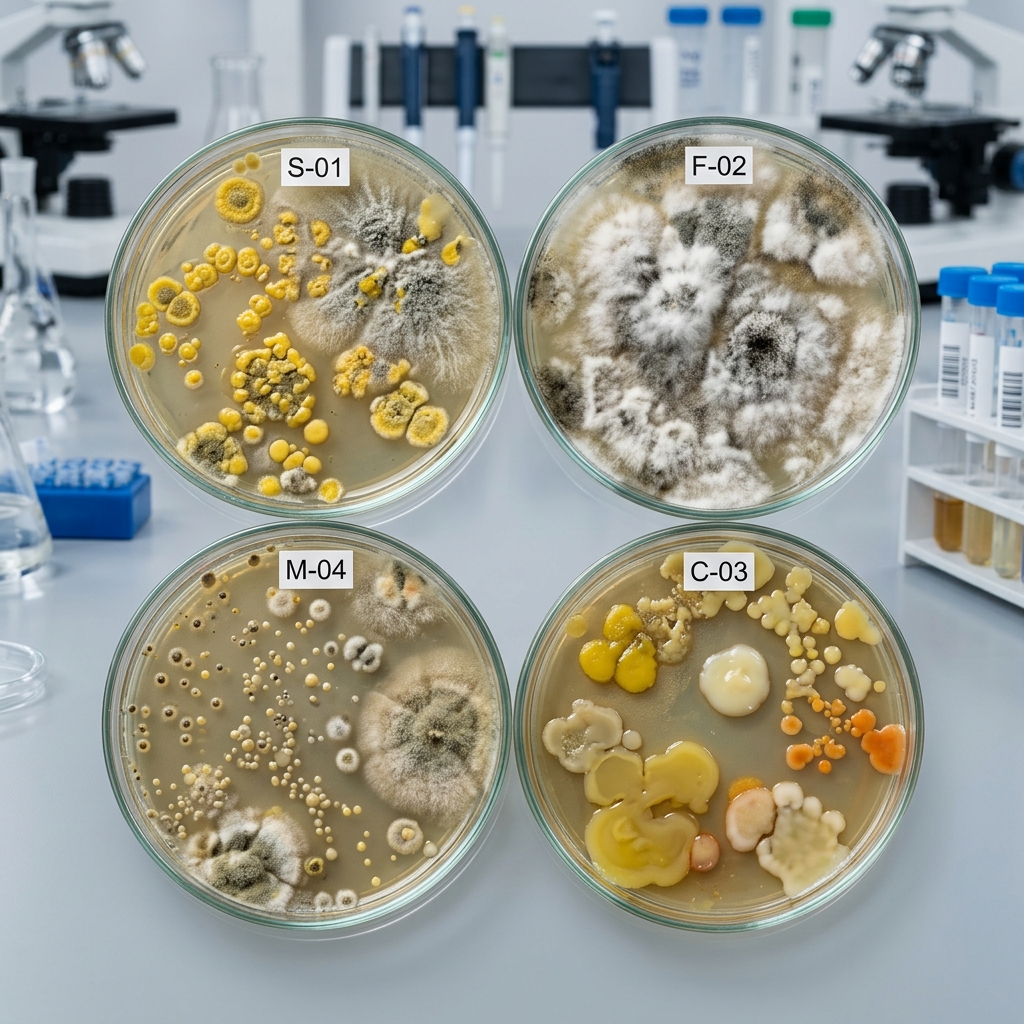
Understanding Microbial Contamination Risks
Microbial contamination in cosmetics primarily involves three categories of organisms: bacteria, yeast, and molds. Bacteria, such as Staphylococcus aureus and Pseudomonas aeruginosa, are particularly dangerous as they can thrive in moist environments and cause significant skin and eye infections. Yeast and molds, on the other hand, are more resilient and can survive in harsher, more acidic environments, often manifesting as visible fuzzy growth or sediment in lotions and cleansers.
Contamination can occur at two distinct stages: during the manufacturing process (factory contamination) and during consumer use (user-introduced contamination). While GMP (Good Manufacturing Practices) can mitigate the former, only a robust preservation system can protect the product against the latter, where consumers introduce moisture and bacteria into the packaging through daily contact. This dual challenge explains why "broad-spectrum" protection is the industry gold standard.
The Role of Water Activity (Aw) in Preservative Selection
Water activity, denoted as Aw, is a measure of the "available" water that microorganisms can use to grow. It is different from the total water content of a formula. For instance, a high-glycerin cream might have significant water content but low water activity because the glycerin "binds" the water, making it unavailable for microbial metabolism. Understanding Aw allows formulators to optimize preservative dosage; products with Aw below 0.6 are generally considered self-preserving.
However, most skincare products like emulsions, serums, and body washes have high Aw (often >0.9), necessitating aggressive preservation strategies. Formulators must manipulate the Aw through the addition of humectants and salts, which can sometimes allow for a reduction in traditional preservative concentration, aligning with "clean beauty" goals without sacrificing safety. This technical leverage is a hallmark of professional-grade formulation engineering.
2. Types of Cosmetic Preservatives: From Traditional to Modern
The landscape of cosmetic preservatives has shifted dramatically over the last decade. Historically, formulators relied on a narrow group of highly effective but increasingly controversial chemicals. Today, the "formulator's toolkit" has expanded to include organic acids, bio-ferments, and multifunctional boosters that offer protection while satisfying the demand for transparency and skin-friendliness. Choosing between them requires a balance of efficacy, cost, and marketing strategy.
Regardless of the origin—be it synthetic or botanical—the primary mechanism of a preservative remains the same: disrupting the microbial cell wall, interfering with metabolic enzymes, or inhibiting DNA replication. The effectiveness of these mechanisms is highly dependent on the "matrix" of your formulation—the surfactants, oils, and active ingredients that can either enhance or deactivate your preservative system. Understanding these interactions is critical for any startup looking to avoid common dangerous formulation mistakes.
Traditional Systems: Parabens and Formaldehyde Releasers
Parabens (Methyl, Propyl, Butyl) were the industry standard for decades due to their excellent broad-spectrum efficacy, stability at high temperatures, and low cost. Despite their widespread use and clinical safety record, consumer perception and regulatory changes (especially in the EU) have pushed them out of the mainstream clean beauty market. However, for certain industrial-scale products or high-pH formulations, they remain a technically superior choice where other systems fail. Their approved status and maximum concentrations across EU markets are listed in the European Commission's CosIng ingredient database, which every EU-facing formulator should check before finalizing a preservative system.
Formaldehyde releasers, such as DMDM Hydantoin and Imidazolidinyl Urea, work by slowly releasing trace amounts of formaldehyde to kill microbes. While extremely effective against bacteria, they are also facing significant scrutiny due to potential sensitization risks. For a startup, while these systems are reliable, they may present a significant marketing hurdle in the "clean" and "natural" segments of the market.
Organic Acids and Their Salts: The Workhorses of Clean Beauty
Organic acids, including Sodium Benzoate, Potassium Sorbate, and Sorbic Acid, have become the preferred choice for natural-focused brands. They are often food-grade and widely accepted by natural certification bodies like ECO-CERT and COSMOS and NATRUE, whose standards restrict which preservative classes are permitted in a certified formula. These preservatives are particularly effective against yeast and molds but require a specific pH environment (typically below 5.5) to remain in their active, non-dissociated form.
Using organic acids requires precise pH control. If the formulation drifts above pH 6.0, these salts lose their antimicrobial potency, leaving the product vulnerable. At Global Formulation, we emphasize that "natural" preservation isn't inherently easier; it often requires more rigorous process control and stability monitoring than traditional systems. For those developing liquid hand wash formulations, organic acid systems are often the perfect balance of efficacy and marketing appeal.
The Rise of Multifunctional Preservative Boosters
The cutting edge of preservation science lies in "multifunctional" ingredients. These are substances like Caprylyl Glycol, Ethylhexylglycerin, and Glyceryl Caprylate that function as skin-conditioning emollients or humectants while simultaneously disrupting microbial cell membranes. They are often used to "boost" the efficacy of primary preservatives, allowing for significantly lower overall dosages of traditional antimicrobials.
By using boosters, formulators can achieve a "preservative-free" claim (by INCI standards) while maintaining pharmaceutical-grade stability. This approach is highly recommended for startups targeting the premium, "clinically clean" skincare demographic. It represents a sophisticated move from primitive preservation to intelligent formulation architecture.
3. Natural and Clean Beauty Preservation Trends (2025)
As we move into 2025, the demand for "natural" preservation has evolved from a niche request to a global standard. However, the definition of natural in preservation is shifting away from mere plant extracts toward biotech-derived solutions. Startups today must navigate a landscape where "preservative-free" marketing claims are under heavy regulatory scrutiny, and consumers are becoming increasingly sophisticated about ingredient lists and sustainability. The focus is no longer just on "killing germs," but on doing so sustainably and gently.
A significant trend is the move toward "Microbiome-Friendly" preservation. Research has shown that traditional harsh preservatives can disrupt the skin’s natural microbial balance, potentially leading to sensitivity and dryness. Modern formulation strategies involve using selective antimicrobial agents that target harmful spoilage organisms without obliterating the beneficial commensal bacteria on the skin. This level of precision is the future of how cosmetic formulations are developed in the era of high-tech skincare.
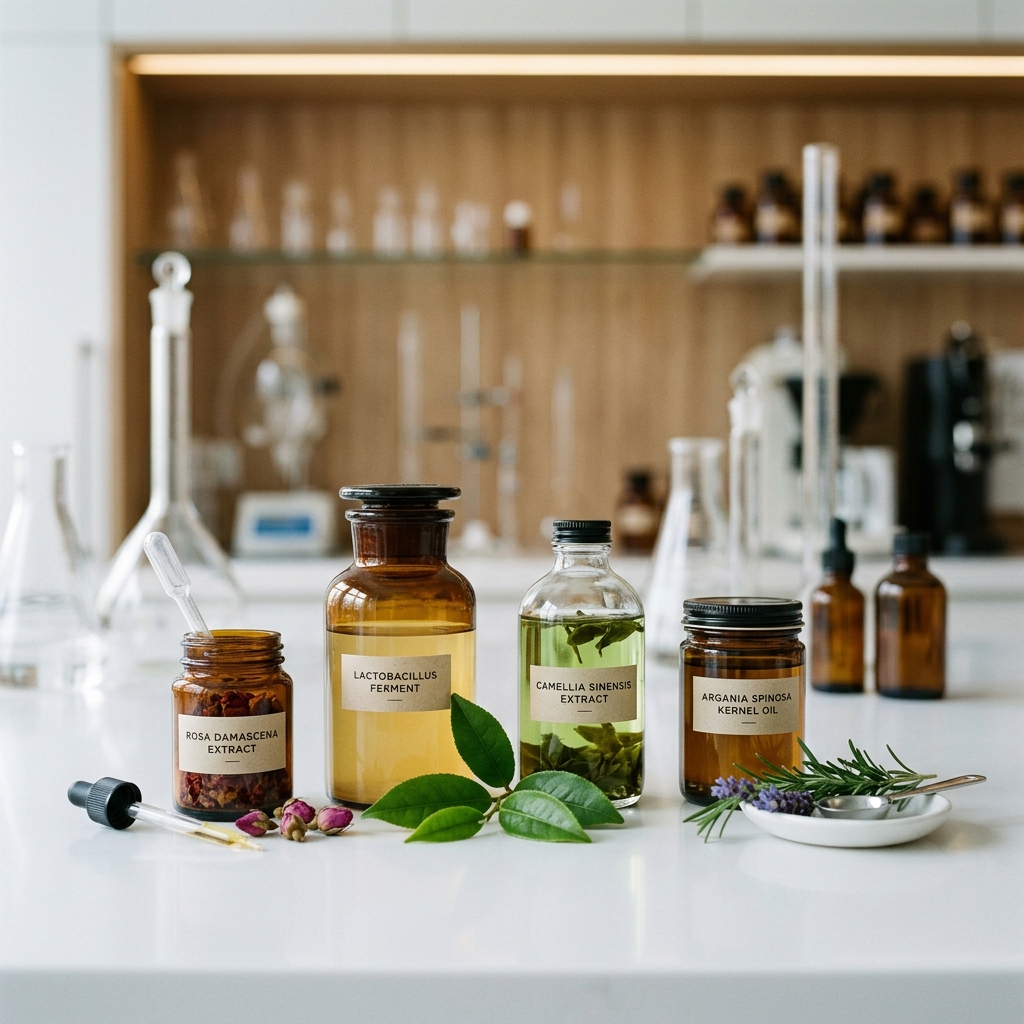
Plant-Derived Antimicrobials and Bio-Ferments
Bio-fermentation has opened new doors for preservation. Ingredients like Lactobacillus Ferment and Leuconostoc/Radish Root Ferment Filtrate are derived through the fermentation of botanical matter using specific microorganisms. These ferments produce antimicrobial peptides (bacteriocins) that inhibit the growth of common pathogens. They offer a dual benefit: acting as active skincare ingredients while providing foundational preservation.
While extremely popular in the "indie beauty" space, these natural systems are often less robust than their synthetic counterparts. They frequently require a "hurdle technology" approach—combining multiple mild antimicrobial agents with controlled pH, low water activity, and airless packaging—to ensure full safety. For any entrepreneur, understanding this synergistic approach is key to successfully launching a natural skincare line.
4. Technical Selection Criteria: How to Choose the Right System
Selecting a preservative system is not a "plug-and-play" process. It is a technical decision that must be made early in the development phase, as the preservative choice influences every other aspect of the formulation, from the choice of surfactants to the selection of packaging. Formulators must consider the physical chemistry of the ingredients to ensure that the preservative remains in the phase (oil or water) where the microbial threat is highest. This technical foresight is what separates professional products from amateur kitchen-table experiments.
One common pitfall for startups is the "ingredient interference" phenomenon. For instance, certain non-ionic surfactants (like Polysorbate 80) can "trap" preservatives like Phenoxyethanol inside micelles, rendering them inactive. Similarly, the presence of various solids like clays or high concentrations of protein can provide "shelter" for bacteria, requiring a higher dose of antimicrobials. Technical accuracy in choosing the right concentration is critical—too little is dangerous, and too much leads to skin irritation and regulatory non-compliance.
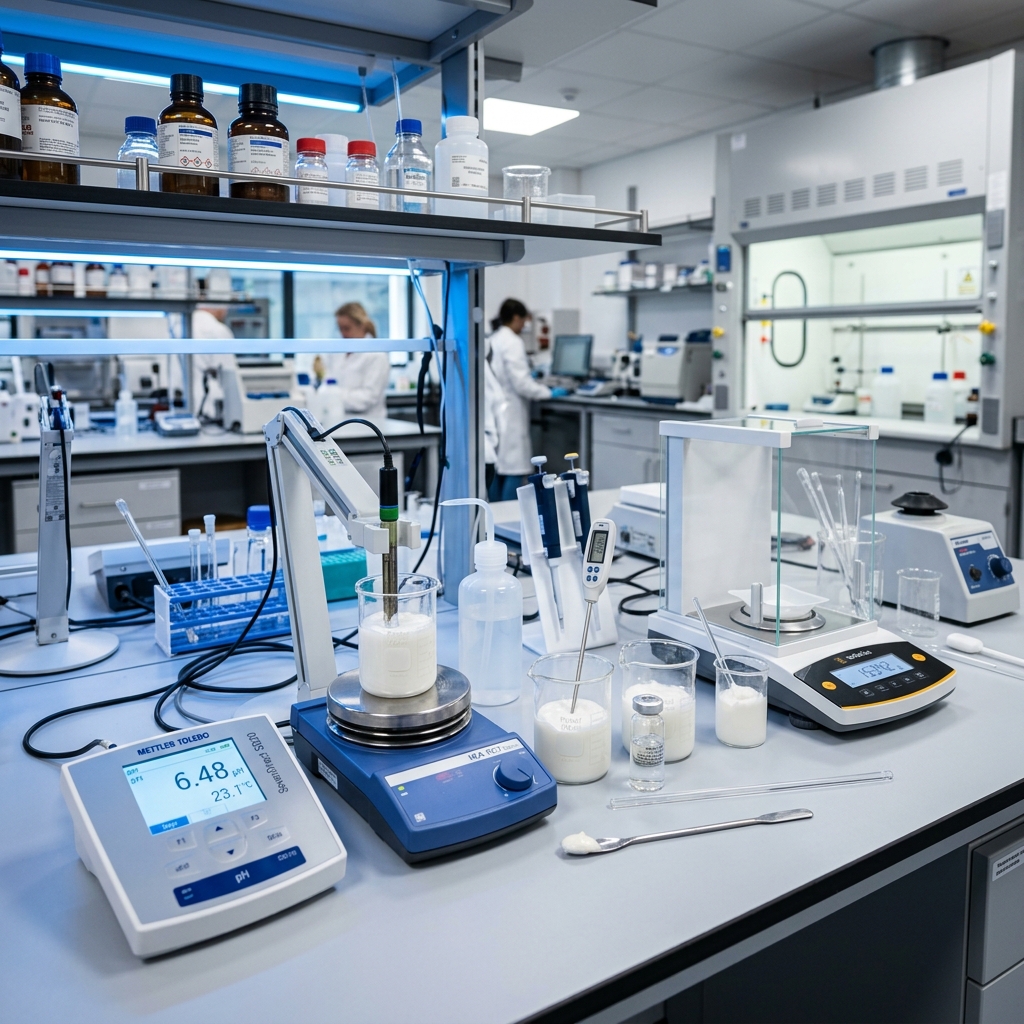
pH Compatibility: Why Your Preservative Fails at High pH
As mentioned earlier, the efficacy of many modern, clean-beauty preservatives is entirely dependent on pH. Organic acids like Benzoic Acid exist in an equilibrium between their molecular (active) form and their salt (inactive) form. At a low pH, the molecular form predominates, which can easily penetrate microbial cell membranes. As the pH rises, the acid loses a proton and becomes a salt, which is much less effective at killing microbes. Understanding this chemistry is vital; if your "natural" cleanser drifts to pH 6.5, your Sodium Benzoate might as well not be there.
Solubility and Phase Partitioning
In O/W (Oil-in-Water) emulsions, microbes live and thrive in the water phase. Therefore, your preservative must be soluble in water to be effective. However, some preservatives are more "lipophilic" (oil-loving) and will migrate out of the water into the oil droplets. If this happens, the water phase is left unprotected. Professional formulators use co-solvents and boosters to ensure the preservative stays where it is needed most, the same partitioning logic covered in our guide to emulsion separation and instability, since a preservative trapped in the wrong phase produces the same practical failure as an under-stabilized emulsion.
5. Ensuring Stability: Challenge Testing and Quality Control
You cannot "guess" if your preservation system is working. The only way to prove efficacy is through rigorous challenge testing, officially known as Preservative Efficacy Testing (PET). This is a standardized laboratory process where the formulation is intentionally inoculated with high concentrations of specific microorganisms (such as E. coli, P. aeruginosa, S. aureus, C. albicans, and A. brasiliensis). The product is then monitored over a 28-day period to see if the preservative can successfully kill or inhibit the growth of these pathogens.
For startups, passing a PET (like USP <51> or ISO 11930) is the "birth certificate" of a safe product. Without a passing challenge test report, you cannot legally market your products in most major regions. It is a critical investment in your brand’s liability protection and technical authority. At Global Formulation, we guide our clients through this process, helping them troubleshoot "fails" by adjusting the "hurdle technology" components of their formulas.
Regulatory Compliance: Navigating Global Standards
Regulatory landscapes vary significantly by region. In India, cosmetic regulations fall under the CDSCO (Central Drugs Standard Control Organization), which maintains a list of approved preservatives and their maximum allowable concentrations. In the European Union (EU), the Cosmetics Regulation (EC 1223/2009) Annex V is even more stringent, frequently updating forbidden or restricted substances based on new toxicological data. Keeping up with these changes is a full-time job for regulatory affairs professionals. Preservative selection is not the only ingredient class under this level of scrutiny — fragrance components face a parallel compliance burden, covered in our guide to IFRA compliance and allergen labelling, and both systems interact since some fragrance allergens are also mild antimicrobials that can contribute to a hurdle-technology preservation strategy.
For formulators building a broader cosmetics and personal care portfolio, preservation is one of several interdependent systems — alongside emulsifier choice, fragrance compliance, and packaging — covered across our cosmetics and personal care resource hub.
6. Frequently Asked Questions on Cosmetic Preservation
The following technical questions surface repeatedly from beauty startups and cosmetics manufacturers evaluating preservation systems. Each answer details the underlying chemical behavior and regulatory realities.
1. Can I use Grapefruit Seed Extract as a natural preservative?
While widely marketed as a natural preservative, technical studies have shown that pure Grapefruit Seed Extract often lacks the broad-spectrum efficacy required for water-based products. Often, commercial versions are boosted with synthetic antimicrobials. We recommend using standardized bio-ferments or organic acids instead.
2. What is "Hurdle Technology" in preservation?
Hurdle technology involves using multiple mild strategies to prevent microbial growth rather than one harsh chemical. This includes lowering water activity, adjusting pH, using airless packaging, and combining multiple mild antimicrobials with boosters. It is the gold standard for clean beauty formulation.
3. Why is my "natural" preservative causing my emulsion to separate?
Some preservatives, especially organic acid salts like Sodium Benzoate, introduce electrolytes into the system. High electrolyte levels can disrupt the electrical charge of your emulsifiers, leading to instability. This requires careful selection of electrolyte-tolerant emulsifiers.
4. Is Phenoxyethanol safe for baby products?
Phenoxyethanol is widely considered safe up to 1% in most leave-on and rinse-off products. However, some regional regulations and "EWG" type groups suggest caution for infants. Many premium baby brands are switching to bio-derived organic acid systems for marketing reasons.
5. Does an anhydrous (water-free) product need a preservative?
Strictly speaking, oil-only products don't support microbial growth. However, if there is a risk of water entering the product during use (like a scrub used in the shower), a preservative is absolutely necessary. Even in dry oils, an antioxidant (like Vitamin E) is needed to prevent rancidity.
6. How much does a standard PET (Preservative Efficacy Test) cost?
Depending on the lab and the standards (USP vs ISO), a PET can cost anywhere from $300 to $800 per formulation. It is a necessary expense for compliance and consumer safety that every startup should budget for in their R&D phase.
About the Specialist
Absar Khan is a senior industrial consultant with cross-disciplinary expertise spanning pharmaceutical manufacturing, cosmetics and personal care, home and institutional care chemicals, aerosols, lubricants, and advanced process engineering. His work integrates multiple scientific and engineering domains, including formulation chemistry, GMP facility design, validation science, quality systems, regulatory compliance, and large-scale manufacturing optimization.
LinkedIn Portfolio: Connect with Absar Khan on LinkedIn
Accelerate Your Cosmetic Formulation Success
Discuss cosmetic preservation chemistry, stability challenge test failure troubleshooting, organic-compliant preservative selection, and scaling GMP cosmetic manufacturing with senior consultant Absar Khan.
Email: consulting@globalformulation.com
Phone: +91 9819548320 +91 8169102990
Explore More Industry Insights
Learn more about chemical manufacturing, sustainability, and process optimization through our technical guides:
- → Preservative Failure in Aqueous Cosmetics: Causes and Fixes
- → Natural & Organic Cosmetic Certification: COSMOS, NATRUE
- → Fragrance in Cosmetics: IFRA Compliance & Allergen Management
- → EU Cosmetics Regulation 1223/2009: A Formulator's Guide
- → The Future of Eco-Friendly Chemical Products
- → Understanding VOCs and Industrial Pollution
- → The Ultimate Guide to Manufacturing Without a Factory
- → Choosing the Right Product Development Consultant