Cosmetic Formulation Development: Concept to Production
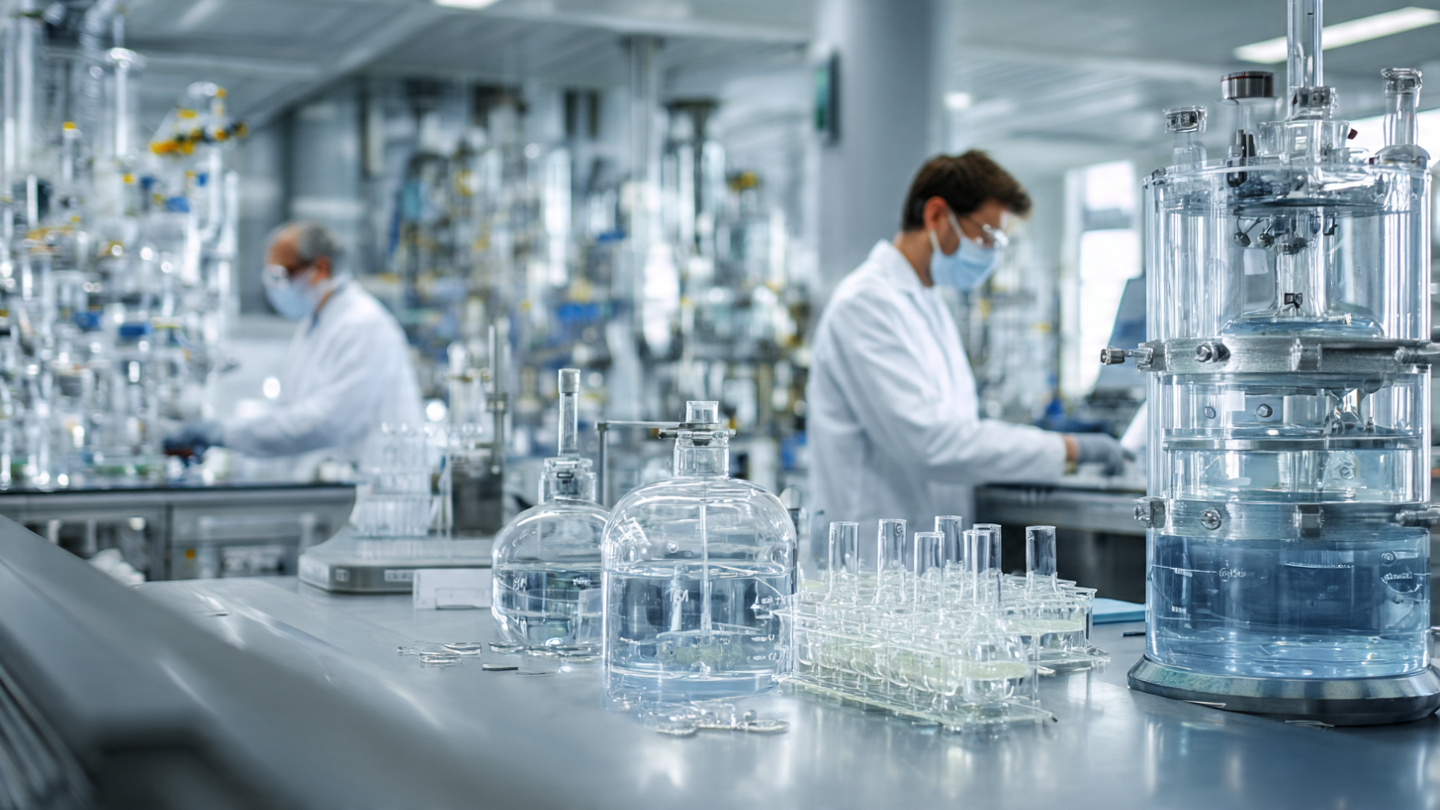
Cosmetic formulation development is a meticulously controlled scientific and engineering process that converts a product idea into a safe, thermodynamically stable, regulatory-compliant, and commercially viable product. It seamlessly integrates synthetic chemistry, microbiology, colloidal material science, and industrial-scale manufacturing. Contrary to common misconception, cosmetic product development is not driven merely by subjective creativity; it is rigidly governed by measurable chemical performance, biologically validated safety, and highly reproducible manufacturing tolerances.
What Is Cosmetic Formulation Development?
At a fundamental level, cosmetic formulation development is the structured process of designing, evaluating, validating, and scaling a multiphase chemical composition intended for external application to the human biological envelope. This process ensures that the final chemical matrix achieves its intended functional purpose while remaining physically stable against phase separation, microbiologically safe against pathogen proliferation, and fully regulatory-compliant throughout its entire defined shelf life.
A true cosmetic formula is far more than a simple mixture of aromatic ingredients. It is an engineered colloidal system where every single raw material acts as a precise functional building block, selected explicitly for its solubility parameters, pH tolerance, toxicological profile, and kinetic stability. Key technical objectives include:
- Targeted Product Performance: Ensuring the chemical delivery system effectively imparts the intended cleansing, active hydration, barrier protection, or targeted conditioning benefit.
- Long-Term Kinetic Stability: Maintaining the uniform physical matrix, chemical integrity, and robust microbial preservation throughout the extreme thermal conditions of global supply chains.
- Biological Consumer Safety: Rigorously confirming that individual raw materials and their combined synergistic matrix are absolutely safe under repeated dermal application.
- Scalable Industrial Manufacturing: Engineering a robust rheological profile and processing methodology that enables reproducible large-scale shear processing with zero batch-to-batch variation.
Step-by-Step Cosmetic Formulation Development Process
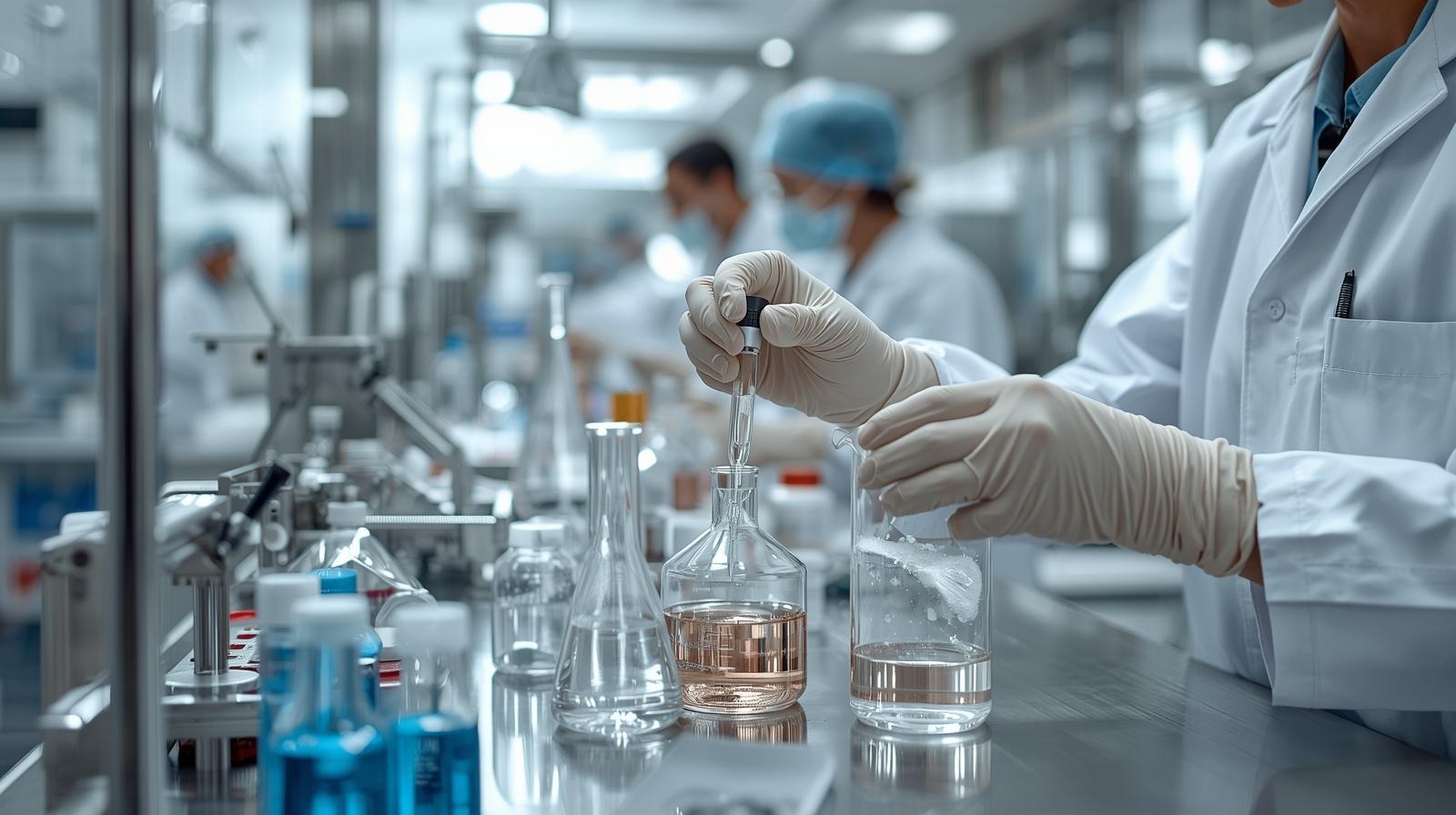
Professional cosmetic product development follows a rigidly defined technical sequence progressing linearly from initial concept validation through to finalized commercial production. Each individual technical stage must be successfully completed, documented, and empirically validated before advancing, effectively mitigating the immense risk of formulation failure at a massive industrial scale. This methodology strictly integrates R&D experimentation, precision analytical testing, regulatory verification, and thermodynamic process engineering.
Step 1 – Market Research & Product Positioning
The development cycle initiates with a comprehensive technical-commercial evaluation of global market demand, competitive chemical benchmarks, targeted consumer sensory expectations, and absolute regulatory feasibility. This crucial stage structurally defines what the product must physically achieve, sensorially deliver, and commercially cost, building on the broader category context covered in our cosmetics and personal care manufacturing guide. Product positioning definitively dictates the selection of active ingredient classes, chemical preservation strategy, regional regulatory compliance pathway, and functional packaging constraints.
Step 2 – Ingredient Selection & Raw Material Compatibility
Selection is strictly governed by proven chemical functionality, certified toxicology profiles, target market regulatory acceptance, and complex molecular compatibility. Every raw material must be legally permitted for specific cosmetic use in the target jurisdiction and must demonstrate absolute chemical compatibility with all other dispersed components within the colloidal system. Formulators critically evaluate parameters such as relative solubility limits, pH stability windows, surfactant ionic charge, oxidative vulnerability, and potential destructive interaction with plastic packaging.
Step 3 – Prototype Formulation in R&D Lab
Following theoretical formulation design, initial physical prototype batches are synthesized under highly controlled laboratory conditions utilizing precision shear mixing equipment. These early-stage experimental formulations are not yet optimized for absolute cost or industrial scale—they are focused entirely on establishing fundamental technical feasibility. Multiple structural variants are typically synthesized to evaluate performance across varying emulsifier ratios selected using the HLB system, active concentrations, and polymeric architectures.
Performance Optimization and Stability Validation
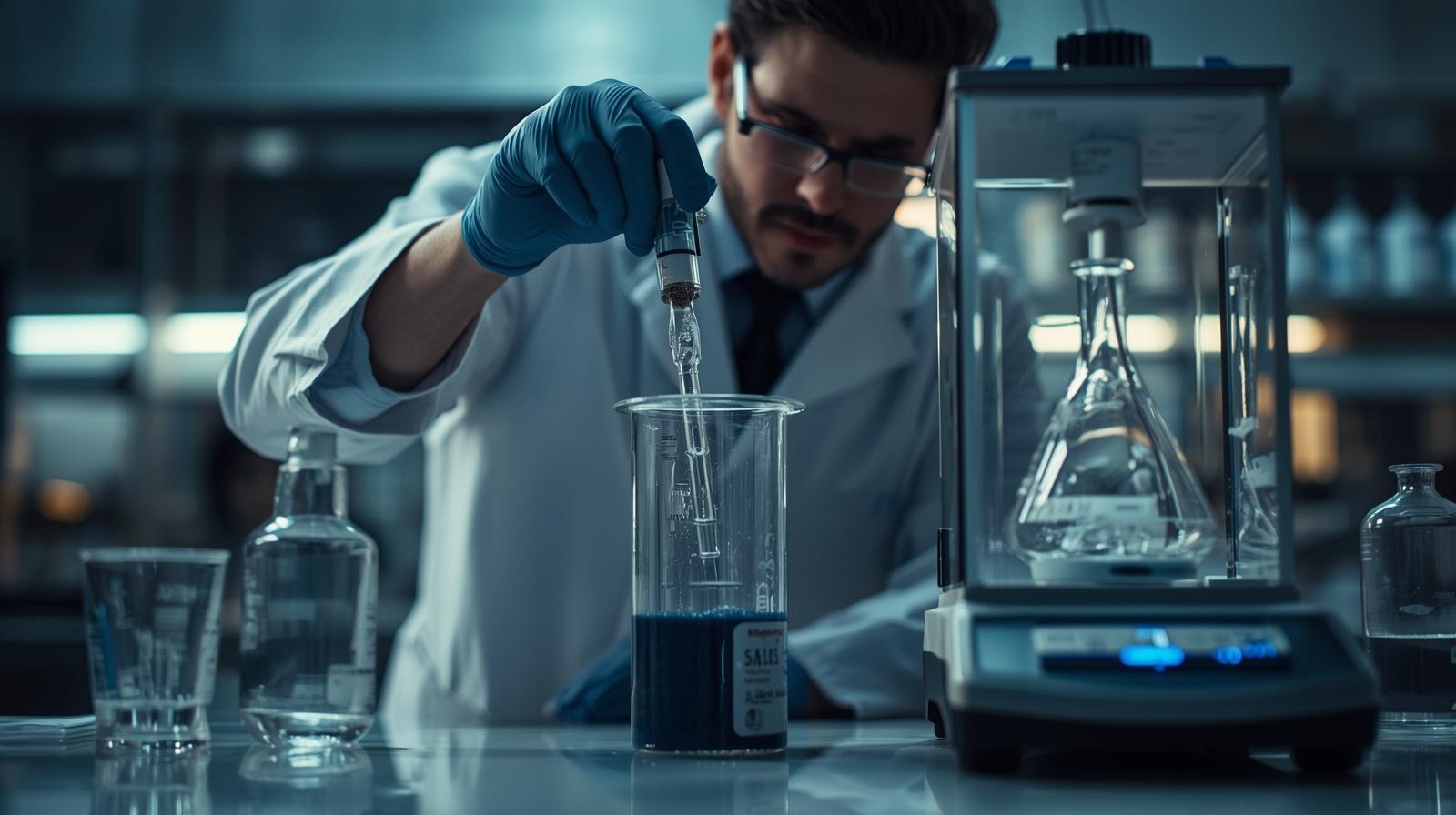
Before a cosmetic formulation can even be considered for mass production, its functional performance must be empirically validated against defined chemical benchmarks, and its thermodynamic stability must be rigorously challenged under accelerated environmental stress. This phase separates viable commercial products from unstable laboratory experiments.
Step 4 – Performance Testing & Sensory Optimization
Upon confirming initial prototype stability, the chemical formulation undergoes strict functional performance testing aligned with its specific product category. This involves quantifying metrics such as absolute cleansing efficiency, trans-epidermal water loss (TEWL) reduction for moisturizers, in-vitro SPF attenuation, or targeted antimicrobial activity. Concurrently, sensory optimization is meticulously carried out to refine the rheological application feel—balancing spreadability, absorption kinetics, and residual tackiness without compromising the foundational chemical stability of the emulsion.
Step 5 – Stability Testing (Accelerated & Real-Time)
Comprehensive stability testing acts as the ultimate validation that the product will remain physically homogenous, chemically active, and microbiologically secure throughout its declared shelf life. Accelerated stability testing aggressively simulates long-term aging by subjecting the formula to elevated thermal loads (often 40°C to 45°C), severe humidity cycling, freeze-thaw extremes, and intense physical centrifugation. This data confirms the integrity of the emulsion phase, the stability of the pH drift, the prevention of active ingredient degradation via oxidative rancidity, and the sustained efficacy of the chemical preservative network.
Packaging Compatibility and Regulatory Compliance
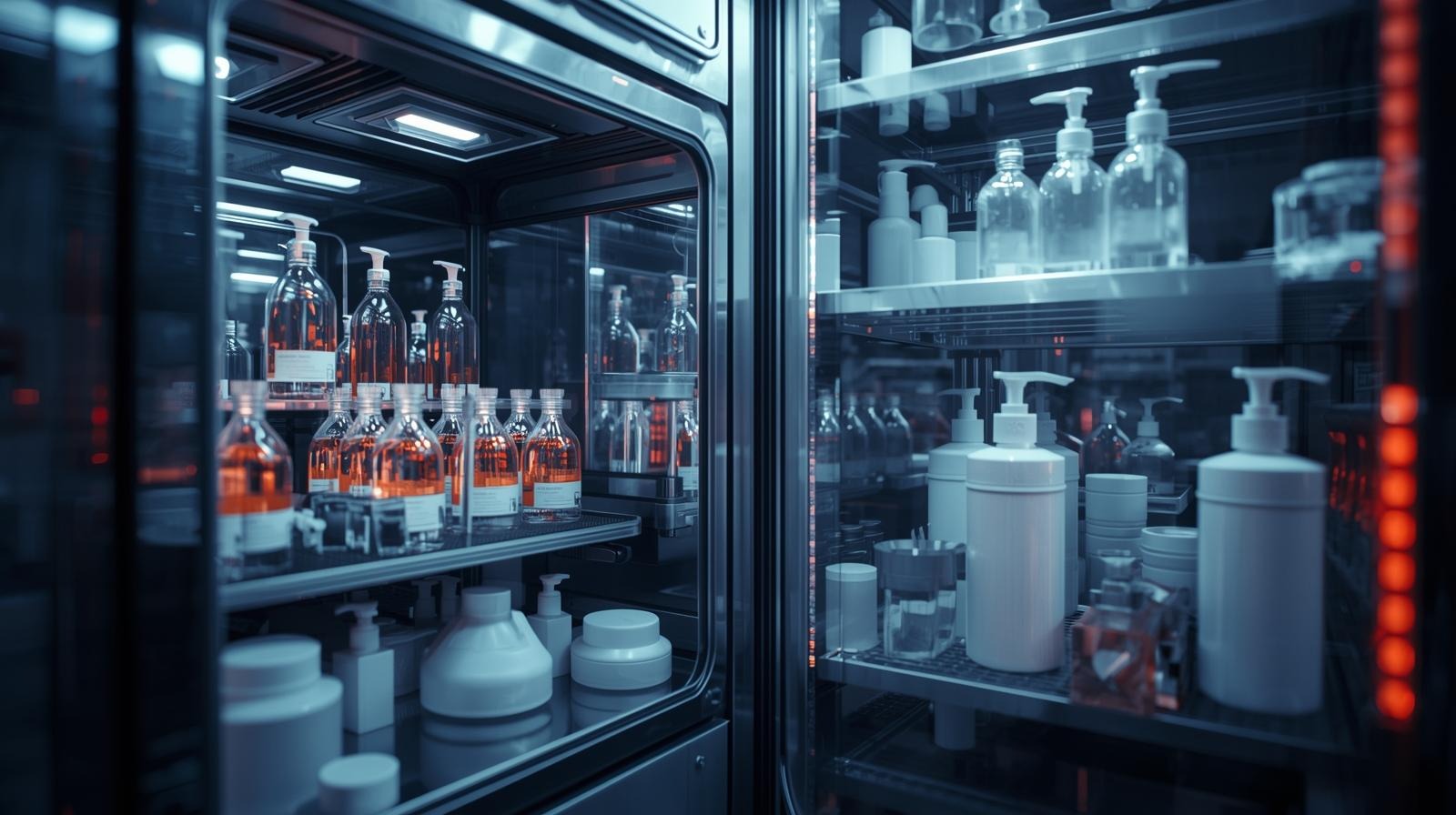
A perfect formulation can easily be destroyed by interacting negatively with its final container. Furthermore, global distribution legally requires exhaustive, documented proof of biological safety. These two late-stage hurdles are mandatory checkpoints before physical scale-up.
Step 6 – Packaging Compatibility Testing
The primary packaging is considered an active structural component of the entire formulation system. Countless cosmetic products fail commercially not due to internal chemical instability, but resulting from aggressive chemical interaction with packaging materials—such as the leaching of plasticizers, the softening of elastomer pump seals, or the structural deformation of the container walls. Robust compatibility validation ensures zero migration of toxic extractables into the product and guarantees the mechanical integrity of the dispensing valve over the product's entire lifespan.
Step 7 – Regulatory & Safety Documentation
Every cosmetic product introduced into commerce must be rigorously supported by legally mandated safety and compliance documentation. These massive technical dossiers definitively prove that the chemical matrix has been comprehensively evaluated for human toxicological safety under intended real-world usage conditions. Mandatory documentation includes exhaustive Product Safety Assessment Reports, toxicological ingredient reviews, globally standardized INCI declarations and certificates of analysis, absolute label compliance verification, and certified microbial challenge testing (PET) data, all developed under a Good Manufacturing Practice (GMP) quality system.
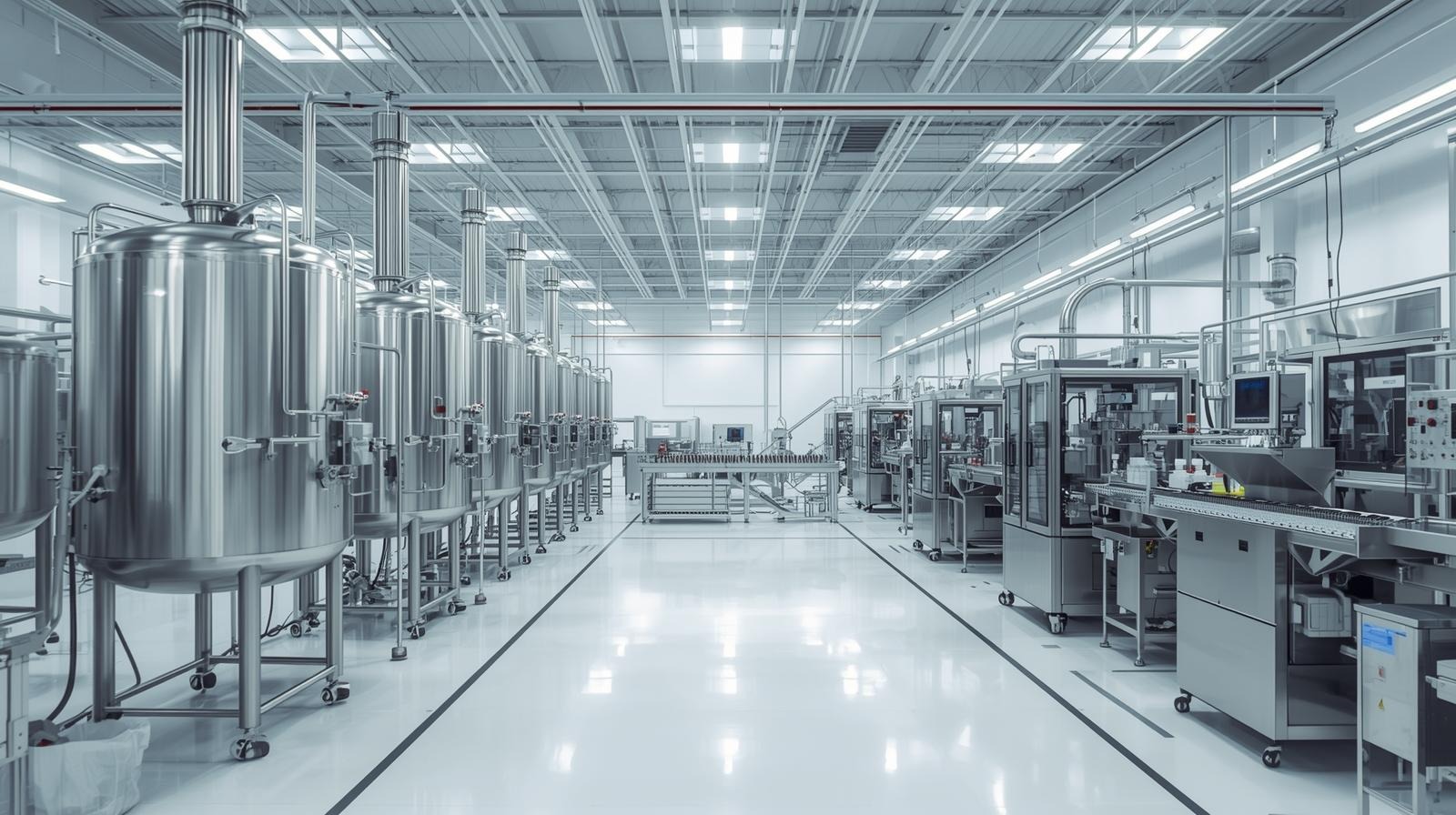
Step 8 – Pilot Batch & Manufacturing Scale-Up
Scale-up is the highly complex engineering transition that translates a validated 1-liter laboratory formula into a manufacturing-ready, multi-ton industrial process—the same fundamental challenge explored in our from lab to market guide. The paramount challenge lies in accurately replicating laboratory thermodynamics and fluid shear dynamics at massive production volumes without irreversibly altering the product's sensory performance or structural stability. Process engineering parameters—including turbine mixing speed, precise thermal heating and cooling rates, localized shear force, phase addition sequence, and holding duration—are meticulously recalibrated and validated during highly monitored pilot production runs to ensure absolute batch-to-batch reproducibility.
Frequently Asked Questions (FAQ)
1. Can cosmetic products be developed without a laboratory?
Absolutely not. Professional, legally compliant formulation development strictly requires controlled laboratory infrastructure for precision weighing, intensive physical stability assessment, high-shear emulsification, and rigorous microbiological contamination control.
2. Are natural cosmetics easier to formulate than synthetic ones?
No. In fact, "natural" formulations are exponentially more difficult to stabilize. They suffer from inherent raw material inconsistency, extremely limited broad-spectrum preservation options, and much higher vulnerability to rapid microbial degradation and oxidative rancidity.
3. Is regulatory approval required before selling cosmetics in India?
Yes. Strict compliance with CDSCO (Central Drugs Standard Control Organization) rules, adherence to specific BIS manufacturing standards, and legally precise labeling requirements are mandatory before any commercial sale or distribution.
4. How is shelf life determined for cosmetic products?
Shelf life is determined through accelerated and real-time stability testing under defined thermal and humidity conditions. Accelerated testing subjects the formula to elevated thermal loads of roughly 40°C to 45°C, severe humidity cycling, freeze-thaw extremes, and centrifugation to simulate years of aging in a matter of weeks. Real-time testing runs in parallel at normal storage conditions to confirm the accelerated predictions hold true, and both data sets together confirm the emulsion stays homogenous, chemically active, and microbiologically secure for the declared shelf life.
5. Why does packaging compatibility matter as much as the formula itself?
Packaging is treated as an active structural component of the formulation, not just a container, because a perfectly stable formula can still fail commercially if it interacts negatively with its packaging. Common failure modes include plasticizers leaching out of the container walls into the product, pump or dispenser elastomer seals softening and losing their seal, and the container itself deforming under the product's chemical load. Compatibility testing checks for these interactions specifically so no toxic extractables migrate into the product and the dispensing mechanism keeps working for the product's full shelf life.
6. What is involved in scaling a cosmetic formula from lab to industrial production?
Scaling up translates a small, often 1-liter laboratory batch into a manufacturing-ready process running at multi-ton industrial volumes. The core challenge is reproducing the same fluid shear dynamics and thermal history at a much larger scale without changing the product's sensory feel or physical stability. Process engineers recalibrate variables like turbine mixing speed, heating and cooling rates, localized shear force, and the exact sequence and timing of phase additions, validating each change during monitored pilot production runs before committing to full-scale manufacturing.
Need Expert R&D for Your Next Cosmetic Formulation?
Leverage Global Formulation to translate your concept into a physically stable, microbiologically safe, and regulatory-compliant product ready for large-scale industrial manufacturing. Browse our full cosmetics and personal care portfolio.
Email: consulting@globalformulation.com
Phone: +91 9819548320 +91 8169102990
About the Specialist
The Global Formulation Team consists of senior industrial consultants with cross-disciplinary expertise spanning advanced cosmetic R&D, colloidal chemistry, scale-up process engineering, and regulatory compliance. Our technical architects lead scientific advisory and formulation teams supporting cosmetics brands and manufacturers globally in technology selection, GMP layouts, validation frameworks, and product commercialization.
LinkedIn Portfolio: Connect with Global Formulation on LinkedIn