Epoxy Coatings Explained: The Ultimate Technical Guide
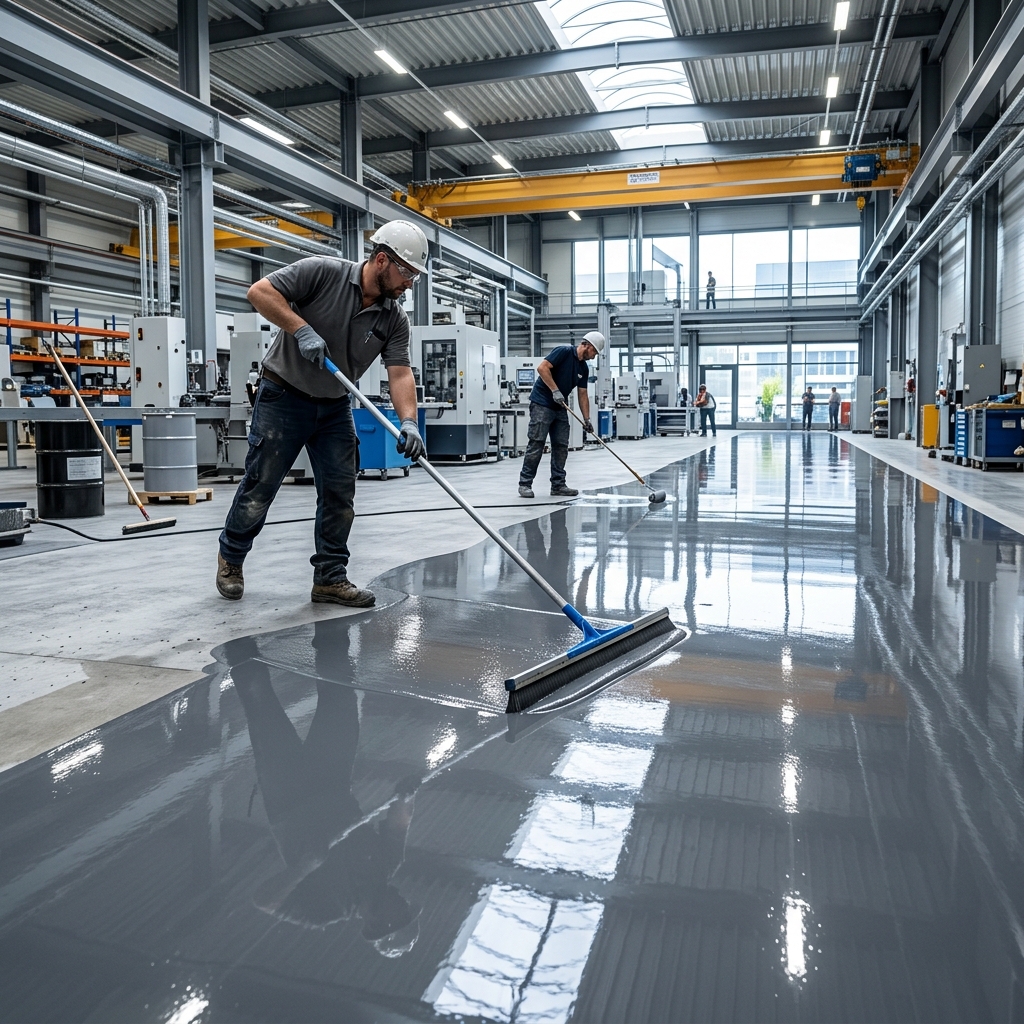
In the competitive landscape of industrial chemical synthesis and surface protection engineering, designing premium protective barriers represents a major technological goal. Epoxy coatings represent the absolute gold standard in industrial surface protection, characterized by their exceptional mechanical strength, chemical resistance, and adhesive longevity. Developing commercial epoxy coatings that consistently meet strict global standards requires a deep understanding of polymer chemistry, precise stoichiometry, and state-of-the-art process engineering. This technical guide explores the molecular structures, application parameters, and manufacturing steps necessary to formulate and scale premium industrial epoxy systems.
1. Understanding the Fundamentals: What are Epoxy Coatings?
Unlike conventional decorative paints that rely on physical solvent evaporation for film formation, epoxies are thermosetting polymers that undergo a complex chemical reaction. This process, known as cross-linking, transforms liquid resins and curing agents into a dense, three-dimensional covalent molecular network that can withstand the harshest industrial environments. The versatility of epoxy systems stems from the diverse range of epoxy resins and hardeners available, allowing formulators to tailor properties like curing speed, flexibility, and heat resistance. This thermosetting behavior is what separates epoxies from the acrylic, alkyd, and polyurethane systems compared in our broader paints and coatings resource hub.
The fundamental building block of most commercial epoxy coatings is Diglycidyl Ether of Bisphenol A (DGEBA), which is synthesized from the reaction of epichlorohydrin and bisphenol A. DGEBA resins contain reactive epoxide rings (also known as oxirane rings) at both ends of the molecule. The epoxide ring possesses extreme ring strain due to its three-membered structure containing two carbon atoms and one oxygen atom. This ring strain makes the oxirane ring highly susceptible to nucleophilic attack by curing agents containing active hydrogen atoms, most commonly polyamines.
When the primary amine group of a curing agent attacks the terminal carbon of the oxirane ring, it undergoes a nucleophilic ring-opening reaction. This reaction breaks the carbon-oxygen bond of the epoxide ring, relieving the internal ring strain and forming a stable secondary amine and a reactive hydroxyl group (-OH). This newly formed secondary amine can subsequently attack another oxirane ring, leading to a highly cross-linked tertiary amine network. The dense population of polar hydroxyl groups along the polymer backbone creates secondary hydrogen bonding with substrates, explaining the legendary adhesion profile of epoxy systems.
Formulators select and blend different classes of amine curing agents to govern the physical properties, curing kinetics, and environmental thresholds of the finished coating:
- Aliphatic Amines: Simple linear structures such as triethylenetetramine (TETA) or diethylenetriamine (DETA). They react rapidly at room temperature, providing fast cure speeds but displaying high sensitivity to atmospheric moisture and poor thermal resistance.
- Cycloaliphatic Amines: Cyclic amine structures such as isophoronediamine (IPDA). These require a higher activation energy to cure, but they yield outstanding chemical resistance, high mechanical strength, and superior resistance to yellowing.
- Aromatic Amines: Highly stable structures like diaminodiphenylmethane (DDM). These hardeners generally require elevated-temperature thermal baking to cure, providing unparalleled resistance to high heat and aggressive acids, making them ideal for heavy-chemical storage liners.
- Polyamides and Amidoamines: Complex adducts synthesized by reacting polyamines with dimer fatty acids. They offer exceptional flexibility, longer working pot life, low toxicity, and high moisture tolerance during application, though they possess lower chemical resistance.
2. Classifying Epoxy Systems for Industrial Use
Selecting the appropriate epoxy classification is the most defining decision in the formulation phase, impacting everything from application VOC levels to final film thickness. Modern industry divides these systems into three primary categories: solvent-based, water-borne, and solvent-free (100% solids) systems. Each system offers a unique balance of performance, processing viscosity, and environmental compliance, and misapplying these can lead to catastrophic coating failure in high-stress environments.
Industrial formulators must weigh the ease of application against the required durability profile. While water-borne systems have gained popularity due to low odor and environmental regulations, solvent-free systems remain the undisputed leaders for heavy-duty industrial flooring and marine protection. Understanding these technical distinctions allows manufacturers to position their products effectively across different market segments, from DIY garages to nuclear power plant containment areas.
The table below highlights the critical performance and chemical characteristics that define the three major classes of industrial epoxy coating systems:
Solvent-based epoxies utilize aromatic hydrocarbons or ketones as carriers, providing excellent wetting properties, allowing them to penetrate porous substrates like aged concrete and provide a robust anchor for subsequent layers. However, their usage is increasingly restricted due to high Volatile Organic Compound (VOC) emissions. In contrast, water-borne epoxies use water as the carrier, dispersing epoxy resins inside aqueous solutions with specialized surfactants. These are ideal for indoor applications where ventilation is limited, though they typically offer lower chemical resistance compared to their solvent-free counterparts.
100% solids epoxy systems represent the absolute pinnacle of resin technology. Because they contain no evaporative solvent carriers, their wet film thickness is exactly equal to their dry film thickness. This allows for the application of "high-build" coatings that can level out heavy concrete imperfections in a single pass. These systems are essential for environments requiring extreme hygiene or chemical containment, as they form a completely non-porous, glass-like surface that is easy to sanitize and incredibly difficult to damage. Our dedicated guide to two-pack epoxy flooring systems covers the amine cure chemistry and substrate preparation steps behind this class of high-build system in more depth.
3. The Core Components of a High-Performance Formulation
A successful epoxy coating is a finely balanced chemical ecosystem where every constituent plays a vital role in the transition from liquid to solid. While the resin and hardener provide the skeletal structure, the addition of diluents, fillers, and pigments determines the specific "personality" of the coating. For a formulation startup, mastering the ratio of these components—the stoichiometry—is the difference between a high-value product and a costly batch of un-curable waste.
The stoichiometry of the epoxy-amine reaction is determined by the Epoxy Equivalent Weight (EEW) of the resin and the Amine Hydrogen Equivalent Weight (AHEW) of the hardener. EEW represents the mass of resin (in grams) that contains one gram-equivalent of epoxy groups, while AHEW is the mass of hardener that contains one gram-equivalent of active amine hydrogens. To achieve complete cross-linking and avoid residual unreacted molecules, formulators calculate the exact mix ratio using the formula:
Parts Curing Agent per 100 Parts Resin (phr) = (AHEW × 100) / EEW
Beyond the reactive basics, the "secret sauce" of industrial-grade coatings lies in the performance additives. These specialized chemicals, often used in concentrations of less than 1%, manage critical application properties such as surface tension, air release, and UV stability. A deep understanding of these additives allows a formulator to solve real-world problems like "fish-eyes" or yellowing before they occur on a client's site, cementing the manufacturer's reputation as a technical authority.
The core raw materials required to construct a commercially viable, high-performance industrial epoxy coating include:
- Base Resins: High-purity DGEBA is standard. For applications requiring lower viscosity and higher chemical resistance, Bisphenol F resins (DGEBF) are blended. For extreme high-heat and acid-resistant tank liners, multi-functional Epoxy Novolac resins are employed to maximize cross-linking density.
- Reactive Diluents: Low-viscosity mono- or di-glycidyl ethers (such as C12-C14 alkyl glycidyl ether or neopentyl glycol diglycidyl ether). These chemically react into the final polymer matrix, lowering viscosity to permit spray application and heavy filler loading without volatilizing into VOCs.
- Functional Fillers & Extenders: Fine quartz silica sand, barite (barium sulfate, BaSO4), talc (magnesium silicate), or mica. These functional minerals reduce formulation costs, control shrinkage during curing, improve thermal expansion stability, and increase scratch and abrasion resistance.
- Performance Additives: Organosilicone defoamers are used to release micro-bubbles generated during mixing. Acrylic flow and leveling agents prevent surface craters (fish-eyes). Hindered Amine Light Stabilizers (HALS) combined with benzotriazole UV absorbers are incorporated to mitigate solar UV degradation.
4. High-Value Applications for Startups and Contractors
The industrial epoxy market is vast, but for startups and specialized entrepreneurs, success often comes from identifying and dominating specific high-value niches. Rather than competing on price in the saturated residential garage market, forward-thinking manufacturers focus on sectors where technical performance is non-negotiable. These applications demand a "problem-solving" approach where the coating is sold as a critical infrastructure component rather than just a floor finish.
Whether protecting the hull of a ship from saltwater corrosion or ensuring a pharmaceutical plant meets FDA cleanliness standards, epoxy coatings are the invisible guardians of modern industry. By specializing in these high-stakes environments, manufacturers can command premium margins and build long-term relationships with industrial clients. The following sectors represent the most lucrative opportunities for those with the technical expertise to formulate for them.
Key high-performance applications where custom epoxy systems provide critical technical solutions include:
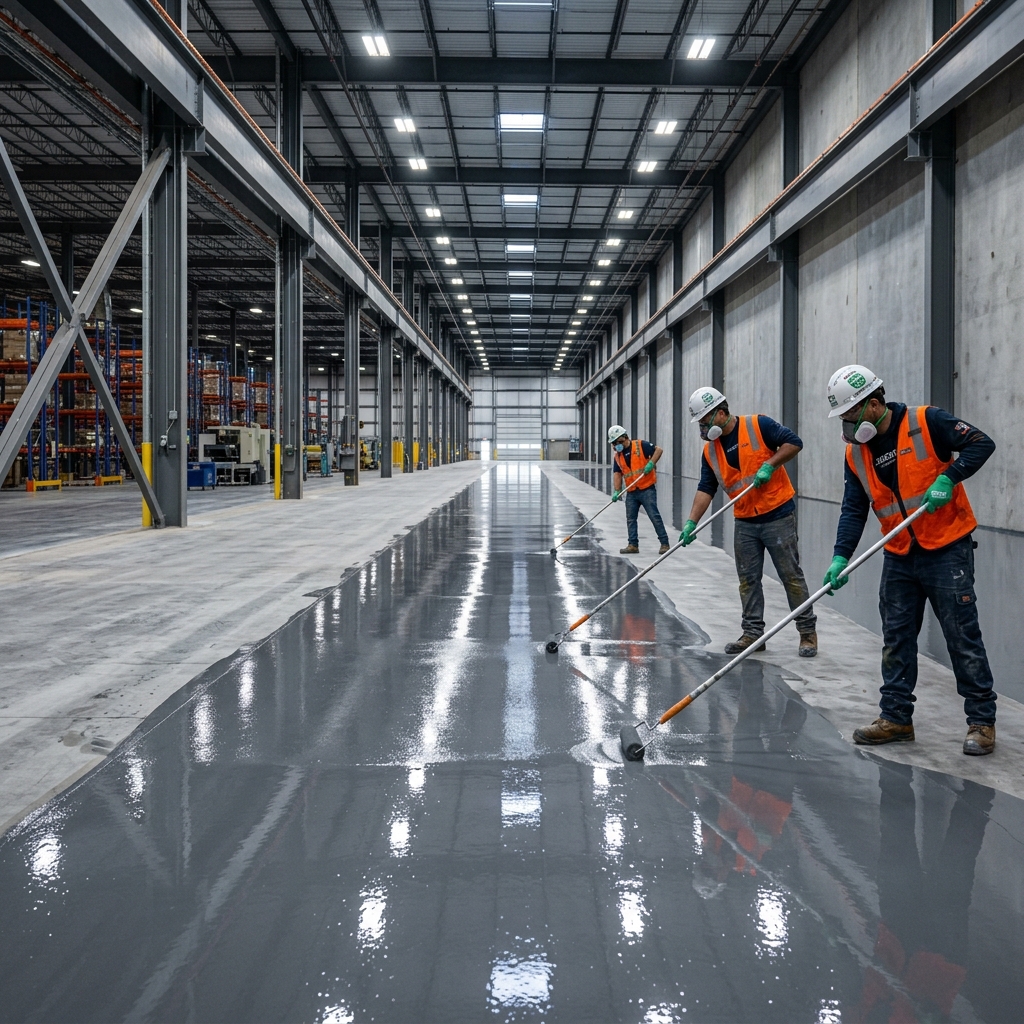
- Industrial Self-Leveling Flooring: Seamless, high-build floor systems designed for warehouses, automotive plants, and electronics manufacturing cleanrooms, providing high impact resistance and electrostatic discharge (ESD) control.
- Marine and Pipeline Anti-Corrosion Protection: Zinc-rich epoxy primers and coal tar epoxy barrier coatings that shield steel structures, offshore rigs, and underground pipelines from salt-water spray and acidic soils, following the ISO 12944 system selection logic covered in our industrial corrosion protection coatings guide.
- High-Build Aerospace Primers: Epoxy-polyamide primers loaded with anti-corrosive inhibitors that provide the critical adhesion layer for polyurethane topcoats, enduring massive thermal shifts and high air speeds.
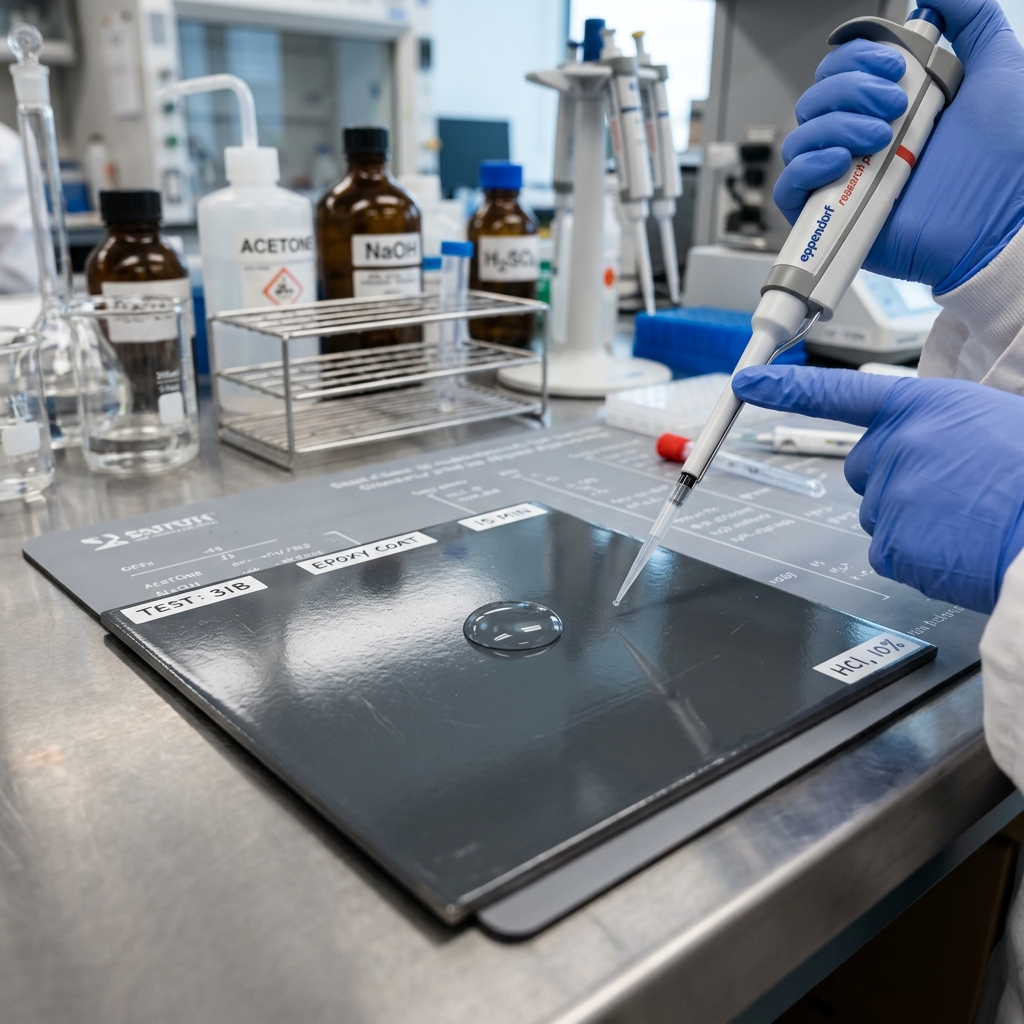
The quantifiable performance of an epoxy coating is what ultimately sells it to an engineer or facility manager. Formulations must be verified against rigorous ASTM testing standards: Compressive Strength (ASTM D695, typical premium results exceed 12,000 PSI), Tensile Strength (ASTM D638, averaging 8,000 PSI), Shore D Hardness (ASTM D2240, seeking values between 80-85 for high wear resistance), and Pull-Off Adhesion (ASTM D4541, where premium epoxy bonds must exceed 400 PSI, physically tearing the concrete substrate apart before the epoxy-substrate interface fails).
5. The Business of Epoxy: Why the Market is Growing
The global demand for epoxy coatings is currently experiencing a significant upswing, driven by massive infrastructure investments in emerging economies and a heightened focus on asset preservation in developed markets. For an entrepreneur, this represents a unique window of opportunity to enter a sector that combines chemical manufacturing with high-demand service provision. In regions like India, the "Make in India" initiative has further accelerated the need for localized production of high-performance construction and industrial chemicals.
However, entering this market requires more than just a formula; it requires a strategic understanding of technology selection and plant scale-up. Entrepreneurs must choose between "toll manufacturing" (outsourcing production to existing blending plants, allowing an asset-light launch) or setting up their own GMP-compliant manufacturing facility. Seeking expert technical guidance during this transition is critical to ensure proper equipment selection, batch safety protocols, and regulatory licensing.
To establish a scalable, consistent commercial epoxy manufacturing operation, a startup requires a suite of specialized process equipment:
- High-Speed Dispersers (HSD): Heavy-duty mixers utilizing saw-tooth Cowles blades operating at high tip speeds (18-22 m/s) to generate the massive shear forces required to break pigment agglomerates and disperse functional fillers.
- Automated Filling and Packaging Lines: Precision volumetric gear pumps designed to package viscous resins and curing agents into steel cans without trapping air or causing drip contamination.
- Laboratory Quality Control Equipment: Including Brookfield rotational viscometers to verify batch viscosity, Hegman grind gauges to check dispersion fineness, and density cups to monitor specific gravity.
- Thermal Control Systems: Water-cooled jacketed mixing vessels to absorb the heat generated during high-shear dispersion, preventing premature reaction or evaporation of volatile ingredients.

6. Common Challenges: Troubleshooting Application Failures
Even the most perfectly formulated epoxy can fail if the application conditions or substrate preparation are overlooked. For a manufacturer, providing technical support is just as important as selling the resin itself. Most coating failures aren't due to "bad chemistry" but rather environmental factors like humidity, temperature, or improper mixing ratios. Being able to diagnose these issues on-site is a hallmark of a professional industrial consultancy. On metal substrates specifically, many "epoxy failures" actually trace back to inadequate zinc phosphate pretreatment rather than the topcoat chemistry itself, since no epoxy can out-perform a poorly anchored primer layer.
One of the most common cosmetic and physical failures in ambient-cure epoxy coatings is **Amine Blush**. Amine blush is a chemical reaction that occurs when free amine hardener molecules migrate to the surface of the wet film and react with atmospheric carbon dioxide (CO2) and moisture. This reaction forms water-soluble carbamate salts, visible as a greasy, sticky, or milky-white film on the cured coating surface. Not only does amine blush ruin the aesthetics of high-gloss floors, but it also behaves as a release agent that completely prevents any subsequent topcoat from bonding, leading to intercoat delamination.
Another major hazard is Moisture Vapor Transmission (MVT), which triggers **Osmotic Blistering**. When concrete slabs sit directly on soil without a functioning sub-slab vapor barrier, liquid water and dissolved alkaline salts migrate upward through the concrete's porous capillary network. Once the water vapor encounters the impermeable epoxy barrier, it becomes trapped. If the salt concentration is high, it creates an osmotic cell, drawing more water upward. The resulting hydrostatic pressure can easily exceed the adhesion strength of the epoxy, forming fluid-filled blisters that bubble, crack, and peel. Where the underlying concrete itself is already cracked rather than just porous, the repair strategy shifts from surface coating to low-viscosity epoxy injection grouting, which uses the same resin chemistry at a much lower viscosity to penetrate and bond structural cracks before any topcoat is applied.
To mitigate these high-risk failures, applicators and contractors must follow rigid process protocols:
- Substrate Prep via CSP Profiling: Ensure the concrete substrate is mechanically profiled using diamond grinding or shot blasting to achieve a Concrete Surface Profile (CSP) of 2 to 4, removing the weak, powdery surface layer known as laitance.
- Environmental Dew Point Monitoring: Never apply epoxy unless the substrate temperature is at least 3°C above the dew point of the air to prevent micro-condensation from forming on the surface.
- Aqueous Moisture Testing: Utilize calcium chloride testing (ASTM F1869) or relative humidity probes (ASTM F2170) to ensure concrete moisture emission is below 3 lbs per 1,000 sq ft before application.
- Stoichiometric Blend Discipline: Implement strict mechanical mixing protocols using double-helical paddle mixers to ensure the resin and hardener are fully homogenized, preventing uncured sticky zones.
Frequently Asked Questions (FAQ)
1. What is the difference between Epoxy and Polyurethane?
Epoxy resins are characterized by exceptional compressive strength, rigidity, and unparalleled concrete adhesion, making them ideal for base coats and thick self-leveling floors. Polyurethanes, on the other hand, are highly flexible and provide outstanding UV radiation resistance, making them superior topcoats that absorb impact and prevent yellowing. Refer to our detailed guide comparing acrylic, alkyd, epoxy, and polyurethane resins.
2. Does epoxy coating yellow in sunlight?
Yes, standard epoxies based on Bisphenol A are highly sensitive to solar UV radiation. Exposure to ultraviolet light triggers photo-oxidative degradation along the ether linkages, causing the film to yellow and chalk (lose gloss). For outdoor environments, epoxies must be topcoated with an aliphatic polyurethane or polyaspartic coating.
3. How long does it take for industrial epoxy to cure?
Most standard room-temperature epoxies reach "tack-free" state in 8 to 12 hours and can handle light foot traffic within 24 hours. However, full cross-linking and chemical resistance require a minimum of 7 days at 25°C. Subjecting an epoxy floor to heavy traffic or aggressive chemicals before this period will compromise the coating's longevity.
4. Can epoxy be applied over old paint?
It is highly discouraged. Epoxy is a high-shrinkage, high-stress thermoset polymer. If applied over weak, conventional physical-dry paints, the mechanical tension during cross-linking will pull the old paint off the substrate, leading to total delamination. Old coatings should be diamond-ground or shot-blasted away.
5. What is 'Pot Life'?
Pot life is the amount of time the mixture of resin and hardener remains liquid and workable in the mixing container. Because the epoxy-amine reaction is highly exothermic, the heat generated accelerates the reaction, meaning larger volumes in a single container will have a significantly shorter pot life than smaller spreads.
6. How do I start an epoxy manufacturing business?
Successfully launching a coatings brand requires developing stable, proprietary formulations, securing quality raw material supply chains, investing in high-shear mixers (HSD), and implementing strict quality controls. For a comprehensive, step-by-step business guide, review our handbook on launching a paint and chemical startup.
Need Technical Consulting for Your Coating Brand?
Discuss your custom epoxy stoichiometry, reactive diluent balances, or high-shear disperser plant setup with industrial specialist Absar Khan.
Email: consulting@globalformulation.com
Phone: +91 9819548320 +91 8169102990
About the Specialist
Absar Khan is a senior industrial consultant with cross-disciplinary expertise spanning pharmaceutical manufacturing, cosmetics and personal care, home and institutional care chemicals, aerosols, lubricants, and advanced process engineering. His work integrates multiple scientific and engineering domains, including formulation chemistry, GMP facility design, validation science, quality systems, regulatory compliance, and large-scale manufacturing optimization.
LinkedIn Portfolio: Connect with Absar Khan on LinkedIn