Anti-Corrosion Coatings Explained: Types & Mechanisms
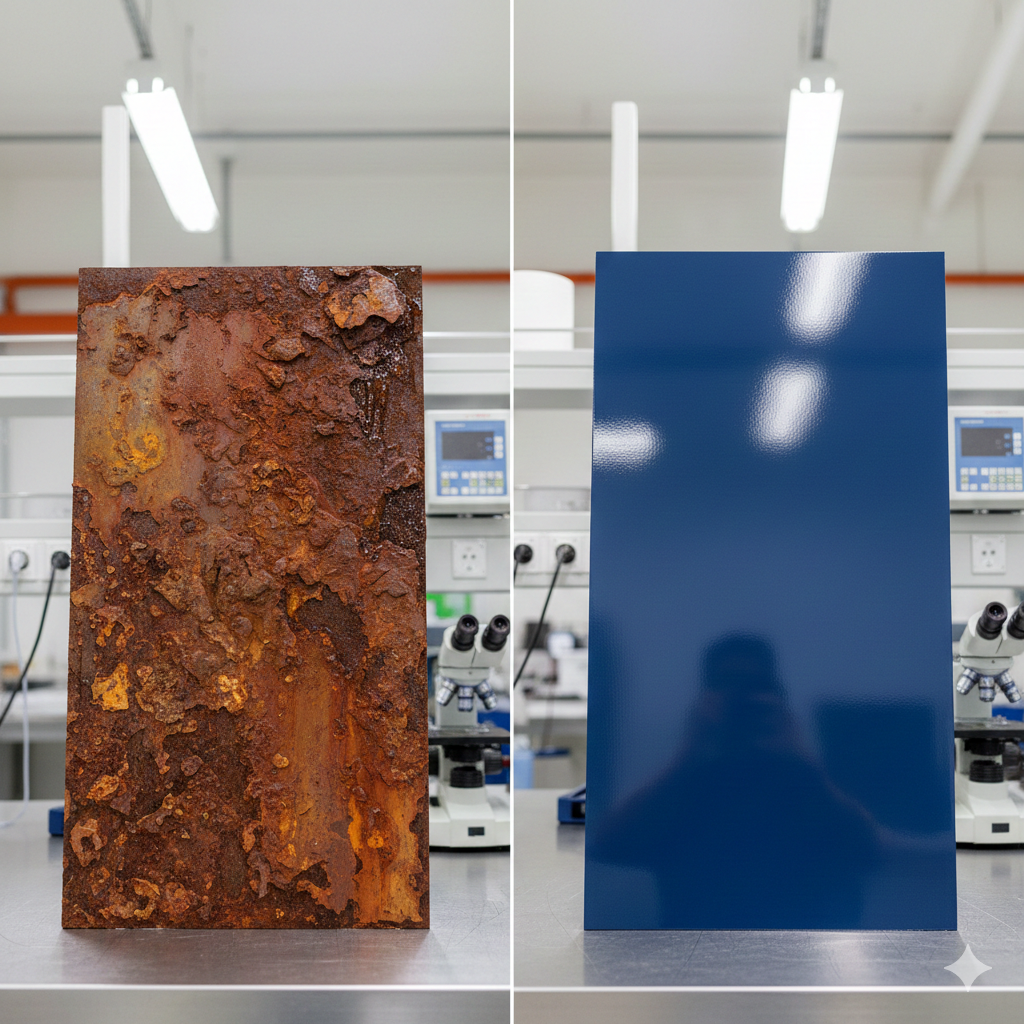
Corrosion is an inevitable thermodynamic process where refined metals continuously attempt to return to their lowest energy state—typically stable metal oxides—when exposed to atmospheric moisture, oxygen, and electrolytes. This slow but relentless electrochemical degradation is arguably the most pervasive and expensive material failure mode in modern industrial engineering. To combat this, advanced anti-corrosion coatings are deployed, engineered precisely to interrupt these electrochemical cell dynamics at the metal surface and extend the functional lifespan of critical assets.
Understanding Corrosion and Why Protection Is Critical
At a molecular level, the corrosion of iron and steel involves an anodic reaction where iron atoms lose electrons and a cathodic reaction where dissolved oxygen is reduced by those electrons in the presence of water. Without highly engineered protection, this process rapidly destroys the structural integrity of the metal, leading to microscopic pitting, cracking, and eventual catastrophic failure.
The economic impact of uncontrolled corrosion is massive, forcing industries to implement stringent, multi-layer coating systems. Protecting assets is no longer a maintenance afterthought; it is a fundamental safety and compliance requirement for heavy industries. The most vulnerable sectors include:
- Oil & Gas Pipelines: Requiring severe chemical resistance against acidic crude, hydrogen sulfide, and subterranean moisture.
- Marine Vessels & Offshore Platforms: Facing constant attack from highly conductive saltwater electrolytes and extreme UV radiation.
- Automotive Systems: Demanding robust underbody protection against road salts, moisture, and flying debris impact, often combining coatings with applied rust preventive oils.
- Chemical Processing Equipment: Enduring continuous exposure to concentrated acids, alkalis, and aggressive solvents.
How Anti-Corrosion Coatings Work (Protection Mechanisms)
Anti-corrosion coatings are not simple decorative paints; they are rigorously formulated polymer networks designed to arrest electrochemical activity. Instead of relying on a single defense, professional systems leverage sophisticated physical chemistry to shield the substrate. Formulators achieve this by tightly controlling polymer cross-linking density, reducing ionic permeability, and embedding active protective pigments into the resin matrix.
The science of corrosion prevention categorizes protection into three distinct, proven mechanisms. Depending on the severity of the service environment, modern coating systems may employ one or a synergistic combination of the following defensive strategies:
- Barrier Protection: The most common mechanism, where highly cross-linked polymers (like epoxies) create a dense, impermeable film with extremely low free volume, physically blocking water, oxygen, and chloride ions from reaching the substrate.
- Sacrificial (Galvanic) Protection: Utilizing pigments composed of metals with a higher electrochemical activity than iron (such as zinc). The zinc particles act as sacrificial anodes, corroding preferentially and sacrificing themselves to protect the underlying steel cathode.
- Inhibitive Protection: Incorporating active chemical pigments (such as phosphates) that slowly dissolve and react with the moisture at the metal interface, forming a passive, inert molecular layer that halts further anodic dissolution.
Major Types of Anti-Corrosion Coatings
The fundamental performance of any anti-corrosion coating is dictated by the chemical structure of its binding resin, the same underlying paints and coatings chemistry that governs decorative and architectural finishes. Different polymer chemistries dictate the ultimate cross-linking density, flexibility, solvent resistance, and UV stability of the cured film. Consequently, engineering a protective system requires matching the specific resin type to the anticipated environmental stressors.
Industrial formulators rely on a core portfolio of resin technologies. Each offers a unique balance of physical robustness and chemical resistance, serving specific roles from deep-penetrating primers to high-gloss, weather-resistant topcoats:
- Epoxy Coatings: The absolute industry standard for primers. Their extremely dense, tightly cross-linked three-dimensional network offers unparalleled barrier protection and aggressive adhesion to steel, though they are prone to chalking under direct UV exposure.
- Polyurethane Coatings: Widely utilized as premium topcoats. They form highly flexible, abrasion-resistant films with outstanding aliphatic stability, completely resisting the UV degradation that plagues epoxies.
- Zinc-Rich Primers: Formulated with exceptionally high loadings of zinc dust (often exceeding 80% by weight). These zinc primers rely on particle-to-particle contact to provide galvanic electrical conductivity across the film, ensuring true sacrificial protection and functioning as a genuine anti rust coating rather than a purely cosmetic finish.
- Bituminous & Coal-Tar Coatings: Very thick, ultra-low-permeability thermoplastic coatings favored for subterranean pipelines and immersion environments due to their massive physical barrier properties and low cost.
Anti-Corrosion Coating Standards & Testing
In the industrial sector, the performance of an anti-corrosion coating cannot be guaranteed by formulation alone; it must be empirically validated through rigorous, standardized laboratory testing. These testing protocols are designed to artificially accelerate decades of environmental stress into a manageable timeframe, exposing the coating to intense corrosive electrolytes, rapid thermal cycling, and mechanical destruction.
Compliance with global testing standards is mandatory for commercializing protective coatings for government infrastructure, maritime vessels, and the oil & gas industry. The most universally recognized performance evaluations include:
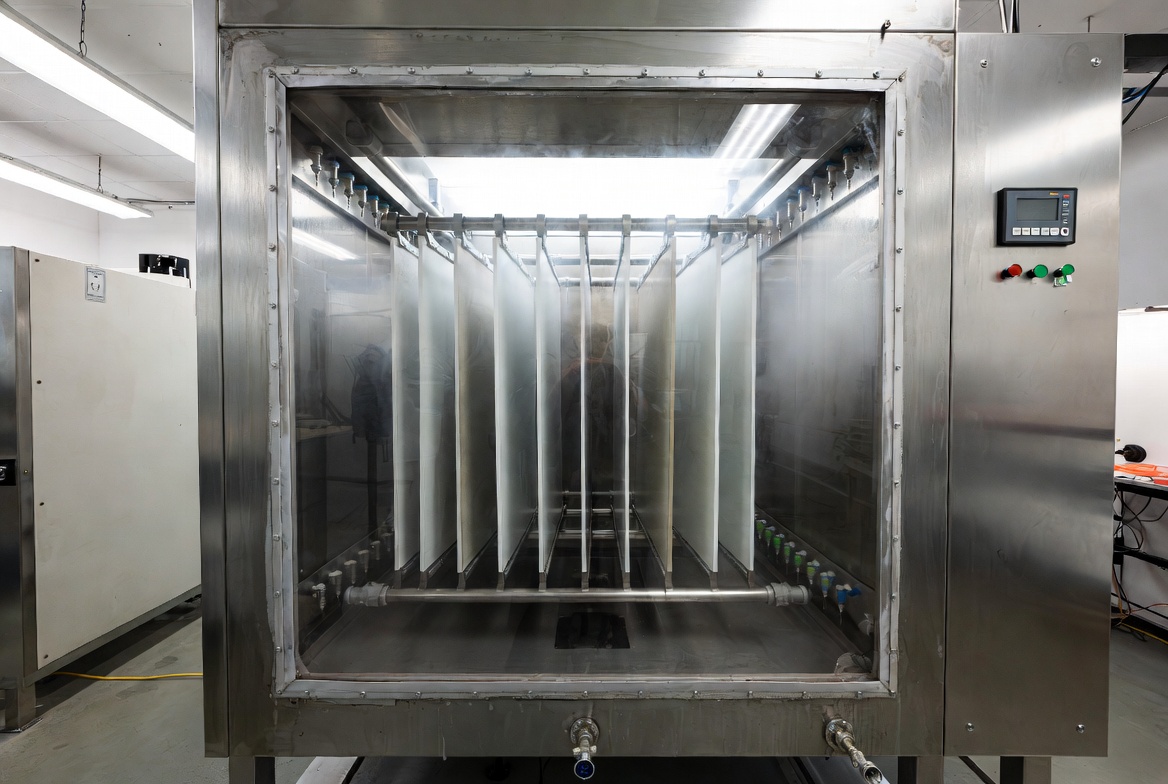
- ASTM B117 (Salt Spray Testing): The industry baseline test where coated panels are continuously blasted with a dense, heated 5% sodium chloride fog, evaluating the resin's barrier integrity over hundreds or thousands of hours.
- Cyclic Corrosion Testing (e.g., ISO 11997): A highly advanced and realistic protocol that cycles the coating through alternating phases of salt fog, extreme UV radiation, forced drying, and high humidity, mimicking complex real-world weathering.
- Adhesion Pull-Off Testing (ASTM D4541): A mechanical test that utilizes hydraulic pressure to literally rip a glued dolly off the coated surface, quantitatively measuring the exact tensile force required to break the coating's bond to the substrate.
- Cathodic Disbondment Testing: Critical for buried pipelines, this evaluates the coating's resistance to peeling away from the steel when an artificial protective electrical current is applied to the pipeline.
Alongside these destructive and accelerated exposure tests, applicators also monitor wet film thickness in real time during spraying so the coating cures within its validated dry film thickness window rather than being caught only after the salt spray test or salt fog testing has already run its full cycle.
Common Failure Causes in Anti-Corrosion Systems
Despite utilizing premium resins and highly engineered formulations, anti-corrosion systems frequently fail prematurely in the field. Extensive industrial failure analysis consistently reveals that the vast majority of coating breakdowns are entirely unrelated to the chemical formulation itself. Instead, these catastrophic failures stem from poor application discipline, inadequate environmental control during curing, or improper system specification.
Understanding the physical mechanisms behind coating failures is essential for both contractors and manufacturers to mitigate liability and prevent millions of dollars in rework. The most prevalent technical causes of failure include:
- Inadequate Surface Preparation: Failing to remove invisible soluble salts (chlorides) or mill scale, apply a conversion coating pretreatment where specified, or blast a sufficiently deep angular profile, resulting in immediate catastrophic adhesion failure and rapid under-film blistering.
- Incorrect Dry Film Thickness (DFT): Applying the coating too thin compromises the barrier mechanism by leaving microscopic pinholes. Conversely, applying it too thick traps massive internal solvent stresses, leading to severe cracking and cohesive failure.
- Inter-coat Adhesion Failure: Occurs when a topcoat is applied long after the underlying epoxy primer has completely hardened and sealed its reactive bonding sites, preventing chemical cross-linking between the layers.
Frequently Asked Questions (FAQ)
1. Which anti-corrosion coating is best for steel?
Epoxy primers combined with polyurethane or epoxy topcoats are the most widely used systems for structural steel due to their high cross-linking density, intense adhesion, and superior chemical barrier properties.
2. How long does an anti-corrosion coating last?
Service life varies dramatically depending on the specific resin chemistry, the severity of the industrial environment, and crucially, the quality of initial surface preparation. Lifespans typically range from 3 to well over 25 years.
3. Are water-based anti-corrosion coatings effective?
Absolutely. Modern water-based acrylic and epoxy emulsion technologies have advanced significantly, providing excellent barrier protection for light to moderate industrial environments while remaining strictly compliant with modern low-VOC environmental regulations.
4. What makes zinc-rich primers different from standard barrier primers?
Standard barrier primers like epoxy protect purely by forming a dense, impermeable film that physically blocks water and oxygen from reaching the steel. Zinc-rich primers add a second mechanism on top of this: they are loaded with such a high concentration of zinc dust, often above 80% by weight, that the particles maintain electrical contact with each other and the steel. This allows the zinc to act as a sacrificial anode, corroding preferentially so the underlying steel cathode is protected even where the film is scratched or damaged.
5. Why does incorrect dry film thickness cause coating failure?
Dry film thickness (DFT) has to fall within a validated range for the coating to perform as designed. Applying it too thin leaves microscopic pinholes that compromise the barrier mechanism, letting moisture and oxygen reach the substrate far sooner than expected. Applying it too thick traps internal solvent stresses as the film cures, which leads to cracking and cohesive failure instead of a durable protective layer. Both failure modes are avoidable with proper wet film thickness monitoring during application.
6. How does cathodic disbondment testing evaluate pipeline coatings?
Buried and submerged pipelines are typically protected by both a coating and an externally applied cathodic protection current. Cathodic disbondment testing checks whether that protective current, which is meant to safeguard any coating defects, instead causes the coating itself to peel away from the steel at a holiday or damage point. A coating that disbonds under this test would leave a growing area of exposed, unprotected steel in service, so this test is a mandatory qualification step for pipeline coating systems.
Need Technical Formulations for Industrial Coatings?
Accelerate your product development with Global Formulation. We engineer highly cross-linked epoxy barriers, advanced zinc-rich sacrificial primers, and extreme UV-resistant polyurethane topcoats compliant with ISO and ASTM standards. Browse our full paints and coatings portfolio.
Email: consulting@globalformulation.com
Phone: +91 9819548320 +91 8169102990
About the Specialist
The Global Formulation Team consists of senior industrial consultants with cross-disciplinary expertise spanning advanced process engineering, specialty chemical formulations, and industrial coating systems. Our technical architects lead scientific advisory and formulation teams supporting manufacturers globally in technology selection, GMP layouts, validation frameworks, and regulatory strategies.
LinkedIn Portfolio: Connect with Global Formulation on LinkedIn