How to Formulate Premium Car Wash Soap: A Technical Guide
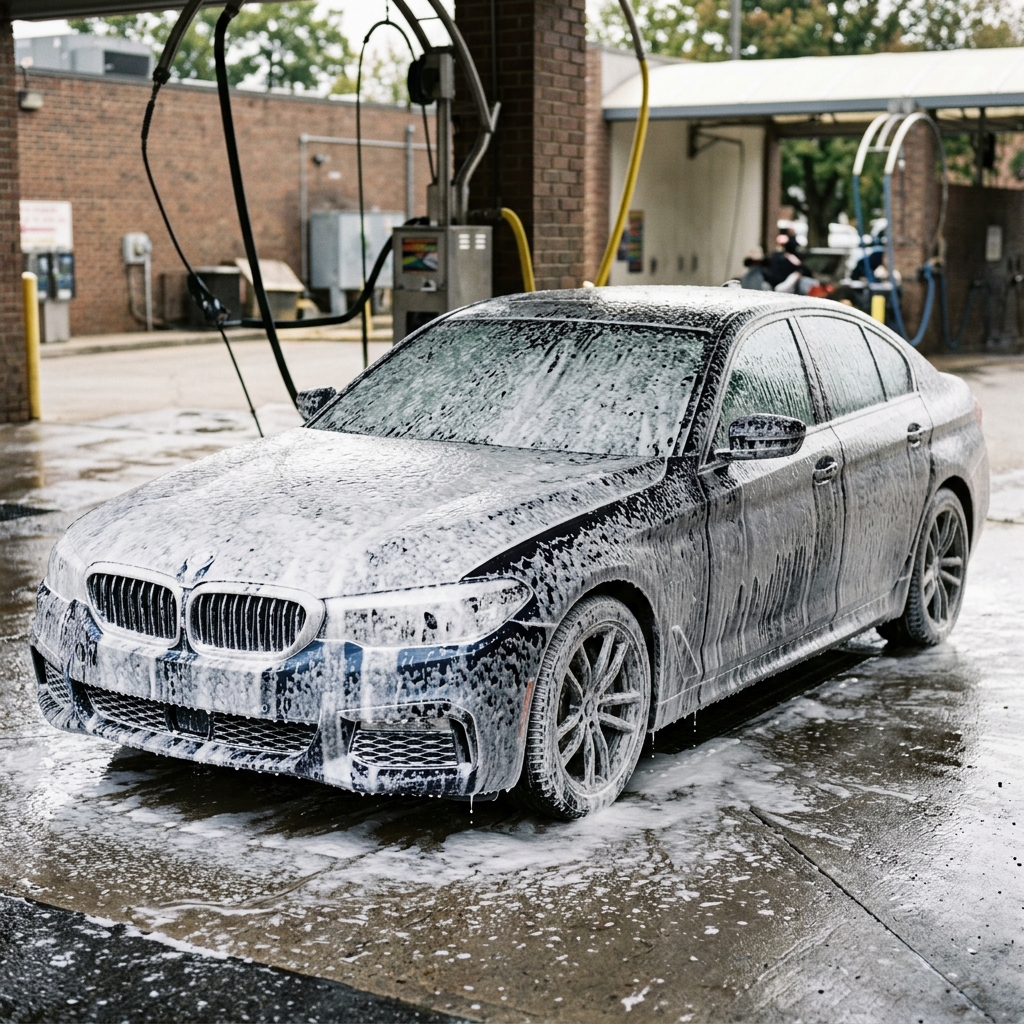
The automotive detailing sector has transformed from a basic utility service into a sophisticated, high-tech industry driven by increasing vehicle ownership and rising customer expectations. Modern vehicle clear coats are delicate polymeric substrates that demand specialized formulations to clean effectively without inflicting micro-scratches or removing pre-existing protective coatings. For chemical manufacturers and detailing entrepreneurs, this represents a highly profitable, recurring B2B and B2C market opportunity within the broader household and industrial cleaning products category.
Table of Contents
The Science of Automotive Cleaning: Understanding Surfaces and Soil
Automotive detailing is far more than simple detergent application; it is a complex interaction between chemical agents and various substrates, including clear coats, chrome, glass, and plastic. In a professional manufacturing business, success hinges on understanding how soil adheres to these surfaces and how to effectively break those bonds without compromising the integrity of the vehicle's finish. A premium formulation must account for the diverse environmental factors that users face globally, from industrial fallout to organic road grime.
The primary challenge in car shampoo formulation is the removal of stubborn, non-polar oily soils and polar inorganic dust that form "traffic film." This film creates a dull appearance and can be abrasive if not properly emulsified before mechanical contact. By mastering the principles of surface tension and micelle formation, chemical entrepreneurs can develop products that provide superior lubrication, ensuring a scratch-free washing experience that builds long-term customer loyalty and authority in the industry.
Types of Automotive Dirt: Organic vs. Inorganic Contaminants
Before designing a surfactant system, one must categorize the target contaminants. Organic soils—such as insect remains, bird droppings, and tree sap—require specific enzymatic or solvent-based assistance, whereas inorganic contributors like silt, clay, and brake dust respond better to mechanical suspension and chelating agents. A balanced formulation addresses both categories simultaneously to ensure a "one-step" cleaning miracle for the end-user.
Understanding these dirt types allows formulators to select complementary surfactant classes. For instance, organic contaminants require highly emulsifying agents, while particulate soils necessitate dispersants that can encapsulate micro-particles, preventing them from dragging across the vehicle's clear coat during hand washing.
- Organic Contaminants: Proteins, lipids, and carbohydrates requiring lipid-cleaving surfactants and wetting boosters.
- Inorganic Contaminants: Metallic particles, minerals, and carbon black requiring electrostatic suspension and chelation.
- Industrial Fallout: Acid rain deposits, iron particles, and rail dust that often require pH-neutral clay-bar alternatives or targeted chelating agents.
Surface Tension and the Role of Surfactants in Paint Safety
The clear coat of a modern vehicle is a delicate polymeric layer that can easily be marred. High-quality car shampoo formulations prioritize "low surface tension" to allow the liquid to penetrate deep into the microscopic pores of the grime. This process, known as "wetting," is the first step in successful soil release. Once the surface is wetted, the surfactants work to lift and suspend the particles within the water column, preventing them from re-depositing on the paint during the wash cycle.
A crucial physical parameter is the Critical Micelle Concentration (CMC) of the surfactant system. Formulating above the CMC ensures that there are always free micelles available to encapsulate oil droplets. Additionally, high lubrication (or "slickness") is introduced through specialized polymers that create a thin hydrodynamic barrier between the wash mitt and the paintwork, reducing mechanical friction.
Key Components of a High-Performance Car Shampoo
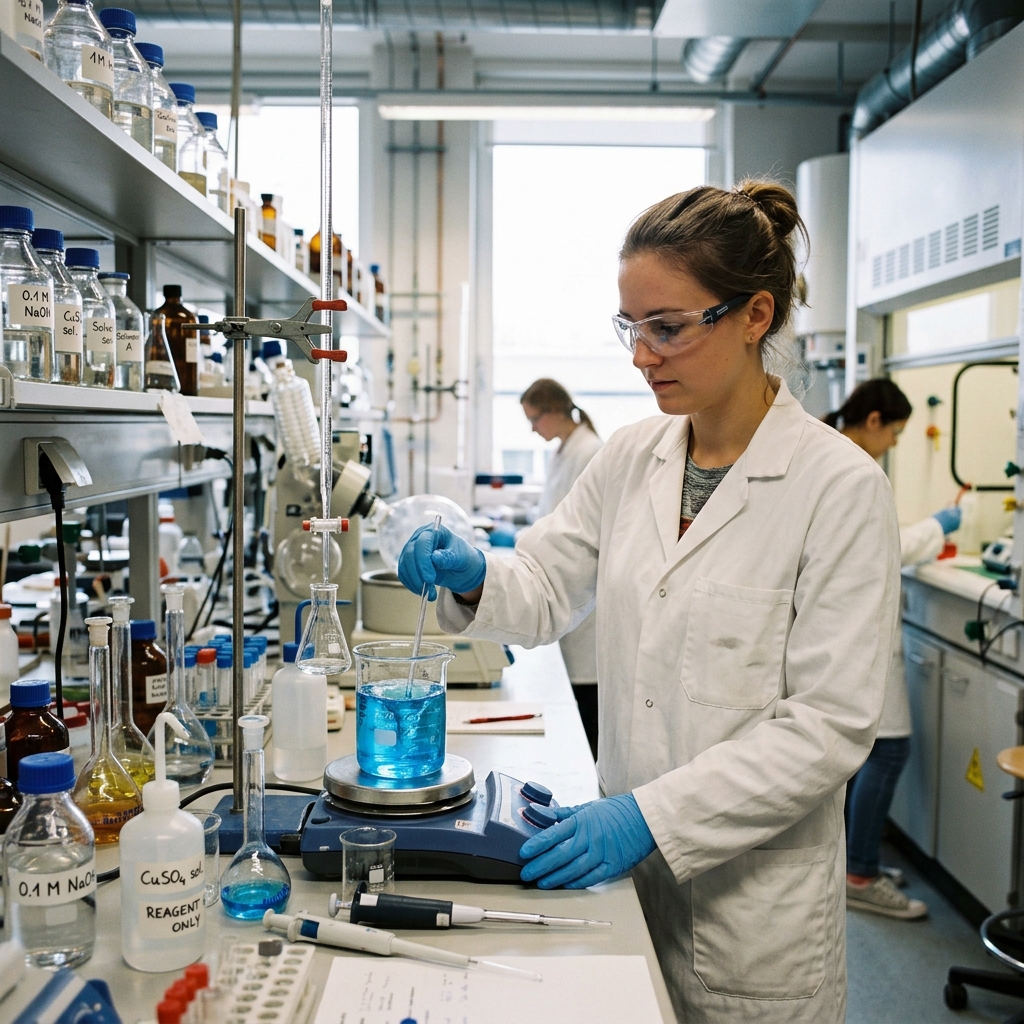
Transforming raw materials into a market-leading car wash soap requires a deep understanding of surfactant synergies. A premium car cleaning soap is never a single-ingredient solution; it is a carefully calibrated blend of anionic, non-ionic, and amphoteric surfactants designed to perform across varying water hardness levels and temperatures. For a manufacturing business, choosing the right "active matter" is the difference between a high-profit premium vehicle wash soap and a low-margin commodity product.
Beyond basic cleaning, a professional-grade shampoo must offer secondary benefits that justify a higher price point. This includes "hydrophobic" properties that aid in rinsing (sheeting), optical brighteners that enhance the paint's depth, and thick, stable foam that stays on vertical surfaces longer. These features are achieved through the strategic addition of viscosity modifiers and foam stabilizers that do not interfere with the primary cleaning mechanism — the same foam-engineering principles covered in our foam control in cleaning products guide.
Surfactants: The Engine of the Formulation
The backbone of most car shampoos involves a synergy between primary anionic surfactants like Sodium Laureth Sulfate (SLES) or Sodium Alpha Olefin Sulfonate (AOS) and secondary boosters like Cocamidopropyl Betaine (CAPB). While the anionic components provide the heavy-duty lifting power, the amphoteric and non-ionic additions reduce skin irritation and increase foam density, creating the "rich" feel that professional detailers demand. Our broader surfactant selection guide for cleaning formulations covers how to weigh these trade-offs across household and industrial cleaning products more generally.
Formulators must carefully analyze the Hydrophilic-Lipophilic Balance (HLB) of the surfactant mixture. For premium car shampoo, an HLB in the range of 12 to 15 is targeted to optimize wetting, emulsification, and rinsability without stripping existing wax barriers like Carnauba or synthetic sealants.
Builders and Chelating Agents: Managing Water Hardness
One of the most common reasons car shampoos fail to perform in the field is water hardness. Calcium and magnesium ions in "hard" water can react with surfactants, forming insoluble "scum" that leaves streaks on the vehicle. Premium formulations integrate chelating agents to neutralize these ions, ensuring the surfactant blend remains fully functional even in challenging municipal water conditions — a challenge covered in more depth in our guide to hard water challenges in detergent formulation.
Common chelators used include Tetrasodium EDTA or bio-based alternatives like Sodium Gluconate and Tetrasodium Glutamate Diacetate. These builders sequester hard water minerals, preventing spot formation during the drying phase and maintaining the absolute clarity of the clear coat.
Rheology and Viscosity Modifiers: The Premium Texture
In the consumer market, viscosity is often perceived as a proxy for concentration. Achieving a thick, honey-like consistency requires precise rheology control. While simple salt-thickening works for basic formulas, advanced manufacturers use cellulosic thickeners or polymeric modifiers to create a stable, temperature-resistant gel that looks and feels premium in clear packaging.
Cellulose ethers (e.g., Hydroxyethyl Cellulose) or associative acrylic polymers provide excellent shear-thinning behavior. This allows the shampoo to dispense easily from the bottle, yet cling to vertical panels when applied via a foam cannon, maximizing dwell time and chemical action.
Technical Component Stability Comparison
Table 1 outlines the standard functional categories, primary purposes, and representative ingredients used in professional car shampoo formulations. Sourcing high-purity grades of these components is crucial to ensure batch stability and technical continuity.
The Industrial Formulation Process
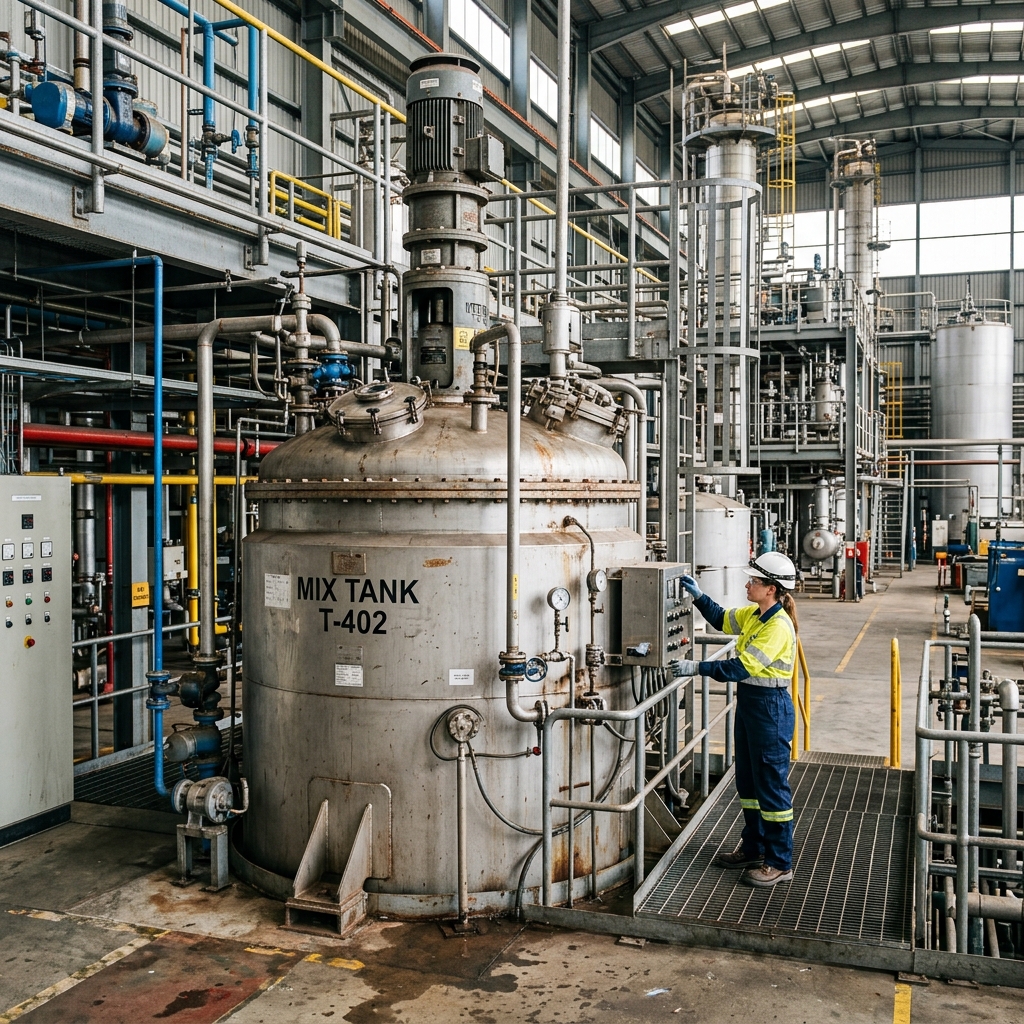
Transitioning from a laboratory beaker to a 1,000-liter industrial batch is a critical phase for any manufacturing business. The sequence of addition is just as important as the ingredients themselves. Improper mixing speeds or temperatures can lead to phase separation, "clumping" of thickeners, or excessive aeration that makes bottling impossible. A standardized Standard Operating Procedure (SOP) is essential for maintaining batch-to-batch consistency and technical accuracy.
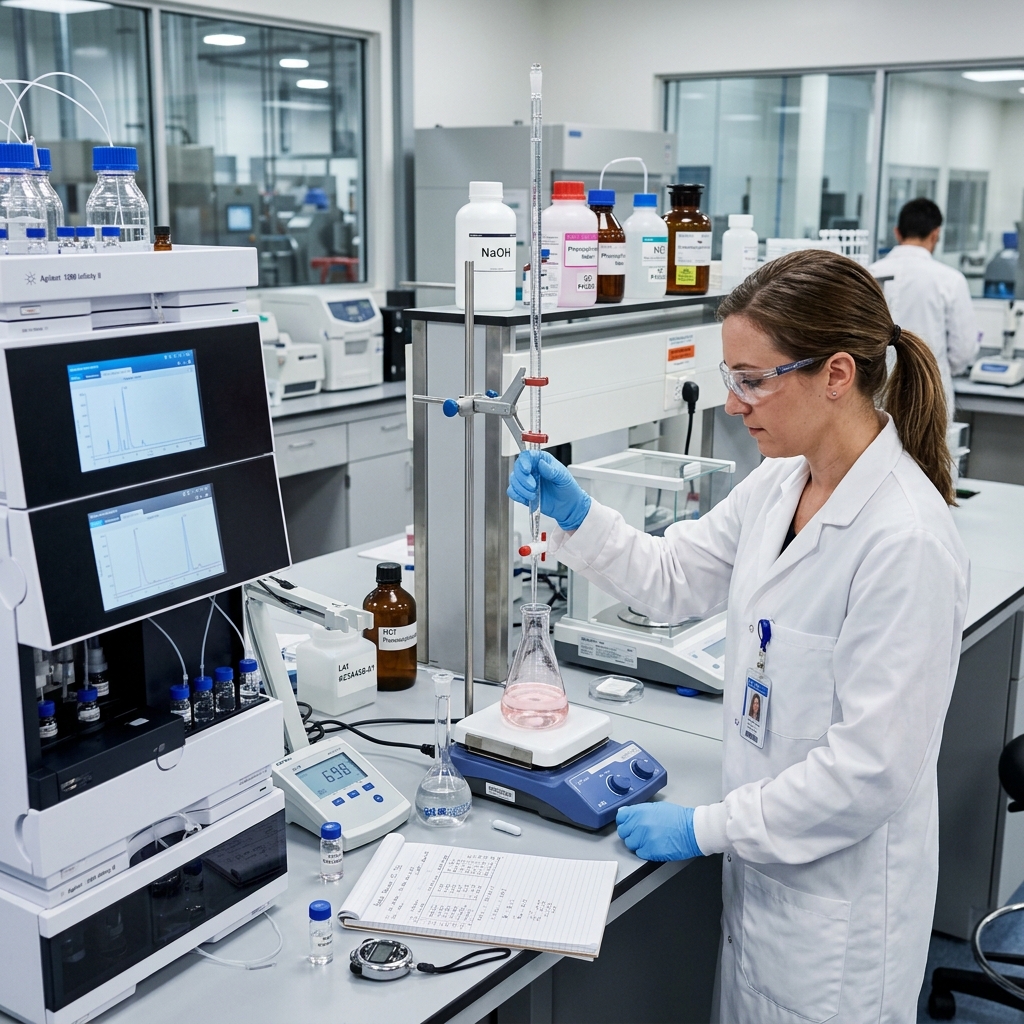
Quality control is the final gatekeeper of your brand's reputation. Every batch must be tested for key parameters such as pH levels, active matter percentage, and viscosity. For startups, implementing a robust tracking system for raw materials and finished goods ensures that if a problem arises, the source can be identified quickly. This level of professionalism is what separates hobbyist mixers from established industrial consultants and manufacturers.
Raw Material Selection and Quality Control Benchmarks
Not all raw materials are created equal. Impurities in low-cost surfactants can introduce unwanted odors or cause the formulation to cloud over time. Establishing strict COA (Certificate of Analysis) requirements for your suppliers ensures that your car shampoo maintains its transparency, stability, and performance throughout its shelf life, which is typically 24 months for premium aqueous products. Our guide to MSDS, TDS, and COA documentation explains what these certificates should verify before a raw material is approved for production.
For industrial production, de-mineralized or Reverse Osmosis (RO) water is non-negotiable. Using municipal tap water introduces random calcium and heavy metal concentrations that can degrade the preservative system or trigger oxidation, leading to premature color fading and loss of consistency.
pH Stabilization and Buffering Techniques
A "pH Neutral" claim is a powerful marketing tool in the detailing world, as it implies the product will not strip existing waxes or ceramic coatings. Achieving a stable pH of 7.0 to 7.5 requires careful buffering. Using agents like Citric Acid or Triethanolamine (TEA) allows the formulator to dial in the exact acidity required while ensuring the formula remains stable during transport and extreme temperature shifts.
Buffering prevents the formulation from drifting into acidic or alkaline regimes during long-term storage in high-temperature warehouses. The buffer capacity must be engineered to resist minor raw material variances, keeping the end-product perfectly safe for delicate clear coats, bare metal trim, and anodized aluminum surfaces. The underlying causes of pH drift in finished aqueous products, and how to stabilize against them, are covered separately in our pH drift in liquid detergents guide.
Scaling Up and Manufacturing Economics
The economics of car shampoo manufacturing are highly attractive for entrepreneurs due to the "water-base" nature of the product. With a typical active matter range of 10% to 25%, the majority of the finished product is local water, drastically reducing raw material costs compared to solvent-based chemicals — a cost structure it shares closely with other water-based cleaning products, such as the formulations covered in our liquid detergent formulation guide. However, industry profits are often won or lost in the efficiency of the supply chain and the minimization of production waste.
For a manufacturing business, scaling up requires investment in high-shear mixers and semi-automatic filling lines. The goal is to reduce the "man-hours per liter" cost. While manual filling works for small batches, an automated line can produce thousands of units per shift, allowing the business to pursue larger B2B contracts with car wash chains and dealership groups. This transition from "craft" to "industrial" is where significant revenue growth occurs.
Cost-per-Liter Analysis and Profit Margins
A successful entrepreneur must understand the "Fully Loaded Cost" of their product. This includes raw materials, packaging (bottles, caps, labels), shipping, and labor. In the premium car care segment, gross margins can exceed 60%, providing ample room for marketing spend and distributor discounts. By optimizing the surfactant blend to use the most cost-effective concentrations, manufacturers can maximize profitability without sacrificing the technical details of the cleaning performance.
In typical packaging formats (such as 500ml retail bottles or 5L commercial jugs), the cost of the HDPE container and the high-fidelity sticker label can equal or exceed the cost of the liquid chemistry itself. Sourcing packaging in bulk directly from manufacturers, rather than third-party distributors, is a key operational strategy to secure sustained industry profits.
Market Positioning and Branding
The car care market is segmented into three distinct tiers: DIY Consumers, Professional Detailers, and Industrial/Commercial Wash Centers. Your brand's positioning depends on which segment you target. Professional detailers prioritize "slickness" and lubrication to avoid marring expensive paintwork, while commercial wash centers prioritize high-dilution ratios and extreme foam stability for touchless systems, drawing on the same surfactant-synergy principles discussed in our multi-surface cleaner formulation guide. Understanding these nuances allows for targeted formulations that solve specific user problems.
Strategic branding should emphasize technical authority and safety. Highlighting that your formulation is "biodegradable" or low in volatile organic compounds (VOCs) appeals to the modern, eco-conscious consumer, and formulating against a recognized benchmark such as EPA Safer Choice gives that claim third-party credibility. At Global Formulation, we help manufacturers navigate these choices, ensuring that their products are not only chemically superior but also positioned to capture maximum market share in a competitive landscape.
Frequently Asked Questions (FAQ)
1. What is the ideal pH for a car wash shampoo?
For premium detailing, a pH of 7.0 to 7.5 (neutral) is ideal. This ensures the product is safe for all types of paint, waxes, and modern ceramic coatings while still providing enough alkalinity to emulsify organic grime.
2. Can I use SDS in my car shampoo formulation?
While Sodium Dodecyl Sulfate (SDS) is a powerful surfactant, it can be harsh on paint and skin. Most premium formulations prefer Sodium Laureth Sulfate (SLES) or AOS for a better balance of cleaning power and safety.
3. Why does my car shampoo lose its viscosity over time?
Viscosity loss is often due to temperature instability or bacterial contamination. Using high-quality rheology modifiers and a broad-spectrum preservative system is critical for industrial consistency.
4. How important is foam in car shampoo?
Functionally, foam helps suspend dirt and provides visual coverage. Psychologically, thick foam is associated with high concentration and quality by consumers, making it a vital marketing feature.
5. What is the difference between car shampoo and dish soap?
Dish soaps are designed to strip grease and often contain harsh degreasers that remove automotive waxes. Car shampoos are formulated with lubricants and neutral surfactants to protect the delicate clear coat.
6. How do I scale up from a 10L batch to 1000L?
Scaling up requires adjusting mixing times and using industrial equipment like high-shear emulsifiers. It is vital to maintain the same temperature profiles and addition sequences as confirmed in the lab scale.
Need Technical Car Wash Shampoo Formulation & Scale-Up Engineering Support?
Discuss your physical chemistry formulation parameters, surfactant selections, rheology stability checks, and blending facility setup with industrial specialist Absar Khan.
Email: consulting@globalformulation.com
Phone: +91 9819548320 +91 8169102990
About the Specialist
Absar Khan is a senior industrial consultant with cross-disciplinary expertise spanning pharmaceutical manufacturing, cosmetics and personal care, home and institutional care chemicals, aerosols, lubricants, and advanced process engineering. His work integrates multiple scientific and engineering domains, including formulation chemistry, GMP facility design, validation science, quality systems, regulatory compliance, and large-scale manufacturing optimization.
LinkedIn Portfolio: Connect with Absar Khan on LinkedIn