From Lab to Market: Professional-Grade Toilet Bowl Cleaners
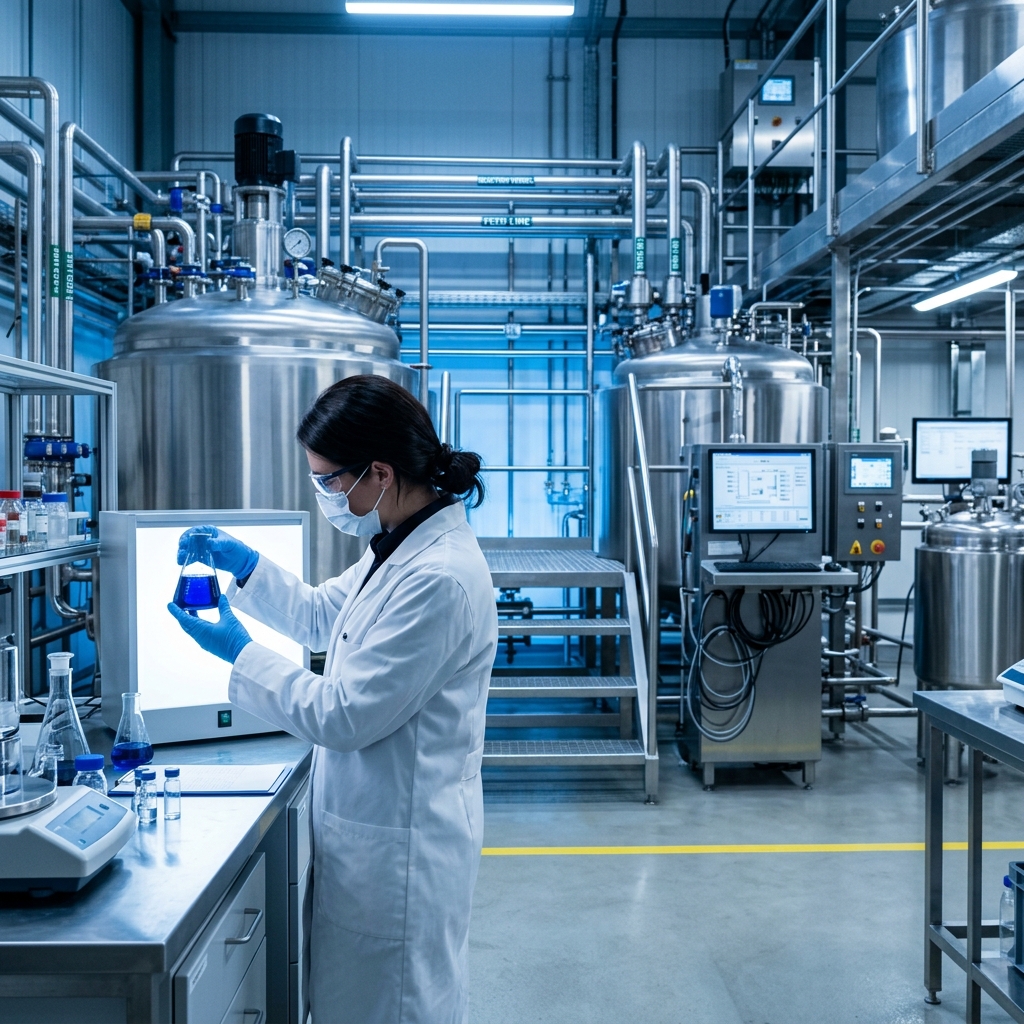
The global demand for household and industrial hygiene products has seen an unprecedented surge over the last decade, particularly in emerging markets. The toilet bowl cleaner segment remains one of the most stable and high-margin categories within the home care industry, driven by recurring demand and rapid urbanization. However, establishing a successful chemical manufacturing business in this space requires moving beyond basic DIY home recipes and adopting a highly professional, technically advanced industrial approach.
Table of Contents
- Market Opportunity: The Rise of Hygiene Consciousness
- The Chemistry of Effective Cleaning: Active Ingredients
- Thickening & Rheology: The Science of the "Cling"
- Industrial Manufacturing Process: A Step-by-Step Guide
- Aesthetic Integrity: Fragrance and Color Stability
- Specialized Packaging and Logistics
- Safety, Regulatory & Environmental Compliance
- Economic Feasibility and Industry Profits
- Frequently Asked Questions (FAQ)
Market Opportunity: The Rise of Hygiene Consciousness
The global demand for household and industrial hygiene products has seen an unprecedented surge over the last decade, particularly in emerging markets like India and Southeast Asia. Entrepreneurs entering this space are often met with a landscape that requires a delicate balance of technical efficacy and cost-optimization to succeed in a manufacturing business. This balance is critical to compete with established giants while maintaining a highly profitable bottom line.
The toilet bowl cleaner segment is one of the most stable categories within the home care industry, driven by recurring demand and increasing urbanization. To build a brand that resonates with both retail consumers and institutional clients, one must move beyond basic "DIY" recipes and adopt a professional industrial approach. This transition requires a detailed understanding of the market dynamics, technological innovations, and scalability factors that govern the sector:
- Shift to Branded Solutions: An increasing global shift from local unbranded products to branded, high-efficacy hygiene solutions driven by awareness.
- Institutional Segment Growth: Exponential growth in the B2B institutional segment, including hospitals, hospitality, corporate offices, and transit hubs — a buyer group whose disinfection requirements are covered in our hospital-grade disinfectant formulation guide.
- Eco-Friendly Chemical Focus: Technological innovation focusing heavily on eco-friendly, biodegradable, and safer organic acidic agents.
- High Industry Profit Margins: Excellent profit margins for chemical manufacturing businesses that master lean operations, local raw material sourcing, and efficient distribution networks.
The Chemistry of Effective Cleaning: Active Ingredients
A professional-grade toilet cleaner acid formulation generally belongs to this acidic category, as it must tackle mineral deposits (limescale), rust, and uric acid stains. Understanding the molecular interactions between the cleaner and the ceramic surface is the first step toward creating a formulation that outperforms mass-market competitors. The chemical equilibrium at the surface interface determines the product's ability to chelate metal ions and break down complex organic matrices.
The active cleaning agents must be carefully selected to ensure high efficacy without being overly aggressive on the drainage infrastructure. This technical selection process differentiates a standard product from a premium industrial-grade cleaner, where sustainability and material compatibility are prioritized alongside aggressive stain removal capabilities.
1. Active Acids: The Cleaning Powerhouse
The choice of acid defines the speed and efficiency of the stain removal process. While Hydrochloric Acid remains the industrial standard for fast-acting performance due to its high dissociation constant, modern formulations are increasingly incorporating organic acids such as Citric, Sulfamic, or Lactic acid for "green" variants. These organic alternatives offer lower toxicity profiles while maintaining significant descaling power against limescale deposits.
These acids work by dissolving the mineral matrix of the stain, allowing it to be easily rinsed away. Technical accuracy in selecting the specific acid concentration—typically ranging from 8% to 15% in industrial formulations—is vital to ensure consistent performance across various water hardness levels without compromising the integrity of ceramic glazes or plumbing seals. The same calcium and magnesium chemistry behind these deposits is covered from a formulation-compatibility angle in our guide to hard water challenges in detergent formulation.
2. Surfactants: Wetting and Soil Removal
Surfactants play a dual role in toilet cleaner formulations: they reduce surface tension to allow the acid to penetrate deep into stains and help emulsify oily residues. In highly acidic environments, non-ionic surfactants like Alcohol Ethoxylates (e.g., C12-15 Ethoxylates) are preferred due to their stability and high wetting power. Anionic surfactants are often avoided in acidic gels as they can lead to instability or precipitate formation.
Selecting the right surfactant also impacts the foam profile of the product. Industrial consultants often recommend specific blends to ensure that the cleaner provides enough foam to signify "cleaning action" to the user while maintaining easy rinsability. A low-foaming profile is often preferred for industrial applications where speed of flushing is critical for turnaround times. Our surfactant selection guide for cleaning formulations covers this foam-versus-rinsability trade-off in more detail across other household and industrial cleaner categories.
Thickening & Rheology: The Science of the "Cling"
One of the most critical aspects of a professional-grade liquid toilet bowl cleaner is its viscosity and yield value. A low-viscosity liquid will simply run down the toilet bowl sides without providing enough contact time to dissolve stains. High-performance cleaners utilize advanced thickening systems to ensure "vertical cling," allowing the chemical action to take place over 5 to 10 minutes of contact. This contact time is essential for the acid to penetrate the crystalline structure of calcium carbonate deposits.
The science of rheology in cleaning products involves choosing thickeners that remain stable in low pH environments. This is a common failure point for many startup formulations, leading to product separation or loss of thickness over time. Achieving a "pseudoplastic" flow behavior is the gold standard, where the product flows easily when squeezed through a nozzle but thickens immediately upon contact with the surface, preventing wasteful runoff:
- Acid-Stable Gums: Natural polymers like Xanthan Gum are often used for their excellent shear-thinning (pseudoplastic) properties. They maintain viscosity even in the presence of high acid concentrations and provide a smooth, consistent pour.
- Amine Oxides: These specialized surfactants (e.g., Lauryl Amine Oxide) function as both cleaning agents and secondary thickeners in acidic solutions. They provide a clear, gel-like appearance that consumers associate with premium quality.
- Associative Thickeners: Synthetic polymers can provide a highly transparent, clear gel appearance and can be engineered to offer specific flow characteristics tailored for automated bottling lines.
Industrial Manufacturing Process: A Step-by-Step Guide
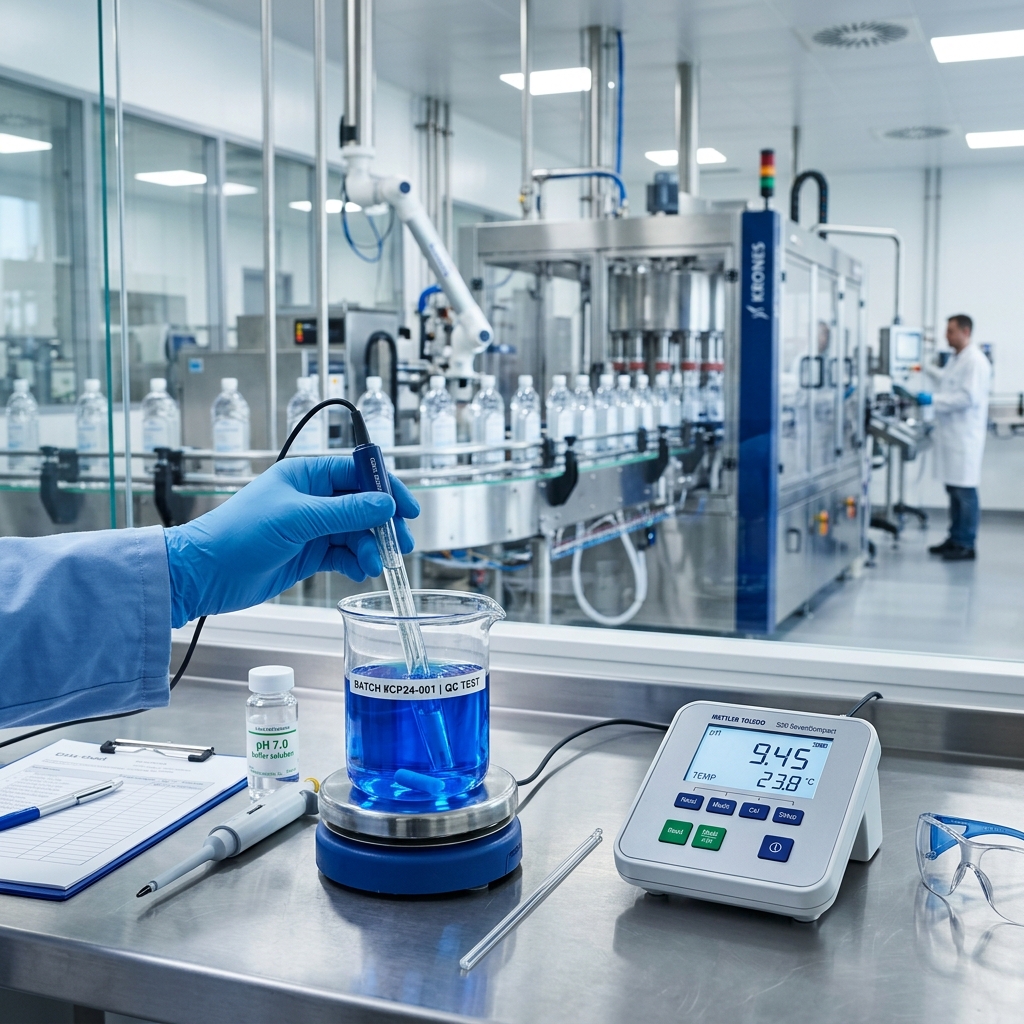
Scaling from a laboratory beaker to industrial-level production requires a robust process control system. The manufacturing of acidic cleaners involves handling corrosive materials, requiring specialized stainless steel (e.g., SS 316L) or high-density plastic tanks and mixers. The exothermic nature of acid dilution must be carefully managed to prevent temperature spikes that could degrade fragrances or thickeners, which can significantly impact the long-term industry profits of a manufacturing business.
The sequence of addition is paramount in chemical manufacturing to ensure stability and safety. In most industrial setups, a cold blending process is followed, where temperature-sensitive ingredients are added only after the primary dilution and stabilization stages. Strict agitation speeds are maintained to prevent air entrapment, which can cause "bottling foam" issues that slow down the automated production lines — the same excess-foam control principles discussed in our foam control in cleaning products guide.
Technical Stability Comparison
Table 1 outlines the stability parameters of common surfactant classes in high-acid (pH < 1.0) industrial environments. Selecting the wrong surfactant class will lead to immediate cloudiness, phase separation, or catastrophic loss of rheological properties during warehouse storage.
Aesthetic Integrity: Fragrance and Color Stability
The sensory experience of a cleaning product is a major driver of brand loyalty. However, providing a pleasant fragrance in a 10% Hydrochloric Acid solution is a significant technical challenge. Most conventional perfumes will oxidize and lose their scent profile within weeks when exposed to low pH environments, leading to an "off-note" that can damage a brand's reputation.
Professional formulators utilize specific acid-stable fragrance molecules, often dominated by terpenic notes like pine or citrus, which are chemically robust enough to survive the acidic medium. Similarly, the blue color synonymous with toilet cleaners is achieved using Acid Blue 9 or other acid-fast dyes that do not fade or change hue over the product's shelf life, ensuring the product looks as fresh at 12 months as it did on day one.
Technical precision in the order of addition for these components is crucial. Fragrances are typically pre-mixed with a portion of the surfactant (solubilization) before being introduced to the bulk acidic mixture to prevent "cloudiness" or separation in the final bottle. This ensures a crystal-clear premium look that justifies a higher price point in the market.
Specialized Packaging and Logistics
The packaging of acidic cleaners is not merely aesthetic—it is a critical safety and functional component. Professional-grade cleaners are almost exclusively packaged in High-Density Polyethylene (HDPE) bottles, which offer the necessary chemical resistance to withstand corrosive formulas without leaching or deformation. The wall thickness of these bottles is a key variable in preventing "paneling" or collapsing when temperature fluctuations occur during shipping.
Advanced nozzle designs are engineered to deliver the product under the rim of the toilet bowl, where mineral deposits are most prevalent. For businesses looking to scale, investing in high-speed automated filling lines that are compatible with corrosive liquids is a significant but necessary capital expenditure. This technological investment is what secures sustained manufacturing business growth and industry profits in a crowded market:
- Vented Caps: Essential for certain formulations that may release small amounts of gas over time to prevent bottle bloating or leakage during transit.
- Child-Resistant Packaging (CRP): A global regulatory requirement for hazardous household chemicals to protect vulnerable users and comply with international safety standards.
- Label Adhesion: Utilizing specific adhesives that are resistant to accidental product spills during use, ensuring the brand identity remains intact throughout the product's life.
Safety, Regulatory & Environmental Compliance
Handling concentrated acids and industrial surfactants requires strict adherence to safety protocols. A professional manufacturing facility must be equipped with appropriate Personal Protective Equipment (PPE), emergency eye-wash stations, and fume extraction systems to manage potential risks. Compliance with local environmental regulations regarding wastewater treatment is also a cornerstone of a sustainable manufacturing business.
Regulatory compliance extends beyond the factory floor. Every chemical product must be accompanied by accurate Material Safety Data Sheets (MSDS) and Technical Data Sheets (TDS), the shape and required content of which are covered in our guide to MSDS, TDS, and COA documentation. These documents detail the chemical composition, hazard identification, and first-aid measures. This documentation is essential not only for worker safety but also for B2B sales, institutional tenders, and international exports:
- Industrial Licenses: Strict compliance with local industrial chemical handling licenses (e.g., Pollution Control Board permits and municipal storage clearances).
- Green Chemistry Alignment: Focus on VOC-reduced and biodegradable formulas, often benchmarked against a recognized standard such as EPA Safer Choice, to meet increasing consumer demand for eco-friendly chemistry.
- GHS-Compliant Labeling: Transparency in labeling regarding active ingredients, standardized danger symbols, warnings, and emergency contact details, following the same hazard communication principles set out in OSHA's Hazard Communication Standard.
- Stability Validation: Periodic third-party laboratory testing to verify cleaning efficacy and shelf-life stability under extreme temperature fluctuations.
Economic Feasibility and Industry Profits
The financial viability of a toilet cleaner manufacturing business depends on efficient raw material sourcing, process optimization, and logistical scale. By choosing the right technical formulation, manufacturers can achieve high-performance results at a significantly lower cost-per-liter than traditional "trial and error" methods. This economic advantage translates directly to sustained profitability in both retail and commercial segments.
Profitability in this sector is often found in the "Total Cost of Ownership" for the consumer. Products that offer superior cleaning power and faster action allow institutional users (like hotels and hospitals) to reduce labor costs, creating a value proposition that supports premium pricing and creates robust barriers to entry.
Industry experts often suggest that vertical integration—such as producing specialized thickeners or surfactants in-house—can further boost margins once a certain production threshold is met. Additionally, utilizing concentrated masterbatches for remote markets can drastically reduce shipping costs and expand the business's geographical footprint. Many toilet cleaner manufacturers pursue this economy of scale by co-producing a related line, such as the disinfectant formulations covered in our floor cleaner and disinfectant manufacturing startup guide, or the aqueous surfactant systems in our liquid detergent formulation guide, on the same production line and raw-material base.
Frequently Asked Questions (FAQ)
1. What is the shelf life of a professional toilet cleaner?
A well-stabilized formulation typically has a shelf life of 18 to 24 months, provided the acidic components and thickeners are compatible and store-stable.
2. Can I use natural fragrances in acidic cleaners?
While possible, most natural fragrances degrade in low pH. Professional formulators use specific acid-stable synthetic versions of pine, lemon, or aquatic notes.
3. What type of plastic is best for packaging?
High-Density Polyethylene (HDPE) is the industry standard due to its excellent chemical resistance to both acids and surfactants.
4. Why does my product separate after few months?
Separation is usually caused by an unstable thickening system or incompatibility between the surfactant and the specific acid concentration used.
5. Is it necessary to use de-mineralized water?
Yes, de-mineralized or RO water prevents unwanted reactions with metal ions that can affect the color and stability of the final product.
6. Do I need a factory to start this business?
No, many entrepreneurs start by utilizing contract manufacturing and private labeling while focusing on marketing and brand building.
Need Technical Toilet Cleaner Formulation & Scale-Up Engineering Support?
Discuss your physical chemistry formulation parameters, acid-stable surfactant selections, thickening rheology stability checks, and corrosive-safe blending facility setup with industrial specialist Absar Khan.
Email: consulting@globalformulation.com
Phone: +91 9819548320 +91 8169102990
About the Specialist
Absar Khan is a senior industrial consultant with cross-disciplinary expertise spanning pharmaceutical manufacturing, cosmetics and personal care, home and institutional care chemicals, aerosols, lubricants, and advanced process engineering. His work integrates multiple scientific and engineering domains, including formulation chemistry, GMP facility design, validation science, quality systems, regulatory compliance, and large-scale manufacturing optimization.
LinkedIn Portfolio: Connect with Absar Khan on LinkedIn