Industrial Grease Manufacturing Process: Technical Guide
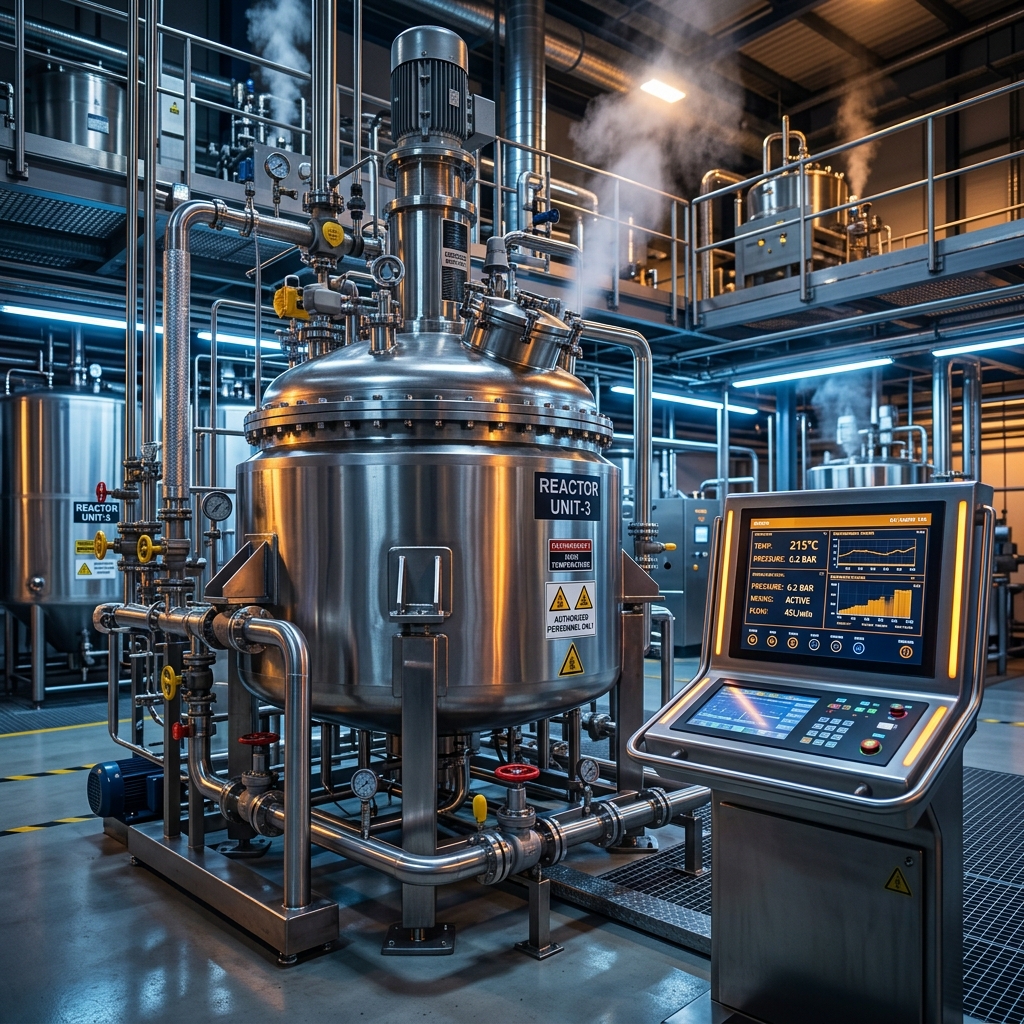
In the world of industrial maintenance and mechanical engineering, grease is often referred to as a "solid lubricant." Unlike fluid oils, grease provides a unique ability to stay in place, creating a durable barrier against friction and wear in environments where liquid lubrication would simply leak away. For the modern manufacturing business, mastering the grease manufacturing process is not just about chemical mixing; it is about engineering a multi-phase structural gel that can withstand extreme pressures and temperatures.
Table of Contents
- 1. Understanding the Role of Grease in Industry
- 2. The Fundamental Building Blocks of Grease
- 3. Stage 2: Saponification (The Heart of Grease Making)
- 4. Stage 3: Dehydration and Thermal Cooking
- 5. Stage 4: Finishing, Homogenization and Milling
- 6. Essential Equipment for a Grease Manufacturing Plant
- 7. Quality Control: NLGI Grades and Testing Standards
- 8. Business Outlook for Entrepreneurs
- 9. Frequently Asked Questions (FAQ)
Understanding the Role of Grease in Industry
Mastering the physical chemistry behind soap fiber networks is what enables a chemical startup to compete on a global scale. Lubricating grease functions as a smart material; under static conditions, it behaves as a solid, locking base oil within its crystalline matrix to prevent leakage. When mechanical shear is applied, the structure thins (exhibiting non-Newtonian thixotropic behavior), releasing the base oil to lubricate high-load bearings, gears, and slides.
This technical guide is designed for startups and entrepreneurs looking to enter the specialty chemical market. Industrial grease production requires a deep understanding of formulations, process control, and mechanical shearing. By the end of this article, you will have a comprehensive roadmap for setting up a production line and achieving global standards in lubricant quality.
The Foundation: Fundamental Building Blocks of Grease
A lubricating grease is essentially an oil that has been immobilized by a thickener. Think of it as a sponge (the thickener) soaked in water (the oil). The manufacturing business depends on selecting the right combination of these materials to meet specific industrial needs. The cost-efficiency and performance profile of your formulations depend entirely on this initial selection phase.
The choice of base oil viscosity, soap-fiber shape, and additive chemistry dictates the physical behavior of the grease under boundary, mixed, and hydrodynamic lubrication regimes. Managing these three parameters scientifically ensures that your grease resists oxidation, thermal degradation, and water washout, establishing technical authority and protecting commercial IP.
- Base Oil (70% - 90%): This provides the primary lubrication. Options include mineral oils for general purpose, or synthetic oils for high-temperature and eco-friendly applications. Understanding lubricant base oil types is critical for performance.
- Thickener (3% - 30%): This creates the structure. The most common are metallic soaps (Lithium, Calcium, Aluminum), but high-performance non-soaps like Polyurea or Clay are growing in demand.
- Additives (up to 10%): These enhance existing properties. Common additives include Extreme Pressure (EP) agents, anti-oxidants, and corrosion inhibitors. Detailed knowledge of additives in lubricants ensures your product can handle industrial stress.
Technical Grease Component Comparison
Table 1 highlights standard material categories and their direct impact on the physical performance and mechanical stability of the final grease product.
Stage 2: Saponification – The Heart of Grease Making
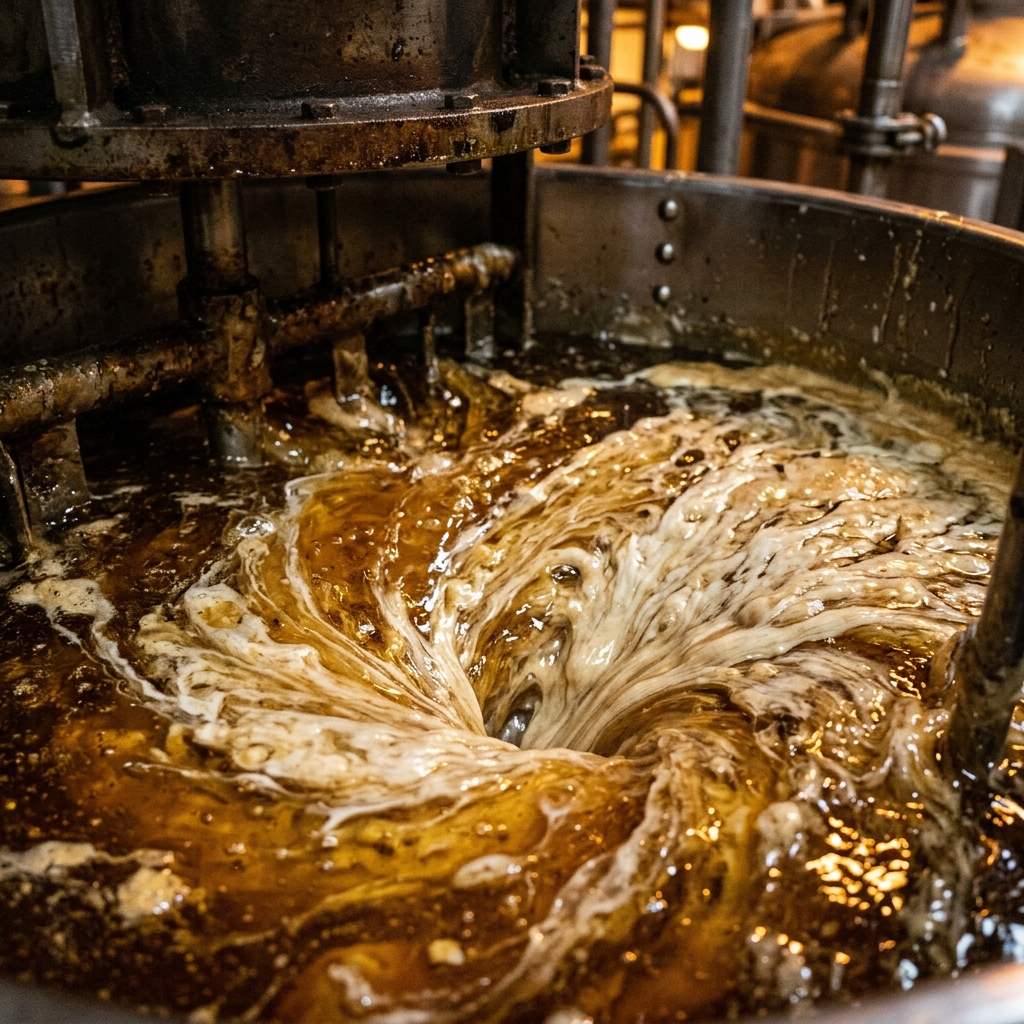
The saponification process is where the transition from liquid ingredients to a structured gel begins. In this stage, a fatty acid or fat is reacted with an alkali (like lithium hydroxide) in the presence of a small portion of base oil. This chemical reaction creates the metallic soap fibers that form the "skeleton" of the grease. Controlling industry profits often comes down to the efficiency of this reaction cycle.
During saponification, technical accuracy is vital. If the reaction is incomplete, the grease will lack mechanical stability and may "bleed" oil prematurely. Autoclaves or pressurized reactors are used to maintain optimal vapor pressure, facilitating a uniform saponification reaction that prevents fiber clumping and ensures high yield from raw material feedstocks.
- Temperature Control: Typically maintained between 80°C and 100°C during the initial alkali addition to prevent local overheating and thermal degradation of fats.
- Agitation Speed: High-shear counter-rotating mixing is required to ensure that the alkali fully contacts and reacts with every single fatty acid molecule.
- Reaction Time: Varies depending on the thickener chemistry, usually taking 1 to 3 hours in a pressurized autoclave.
The choice between a simple soap and a complex soap thickener is decided at this stage. A simple lithium soap uses 12-hydroxystearic acid alone as the fatty acid feedstock, producing a grease with a dropping point around 190°C to 200°C. A complex lithium soap co-reacts 12-hydroxystearic acid with a short-chain diacid, most commonly azelaic or sebacic acid, which raises the dropping point above 260°C and improves load-carrying capacity. The corrosion-inhibitor package carried in the base oil matters just as much as the soap chemistry here. The same VCI and soft-film/hard-film inhibitor choices discussed in our rust preventive oil guide apply directly to grease formulated for outdoor or marine bearing protection.
Stage 3: Dehydration and Thermal Cooking
Once the saponification is complete, the mixture contains water as a reaction byproduct. This moisture must be completely removed through a process called dehydration. The temperature is slowly raised (often up to 200°C for lithium complex greases) to evaporate all water and ensure the soap fibers are properly "melted" and solubilized into the base oil phase. This stage is critical for achieving the desired dropping point of the final product.
Thermal cooking allows the soap crystals to reorganize into a complex 3D fiber network upon controlled cooling. Failure at this stage leads to a "grainy" texture or poor resistance to oxidation. Modern manufacturing businesses use automated vacuum systems to speed up dehydration and prevent the oxidation of base oils during high-heat cooking cycles.
The rate at which the cooked grease is cooled also fixes the final fiber morphology. Rapid quenching produces short, fine fibers that yield a smoother, lower-consistency grease, while slow, controlled cooling favors longer fiber growth and a firmer structure. This cooling-rate sensitivity is one reason batch-to-batch consistency depends on tightly controlled process parameters rather than recipe alone. It is the same reason extreme pressure additive packages must be added only after cooking, since the sulphur-phosphorus chemistry used in EP greases can decompose if exposed to the peak dehydration temperature.
Stage 4: Finishing, Homogenization, and Milling
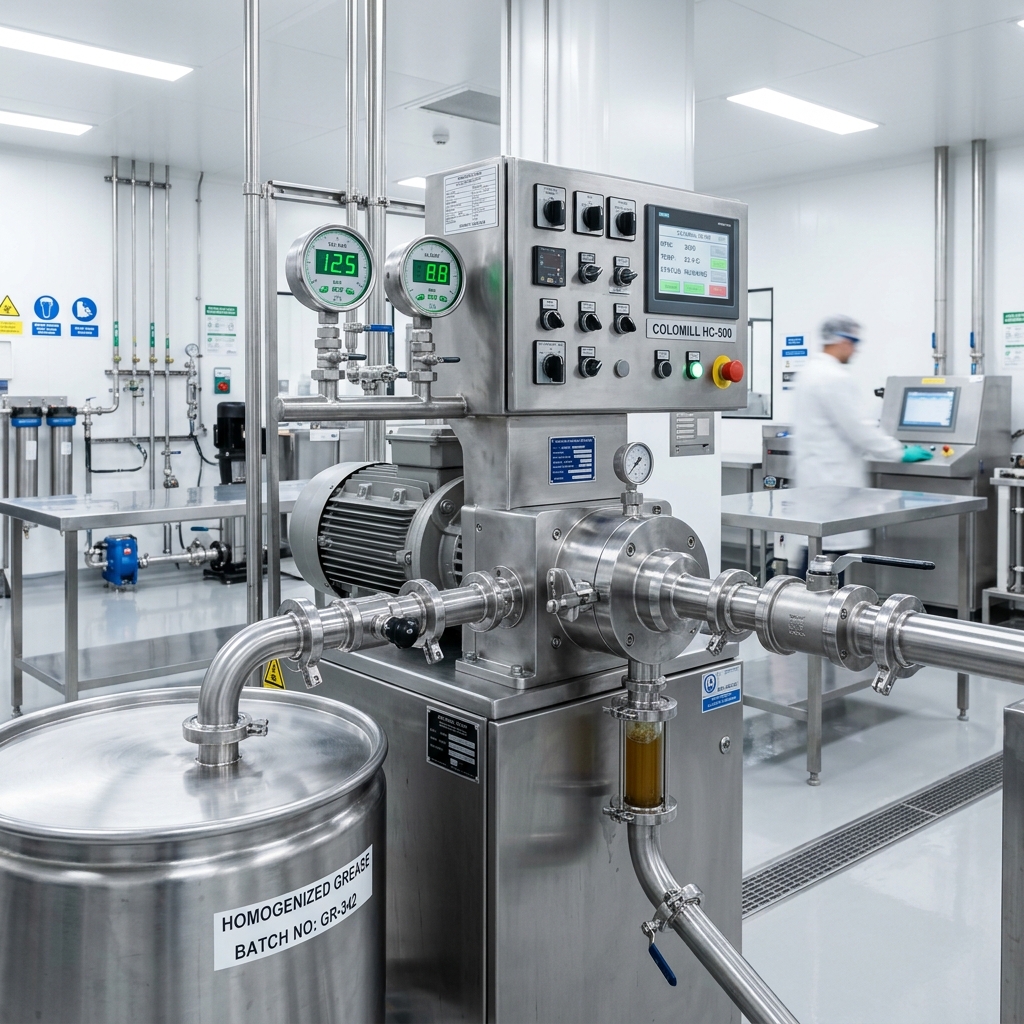
After cooking, the "concentrated" grease is cooled, and the remaining base oil and additives are incorporated. However, simply mixing these ingredients is not enough. The grease must undergo homogenization and milling. This mechanical shearing process breaks down large soap clumps into a uniform, smooth consistency. It is the step that defines the professional "premium" look and feel of industrial lubricants.
Processing through a colloid mill or high-pressure homogenizer ensures that the soap fiber length is chemically optimized for oil retention. If the fibers are sheared too much, the grease loses its viscosity; if sheared too little, the grease remains lumpy and suffers from poor mechanical stability.
Essential Equipment for a Grease Manufacturing Plant
Setting up a grease manufacturing business requires a significant capital investment in specialized machinery. Unlike simple oil blending, grease production involves high temperatures, high pressures, and heavy-duty solids handling. A startup should focus on acquiring modular equipment that allows for scalability as production demand increases.
The choice of metallurgy in your reactors (e.g., SS 316L) is essential to prevent chemical corrosion and metallic contamination, which can act as pro-oxidants in the finished grease. Automated control systems are highly recommended to accurately manage temperature profiles and cooling rates, ensuring batch-to-batch consistency. This equipment investment sits within the broader lubricants formulation and technology landscape, where grease, gear oil, and hydraulic fluid producers share many of the same reactor, filtration, and quality-control assets.
- Autoclave Reactor: A pressurized, jacketed vessel with counter-rotating, scraping agitators for the saponification reaction.
- Atmospheric Kettles: Secondary blending vessels used for cooling, additive addition, and "cut-back" phases.
- Colloid Mill: High-precision shearing equipment for final texture and fiber size optimization.
- Deaerator: Uses vacuum technology to remove microscopic air bubbles that can cause oxidation and pumpability issues.
Many of these same reactors and deaeration systems are shared with liquid lubricant production. A facility already running a gear oil blending line can often add grease capacity with an incremental investment in an autoclave and colloid mill rather than building an entirely separate plant.
Quality Control: NLGI Grades and Testing Standards
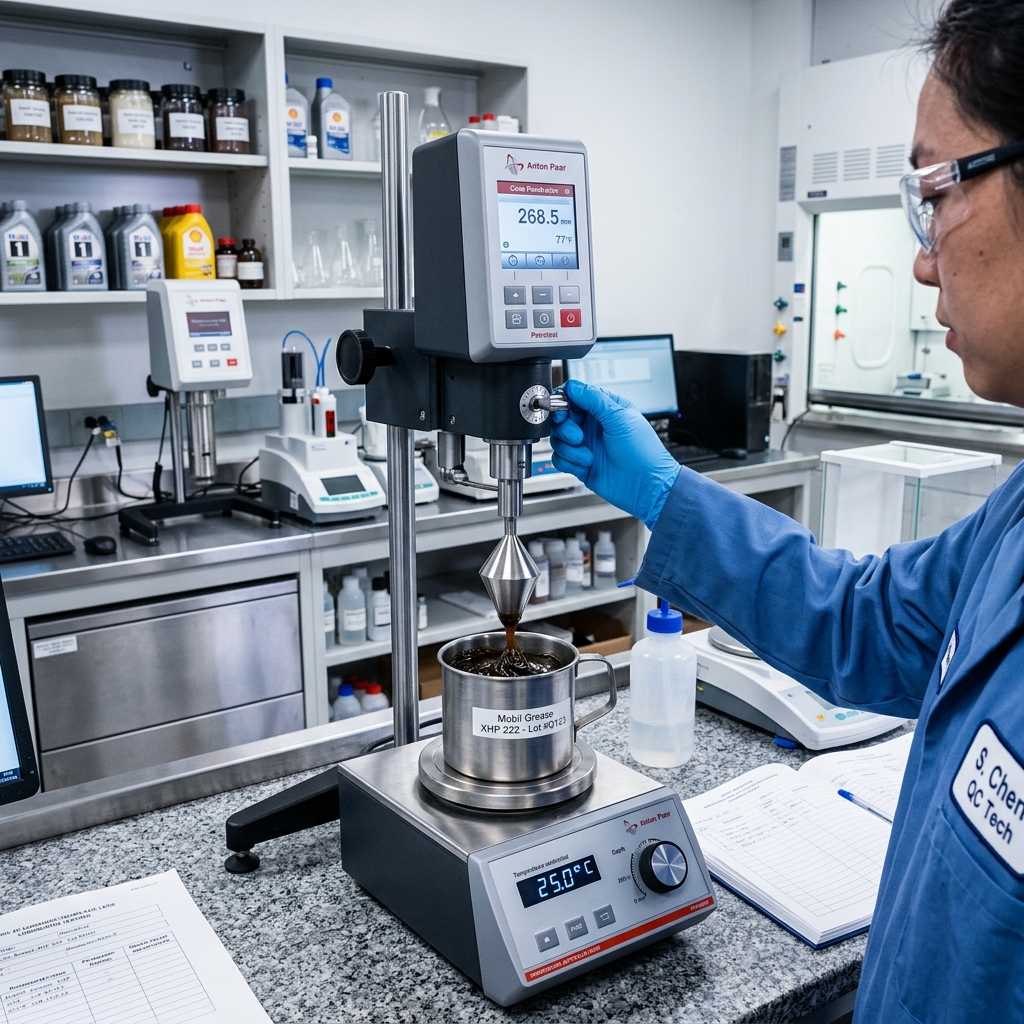
Industrial technical accuracy is verified in the lab. The National Lubricating Grease Institute (NLGI) has established a system of grades based on the "worked penetration" of the grease, tested per ASTM D217 and reported to a dropping point measured under ASTM D2265. A startup must have a fully equipped lab to test every batch before it leaves the factory. This ensures that the product meets the stringent requirements of heavy machinery and automotive sectors, and lines up with the consistency ranges detailed in our NLGI grease grade selection guide.
Without thorough quality control, you run the risk of catastrophic bearing failure in the field, leading to severe liability. Every batch must be certified with a Certificate of Analysis (COA) specifying the following ASTM parameters to build credibility and trust with industrial clients:
- ASTM D217 (Cone Penetration): Determines the softness or hardness (ranging from fluid NLGI Grade 000 to solid Grade 6).
- ASTM D2265 (Dropping Point): Identifies the temperature at which the grease passes from a semi-solid to a liquid state, indicating thermal limits.
- Four-Ball Wear Test (ASTM D2596/D2266): Evaluates the Extreme Pressure (EP) properties and anti-wear capabilities.
- Water Washout Test (ASTM D1264): Measures how well the grease resists being washed away by water spray.
These same ASTM parameters govern grease selection further down the supply chain — for example, in the open-gear and penetrating greases covered in our wire rope and chain lubricant guide, water washout resistance and dropping point are the two properties that most determine service life in exposed outdoor applications.
Business Outlook: Starting Your Grease Production Unit
The demand for high-performance lubricants is surging in developing markets like India and globally as industrial automation grows. For entrepreneurs, the opportunity lies in niche markets like food-grade lubricants (NSF H1 registered), biodegradable greases (using synthetic esters), and high-temperature electric vehicle (EV) greases. While the technical barrier is high, the industry profits are substantial for those who can deliver consistent quality.
The biodegradable-ester route mirrors the wider shift already underway in liquid lubricants, covered in our guide to ester-based biodegradable lubricants, and grease formulators entering the food-processing segment face the same H1 additive-restriction constraints as liquid food-grade oils.
Success in this sector requires more than just a recipe; it requires partnership with expert formulators. We at Global Formulation specialize in helping startups bridge the gap from lab-scale experiments to full-scale industrial production. We provide end-to-end technical consultancy, from machinery selection to GHS and REACH-compliant formulations.
Frequently Asked Questions
1. What is the most common thickener used in industrial grease?
Lithium 12-hydroxystearate is the most widely used thickener globally, known for its versatile performance and excellent mechanical stability across a wide temperature range. It typically accounts for the majority of global grease production because it disperses easily into a fine, stable fiber network and remains compatible with a wide range of base oils and additives. Calcium sulfonate and polyurea thickeners are gaining share in specific niches, but lithium soap remains the default choice for general-purpose industrial and automotive greases.
2. Can I manufacture grease without a colloid mill?
While possible for low-grade applications, skipping homogenization or milling usually results in a grainy product with inconsistent NLGI grades. A colloid mill is essential for professional quality. Without it, oversized soap fiber clumps remain trapped in the finished grease, causing poor pumpability through grease guns and centralized lubrication lines, and unpredictable dropping-point results between batches.
3. How long does a typical batch process take?
A full cycle, including charging, reaction, cooking, cooling, and finishing, typically takes 8 to 12 hours depending on the complexity of the thickener system. Simple lithium soap batches tend toward the shorter end of this range, while complex-soap or high-dropping-point formulations require longer cooking and controlled cooling to develop the correct fiber structure. Quality control testing adds further time after the batch is finished, since NLGI grading and dropping-point verification must be completed before the grease can be released.
4. What are 'complex' greases?
Complex greases use a thickener system made of two different acids (e.g., sebacic acid and 12-hydroxystearic acid) reacted with the alkali. This results in a higher dropping point and better structural stability compared to simple soap greases. Because the second acid raises the crystallization temperature of the soap fiber network, complex greases can typically operate 60-70°C higher than a simple lithium soap grease before reaching their dropping point.
5. Is it environmentally safe to manufacture grease?
With modern vacuum deaeration and closed-reactor systems, emissions are minimal. However, proper waste disposal of byproducts and selecting biodegradable base oils can further reduce environmental impact. Wastewater generated during the saponification reaction still requires treatment before discharge, since it can carry residual alkali and unreacted fatty acid, so an effluent treatment plan is a standard part of any grease facility's environmental compliance.
6. How do I choose between mineral and synthetic base oils?
Mineral oils are cost-effective for standard applications. Synthetic oils (PAOs or Esters) are chosen for extreme temperatures, fire resistance, or when extended maintenance intervals are required. The decision usually comes down to matching the base oil's viscosity-temperature behavior and oxidative stability to the bearing's operating environment, since a mineral-oil grease selected for a high-temperature EV motor bearing will oxidize and harden far faster than a synthetic-ester equivalent.
Need Technical Grease Formulation & Plant Engineering Support?
Discuss your soap crystallization kinetics, base oil viscosities, anti-wear additive packages, and specialized reactor machinery setups with industrial specialist Absar Khan.
Email: consulting@globalformulation.com
Phone: +91 9819548320 +91 8169102990
About the Specialist
Absar Khan is a senior industrial consultant with cross-disciplinary expertise spanning pharmaceutical manufacturing, cosmetics and personal care, home and institutional care chemicals, aerosols, lubricants, and advanced process engineering. His work integrates multiple scientific and engineering domains, including formulation chemistry, GMP facility design, validation science, quality systems, regulatory compliance, and large-scale manufacturing optimization.
LinkedIn Portfolio: Connect with Absar Khan on LinkedIn