Additive Packages in Lubricants: Technical & Business Guide

Lubricant additive packages are the functional backbone of modern lubricants. While base oils provide the fundamental lubricating film, it is the additive system that determines the performance, durability, regulatory compliance, and service life of the final lubricant. From automotive engine oils to industrial hydraulic fluids, additive packages directly control wear protection, oxidation resistance, corrosion prevention, and deposit control. For startups, students, and entrepreneurs entering the lubricants industry, additive packages are not just a technical requirement but also a commercial decision that influences product quality, OEM approvals, manufacturing cost, and long-term brand credibility.
What Are Additive Packages in Lubricants?
An additive package is a pre-formulated, performance-balanced blend of multiple chemical additives supplied as a single concentrate. It is designed to be mixed with base oil at a specified treat rate to achieve defined performance standards. In most commercial lubricants, additive packages typically constitute 5% to 25% of the finished formulation, depending on the application and thermal requirements.
Base oils—whether Group I/II mineral, Group III semi-synthetic, or Group IV synthetic base stocks—do not possess sufficient natural resistance to oxidation, corrosion, sludge formation, or boundary wear under extreme mechanical stresses. Additive packages compensate for these thermodynamic limitations through controlled chemical reactions at metallic surfaces and within the bulk liquid phase itself. Choosing between these groups is a distinct formulation decision covered in our mineral vs synthetic base oil comparison.
To establish a robust chemical foundation, a pre-formulated additive package must satisfy several core parameters:
- Chemical Performance Enhancement: Delivering active chemical protective agents, rather than simple physical viscosity adjustments.
- Pre-Validated Compatibility: Preventing antagonistic interactions between competing chemical polarities (such as detergents competing with anti-wear agents).
- Consistent Batch Stability: Guaranteeing that no additive fallout, precipitation, or phase separation occurs in storage.
- Regulatory Compliance: Meeting strict international standards established by API, ACEA, JASO, and the Bureau of Indian Standards (BIS).
Why Additive Packages Are Critical to Lubricant Performance
In real operating conditions, lubricants must endure severe mechanical shear, high thermal zones, acid ingress from combustion, and water contamination. Without additives, the hydrocarbon chains in base oils oxidize rapidly, forming acidic sludge and varnish. Additive chemistry provides active mitigation pathways, preventing catastrophic component wear and oil starvation.
The critical nature of this chemistry is represented by the thermodynamics of wet metal interfaces. The physical energy of the boundary surface is governed by the **Young-Dupré Work of Adhesion Equation**:
By controlling surface physics and solution chemistry, additive packages govern these core operational performance areas:
- Boundary Wear Prevention: Forming sacrificial tribochemical barrier films to prevent direct metal-to-metal contact.
- Oxidation and Thermal Resistance: Scavenging free radicals to prevent polymer chain degradation at high temperatures.
- Acid Neutralization: Utilizing alkaline metallic reserves to neutralize corrosive acidic compounds formed during fuel combustion.
- Rust and Corrosion Inhibition: Coating metallic surfaces to prevent oxygen and moisture from initiating chemical oxidation.
- Foam and Entrainment Control: Minimizing air dispersion to prevent cavitation and maintain structural fluid film strength.
Types of Additives Used in Lubricant Additive Packages
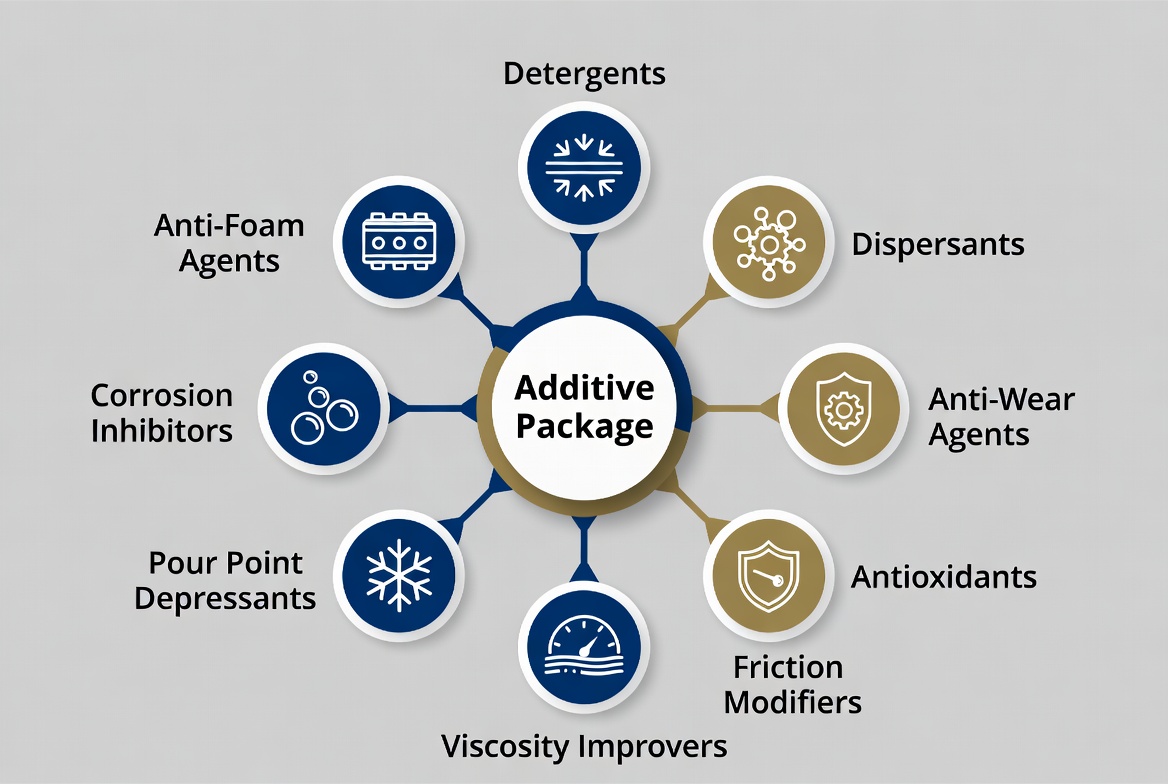
Modern lubricant additive packages are complex, multi-component chemical systems. Each individual ingredient belongs to a specific functional class, selected for its molecular weight, polarity, and temperature-dependent reactivity. Combining these additives in the correct ratios requires extensive experience to balance their competing behaviors.
The physical lubrication state and friction coefficient across differing operational zones are characterized by the Stribeck Curve, which depends on the **Hersey Lubrication Parameter**:
To maintain lubrication across all regimes of the Stribeck Curve, additive packages combine several key components:
- Metallic Detergents: Calcium or magnesium sulfonates and phenates that neutralize acids and prevent high-temperature carbon deposits.
- Ashless Dispersants: Polyisobutylene succinimides (PIBS) that wrap around soot and sludge particles to prevent agglomeration.
- Anti-Wear and EP Agents: Zinc dialkyldithiophosphates (ZDDP) and sulfur-phosphorus compounds that decompose under local frictional heat to form glass-like iron phosphate tribofilms.
- Kinematic Viscosity Index Improvers (VII): Highly stable hydrogenated polyisoprene polymers that expand at high temperatures to resist oil thinning. Kinematic Viscosity Index stability is calculated by:
VI = 100 + 100 · (ln(U) - ln(Y)) / (ln(U) - ln(V))where U, Y, and V represent kinematic viscometry parameters at 40°C and 100°C.
- Organic Friction Modifiers: Long-chain fatty acids or organomolybdenum complexes that align on metal surfaces to reduce friction.
- Pour Point Depressants (PPD): Alkylated naphthalene polymers that prevent wax crystals from linking together at low temperatures.
- Silicone Anti-Foam Additives: Insoluble polymethylsiloxanes dispersed in tiny droplets that lower surface tension and rupture air bubbles.
Types of Lubricant Additive Packages by Application
Additive packages are highly specialized, and using a package in the wrong application can lead to rapid performance failure or equipment damage. An automotive engine oil package, for instance, contains metallic detergents that generate ash, which can plug the fine filters in hydraulic machinery. Consequently, engineers develop distinct formulations for each industrial application.
These application-specific additive packages are designed to handle unique operating environments:
- Engine Oil Packages: Designed to manage soot, combustion acids, and high-speed wear while protecting sensitive exhaust catalyst systems.
- Gear Oil Extreme-Pressure Packages: Packed with active sulfur-phosphorus chemistries that prevent gear tooth welding under shock loads.
- Hydraulic Fluid Packages: Formulated to ensure excellent water separation, fast air release, and robust wear protection with low-ash chemistry.
- Turbine and Circulating Oil Packages: Focused on outstanding oxidation stability and corrosion prevention for systems running continuously for years.
- Marine Cylinder Lubricant Packages: Formulated with high alkalinity (typically 40 to 100 BN) to neutralize corrosive acids from high-sulfur heavy fuels.
| Application | Primary Chemistry Focus | Ash / Alkalinity Level |
|---|---|---|
| Engine Oil | Soot dispersancy, acid neutralization, wear protection | Moderate to low-SAPS |
| Gear Oil (EP) | Sulfur-phosphorus extreme-pressure films | High |
| Hydraulic Fluid | Water separation, air release | Low-ash |
| Turbine / Circulating | Long-term oxidation stability | Very low |
| Marine Cylinder | Acid neutralization from heavy fuel sulfur | Very high (40–100 BN) |
How Additive Packages Are Formulated
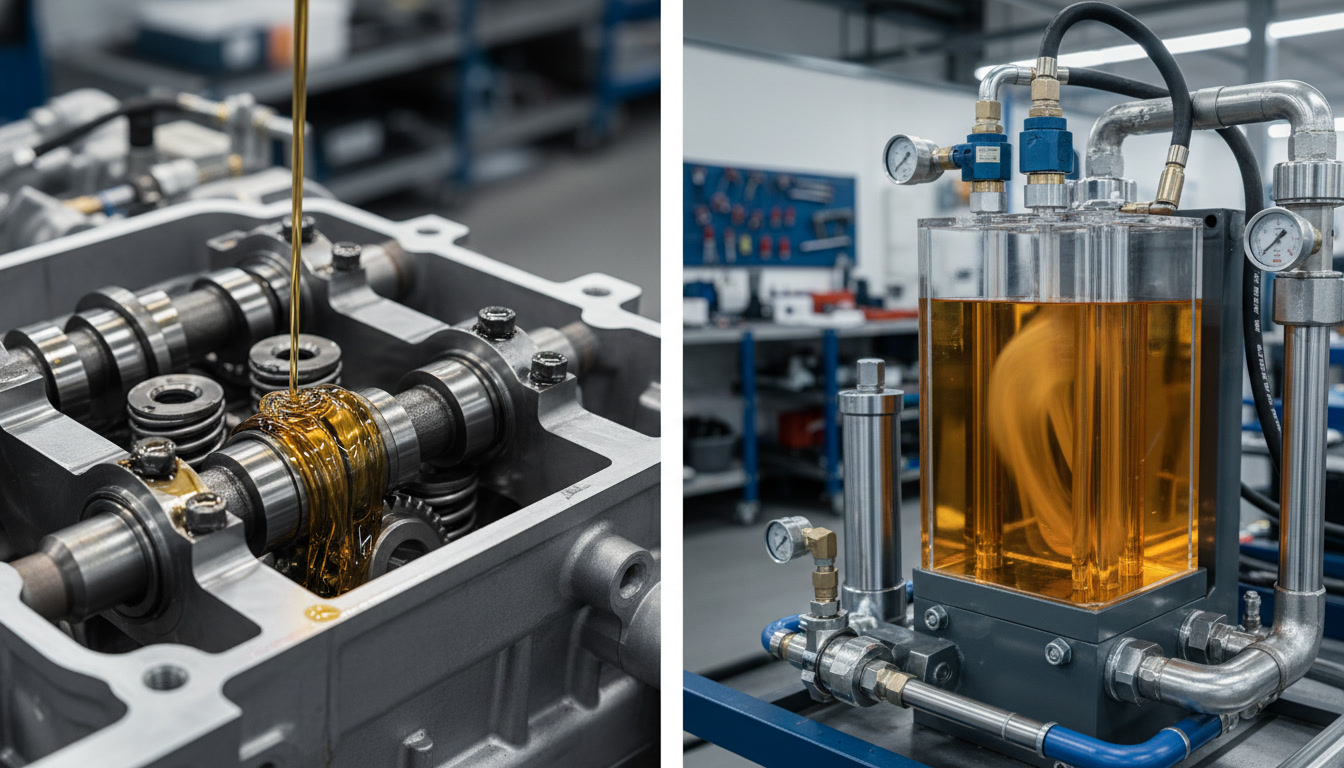
Developing a commercial additive package is a complex scientific process that requires blending molecular chemistry with physical engineering. Specialty chemical companies run extensive laboratory testing, bench wear trials, and full-scale engine tests to refine their formulations. Each additive must be compatible with the base oil group and remain stable during storage and high-temperature operation — the same batch-stability discipline covered in our industrial grease manufacturing guide for thickener-based lubricants.
The development of a certified additive package follows a structured path:
- Solubility Mapping: Checking chemical solubility across mineral and synthetic base oils to prevent separation.
- Synergy Optimization: Balancing anti-wear agents with detergents to ensure both work effectively on metal surfaces.
- Accelerated Thermal Stability: Heating the blend to high temperatures to ensure no chemical breakdown or sedimentation occurs.
- Standardized Engine Testing: Testing the formulation in standard engines to verify wear protection and soot handling before commercial release.
Ready-Made Additive Packages vs In-House Additive Blending
For startups and mid-scale lubricant manufacturers, ready-made additive packages offer a practical and cost-effective route to market. These pre-blended packages come with approved performance data, blending instructions, and complete regulatory documentation. This approach eliminates the heavy R&D costs and testing risks associated with formulating a lubricant from scratch.
Using ready-made additive packages provides several distinct advantages for growing businesses:
- Certified Performance: Instant access to formulations that already meet API, ACEA, and OEM standards.
- Simplified Manufacturing: Blending requires only a standard mixing vessel, eliminating complex multi-stage chemical compounding.
- Faster Market Launch: Bypassing long laboratory testing cycles, allowing products to go from concept to retail in weeks.
- Lower R&D Costs: Saving significant capital that would otherwise be spent on expensive engine and wear test programs.
In contrast, formulating from individual raw materials (in-house blending) is typically handled only by large multinational oil companies. This path requires a massive investment in testing laboratories, physical viscometers, and pilot blending plants to manage the complex chemistry.
Regulatory & Performance Standards for Additive Packages
Finished lubricants cannot be sold legally without meeting strict performance and quality standards set by national and international bodies. Additive packages must meet these requirements, providing the necessary approvals so manufacturers can list them on their product labels. These standards ensure the lubricant will protect engines and machinery under specified operating conditions.
Key regulatory frameworks and reference platforms include:
- American Petroleum Institute (API): The primary global framework for classifying passenger car and heavy-duty diesel engine oils (API Licensing Portal).
- Bureau of Indian Standards (BIS): The national standards organization governing quality and safety benchmarks for lubricants in India (BIS India portal).
- International Standards Organization (ISO): Defining global quality standards for industrial lubricants, hydraulic fluids, and grease classifications (ISO Standards directory).
Business Opportunities in the Lubricant Additive Package Market
The growing automotive and industrial sectors in developing markets like India create a steady demand for high-quality lubricants. Using ready-made additive packages allows startups and entrepreneurs to enter this profitable market with low capital requirements. By focusing on blending and distribution, new brands can compete effectively with established multinational names.
Several profitable business models are open to startups in this sector:
- Private-Label Blending: Formulating custom-branded lubricants for regional distributors, workshops, and transport fleets.
- Industrial Maintenance Lubricants: Supplying high-performance hydraulic and gear oils directly to local factories and mining sites.
- Niche Agricultural Lubricants: Creating optimized engine and transmission oils tailored specifically for tractors and farm machinery.
Common Problems in Lubricant Formulation and How Additive Packages Solve Them
Lubricant failures during service are rarely caused by the base oil alone; they usually stem from an incorrect balance of active additives. For example, adding too much anti-foam agent can actually increase air entrainment, while an incorrect detergent ratio can block anti-wear films from forming on metal surfaces. Pre-formulated additive packages solve these issues by balancing all chemical components in a controlled laboratory environment. A wider survey of common lubricant formulation mistakes shows these additive-balance failures recurring across engine oils, greases, and hydraulic fluids alike.
Using pre-formulated packages prevents several common formulation failures:
- Sludge and Varnish Build-up: Prevented by using pre-balanced dispersant-to-detergent ratios that keep soot suspended in the oil.
- Phase Separation: Prevented by selecting co-solvents that keep polar additives completely dissolved in mineral and synthetic base oils.
- Foaming and Air Entrainment: Avoided by dispersing silicone anti-foam agents at exact microscopic levels to pop surface bubbles quickly.
How Startups Can Source Additive Packages in India
Sourcing chemical additive packages in India requires finding reliable suppliers who can provide consistent product quality, technical documentation, and ongoing support. The market is served by authorized distributors of global chemical companies and local manufacturers offering customized blends. Startups should verify that each batch comes with a Certificate of Analysis (COA) to ensure consistency.
Key sourcing practices for new lubricant brands include:
- Verify Technical Documentation: Requesting complete Safety Data Sheets (SDS), treat-rate guidelines, and base oil recommendations.
- Audit Batch Consistency: Checking Certificate of Analysis (COA) records to confirm density, viscosity, and elemental ratios match specifications.
- Evaluate Supplier Support: Choosing partners who can provide technical assistance and trouble-shooting support during scale-up trials.
Cost Structure of Lubricant Additive Packages
Additive packages represent a major portion of the raw material cost for finished lubricants, typically ranging from 20% to 60% depending on the performance requirements. High-performance engine oils that require complex OEM approvals carry higher treat rates and costs than basic hydraulic oils. Blenders must balance these costs against target market prices to protect their profit margins.
Several factors drive the overall cost of an additive package:
- Performance Level and Approvals: Formulations carrying official API or OEM approvals cost more due to expensive validation testing.
- Treat Rate Percentage: The required dosage in the finished blend directly affects the raw material cost per liter.
- Import and Shipping Costs: Reliance on imported raw materials introduces currency risks, shipping costs, and customs duties.
Step-by-Step Guide for Beginners to Formulate Lubricants Using Additive Packages
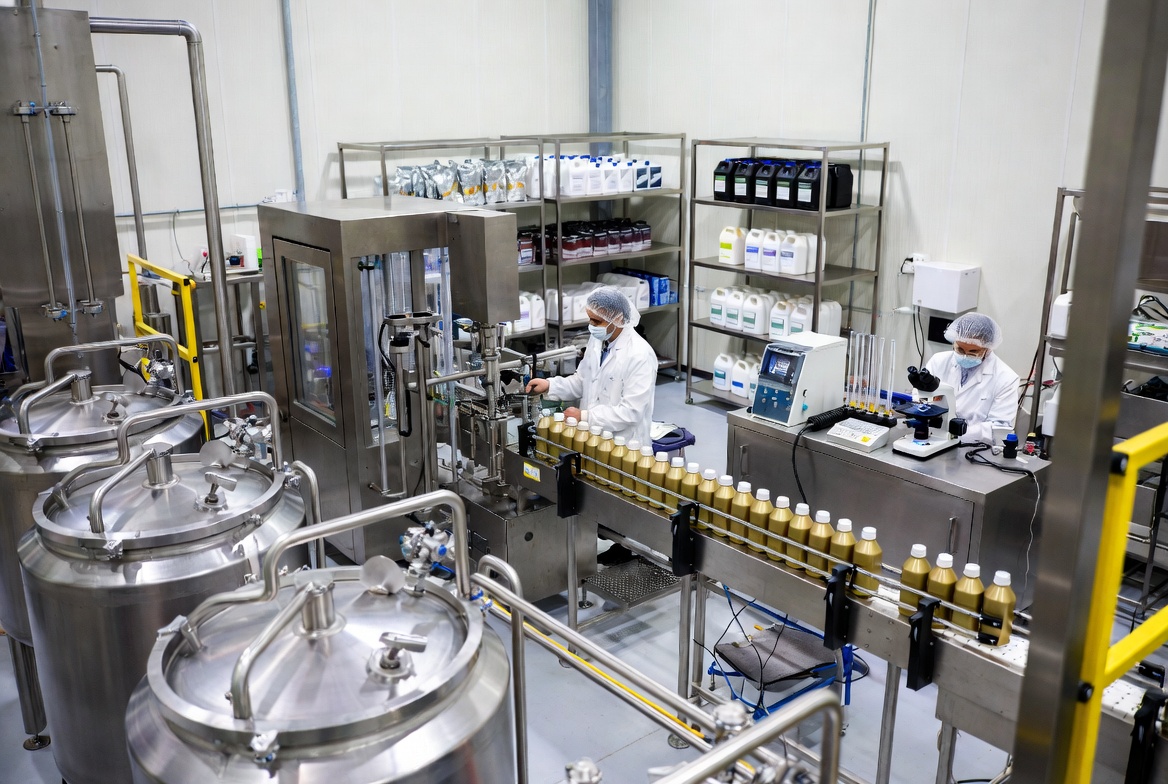
Blending commercial lubricants using ready-made additive packages is a straightforward process when following a structured, quality-controlled workflow. To ensure a stable and consistent product, the blending process requires precise temperature controls, accurate measurements, and systematic testing. Skimping on quality control often results in batch variations or product separation in the field.
The standard blending sequence for finished lubricants includes:
- Base Oil Preparation: Charging the blending vessel with the selected base oil group and heating it to 50°C–60°C to lower viscosity.
- Additive Package Addition: Adding the pre-heated additive package slowly at the exact treat rate specified by the supplier.
- Mechanical Mixing: Agitating the blend for 1 to 2 hours to ensure the additives are completely dissolved and distributed.
- Quality Control Verification: Sampling the batch to verify kinematic viscosity, density, and clarity before moving it to the bottling line.
Future Trends in Lubricant Additive Technology
The lubricant industry is changing rapidly due to stricter environmental rules, rising fuel economy targets, and the growth of electric vehicles. These changes require new additive chemistries that can handle higher operating temperatures and prevent electrical conductivity issues. Manufacturers must adapt to these trends to remain competitive in the coming years.
Key technology trends shaping the future of additives include:
- Low-SAPS Formulations: Reducing metallic ash, sulfur, and phosphorus to extend the life of modern exhaust treatment filters.
- Bio-Degradable Chemistries: Formulating environmentally friendly additives for machinery used in forestry, marine, and agriculture sectors.
- Driveline Fluids for EVs: Engineering specialized low-conductivity additives that cool electric motors and prevent copper corrosion.
Frequently Asked Questions (FAQ)
1. Can the same additive package be used with different base oil groups?
No. Additive packages are formulated for compatibility with specific base oil groups. Group I mineral oils require different additive chemistry compared to Group III or Group IV synthetic base stocks due to differences in solvency, polarity, and oxidation stability. Using an incompatible package can result in additive precipitation, reduced performance, or formulation instability.
2. What is the typical treat rate for additive packages in finished lubricants?
Treat rates vary by application. Engine oil additive packages typically require 8% to 15% by volume, while industrial hydraulic oil packages may use 3% to 8%. Gear oil packages for extreme pressure applications can reach 10% to 18%. The exact treat rate is specified by the additive supplier and must be followed precisely to achieve certified performance levels.
3. What happens if additive packages are overdosed in a formulation?
Overdosing additives can cause multiple problems including excessive foam formation, elastomer seal swelling or degradation, increased sulfated ash content that damages emission control systems, additive precipitation, higher manufacturing costs, and potential failure of regulatory emission limits for phosphorus and sulfur content.
4. How long can additive packages be stored before use?
When stored in sealed containers at temperatures between 15°C and 30°C, away from direct sunlight and moisture, additive packages typically maintain stability for 12 to 24 months. Some high-performance packages may have shorter shelf lives of 12 months, while others can extend to 36 months.
5. Can additive packages be customized for specific applications?
Yes, but only by the additive manufacturer through controlled formulation processes. Custom packages require extensive laboratory testing including oxidation tests, wear tests, corrosion resistance, foam tendency, seal compatibility, and thermal stability validation. Field trials are also necessary. This process typically takes 6 to 18 months and requires significant investment, making it viable only for large-volume applications.
6. What is the difference between low-SAPS and traditional additive packages?
Low-SAPS (Sulfated Ash, Phosphorus, and Sulfur) additive packages are designed for modern diesel engines with diesel particulate filters (DPF) and gasoline engines with three-way catalytic converters. They contain reduced levels of metallic detergents and zinc dialkyldithiophosphate (ZDDP) to prevent ash accumulation that can block filters and poison catalysts. Traditional packages provide higher wear protection but are incompatible with advanced emission control systems.
7. Do additive packages alone determine lubricant quality?
No. While additive packages control most performance characteristics, the base oil quality, viscosity grade, and blending process also significantly influence final lubricant performance. A high-quality additive package blended with poor base oil or contaminated during manufacturing will not meet performance standards. Quality control throughout the entire formulation, blending, and filling process is essential for consistent product performance.
Need Professional Lubricant Formulation & Additive Engineering?
Discuss your custom additive selection, base oil compatibility mapping, or blending trials with Global Formulation. Obtain professional GHS-compliant layouts, pilot production support, and robust product formulations.
Email: consulting@globalformulation.com
Phone: +91 9819548320 +91 8169102990
About the Specialist
Absar Khan is the principal consultant and chemical formulation architect at Global Formulation. He possesses cross-disciplinary engineering expertise spanning agrochemical milling lines, aerosol packaging systems, pharmaceutical cleanroom layouts, cosmetics, and green chemical plant setups. Absar leads scientific and engineering advisory teams supporting manufacturers globally in technology selection, GMP layouts, validation frameworks, and regulatory strategies.
LinkedIn Portfolio: Connect with Absar Khan on LinkedIn