Pollution Caused by VOCs: Manufacturer Responsibility

Volatile Organic Compounds (VOCs) are carbon-containing chemicals that evaporate easily at room temperature. For manufacturers, entrepreneurs, and factory owners, VOCs represent both a complex regulatory compliance challenge and a critical modern business opportunity. These highly volatile compounds are released during the production, storage, and handling of thousands of industrial inputs—spanning solvent-based paints and coatings, process adhesives, active pharmaceutical synthesis, and bulk petrochemical manufacturing.
Guide Contents
- 1. Understanding VOCs: Chemical Fundamentals
- 2. Major Industrial & Fugitive Sources
- 3. Health & Environmental Consequences
- 4. Indian Legal & Regulatory Framework
- 5. Social & Moral Responsibilities
- 6. Proven VOC Control Technologies
- 7. Implementing VOC Management Programs
- 8. Business Benefits & Financial Payback
- 9. Conclusion: The Green Chemical Future
- 10. Frequently Asked Questions (FAQ)
1. Understanding VOCs: What Every Manufacturer Must Know
Volatile Organic Compounds (VOCs) constitute a highly diverse category of carbon-based chemical compounds characterized by high vapor pressures and low boiling points under standard ambient temperature and pressure. In industrial contexts, these substances readily transition from their liquid or solid states directly into the atmosphere, making them exceptionally prone to vapor emissions during standard manufacturing operations. Because these molecules participate in photochemical atmospheric pathways, they are strictly regulated globally to protect municipal air quality and human respiratory health.
Technically, the United States Environmental Protection Agency (EPA) defines VOCs as any compound of carbon, excluding carbon monoxide, carbon dioxide, carbonic acid, metallic carbides or carbonates, and ammonium carbonate, which participates in atmospheric photochemical reactions. From a thermodynamic perspective, these substances generally have boiling points below 250°C at a standard atmospheric pressure of 101.3 kPa. Common industrial examples include aromatic hydrocarbons such as toluene (CAS 108-88-3) and xylene (CAS 1330-20-7), chlorinated solvents such as trichloroethylene (CAS 79-01-6), and highly volatile oxygenated species like acetone (CAS 67-64-1) and methyl ethyl ketone (CAS 78-93-3).
Implementing proactive VOC monitoring and reduction systems is essential for modern plant managers to preserve operational viability, mitigate chemical hazards, and optimize worker efficiency. Navigating this landscape requires understanding the chemical dynamics of raw material evaporation rates, vapor containment thresholds, and process engineering parameters.
Key Financial & Compliance Benchmarks:
- Compliance Auditing Costs: Annual monitoring and regulatory validation programs typically cost between ₹5 lakhs to ₹50 lakhs for small-to-medium manufacturing sites.
- Statutory Penalties: Under the Air (Prevention and Control of Pollution) Act 1981, non-compliant operations risk statutory fines, operational closure directives, and criminal prosecution.
- Financial Payback: Capital investments in solvent capture or thermal oxidation systems typically break even within 2 to 5 years through direct raw material recovery and secondary heat generation.
- Market Share Gains: Shifting toward low-VOC or solvent-free product lines enables access to lucrative government tenders and premium export channels in North America and Western Europe.
2. Major Industrial Sources of VOC Emissions
2.1 Process and Manufacturing Emissions
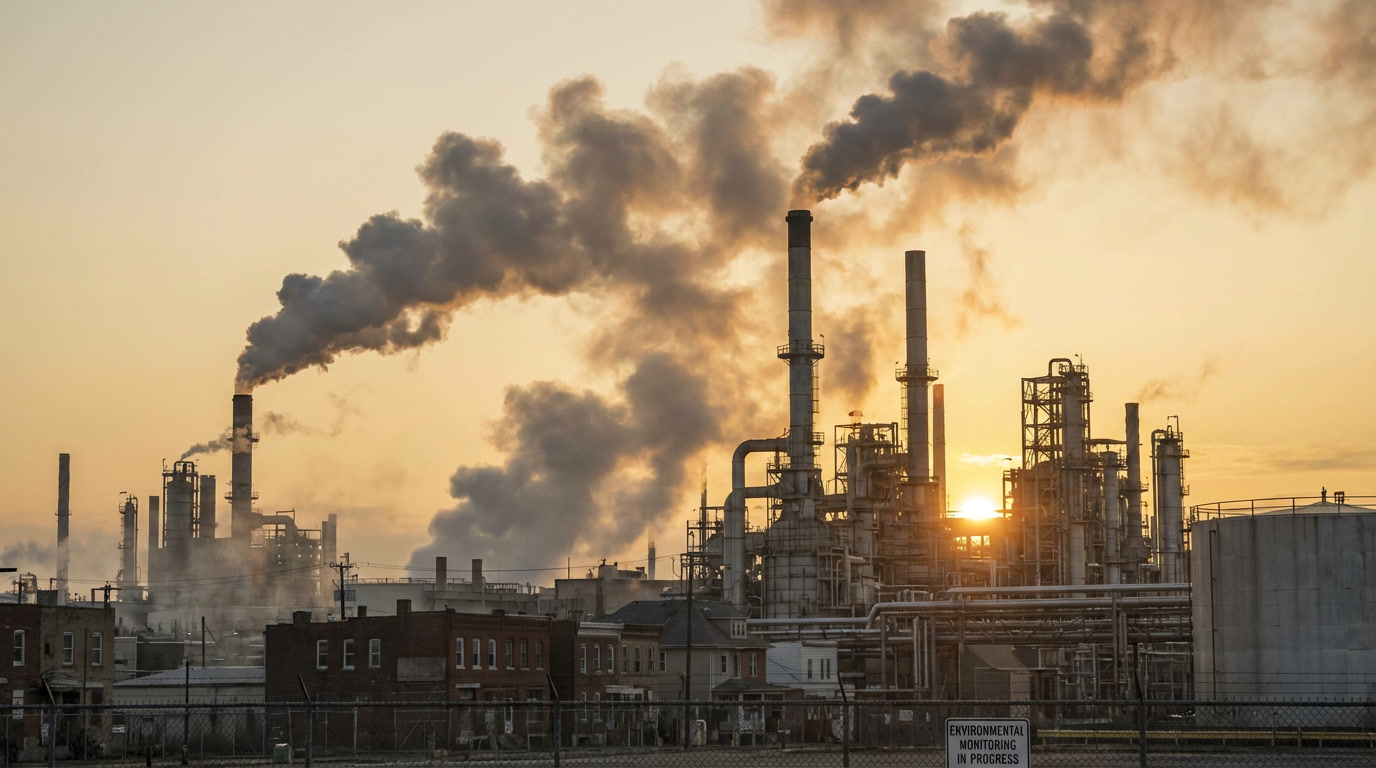
Industrial manufacturing processes constitute the primary source of anthropogenic VOC emissions globally, driving significant atmospheric chemical loading in dense industrial corridors. When solvent-borne raw materials are exposed to air inside mixing vessels, reaction tanks, or drying chambers, evaporation occurs rapidly due to high chemical vapor pressure. Developing a comprehensive emission inventory is critical for identifying these main point-source releases and applying targeted containment engineering.
The industrial painting and commercial coatings industry represents one of the largest point-source contributors of volatile organic emissions. Solvent-based coatings typically rely on complex aromatic and aliphatic hydrocarbons to dissolve binders, which evaporate completely into the atmosphere during application and curing. A medium-scale automated coating line consuming 1,000 liters of paint monthly can discharge between 400 to 600 liters of volatile organic solvents into the local air basin without proper containment and exhaust filtration. Coatings formulators evaluating solvent-swap options should also review our dedicated VOC regulations for coatings guide, which compares EU, EPA, and Indian limits side by side, and our companion piece on REACH compliance for paint raw materials for SVHC-restricted solvent screening.
In the pharmaceutical and active ingredient chemical synthesis sector, volatile solvents are utilized extensively as recrystallization media, reaction carriers, and equipment wash solvents. Process engineering studies indicate that chemical plants release substantial VOC vapor volumes through:
- Reactor Venting: High-temperature batch synthesis reactions generate high-pressure solvent vapors that vent through process relief lines.
- Distillation Column Overheads: Suboptimal condenser temperatures allow volatile solvent fractions to escape via overhead degassing vents.
- Centrifugation and Filtration Vents: Solid-liquid separation equipment operating under positive pressure discharges solvent-saturated air.
- Solvent Storage and Transfer: Ingress and egress of organic solvents in bulk storage tanks drive continuous thermal venting.
A typical medium-sized chemical plant can emit between 100 to 500 tonnes of VOCs annually without capture systems. The Indian pharmaceutical sector alone accounts for an estimated 50,000 to 80,000 tonnes of VOC emissions yearly. Similarly, commercial printing and packaging industries relying on solvent-rich flexographic or rotogravure inks emit between 50 to 150 kg of organic vapors daily in continuous multi-shift plants.
2.2 Fugitive and Non-Point Emissions
Fugitive emissions represent uncontrolled chemical releases from non-point sources that bypass standard process exhaust systems and thermal oxidizers. These leaks escape from valves, flanges, pumps, and open storage basins, constituting up to 20% to 40% of the total VOC footprint of a chemical plant. Implementing rigorous Leak Detection and Repair (LDAR) programs using thermal imaging and toxic vapor analyzers is the only way to isolate and repair these hidden emission points.
Storage tank vapor losses are primarily driven by two thermodynamic mechanisms: diurnal breathing losses and active working losses. Diurnal breathing losses occur when rising daytime temperatures expand the vapor headspace in fixed-roof storage tanks, forcing organic vapors out of emergency vent valves. Active working losses occur when bulk liquid is pumped into storage tanks, physically displacing the solvent-saturated headspace gas directly into the atmosphere without vapor-balancing systems.
Fugitive chemical transport and mechanical pump seal degradation also represent major emission routes, including:
- Bulk Solvent Loading: Tanker truck and railcar loading operations displace organic vapors at rates of 0.2 to 1.5 kg per cubic meter of solvent transferred.
- Pump and Valve Stem Packing: Reciprocating shaft seals and valve stems deteriorate under heat, letting high-pressure solvents leak continuously.
- Wastewater Stripping: Volatile organic compounds dissolved in open industrial wastewater basins quickly strip into the air due to high ambient wind velocities.
3. Health and Environmental Impacts of VOC Pollution
3.1 Human Health Risks (Acute and Chronic)
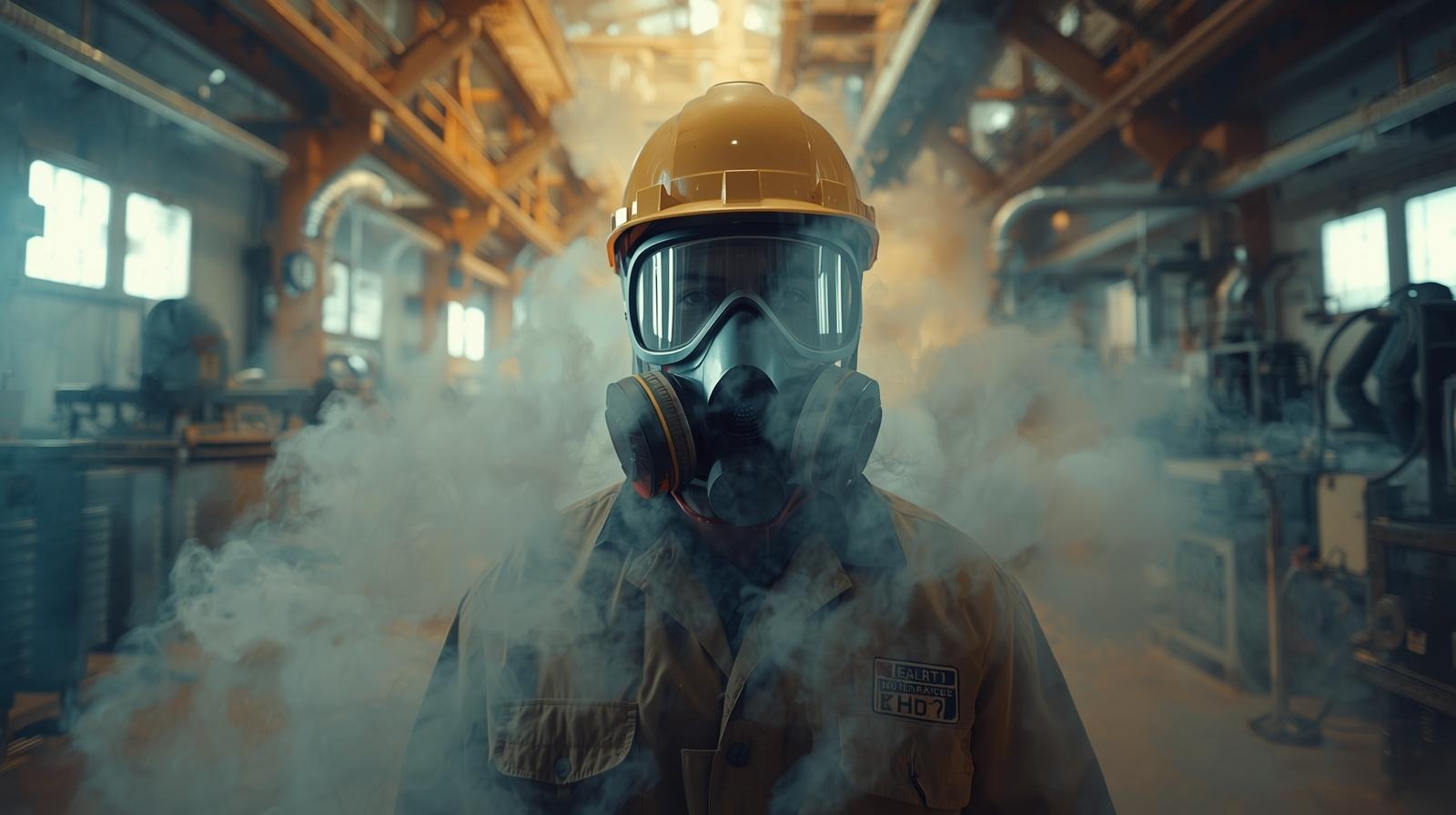
Direct inhalation of VOCs presents severe health risks for factory personnel and communities surrounding industrial parks, establishing strict occupational hygiene obligations for manufacturers. The biophysical toxicity of organic vapors is governed by their high lipophilicity, which allows them to easily cross human lipid membranes and diffuse directly into blood vessels. Implementing exhaust ventilation, air scrubbers, and personal protective equipment is essential to maintain safe, non-toxic working environments.
Acute exposure to elevated concentrations of volatile organic solvents triggers immediate physiological symptoms. Workers inhaling solvent vapors (typically between 10 to 50 ppm for common organic solvents) report immediate mucous membrane irritation, throat inflammation, and respiratory distress. If vapor concentrations escalate past 100 to 500 ppm, individuals experience central nervous system depression, leading to headaches, acute dizziness, impaired coordination, and nausea.
Chronic exposure to low concentrations of specific organic solvents over multiple years causes permanent, life-threatening physiological damage:
- Carcinogenesis: Benzene (CAS 71-43-2) is classified as a Group 1 human carcinogen by the International Agency for Research on Cancer (IARC), directly damaging bone marrow and causing leukemia.
- Mutagenicity & Teratogenicity: Formaldehyde (CAS 50-00-0) exposure causes nasopharyngeal cancers, while glycol ethers are associated with developmental disorders and reproductive system toxicity.
- Organ Toxicity: Long-term inhalation of halogenated hydrocarbons like trichloroethylene degrades liver and kidney functions, leading to chronic organ failure.
3.2 Atmospheric and Environmental Consequences
Volatile organic compounds are critical drivers of secondary atmospheric reactions that severely degrade ambient air quality in urban and industrial zones. Once released into the troposphere, VOCs react rapidly with ambient nitrogen oxides (NOx) under the catalytic influence of solar ultraviolet radiation. Managing regional VOC emissions is essential for urban centers to satisfy ambient air quality standards and protect municipal ecosystems.
The chemical pathway driving ground-level ozone ($O_3$) and photochemical smog formation involves a complex series of free-radical reactions that disrupt the natural atmospheric photostationary state of nitrogen dioxide ($NO_2$). Under normal conditions, $NO_2$ undergoes photolysis in the presence of solar radiation:
The generated ground-state oxygen atom quickly combines with molecular oxygen to produce tropospheric ozone:
In a clean atmosphere, the ozone is immediately consumed as it oxidizes nitric oxide ($NO$) back to $NO_2$, establishing a stable equilibrium:
However, when volatile organic molecules ($RH$) are present, they react with atmospheric hydroxyl radicals ($\cdot OH$), yielding alkyl radicals ($R\cdot$) which bind with molecular oxygen to generate alkylperoxy radicals ($RO_2\cdot$):
These reactive alkylperoxy radicals aggressively oxidize nitric oxide ($NO$) to nitrogen dioxide ($NO_2$) without consuming ozone molecules:
This reaction shifts the equilibrium, causing a rapid accumulation of highly toxic ground-level ozone. This ozone damages agricultural crops, costing India an estimated $1 to $3 billion annually in agricultural yield losses, and causes photochemical smog, reducing regional visibility.
Furthermore, volatile organic molecules undergo chemical oxidation in the atmosphere to yield secondary organic aerosols (SOAs), which constitute between 20% to 40% of the total fine particulate matter (PM2.5) in industrial zones. Tropospheric ozone also acts as an aggressive greenhouse gas with a global warming potential 1,000 to 2,000 times that of carbon dioxide over a 20-year horizon, meaning VOC reduction simultaneously addresses climate and air quality targets.
4. Legal and Regulatory Framework in India
4.1 Core Environmental Legislation
The legislative architecture governing industrial air emissions in India establishes absolute statutory requirements for industrial operators, mandating continuous compliance with pollution limits. State Pollution Control Boards (SPCBs) act as the principal enforcement authorities, conducting regular inspections, verifying stack monitors, and reviewing environmental statements. Every chemical manufacturer must understand this statutory structure to ensure uninterrupted plant operations.
The Air (Prevention and Control of Pollution) Act, 1981 represents the primary legislative tool. Under this Act, all manufacturers must obtain two key authorizations: a Consent to Establish (CTE) before beginning construction, demonstrating that plant design satisfies ambient emissions limits, and a Consent to Operate (CTO) before starting commercial production. CTO licenses require regular renewals and mandate continuous compliance with point-source emission caps.
The Environment (Protection) Act, 1986 serves as the umbrella legislation, granting the Central Pollution Control Board (CPCB) authority to promulgate national ambient air standards and industry-specific regulations. These rules mandate vapor recovery systems and leak repair programs for high-risk chemical facilities. Exporters should note that these domestic limits sit alongside separate international obligations — our guide to REACH restrictions on solvent and isocyanate raw materials covers the parallel EU framework that applies once a formulation is shipped to European customers.
4.2 Industry-Specific Directives
The Central Pollution Control Board (CPCB) enforces strict point-source and fugitive emission limits tailored to industrial sectors handling high solvent volumes. These regulations reflect process hazards and standard containment capabilities, and require continuous compliance:
- Petrochemical Refineries & Storage: Facilities must install internal floating roof tanks, double-seal floating roofs, and closed-vent vapor recovery systems for volatile hydrocarbon service.
- Paint and Coatings Manufacturing: Limits VOC content in commercial architectural and industrial coatings, restricting the domestic sale of high-solvent formulations.
- Printing & Packaging Plants: Mandates a minimum solvent recovery or destruction efficiency of 90% for rotogravure and flexographic printing lines.
4.3 Enforcement, Penalties, and Closures
Non-compliance with SPCB air emissions guidelines results in severe administrative and legal penalties. State boards possess authority to issue administrative directions to disconnect utility supplies, suspend CTO authorizations, and shut down operations. Under the Air Act, violating SPCB directives is a criminal offense punishable by statutory fines up to ₹1,00,000 and imprisonment up to five years.
5. Manufacturer Responsibilities: Legal, Social, and Moral Dimensions
5.1 Statutory Compliance and Duty of Care
Manufacturers hold an absolute statutory duty of care to implement continuous emission controls, run regular environmental monitoring, and ensure workplace safety inside industrial facilities. This duty requires setting up regular stack monitoring, recording workplace exposure data, and making safety documentation accessible to employees. Sustaining this compliance protects factory personnel and shielding the business from civil litigation.
Comprehensive industrial compliance programs require structured operational routines, including:
- Continuous Stack Monitoring: Installing and calibrating flame ionization detectors (FIDs) or photoionization detectors (PIDs) on all major process exhausts.
- Workplace Exposure Documentation: Conducting annual breathing-zone air sampling to ensure workplace solvent concentrations remain below Permissible Exposure Limits (PELs).
- Chemical Hazard Communication: Maintaining updated Safety Data Sheets (SDS), TDS, and COA documentation for all process solvents and providing personal protective equipment.
5.2 Corporate Social Responsibility (CSR) Interface
Corporate Social Responsibility (CSR) requires chemical companies to prioritize environmental health and community welfare over simple regulatory minimums. Industrial operations located near residential areas must actively control volatile emissions to protect nearby communities from toxic air pollution and respiratory illnesses. Aligning CSR budgets with local environmental initiatives helps manufacturers build community trust and establish a sustainable social license to operate.
5.3 Moral and Ethical Considerations
The ethical case for implementing proactive VOC management centers on doing no harm and practicing environmental stewardship. For chemical entrepreneurs, designing solvent containment and recovery systems into new facilities from day one reflects a moral commitment to sustainable industrial growth. Future-proofing chemical operations against rising environmental standards also demonstrates foresight and attracts impact-conscious investors.
6. Proven VOC Control Technologies
6.1 Source Reduction and Process Design
The most cost-effective and chemically elegant approach to VOC management is preventing emissions at the source through green process engineering. Substituting volatile organic solvents with water-borne, high-solid, or solvent-free alternatives eliminates chemical vapor hazards, reduces process complexity, and lowers compliance costs. Implementing closed-loop production cycles also prevents solvent releases from reaching process exhausts.
Green chemistry process modifications include:
- Aqueous Substitution: Converting solvent-based industrial processes to water-based formulations, reducing paint and adhesive VOC content by up to 90%.
- High-Solids and Powder Coatings: Utilizing high-solids paints or solvent-free electrostatic powder coatings, eliminating process solvent requirements.
- Advanced Curing Systems: Adopting ultraviolet (UV) or electron-beam (EB) curing systems that rely on solvent-free oligomer cross-linking.
- Solvent Substitution: Replacing volatile organic solvents with low-vapor-pressure or bio-based alternatives derived from agricultural feedstocks.
6.2 End-of-Pipe Control and Recovery Systems
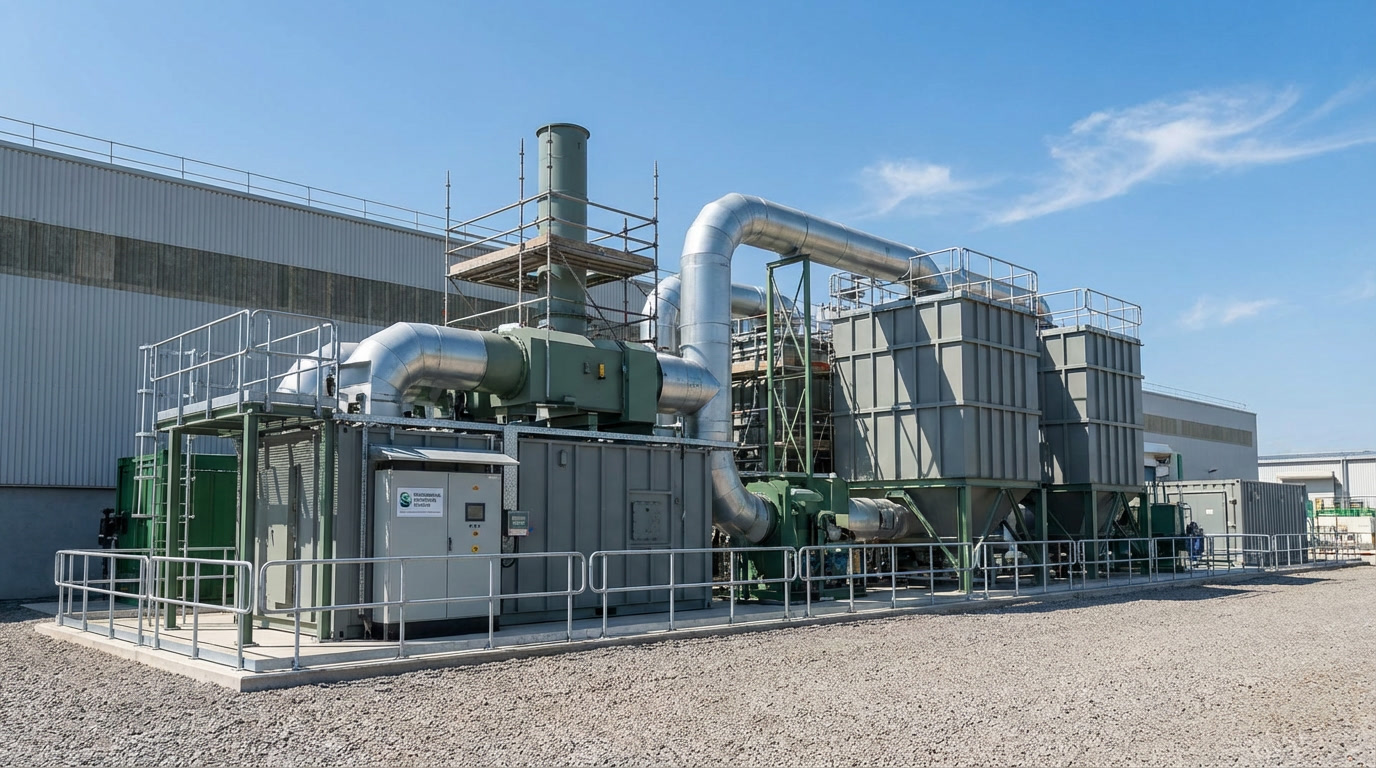
When process modifications cannot eliminate VOC generation, end-of-pipe control technologies are required to capture, recover, or destroy solvent vapors before process exhaust reaches the atmosphere. Selecting the appropriate technology depends on gas flow rates, solvent concentrations, and the economic value of the target chemical.
Proven end-of-pipe VOC control technologies include:
- Thermal Oxidation: Destroys volatile organic vapors by oxidizing them to carbon dioxide and water at high temperatures (760°C to 820°C).
Thermal destruction kinetics are governed by the Arrhenius Equation for the reaction rate constant ($k$):
k = A · e^(-Ea / (R · T))where $A$ is the pre-exponential collision factor, $E_a$ is the activation energy, $R$ is the universal gas constant (8.314 J/mol·K), and $T$ is the absolute temperature in Kelvin. Maintaining high thermal destruction rates requires continuous combustion control.
- Catalytic Oxidation: Employs precious metal catalysts (platinum or palladium) to oxidize organic vapors at lower temperatures (320°C to 450°C), reducing auxiliary fuel costs.
- Activated Carbon Adsorption: Captures organic vapors onto porous activated carbon beds, allowing solvent recovery via thermal steam regeneration.
The mass-transfer equilibrium is modeled by the Langmuir Adsorption Isotherm for fractional surface coverage ($\theta$):
θ = (K · P) / (1 + K · P)where $P$ is the partial pressure of the VOC adsorbate in the inlet stream and $K$ is the adsorption equilibrium constant. High inlet concentrations allow highly efficient solvent recovery.
- Condensation: Employs mechanical refrigeration to chill process exhausts, condensing solvent vapors back into a liquid state for reuse.
- Biofiltration: Directs process exhaust through biological packing media containing acclimated microorganisms that metabolize biodegradable organic compounds.
6.3 Engineering Selection Matrix
Selecting the optimal VOC control technology requires balancing gas stream flow rates with volatile solvent concentrations. The engineering matrix below maps out these application ranges:
| Control Technology | Concentration Range | Optimal Flow Rates | Primary Application Cases |
|---|---|---|---|
| Thermal Oxidation | 1,500 – 10,000 ppm | Low to High | Mixed hydrocarbon exhausts with high fuel value |
| Carbon Adsorption | 500 – 5,000 ppm | Medium to High | Single-solvent recovery (toluene, ethyl acetate) |
| Condensation | > 10,000 ppm | Low | High-concentration reactor vent line pre-treatment |
| Biofiltration | < 1,000 ppm | High | Water-soluble biodegradable solvents (alcohols) |
7. Implementing Effective VOC Management Programs
Step 1: Emission Inventory & Mass Balance
Establishing a comprehensive emission inventory is the baseline requirement for effective VOC management, letting plant engineers track solvent usage and identify high-loss operations. By compiling safety data sheets and analyzing purchase records, chemical facilities can calculate a precise solvent mass balance across the plant. This data allows target reduction goals to be set and helps justify capital investments in recovery technology.
Step 2: Regulatory Compliance Auditing
Regular compliance audits ensure that industrial emissions remain safely below SPCB limits, protecting the facility from sudden regulatory closures. These assessments involve evaluating stack emissions, checking workplace air quality, and verifying safety certifications. Identifying compliance gaps early lets plant managers implement corrective actions before official inspections occur.
Step 3: Control Strategy & Financial Analysis
Selecting a VOC control system requires analyzing both engineering performance and financial payback. Plant managers must evaluate capital expenditures, operating costs, and raw material recovery potential to identify the most cost-effective option. Presenting a detailed business case helps secure corporate investment for advanced recovery systems. Facilities without in-house environmental engineers often benefit from an external technical review first — our guide on choosing the right product development consultant outlines what to check before commissioning that work.
Step 4: Installation, Training & Commissioning
Successful installation and commissioning of control equipment requires close coordination between process engineers, safety officers, and equipment vendors. Operating teams must receive extensive training on system controls, safety protocols, and emergency procedures. Proper commissioning confirms that the control system achieves its target destruction or recovery efficiency.
Step 5: LDAR Programs & Continuous Improvement
Leak Detection and Repair (LDAR) programs are essential for reducing fugitive emissions and maintaining long-term environmental performance. By using handheld monitors and gas-imaging cameras, maintenance teams can quickly locate and repair small seal leaks before they escalate. Integrating LDAR audits into routine plant maintenance drives continuous improvement and sustains high compliance standards.
8. Business Benefits of Proactive VOC Management
8.1 Regulatory Safeguards & Streamlining
Proactive VOC management safeguards manufacturing facilities from costly regulatory interventions, building positive SPCB relations and accelerating permit processes. Facilities that demonstrate clean emission profiles are frequently granted longer CTO renewal cycles and benefit from streamlined expansion approvals. Minimizing environmental compliance risks also protects corporate value and lowers insurance premiums.
8.2 Market Capture & Eco-Labeling
Developing low-VOC and solvent-free product lines enables chemical brands to capture lucrative, eco-conscious market segments. Government agencies and green building projects enforce strict VOC limits for paint and adhesive procurement. Obtaining recognized eco-labels establishes strong market differentiation, supports premium product pricing, and opens up premium export channels.
8.3 Operational Savings & Resource Recovery
Implementing activated carbon adsorption or mechanical condensation systems delivers direct, measurable bottom-line savings by recovering valuable process solvents. In continuous printing or coating plants, solvent recovery systems frequently achieve recovery rates of 85% to 95%. Recovered solvents can be reused in non-critical wash steps or purified for reuse in manufacturing, cutting raw material costs.
8.4 Financial Analysis & Investment Returns
Financial audits of Indian chemical facilities that install automated VOC control systems demonstrate excellent return on investment metrics. A typical solvent recovery project achieves full capital payback within 2 to 4 years, delivering consistent operational savings over the system lifetime. Proactive environmental upgrades also qualify facilities for competitive green credit financing and local tax incentives.
9. Conclusion: The Path Forward
Implementing effective VOC management is a critical operational imperative for modern manufacturers, driven by rising environmental regulations and changing market demands. SPCBs are continuously tightening air emission standards, making clean process engineering essential for sustained business viability. Factory owners who invest in emission control systems protect their license to operate and future-proof their business.
For chemical startups and entrepreneurs, designing low-VOC processes and containment systems into new facilities is highly cost-effective compared to retrofitting older plants. Building strong environmental performance into the company's business model from day one builds investor confidence and establishes a premium brand identity. Proactive environmental stewardship is a key source of operational innovation and competitive advantage, and it is part of the same wider green chemistry revolution reshaping industrial manufacturing beyond VOC control alone.
Discussing process requirements with chemical engineering and environmental consultants is the most reliable way to select the right control equipment, design compliant plant layouts, and scale up clean production lines.
Immediate Action Checklist:
- Complete a detailed VOC emission inventory and solvent mass balance.
- Audit current stack and fugitive emissions against local SPCB limits.
- Evaluate solvent substitution options and process closed-loop upgrades.
- Perform an engineering study to select optimal recovery or destruction technology.
- Implement a scheduled Leak Detection and Repair (LDAR) maintenance program.
Frequently Asked Questions (FAQ)
1. What are the most common VOCs in manufacturing facilities?
The most prevalent VOCs include toluene, xylene, acetone, methyl ethyl ketone (MEK), formaldehyde, benzene, and isopropanol. Paint and coating operations typically emit aromatic hydrocarbons (toluene, xylene), while pharmaceutical and chemical plants release a broader range including chlorinated solvents, alcohols, and ketones. The specific VOCs depend on your raw materials and processes.
2. How much does VOC control equipment cost for a small-to-medium facility?
Capital costs vary widely based on air flow rate and VOC concentration. For a small facility (5,000–10,000 m³/hr), expect 25–75 lakhs rupees for basic carbon adsorption systems, 50 lakhs–1.5 crores for thermal oxidizers, and 75 lakhs–2 crores for catalytic systems. Operating costs range from 5 to 40 rupees per 1,000 m³ treated. Solvent recovery systems often achieve 2–4 year payback through recovered material value.
3. Do I need Consent to Operate renewal if I install VOC control equipment?
Yes. Any modification to your process or pollution control equipment requires intimation to your State Pollution Control Board and may necessitate applying for amended Consent to Operate. Installing VOC controls is viewed favorably and typically streamlines the renewal process, but formal approval is mandatory before operating new equipment.
4. What is the difference between VOC emission limits and workplace exposure limits?
VOC emission limits measured in milligrams per normal cubic meter at the stack control what your facility releases to the atmosphere and are enforced by State Pollution Control Boards. Workplace exposure limits or Permissible Exposure Limits measured in parts per million or milligrams per cubic meter in work areas protect worker health and are enforced under the Factories Act. You must comply with both.
5. Can switching to water-based products eliminate my VOC compliance requirements?
Water-based products dramatically reduce VOC emissions typically by 80–95 percent but rarely eliminate them entirely. Most waterborne formulations still contain 5–15 percent VOC content as coalescing agents and preservatives. You still need Consent to Operate and must demonstrate compliance with applicable limits. Water-based systems may require process modifications such as different application equipment and drying conditions.
6. How do I calculate ROI for VOC control investments?
Calculate return on investment by comparing total costs against benefits over the equipment lifetime. Costs include capital investment, installation, annual operating expenses. Benefits include solvent recovery value (50–200 rupees per kilogram for common solvents), avoided raw material purchases, energy recovery, avoided penalties and compliance costs, reduced insurance premiums, and market access to green customers. Most solvent recovery systems show positive ROI within 2–5 years.
7. What are the penalties for VOC emission violations in India?
Penalties escalate based on violation severity and history. First-time violations typically result in notices requiring corrective action within 30–90 days. Continued non-compliance leads to Consent to Operate suspension, fines up to 1,00,000 rupees under the Air Act, potential imprisonment up to 5 years for repeat offenses, and civil liability for health damages and public liability under environmental damage laws.
8. Is biofiltration suitable for pharmaceutical or chemical manufacturing VOCs?
Biofiltration works well for biodegradable VOCs like alcohols, ketones, and some aromatic compounds at low-to-medium concentrations below 1,000 ppm. It is unsuitable for chlorinated solvents which inhibit microbial activity and performs poorly with highly variable emission rates common in batch pharmaceutical operations. For pharmaceutical facilities with mixed, variable VOC streams, adsorption or catalytic oxidation typically proves more reliable.
9. Do startups get any exemptions from VOC regulations?
No. Environmental regulations apply equally regardless of company age or size. All manufacturing facilities require Consent to Establish before construction and Consent to Operate before production begins. Designing low-VOC processes from inception costs significantly less than retrofitting existing facilities and accelerates permit approvals.
10. How often must I conduct VOC emission monitoring?
Monitoring frequency depends on your Consent to Operate conditions and industry category. Facilities typically conduct stack emission monitoring quarterly to annually. Continuous processes with high VOC potential may require Continuous Emission Monitoring Systems. Workplace air monitoring is required at least annually. All records must be maintained for a minimum of 5 years and annual environmental statements submitted to your State Pollution Control Board.
11. Can I use the same control equipment for multiple VOC sources?
Yes, if designed appropriately. Manifolding multiple emission points to a single control device reduces capital costs. Engineers must consider compatible VOC types, similar concentration ranges, synchronized operating schedules, adequate duct sizing to handle combined flow, and safety concerns to prevent reactive mixtures.
Need Technical Formulation or Plant Design Services?
Discuss your industrial solvent containment, green process engineering, or VOC compliance auditing project with Global Formulation. Obtain professional CIBRC-compliant layouts, ATEX electrical engineering audits, and robust product formulations.
Email: consulting@globalformulation.com
Phone: +91 9819548320 +91 8169102990
About the Specialist
Absar Khan is the principal consultant and chemical formulation architect at Global Formulation. He possesses cross-disciplinary engineering expertise spanning agrochemical milling lines, aerosol packaging systems, pharmaceutical cleanroom layouts, cosmetics, and green chemical plant setups. Absar leads scientific and engineering advisory teams supporting manufacturers globally in technology selection, GMP layouts, validation frameworks, and regulatory strategies.
LinkedIn Portfolio: Connect with Absar Khan on LinkedIn