Green Chemistry Revolution: Eco-Friendly Chemical Products

The global chemical industry is undergoing a structural shift toward environmental compatibility, driven by strict regulations, consumer demands for safety, and resource depletion. Green chemistry is no longer a niche marketing term; it is now a core chemical engineering framework for sustainable manufacturing. By designing eco-friendly chemical products that match traditional performance while reducing environmental footprints, manufacturers can secure long-term market access and commercial viability in India and global export markets.
What Are Eco-Friendly Chemical Products?
Eco-friendly chemical products are formulations designed to deliver high functional performance while minimizing human health and environmental risks throughout their entire life cycle. This includes using non-toxic ingredients, lowering volatile organic compound (VOC) emissions, ensuring rapid biodegradability, utilizing renewable raw materials, and optimizing manufacturing safety.
Conventional industrial chemicals often rely heavily on petroleum feedstocks, chlorinated solvents, and high-energy processes. In contrast, green chemical design starts at the molecular level, prioritizing plant-derived lipids, natural surfactants, and mild reaction pathways. This reduces environmental hazards and lowers post-consumer disposal costs.
The decay kinetics of green surfactants and bio-solvents in natural aquatic systems are modeled by the **First-Order Biodegradation Rate Equation**:
To be certified as sustainable, an eco-friendly chemical product must satisfy several strict design criteria:
- Reduced Toxicological Impact: Minimizing dermal, oral, and aquatic toxicity profiles as measured by standard LD50 tests.
- Low Volatile Emissions: Restricting volatile carbon species to prevent atmospheric ozone and indoor air quality issues.
- High Biodegradability Profiles: Guaranteeing the chemical matrix breaks down quickly into non-toxic mineral elements.
- Renewable Raw Materials: Replacing finite petroleum feedstocks with plant-derived, renewable agricultural inputs.
- Safe Plant Operations: Eliminating hazardous pressure, temperature, and explosive risks during chemical blending.
Definition of Sustainable and Green Chemicals
Green chemicals are substances designed, manufactured, and applied using methods that systematically reduce or eliminate the use and generation of hazardous compounds. Sustainability in chemical engineering focuses on conserving resources, cutting carbon footprints, and keeping ecosystems safe throughout a product's life cycle.
These definitions are guided globally by frameworks like the US Environmental Protection Agency (EPA) Green Chemistry program, the OECD, and the European Chemicals Agency (ECHA). Rather than focusing on post-production cleanup, these organizations emphasize pollution prevention at the initial molecular design stage.
To maintain environmental safety, sustainable chemical processes must achieve several key objectives:
- Molecular Hazard Prevention: Designing chemical structures that are functionally active but safe for biological systems.
- Waste and Emission Minimization: Running chemical reactions that produce minimal waste byproducts and emissions.
- Life-Cycle Assessment (LCA): Assessing the total environmental impact of raw materials, shipping, and disposal.
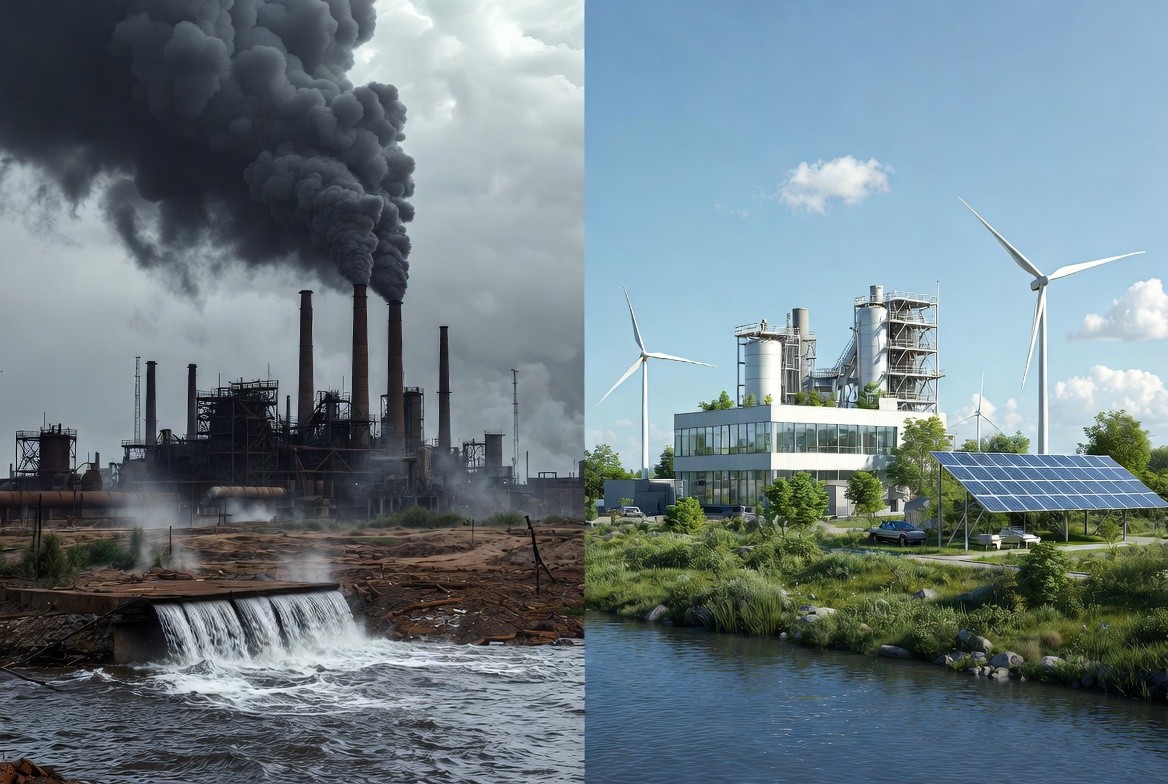
Difference Between Traditional and Eco-Friendly Chemicals
Traditional chemical products are optimized primarily for cost and functional performance, with little consideration for their environmental impact or long-term safety. Eco-friendly chemicals, however, integrate high performance with environmental safety, worker protection, and strict regulatory compliance.
To illustrate these differences, we can compare traditional petrochemical manufacturing with modern green chemical production across their life cycles:
| Dimension | Traditional Chemicals | Eco-Friendly Chemicals |
|---|---|---|
| Feedstock | Petroleum-derived hydrocarbons | Plant-derived lipids, agricultural waste |
| VOC Content | Often high (solvent-based) | Low or solvent-free (water-borne) |
| Biodegradability | Frequently slow or persistent | ≥60% mineralization in 28 days (OECD 301B) |
| E-Factor | Variable, often unoptimized | Actively minimized by process design |
| Regulatory Exposure | Higher REACH/TSCA restriction risk | Designed for compliance from inception |
Key Principles of Green Chemistry
Green chemistry operates on twelve core scientific principles that guide sustainable chemical design. These principles provide a framework for engineers to minimize waste, optimize reaction efficiencies, and design safer chemical formulations across all industrial sectors.
A key measure of a process's sustainability is its waste footprint, quantified by the **Environmental E-Factor Equation**:
To minimize this waste footprint, green processes also calculate the **Atom Economy (AE) Percentage**:
Applying these principles helps chemical processes achieve several vital sustainable goals:
- Waste Prevention: Designing chemical reactions to prevent waste rather than cleaning up byproducts after production.
- Maximizing Atom Economy: Ensuring starting materials are fully incorporated into the final product molecular structure.
- Safer Chemical Syntheses: Using non-toxic reagents and solvents to perform required chemical transformations.
- Designing Safer Chemical Structures: Creating highly effective products that are non-toxic to humans and wildlife.
- Using Renewable Feedstocks: Sourcing raw materials from agricultural waste or plant-derived lipids rather than petrochemicals.
- Optimizing Energy Efficiency: Running chemical processes at ambient temperatures and pressures to reduce energy use.
Why the World Is Shifting Toward Sustainable Chemicals
Environmental Damage Caused by Conventional Chemicals
Traditional chemical manufacturing has historically contributed to groundwater pollution, soil contamination, and air emissions. Persistent toxic chemicals and heavy metals build up in food chains, presenting long-term risks to ecosystems and public health.
These environmental risks highlight the need to move away from conventional formulations:
- Groundwater Soil Pollution: Chlorinated solvents and non-biodegradable surfactants building up in local watersheds.
- Biological Ingress: Bioaccumulation of toxic chemical compounds in wildlife and food chains.
- Occupational Health Risks: High worker exposure to toxic fumes, corrosive liquids, and carcinogenic solvents.
- Waste Liability Burdens: Escalating costs for managing, treating, and disposing of hazardous chemical waste.
Rising Consumer Awareness and Demand
Consumers and industrial buyers now demand safer, more transparent, and environmentally responsible products. Certifications for biodegradability, eco-labeling, and non-toxic formulas increasingly influence purchasing decisions in cleaning, cosmetics, and agricultural sectors.
Government Regulations and Global Climate Policies
Strict environmental laws are the main force driving the adoption of sustainable chemicals. Key global frameworks include:
- REACH (European Union): Restricting hazardous chemicals and requiring complete safety validation for import.
- TSCA (United States): Restricting toxic substances and encouraging the use of green chemical alternatives.
- CMSR (India): Enforcing stricter safety rules, chemical registration, and exposure controls for domestic manufacturers.
Pressure on Manufacturers to Reduce Carbon Footprint
Chemical manufacturing is highly energy-intensive, and companies face growing pressure to reduce their carbon footprint. Businesses are now required to measure and cut their Scope 1, 2, and 3 greenhouse gas emissions.
To meet these targets, manufacturers are implementing several key technologies:
- Low-Temperature Processes: Running chemical reactions under milder thermal conditions to save energy.
- Renewable Energy Integration: Powering manufacturing plants with solar, wind, or bio-energy systems.
- Process Intensification: Using compact, highly efficient reactors to reduce material and energy consumption.
- Green Raw Material Substitution: Replacing fossil-fuel-derived inputs with bio-based, carbon-neutral feedstocks.
Market Outlook – The Future of Eco-Friendly Chemical Products
The sustainable chemicals market is one of the fastest-growing sectors in the global chemical industry. This growth is driven by regulatory pressures, industrial sustainability mandates, and the rising demand for safe, compliant raw materials.
India is positioned to become a major hub for green chemical manufacturing and exports. With its established chemical infrastructure, skilled chemists, and increasing alignment with global environmental standards, the country is well-equipped to meet this demand.
This growth is particularly strong across several key specialty chemical segments:
- Paints and Coatings: High demand for low-VOC water-borne systems to replace traditional solvent-based paints.
- Household and Industrial Cleaners: Rapid adoption of bio-based surfactants and chelators in detergents and degreasers.
- Agrochemical Formulations: Growing demand for biodegradable, low-impact carriers and adjuvants for crop protection.
- Packaging and Material Science: Expanding use of biodegradable polymers and coatings to replace single-use plastics.
- Cosmetic Ingredients: Shift toward natural, plant-derived, and certified organic raw materials in personal care.
Key Technologies Driving Green Chemical Innovation
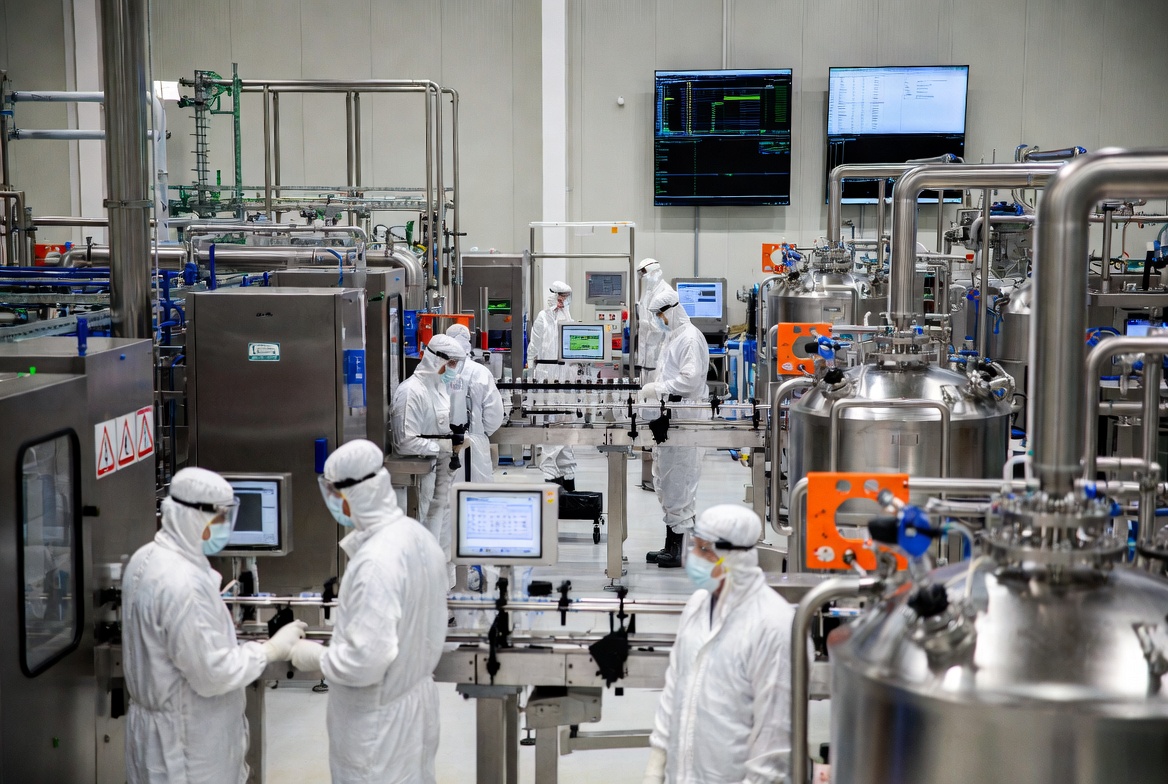
Continuous advancements in chemical engineering, biotechnology, and analytical testing support the green chemistry revolution. These technologies allow manufacturers to develop sustainable products that match the performance of traditional chemicals.
Several key innovations are driving this transition:
- Bio-Based Raw Materials: Utilizing agricultural waste, plant lipids, and vegetable oils as alternatives to petroleum inputs.
- Enzymatic Biocatalysis: Using natural enzymes to run chemical reactions, eliminating hazardous reagents and waste byproducts.
- Water-Borne Systems: Replacing volatile organic solvents with water, which serves as a safe and abundant carrier medium.
- Low-VOC Technologies: Developing high-solids or solvent-free formulations that prevent harmful emissions during application.
Understanding Volatile Organic Compounds (VOCs)
Volatile Organic Compounds (VOCs) are carbon-based chemicals that readily evaporate at room temperature, contributing to air pollution, smog formation, and health risks. In chemical manufacturing, VOCs are primarily released from organic solvents used in coatings, adhesives, and industrial cleaners.
Reducing VOC emissions is a core goal of green chemistry. This is achieved by formulating water-based degreasers, solvent-free paints, and high-solids coatings that protect both workers and the environment. A full technical breakdown of VOC sources, health impacts, and control technologies is covered in our dedicated guide on pollution caused by VOCs.
Opportunities for Startups and Entrepreneurs
The green chemical market offers excellent opportunities for startups due to shifting buyer preferences and low capital entry barriers in specialty blending. By focusing on compliant, eco-friendly formulations, new brands can quickly establish themselves in regional and export markets. Many green-chemistry entrants launch through a Manufacturing-as-a-Service (MaaS) model to avoid the upfront capital of a dedicated plant.
Startups can build successful businesses by targeting several key growth areas:
- Specialty Green Blends: Formulating biodegradable household detergents, automotive cleaners, and bio-based degreasers.
- Contract Manufacturing: Providing certified green blending and packaging services for larger brands looking to outsource.
- High-Value Exports: Developing REACH-compliant chemical products for European and North American buyers.
Challenges in Eco-Friendly Chemical Manufacturing
While green chemistry offers clear benefits, manufacturers face practical challenges when scaling up sustainable production. These include higher raw material costs and the technical difficulty of matching the performance of conventional chemicals in heavy-duty industrial applications.
Addressing these challenges requires continuous process optimization and R&D:
- High Raw Material Costs: Bio-based inputs often carry premium prices compared to mass-produced petrochemicals.
- Performance Matching: Ensuring green lubricants or coatings perform reliably under extreme industrial loads and temperatures.
- Batch Certification: Maintaining strict compliance with eco-labeling standards during large-scale commercial production.
Role of Research, Formulation & Consulting in Green Product Development
Professional chemical formulation is critical to ensuring eco-friendly products achieve both regulatory compliance and commercial performance. Rather than simply substituting ingredients, formulators must redesign the entire chemical matrix to maintain stability and effectiveness. Brands new to this process should review our guide on choosing the right product development consultant before committing to a formulation partner.
Expert formulation support helps manufacturers optimize several key parameters:
- Formulation Stability: Preventing emulsion separation or ingredient fallout in water-based bio-cleaners.
- Accelerated Quality Testing: Running stability trials and toxicity reviews to secure green certifications.
- Production Scale-Up: Successfully transferring laboratory recipes to commercial blending plants without losing performance.
Future Trends That Will Shape the Green Chemical Industry
The sustainable chemical industry is evolving rapidly, driven by advanced engineering and digital technologies. Innovations like artificial intelligence and carbon-neutral processing are helping manufacturers optimize green formulations and reduce carbon footprints.
Key trends shaping the future of this sector include:
- AI-Driven Formulation: Using machine learning to predict chemical toxicity and optimize reaction pathways.
- Carbon-Neutral Plants: Operating zero-emission chemical factories powered by renewable energy and water recovery systems.
- Chemical Recycling: Advancing technologies that recover and reprocess used chemical products back into raw materials.
How Businesses Can Transition to Eco-Friendly Chemical Products
Transitioning to green chemistry requires a structured technical approach rather than a simple branding change. Manufacturers must audit their current raw materials, evaluate safer alternatives, and optimize their production processes to minimize waste.
A standard transition roadmap covers several technical steps:
- Raw Material Assessment: Auditing current formulations to identify and replace hazardous solvents or surfactants.
- Process Reengineering: Modifying mixing sequences and temperatures to improve energy efficiency.
- Certification Verification: Securing third-party eco-labels to build market trust and support export compliance.
Why Eco-Friendly Chemical Products Are the Future of Profitable Manufacturing
Sustainable chemical manufacturing is a long-term investment that builds business resilience, protects profit margins, and secures global market access. Companies that adopt green chemistry avoid regulatory fines, reduce waste disposal costs, and command premium prices in eco-conscious markets.
This transition delivers lasting economic and operational value:
- Reduced Waste Costs: Minimizing hazardous waste output, which significantly lowers environmental treatment and disposal fees.
- Secure Global Access: Meeting strict international compliance standards like REACH, which keeps global export routes open.
- Enhanced Brand Trust: Building long-term credibility with institutional buyers who prioritize green supply chains.
Frequently Asked Questions (FAQ)
1. What are eco-friendly chemical products?
They are chemical formulations designed to minimize environmental and human health risks while maintaining industrial performance through reduced toxicity, lower emissions, and improved biodegradability.
2. Is green chemical manufacturing profitable in India?
Yes. Export-driven compliance demand, institutional procurement preferences, and operational efficiency collectively make sustainable chemical manufacturing commercially viable in India.
3. Which chemical products are most suitable for sustainable production?
Cleaners, paints, coatings, agrochemicals, lubricants, cosmetics, and packaging materials currently show the highest adoption rates for eco-friendly alternatives.
4. How can startups enter the green chemical industry?
Startups can enter through white-label manufacturing, contract formulation services, regulatory-compliant specialty segments, and export-focused product lines.
5. What is the E-Factor and why does it matter for green chemistry?
The E-Factor is the ratio of total waste mass generated to the mass of target product produced. Traditional oil refining achieves an E-Factor below 0.1, while specialty chemical and pharmaceutical synthesis can generate E-Factors above 5 to over 100. A lower E-Factor directly signals less waste-treatment liability and lower raw-material loss per unit of product, making it a practical benchmark manufacturers use to compare process sustainability.
6. How is the biodegradability of a green chemical formally verified?
Biodegradability is typically verified using standardized tests such as OECD 301B, which measures the percentage of a chemical mineralized by microorganisms in an aquatic medium over a fixed period, commonly 28 days. A substance demonstrating greater than 60% mineralization within that window is generally classed as readily biodegradable, following first-order biodegradation kinetics rather than a simple visual or anecdotal assessment.
Need Professional Green Chemistry Formulation & Engineering?
Discuss your eco-friendly surfactant selection, biodegradable formulation mapping, or raw material substitution with Global Formulation. Obtain professional GHS-compliant layouts, pilot production support, and robust product formulations.
Email: consulting@globalformulation.com
Phone: +91 9819548320 +91 8169102990
About the Specialist
Absar Khan is the principal consultant and chemical formulation architect at Global Formulation. He possesses cross-disciplinary engineering expertise spanning agrochemical milling lines, aerosol packaging systems, pharmaceutical cleanroom layouts, cosmetics, and green chemical plant setups. Absar leads scientific and engineering advisory teams supporting manufacturers globally in technology selection, GMP layouts, validation frameworks, and regulatory strategies.
LinkedIn Portfolio: Connect with Absar Khan on LinkedIn