Construction Chemicals: Products, Technology & Applications

Modern construction chemicals are highly specialized, engineered materials designed to modify, enhance, and protect structural interfaces, cementitious pastes, and architectural matrices. Far from being auxiliary additives, they are active chemical systems that directly govern mechanical compressive strength, reduce concrete permeability, control moisture ingress, and arrest physical degradation pathways. Achieving commercial and field success in construction chemistry requires a deep understanding of polymer synthesis, crystal-growth mineralogy, rheological control, and rigorous international performance standards.
Seeking complete technical formulations and plant setup support?
Get access to professionally audited, commercially proven formulations for concrete admixtures, waterproofing membranes, self-leveling floors, and repair mortars custom designed by Specialist Absar Khan.
Explore All Construction Chemicals SolutionsTable of Chemical Engineering & Science Topics
- 1. What Are Construction Chemicals?
- 2. Major Categories of Applied Chemistry
- 3. Concrete Admixtures: PCE & Steric Hindrance
- 4. Waterproofing Systems & Crystallization Dynamics
- 5. Repair & Rehabilitation: Microstructural ITZ Density
- 6. Industrial Epoxy & Polyurethane Flooring
- 7. Adhesives, Grouts, Anchors & Specialty Resins
- 8. Performance Parameters & ASTM/IS Standards
- 9. Frequently Asked Questions (FAQ)
1. What Are Construction Chemicals?
Construction chemicals are highly specialized chemical compounds, polymers, and mineral additives integrated into cementitious pastes, aggregates, and structural interfaces during or after construction. Unlike standard commodities, they are formulated to interact directly with the molecular phases of concrete hydration (such as tricalcium silicate, dicalcium silicate, and tricalcium aluminate). Their presence modifies cement kinetics, governs surface energies, prevents moisture transport, and binds aggregate boundaries.
As modern infrastructure moves toward faster construction cycles, high-strength architectures, and severe environmental exposures, traditional concrete mixes are no longer sufficient. Specialized admixtures, waterproofing matrices, structural repair epoxies, and elastomeric sealants are now essential to prevent catastrophic chemical degradation (such as concrete carbonation, alkali-silica reactions, and steel reinforcement corrosion).
Pozzolanic Sustainability Fact: Integrating mineral admixtures like fly ash, silica fume, and ground granulated blast-furnace slag (GGBS) reduces the carbon footprint of concrete. These mineral additives react with free calcium hydroxide to form high-strength Calcium Silicate Hydrate (C-S-H) gels, reducing cement demand and carbon emissions.
2. Major Categories of Applied Chemistry
To systematically address the demanding needs of structural materials, the applied chemistry of construction chemicals is divided into several highly specialized product families. Each category serves a specific purpose, working either within the concrete paste to alter hydration kinetics or on the cured surface to protect against environmental degradation.
Specialist engineers categorize these products based on their chemical composition and application method:
- Concrete Admixtures: Liquid polymers and minerals added directly to the fresh concrete mix to optimize rheology, reduce water demand, and control setting times.
- Waterproofing Systems: Active crystalline barriers, cementitious polymer membranes, and liquid-applied polyurethanes that block moisture ingress under hydrostatic pressure.
- Repair & Rehabilitation Chemicals: Structural epoxy injection resins, polymer-modified patch mortars, and fiber-reinforced polymers (FRP) that restore mechanical integrity.
- Industrial Flooring Systems: High-solids epoxy and polyurethane self-leveling floors engineered for high impact, chemical resistance, and static dissipation.
- Adhesives & Sealants: Highly flexible polymer sealants (MS polymers, silicones, PU) that accommodate thermal movement and bond diverse building materials.
- Grouts & Anchoring Systems: High-flow cementitious or rapid-cure epoxy grouts designed to support heavy machinery baseplates and anchor structural steel rods.
3. Concrete Admixtures: PCE Polymer Design & Steric Hindrance Dispersion
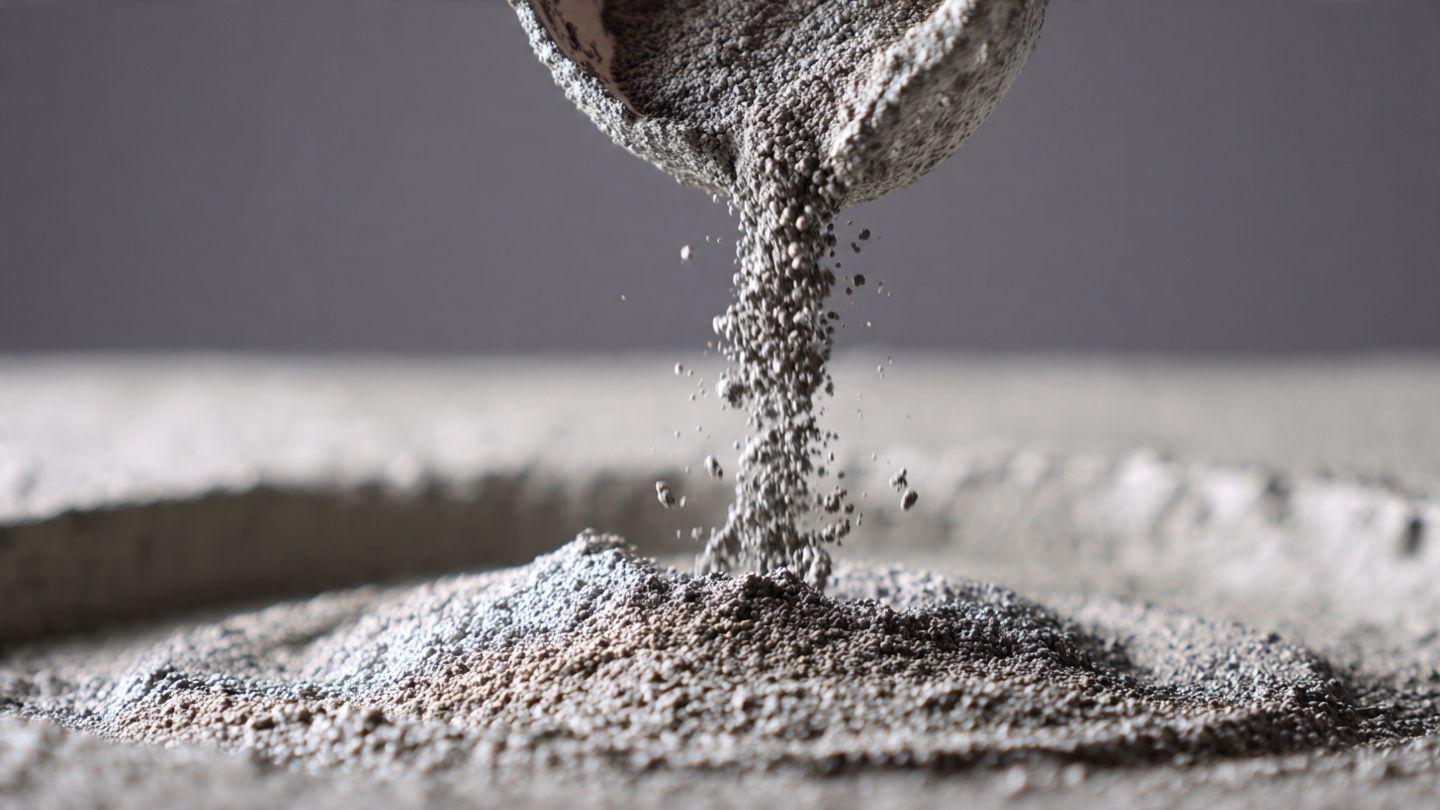
Concrete admixtures are critical chemical modifiers integrated into the mixing water to control the rheology and hydration rate of cement. In high-performance, self-compacting, and ultra-high-strength concretes, superplasticizers are essential to reduce the water-to-cement (w/c) ratio below 0.30 while maintaining the flow needed for deep reinforcement pouring.
3.1 Polycarboxylate Ethers (PCE) vs. Electrostatic Repulsion
Older plasticizer technologies, such as naphthalene sulfonate formaldehyde (SNF) condensates, disperse cement grains by wrapping around them and inducing a negative electrostatic charge. This electrostatic repulsion disperses cement agglomerates, but is temporary and prone to rapid slump loss within 30 to 45 minutes as hydration products build up. Our comparison of plasticizers vs superplasticizers walks through this generational shift in more detail.
Modern high-performance superplasticizers are built on synthesized comb-like polymers called Polycarboxylate Ethers (PCE). PCE molecules consist of a highly anionic methacrylic acid polymer backbone with carboxylic groups, and long, neutral, hydrophilic polyethylene glycol (PEG) ester graft side chains. The anionic backbone adsorbs onto the positively charged surfaces of hydrating cement grains, while the neutral PEG side chains extend into the surrounding water phase. This structural arrangement generates strong steric hindrance, physically keeping cement particles apart. This steric dispersion prevents particle agglomeration far longer than electrostatic forces, providing excellent slump retention without requiring extra water. The full production route from raw monomers to finished admixture is covered in our polycarboxylate ether synthesis guide.
3.2 Concrete Hydration Modifiers
Formulators adjust fresh concrete properties by integrating other key chemical agents:
- Retarders (Phosphonates & Gluconates): Adsorb onto active tricalcium aluminate surfaces, temporarily blocking water contact to extend setting times in hot climates or long ready-mix transit routes.
- Accelerators (Calcium Salts & Triethanolamine): Speed up the nucleation of C-S-H gels, promoting early strength gain for cold-weather concreting or rapid structural formwork cycling.
- Air-Entraining Agents (Wood Resins & Alkyl Sulfonates): Introduce microscopic, stable, evenly spaced air bubbles (10 to 250 μm) into the cement paste. These bubbles act as expansion reservoirs, protecting the cured concrete from freeze-thaw damage.
4. Waterproofing Systems: Crystalline Active Silica & Capillary Pore Blocking
Water intrusion is the leading cause of structural concrete failure, driving reinforcing steel oxidation, concrete carbonation, and freeze-thaw cracking. Waterproofing technologies prevent moisture entry, protecting structural reinforcement and interior spaces.
4.1 Integral Crystallization Chemistry
Traditional sheet membranes are susceptible to puncture and joint delamination. In contrast, Integral Crystalline Waterproofing turns the concrete itself into a permanent, self-healing water barrier. These formulations contain active inorganic silicates that dissolve in concrete pore water. When moisture enters, these active silicates react with unhydrated cement particles and free calcium hydroxide (Ca(OH)2) in the concrete pores.
This reaction deposits insoluble, needle-like crystalline Calcium Silicate Hydrate (C-S-H) dendrites across capillary tracts, completely blocking pores of diameters 10 nm to 100 μm. When dry, the crystalline chemicals remain dormant. If micro-cracks form and water enters later, the crystallization reaction reactivates to seal cracks up to 400 μm wide, providing permanent protection against high hydrostatic pressure.
4.2 Surface-Applied Membranes
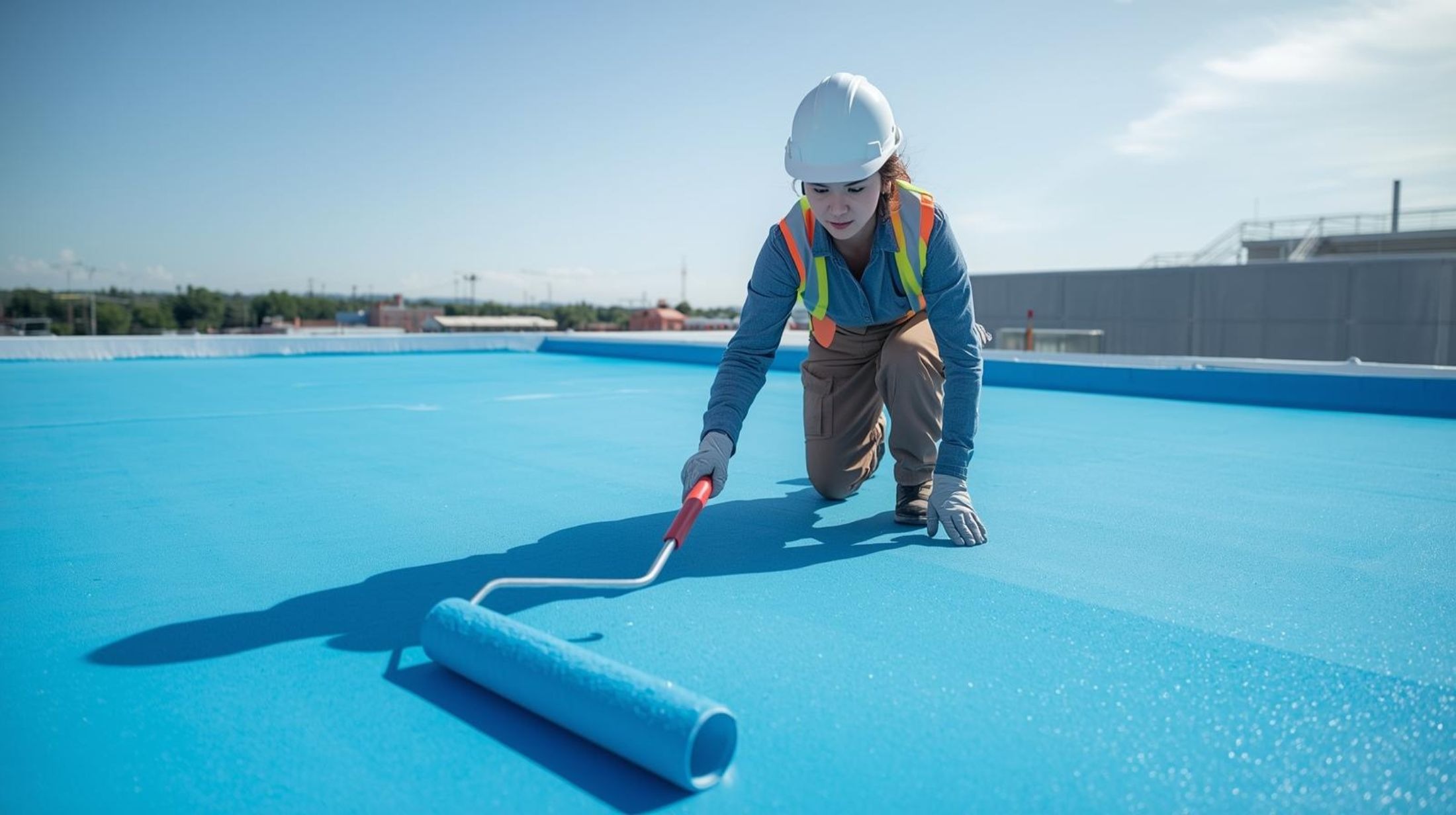
For exterior structures subjected to dynamic loading and thermal movement, two surface-applied membrane systems dominate specification. Cementitious polymer-modified coatings are formulated from Portland cement, quartz sand, and flexible acrylic polymers such as styrene-acrylic copolymers. These acrylic polymers coalesce during cement hydration, forming a flexible network that bridges micro-cracks in wet areas, basements, and water tanks. Liquid-applied polyurethane membranes, by contrast, use moisture-curing polyurethane prepolymers that react with atmospheric moisture to form a high-elongation (> 400%), seamless, elastomeric membrane suited to roofs, terraces, and bridge decks. Manufacturers evaluating either route often start from our dedicated guide on polymer-modified cementitious waterproofing mechanisms, and businesses entering this space can review how to start a waterproofing chemical manufacturing unit.
5. Repair & Rehabilitation: Interfacial Transition Zone (ITZ) Density
Structural degradation from seismic events, structural loading, carbonation, or chloride attack requires targeted chemical repair. Standard sand-cement mortars possess poor bond strength and high shrinkage, leading to interface delamination. Specialized repair chemistry is required to restore load-bearing capacity and extend service life.
5.1 Densifying the Interfacial Transition Zone (ITZ)
The interface between the old concrete substrate and the new repair mortar is called the Interfacial Transition Zone (ITZ). The ITZ is highly porous, rich in calcium hydroxide crystals, and vulnerable to micro-cracking. To prevent bonding failures, modern repair mortars are modified with Styrene-Butadiene Rubber (SBR) or Acrylic Latexes.
During application, the liquid latex emulsion flows into old concrete pores. As cement hydration consumes water, the polymer particles coalesce to form a continuous, flexible film. This film interpenetrates the cement matrix, densifying the ITZ and improving flexural strength, chloride resistance, and tensile bond strength, satisfying ASTM C1583 requirements.
5.2 Fissure Sealing and Structural Reinforcement
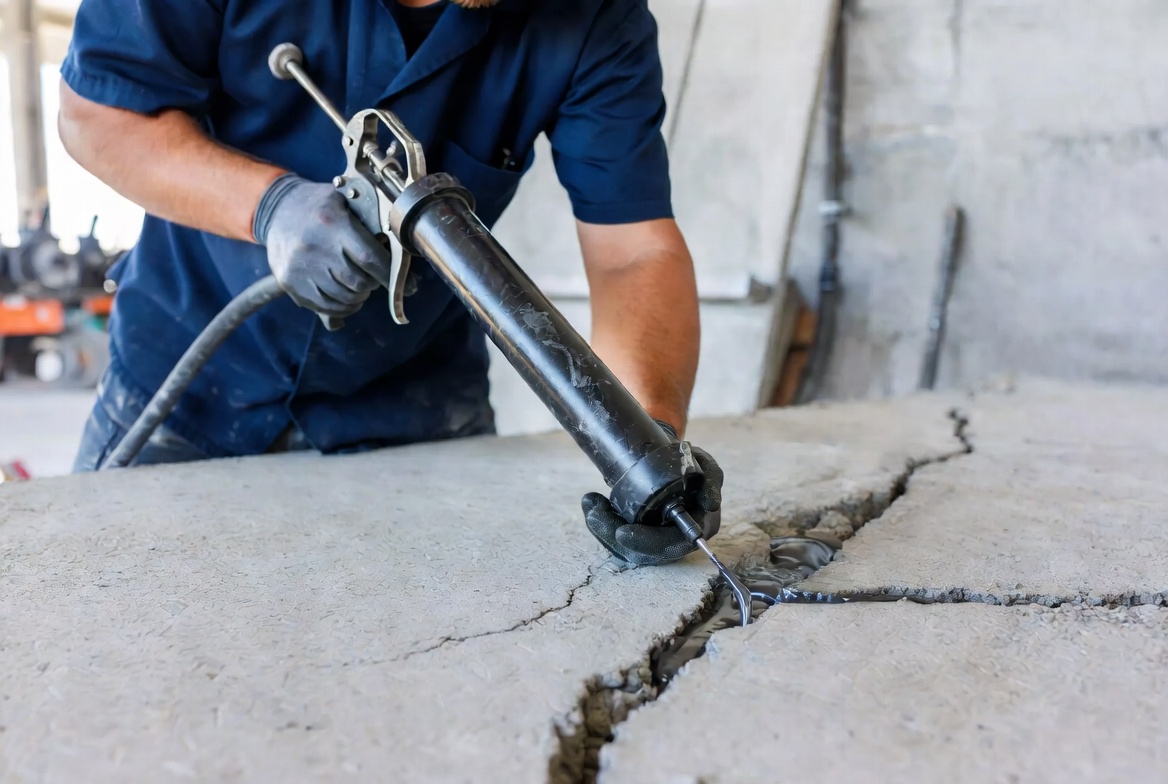
Structural rehabilitation relies on two high-strength polymer systems. Low-viscosity epoxy injection resins are two-component bisphenol A/F epoxies formulated with reactive diluents to maintain viscosities below 150 cPs. These resins are injected under high pressure into structural cracks to restore load transmission across concrete members, as covered in depth in our guide to epoxy injection grouts for crack repair. Fiber-reinforced polymers (FRP), by contrast, are high-tensile carbon or glass fiber sheets saturated with high-strength structural epoxies. Applied to columns, beams, and slabs, FRP wraps provide external reinforcement that significantly increases load capacity. Anchoring reinforcement bars into the repaired substrate uses a related but distinct chemistry, detailed in our guide to structural epoxy anchoring adhesives for rebar and bolts.
6. Flooring & Protective Coatings: High-Wear Polymer Networks
Industrial floors in factories, pharmaceutical cleanrooms, and food-processing plants are subjected to heavy wheeled loads, chemical spills, and intensive thermal cleanings. Traditional concrete floors dust easily, absorb oils, and possess poor chemical resistance. Industrial flooring chemistry addresses these challenges, providing seamless, high-performance wear surfaces.
6.1 Epoxy Self-Leveling Networks
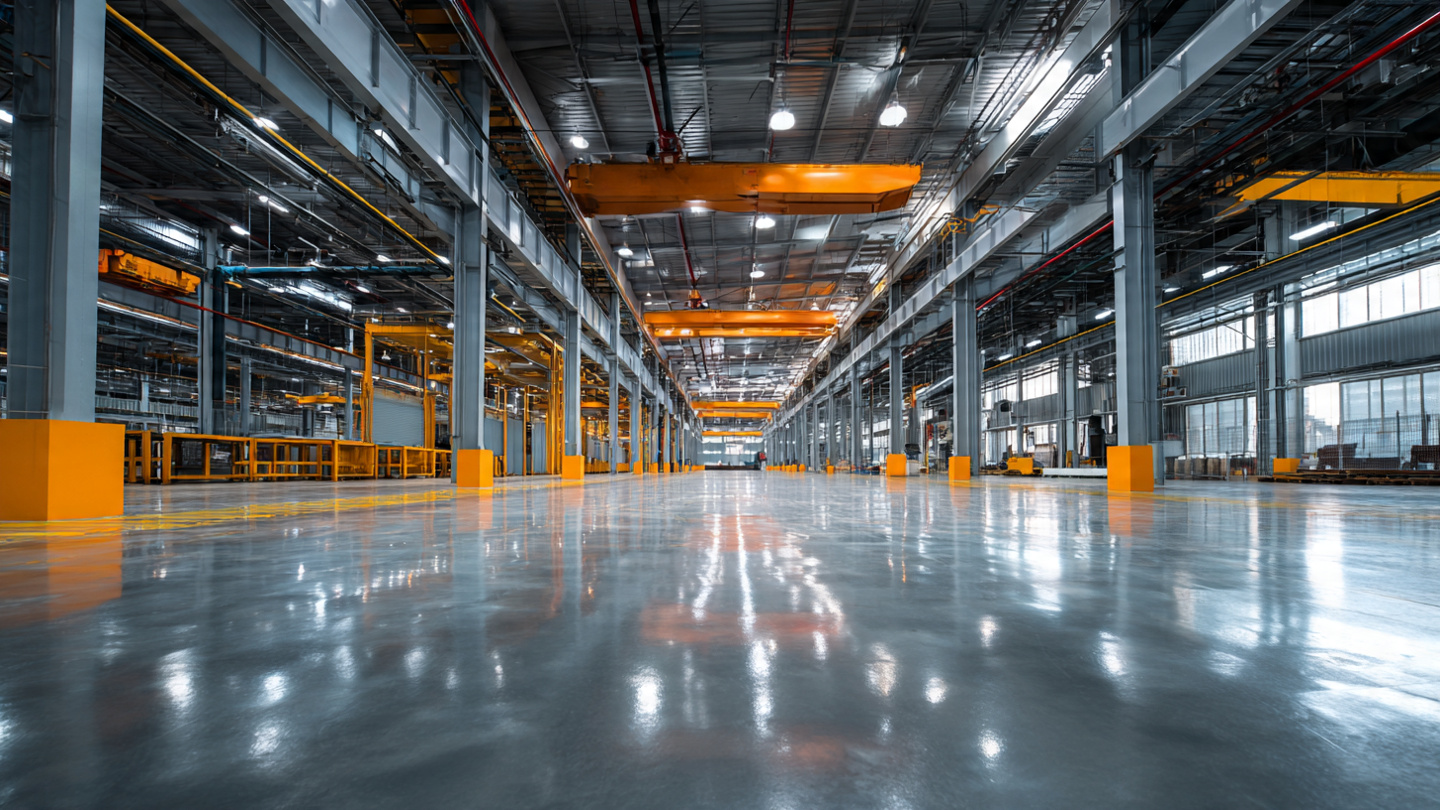
Self-leveling industrial floors use solvent-free, 100%-solids liquid epoxy resins (resin + amine hardener) blended with quartz silica sand. When mixed, these components undergo step-growth nucleophilic addition, cross-linking into a highly durable, rigid thermosetting network.
These floors are formulated with specialized defoamers, flow-control agents, and rheology modifiers to ensure the fluid levels itself automatically, forming a seamless, glossy floor. Once cured, these floors feature high Shore D hardness (> 80) and low Taber abrasion wear index, easily resisting heavy forklift traffic. The same flow-control chemistry underpins self-leveling underlayment compounds used beneath finished flooring systems.
6.2 Polyurethane Concrete Flooring
For environments experiencing continuous thermal shock (such as food factories requiring steam cleaning), rigid epoxies can suffer from interface shear failure due to thermal expansion mismatch. In these harsh environments, Polyurethane Concrete Flooring is preferred.
These hybrid systems combine isocyanate prepolymers, polyol emulsions, Portland cement, and aggregate. This unique formulation balances polyurethane flexibility with cement's high thermal resistance, allowing the floor to withstand continuous thermal cycles up to 120°C without delamination.
7. Adhesives, Grouts, Anchors & Specialty Resins
Anchoring structural steel, mounting heavy machinery, and bonding building materials require high-performance, non-shrink polymer systems. These specialty products are engineered to transmit immense loads and maintain dimensional stability over decades.
Key engineering systems include:
- Tile Adhesives: Polymer-modified, cement-based adhesives containing cellulose ethers (for water retention) and redispersible polymer powders (RDP). These additives improve flexibility and open time, ensuring secure bonds on vertical walls and sub-floors — see our full breakdown of cement-based vs polymer-modified tile adhesive formulation.
- Non-Shrink Cementitious Grouts: Portland cement blended with graded silica sands, water-reducing agents, and aluminum powder expansions. These additives generate controlled gas expansion during early hydration, compensating for cement shrinkage to ensure complete contact under steel columns and machinery baseplates.
- Chemical Anchoring Resins: Rapid-cure, two-component Epoxy Acrylate or Pure Epoxy resins packaged in dual cartridges. These resins are injected into pre-drilled holes to anchor reinforcing bars and threaded rods in concrete, quickly curing to resist high pull-out forces.
8. Performance Parameters & ASTM/IS Standards
Specifying construction chemicals requires analyzing quantitative engineering performance metrics. Using untested or substandard formulations can lead to structural cracking, membrane delamination, and premature concrete failure under environmental load.
Specialists evaluate materials using established testing frameworks:
| Product Family | Key Performance Parameter | ASTM Standard | IS Standard (India) | Target Performance Threshold |
|---|---|---|---|---|
| Concrete Admixtures | Water reduction & setting time | ASTM C494 (Types A-G) | IS 9103 | > 40% water reduction (PCE type) |
| Waterproofing Systems | Water permeability reduction | ASTM C1202 / DIN 1048 | IS 2645 | > 50% reduction in water penetration |
| Repair Mortars | Tensile pull-off bond strength | ASTM C1583 | IS 516 | > 1.5 MPa (substrate concrete failure) |
| Industrial Flooring | Abrasion resistance | ASTM D4060 (Taber) | IS 12395 | < 50 mg loss (CS-17 wheel, 1000g) |
| Structural Epoxies | Compressive strength | ASTM C579 | IS 4031 | > 70 MPa compressive yield strength |
Frequently Asked Questions (FAQ)
1. What are construction chemicals?
Construction chemicals are highly specialized chemical compounds, polymers, and mineral additives integrated into concrete, mortars, and structural interfaces during or after construction to enhance compressive strength, reduce concrete permeability, control moisture ingress, and arrest physical degradation pathways.
2. What is the most widely used construction chemical?
Concrete admixtures—specifically Polycarboxylate Ether (PCE) based superplasticizers—are the most widely used construction chemicals. They are valued for their exceptional ability to reduce water demand by over 40% while maintaining fresh concrete workability and flow.
3. Why is waterproofing important?
Waterproofing protects concrete from water intrusion, which is the primary driver of concrete carbonation, reinforcing steel corrosion, and structural freeze-thaw cracking. Applying robust cementitious, liquid, or crystalline waterproofing sealants is essential to protecting structural steel reinforcement and prolonging asset life.
4. How do Polycarboxylate Ether (PCE) superplasticizers work?
PCE superplasticizers disperse cement agglomerates through steric hindrance. Their methacrylic acid polymer backbones adsorb onto cement grains, while long, hydrophilic polyethylene glycol (PEG) graft side chains extend into the water phase, physically keeping particles apart without requiring extra water.
5. What is crystallization waterproofing?
Crystallization waterproofing involves active silicates reacting with free calcium hydroxide and moisture inside concrete pores. This reaction deposits insoluble Calcium Silicate Hydrate (C-S-H) crystalline needles that physically seal capillary micro-pores, forming a permanent, self-healing barrier against hydrostatic water pressure.
6. Are construction chemicals regulated for VOC content and workplace safety?
Yes. Construction chemicals fall under the Globally Harmonized System (GHS) for hazard classification and labeling, which governs safety data sheets, storage, and handling requirements for solvents, isocyanates, and epoxy hardeners used in these formulations. Low-emission product lines are additionally certified against voluntary VOC-emission standards such as GEV EMICODE EC1 Plus, which caps total volatile organic compound emissions for indoor-use adhesives, sealants, and flooring systems. Manufacturers supplying enclosed environments like hospitals, schools, and food-processing plants increasingly require both GHS-compliant documentation and low-VOC certification before approving a product for use.
Conclusion
Construction chemicals have transitioned from optional field modifications to essential components of modern civil engineering practice. Achieving reliable, long-term performance requires a careful balance of polymer selection, hydration chemistry, microstructural engineering, and strict compliance with international standards.
By leveraging comb-polymer PCE superplasticizers, implementing active integral crystallization waterproofing barriers, and deploying low-VOC, EMICODE EC1 Plus compliant polymers, engineers and manufacturers can build highly durable, GHS-compliant, and environmentally sustainable concrete structures.
Scale Your Construction Chemicals Production
Get professionally audited, commercially proven formulations, raw material audits, and process engineering plant setup support from Specialist Consultant Absar Khan.
Email: consulting@globalformulation.com
Phone: +91 9819548320 +91 8169102990
About the Specialist
Absar Khan is the principal consultant and chemical formulation architect at Global Formulation. He specializes in the design, optimization, and scaling of industrial lubricants, paints and architectural coatings, polyurethane sealants, aerosol gas-dosing systems, and green, low-VOC polymers. Absar provides turnkey chemical engineering services, hands-on factory plant setups, raw material cost audits, and quality control designs for leading brands globally.
LinkedIn Portfolio: Connect with Absar Khan on LinkedIn