Cosmetics Formulation: Emulsion Science & Stability
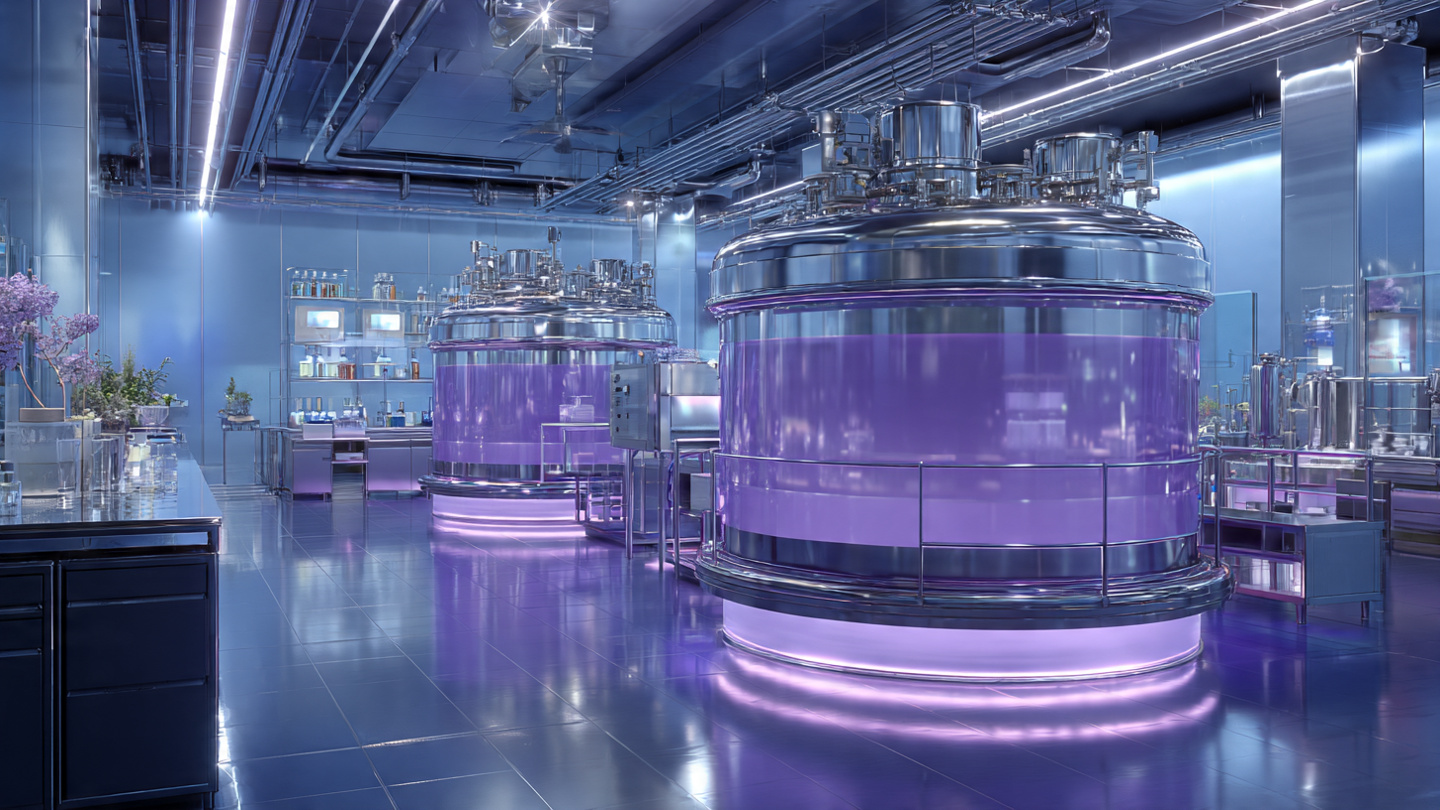
The cosmetics and personal care industry is a highly sophisticated sector operating at the intersection of colloidal chemistry, dermatology, regulatory science, and chemical process engineering. Achieving commercial success in this space demands a rigorous understanding of molecular interactions, phase stability, and strict compliance with global standards. Developing premium cosmetic formulations requires a thorough grasp of surfactant self-assembly, advanced rheology modification, active transport mechanisms, and manufacturing safety systems.
Table of Contents
- 1. Introduction to the Cosmetics Industry
- 2. Major Product Categories
- 3. Key Raw Materials in Cosmetics
- 4. Fundamentals of Cosmetic Formulation
- 5. Cosmetic Manufacturing Process
- 6. Packaging Technologies for Cosmetics
- 7. Cosmetic Regulatory Framework (CDSCO, FDA, EU)
- 8. Quality Control & Certifications
- 9. Global & Indian Market Trends
- 10. Private Label Cosmetic Manufacturing
- 11. Setting Up a Cosmetic Manufacturing Plant
- 12. Cosmetic Business Opportunities
- 13. Frequently Asked Questions (FAQ)
1. Introduction to the Cosmetics Industry
The cosmetics and personal care sector represents one of the most technically advanced and economically resilient segments of the global consumer chemical industry. Today, product development is no longer dominated solely by creative marketing, but by robust scientific evidence, ingredient biocompatibility, and advanced chemical delivery systems. As consumers increasingly demand transparency, clinical efficacy, and sustainable sourcing, technical excellence in chemical formulation has become the primary barrier to entry and the main engine of growth.
Chemically, cosmetics are defined as mixtures or substances intended to be placed in contact with external parts of the human body (epidermis, hair system, nails, lips, and external genital organs) or with the teeth and mucous membranes of the oral cavity. Their purpose is exclusively or mainly to clean them, perfume them, change their appearance, protect them, keep them in good condition, or correct body odors. Formulations that cross the line into curing or preventing metabolic diseases are classified differently as pharmaceutical drug products or quasi-drugs under strict global statutory codes.
The industrial landscape is divided into three key areas: decorative cosmetics, daily personal hygiene products, and cosmeceuticals—which leverage active ingredients such as peptides, retinoids, and botanical extracts to elicit localized biochemical responses. Across this spectrum, developers must manage challenging physical-chemical behaviors to ensure that multi-phase emulsions, gels, and lipid dispersions remain structurally stable, aesthetically pleasing, and microbiologically sterile throughout their shelf life.
2. Major Product Categories
Every category of personal care and cosmetic products is defined by distinct target physiology, mechanical stresses, and application conditions. Formulators select raw materials and processing equipment to meet the precise requirements of each cosmetic category. Designing these systems requires understanding their specific physical architecture, surfactant interactions, and target tissue physiology.
2.1 Skin Care Products
Skin care formulations focus on the maintenance and repair of the epidermal barrier, utilizing emulsions, serums, gels, and lipid solutions. The main physical challenge is managing thermodynamic stability, ensuring that droplets of oil dispersed in water (O/W) or water in oil (W/O) do not separate under high heat or low-temperature freeze-thaw cycles. Active delivery systems, skin penetration kinetics, and the skin's natural pH (typically 4.5–5.5) dictate the selection of emulsifiers, rheology modifiers, and skin-compatible emollients — our complete guide to skin care formulation covers actives, bases, and stability in depth.
2.2 Hair Care Products
Hair care products focus on cleansing the scalp and conditioning keratin fibers. Shampoos utilize anionic surfactants to lift oils, balanced with amphoteric surfactants to ensure scalp safety. Conditioners utilize cationic surfactants (such as behentrimonium chloride) and silicones (or natural ester alternatives) that physically adsorb onto the negatively charged keratin hair shaft, reducing static charge and improving manageability, as detailed in our guide to hair conditioner cationic surfactant chemistry.
2.3 Oral Care Products
Oral care products, including dentifrices and mouthwashes, represent a highly sensitive segment that interacts directly with mucous membranes and is subject to accidental ingestion. Formulations must balance controlled abrasive systems (silica or calcium carbonate) to remove plaque without damaging enamel, surfactants (typically sodium lauryl sarcosinate or sodium lauryl sulfate) for foaming, and humectants (sorbitol, glycerin) to prevent drying.
2.4 Bath & Body Care Products
Bath and body care products cover high-volume daily hygiene items such as liquid soaps, body washes, and traditional syndet bars. These formulations are designed to deliver efficient cleansing, high foam volume, and pleasing fragrances at an economical cost. Selecting mild surfactant systems, such as sodium cocoyl isethionate or alkyl polyglucosides, is critical to prevent epidermal lipid stripping and chronic skin dryness.
2.5 Specialized Segments
Specialized segments include men's grooming, high-protection baby care, color cosmetics, and deodorant/antiperspirant systems. Baby care products demand extremely mild, non-ionic surfactant bases and robust, hypoallergenic preservation — see our guide to baby product mildness standards and formulation safety. Color cosmetics (foundations, lipsticks, mascaras) focus on pigment dispersion, utilizing wetting agents to ensure uniform film deposition and long-wear properties.
3. Key Raw Materials in Cosmetics
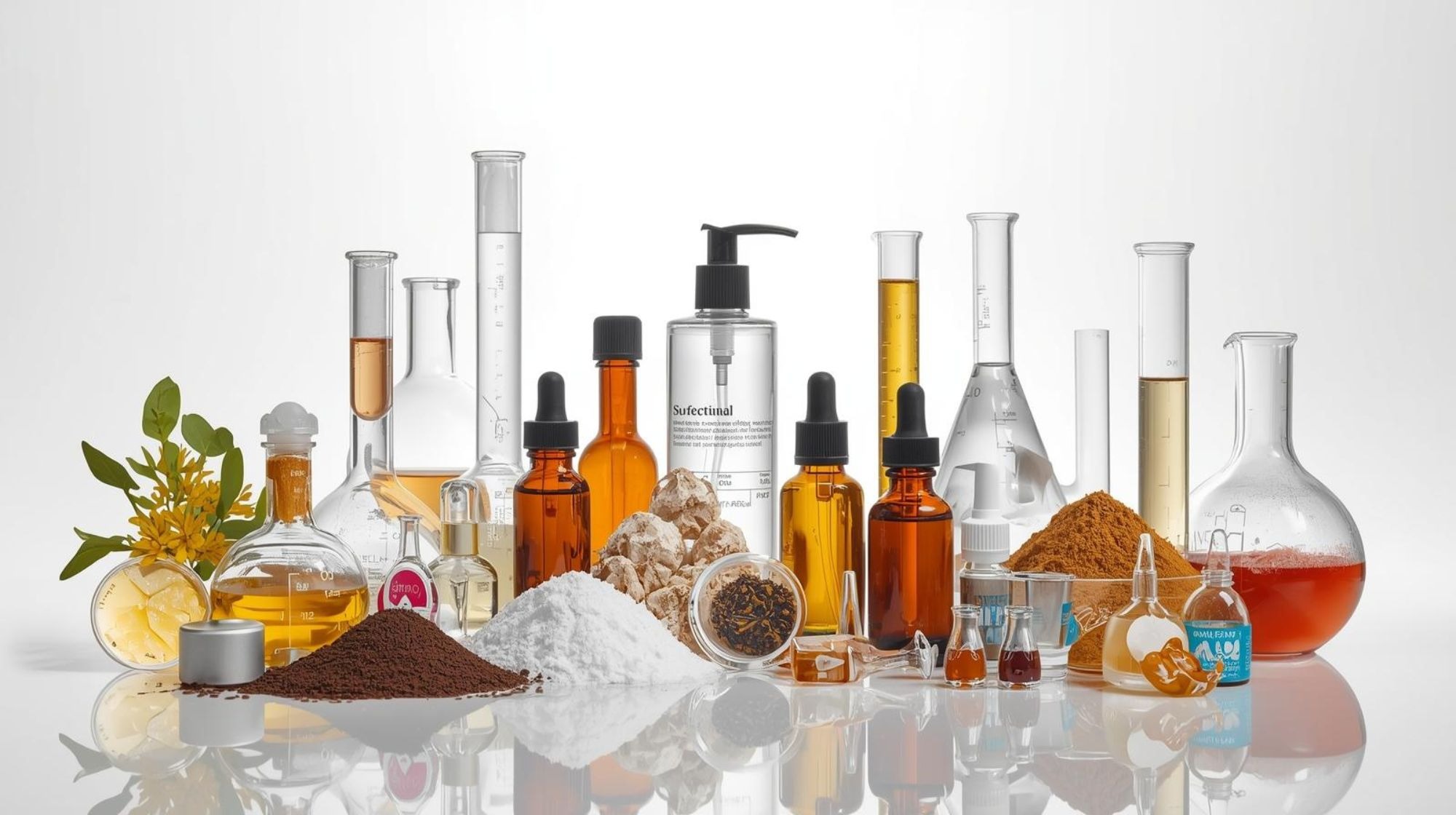
A commercial cosmetic product is a complex mixture containing multiple functional classes of ingredients. Each raw material must be carefully selected for compatibility, toxicological profile, and performance under varied environmental stresses. Formulators evaluate ingredients based on their molecular weight, ionic charge, chemical stability, and regulatory approval status in target markets.
3.1 Surfactants (Surface Active Agents)
Surfactants are amphiphilic molecules possessing both hydrophilic (water-loving) and lipophilic (oil-loving) groups. They are classified based on the ionic charge of their polar head group:
- Anionic Surfactants: Such as Sodium Laureth Sulfate (SLES) or Sodium Cocoyl Isethionate (SCI). They carry a negative charge and provide strong cleansing and rich lathering properties.
- Amphoteric Surfactants: Such as Cocamidopropyl Betaine (CAPB) or Sodium Cocoamphoacetate. Their charge varies with pH, providing excellent mildness and boosting foam stability.
- Non-ionic Surfactants: Such as Lauryl Glucoside or Decyl Glucoside. They carry no charge, are extremely mild, and operate independently of water hardness or ionic strength.
- Cationic Surfactants: Such as Cetrimonium Chloride. Carrying a positive charge, they adsorb onto keratin surfaces and are used as key conditioning agents.
3.2 Emollients & Occlusives
Emollients fill the microscopic gaps between desquamating skin cells, smoothing the skin, while occlusives form a hydrophobic barrier that prevents Transepidermal Water Loss (TEWL). Common categories include natural triglycerides (jojoba, sweet almond, argan oils), synthetic esters (isopropyl myristate, C12-15 alkyl benzoate) for light spreadability, and hydrocarbons (squalane, mineral oil) for heavy barrier protection.
3.3 Rheology Modifiers & Thickeners
Rheology modifiers control product flow, packaging dispensing, and suspension stability. Acrylic acid polymers (carbomers) provide high clarity and yield value to suspend exfoliating particles. Natural gums (xanthan gum, guar gum) and cellulose derivatives (hydroxyethylcellulose) build rich viscosity networks, while fatty alcohols (cetyl alcohol, stearyl alcohol) act as co-emulsifiers and bodying agents in cream emulsions.
3.4 Preservatives & Chelating Agents
Water-based formulations are highly susceptible to microbial contamination by bacteria, yeasts, and molds. Preservatives like phenoxyethanol, ethylhexylglycerin, or organic acids (benzoic acid, sorbic acid) disrupt microbial cell membranes to keep products sterile. Chelators, such as Disodium EDTA or Tetrasodium Glutamate Diacetate, bind metal ions, preventing them from destabilizing the preservative system or catalyzing oxidative reactions. Our analysis of preservative failure in aqueous cosmetic formulations walks through the most common root causes.
3.5 Actives & Functional Additives
Actives deliver targeted clinical benefits to the skin or hair. They include water-soluble vitamins (niacinamide, ascorbic acid), humectants (hyaluronic acid, glycerin), chemical exfoliants (salicylic acid, glycolic acid), and botanical extracts. Their stability is highly sensitive to pH, oxidation, and processing temperature — see our dedicated breakdowns of niacinamide stability and pH compatibility and hyaluronic acid molecular weight in serum formulation.
4. Fundamentals of Cosmetic Formulation
Cosmetic formulation is the engineering of stable multi-phase chemical systems designed to deliver performance and sensory satisfaction. Formulators rely on physical chemistry and colloid science to ensure that oil, water, and active particles do not separate over time. Successfully designing these systems requires precise calculation of molecular forces and continuous control of mechanical boundaries.
4.1 Surfactant Physics and Griffin's HLB Calculation
The stability of emulsions depends on selecting the correct emulsifying system. This selection is guided by Griffin's Hydrophilic-Lipophilic Balance (HLB) method for non-ionic surfactants. The HLB value is calculated using the molecular mass of the hydrophilic portion compared to the total molecular mass. Our dedicated guide to cosmetic emulsifier selection and HLB stability engineering covers the full selection workflow:
Where Mh is the molecular mass of the hydrophilic portion of the molecule, and M is the total molecular mass. HLB values range from 0 to 20. Low HLB values (3 to 6) indicate a lipophilic surfactant, used to stabilize Water-in-Oil (W/O) emulsions such as Sorbitan Monostearate, while high HLB values (12 to 16) indicate a hydrophilic surfactant, used to stabilize Oil-in-Water (O/W) emulsions and cleansing systems such as Polysorbate 80.
Surfactants operate by migrating to the oil-water interface, lowering the interfacial tension and forming a protective mechanical barrier around dispersed droplets. When surfactant concentrations exceed the Critical Micelle Concentration (CMC), they self-assemble into spherical aggregates, encapsulating hydrophobic materials within their cores to enable solubilization.
4.2 Emulsion Stability and Stokes' Law
Liquid-liquid dispersions are thermodynamically unstable systems that naturally tend to separate. The rate of gravity-driven separation, or creaming velocity, is governed by Stokes' Law. Our breakdown of emulsion separation mechanisms covers creaming, sedimentation, and coalescence in more depth:
Where:
- v is the creaming or sedimentation velocity.
- g is the acceleration due to gravity.
- r is the radius of the dispersed droplet.
- ρp is the density of the dispersed phase.
- ρf is the density of the continuous phase.
- η is the dynamic viscosity of the continuous phase.
To minimize separation and achieve long-term physical stability, formulators use two primary physical-chemical strategies:
- Droplet Size Reduction (r): Utilizing high-shear homogenizers to reduce the droplet radius ($r$) to the sub-micron scale (100–500 nm). Because droplet radius is squared in the equation, reducing size exponentially slows down separation.
- Viscosity Modification (η): Adding polymeric thickeners (such as carbomers, xanthan gum, or cetearyl alcohol) to the continuous phase to dramatically increase its viscosity ($\eta$), slowing down droplet movement and preventing coalescence.
4.3 Stability testing
To validate shelf life, cosmetic formulations undergo accelerated stability testing. This includes storing batches at elevated temperatures (37°C, 45°C, and 50°C) for 1 to 3 months, freeze-thaw cycling (-10°C to +40°C), and high-speed centrifugation (3000 RPM for 30 minutes) to check for separation, syneresis, or chemical degradation.
5. Cosmetic Manufacturing Process
Scaling up a cosmetic formula from a lab beaker to a 5,000-liter production batch requires careful engineering controls. The order of addition, heating and cooling rates, and mechanical shear profiles must be strictly managed to prevent physical separation, phase inversion, or active ingredient degradation. Processing must comply with strict sanitization protocols to ensure batch sterility.
5.1 Raw Material Handling and Water Treatment
Since water makes up 60% to 90% of many cosmetic formulations, a high-purity water treatment system is critical. Plants utilize multi-stage Reverse Osmosis (RO) and Deionization (DI) systems to produce purified water with microbial counts below 100 CFU/mL and electrical conductivity under 1.3 μS/cm. Divalent metal ions must be completely removed to prevent them from breaking emulsions or causing rancidity.
5.2 Mixing and Emulsification Sequence
Making a high-quality cream emulsion typically involves a precise temperature and mixing sequence:
- Phase Preparation: The water phase (containing water, humectants, and water-soluble polymers) and the oil phase (containing oils, waxes, and oil-soluble emulsifiers) are heated separately in separate vessels to 75°C–80°C.
- Emulsification: The two phases are combined under high-shear mixing (typically utilizing a rotor-stator homogenizer running at 3000–5000 RPM) to create a uniform, fine dispersion.
- Cooling & Rheology Development: The batch is slowly cooled under low-shear paddle mixing. Polymeric thickeners hydrate and structure the continuous phase as the temperature drops.
- Cooldown Phase (Actives Addition): Once the batch drops below 40°C, heat-sensitive actives, preservatives, and volatile fragrances are added to prevent thermal decomposition.
5.3 Bulk Handling and Filling
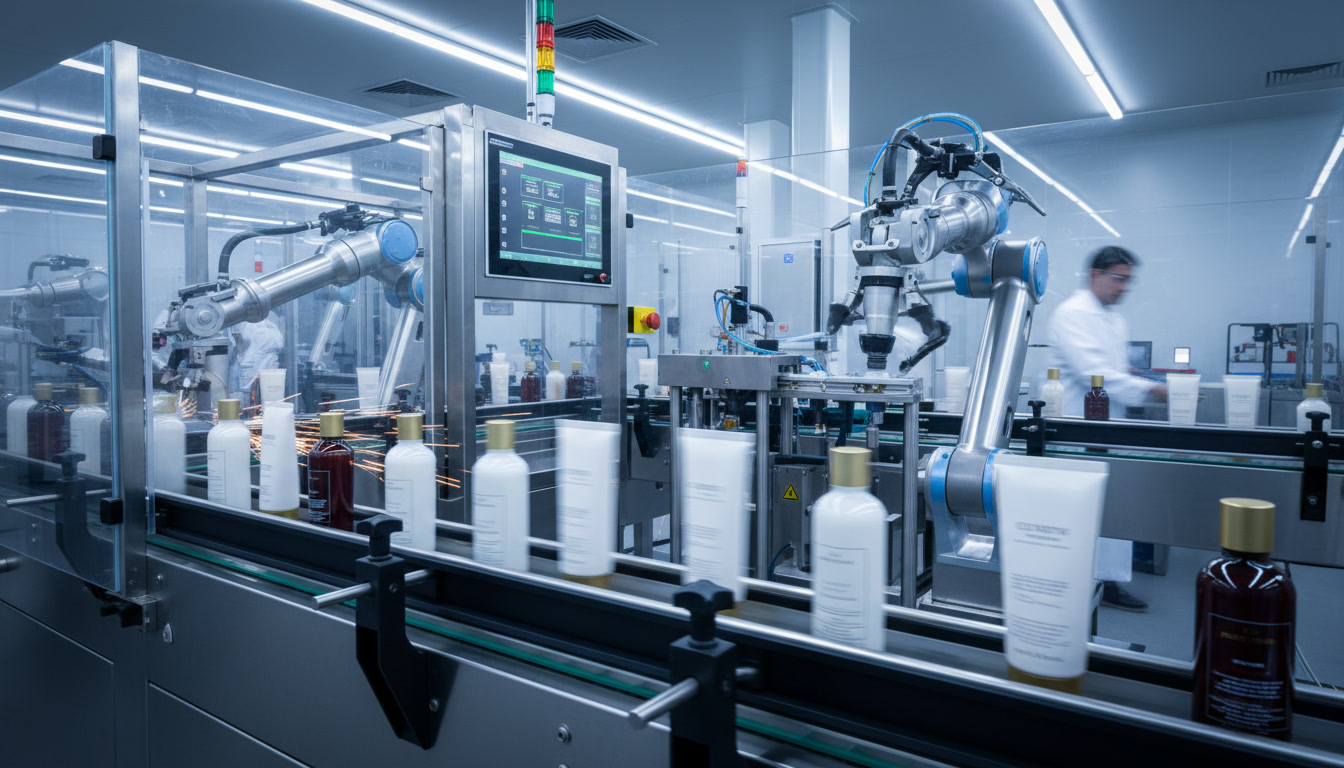
The finished batch is pumped to stainless steel holding tanks for quality control testing. Once approved, the bulk product is transferred to automated filling lines, where volumetric piston fillers dispense the product into bottles, jars, or tubes, followed by induction sealing and capping.
6. Packaging Technologies for Cosmetics
Cosmetic packaging must protect the product from light, oxygen, and microbial contamination while remaining commercially practical and visually appealing. The packaging material must be chemically inert to prevent leaching or chemical migration into the formula. Today, sustainability and reducing environmental impact are driving packaging innovation globally.
6.1 Packaging Materials Compatibility
Common packaging plastics include High-Density Polyethylene (HDPE) for squeeze bottles, Polyethylene Terephthalate (PET) for clear bottles, and Polypropylene (PP) for jars and caps. Glass remains the standard for premium serums and perfumes due to its zero gas permeability and chemical inertness. Formulators run high-temperature migration testing to ensure that oils, active solvents, or fragrances do not degrade the packaging material.
6.2 Dispensing and Airless Systems
Oxygen can degrade active ingredients like retinol and vitamin C through oxidation. Airless pump bottles utilize a sliding piston system that dispenses product without introducing air, protecting sensitive actives and allowing formulators to use lower preservative concentrations. Fine-mist sprayers and aerosol valves are used for hairsprays and sunscreen mists.
6.3 Eco-Friendly Packaging and Circularity
The industry is shifting toward sustainable packaging models. This includes using Post-Consumer Recycled (PCR) plastics, mono-material designs that simplify recycling, refillable glass containers, and biodegradable bio-plastics. Reducing secondary packaging and cardboards is also a key corporate environmental goal.
7. Cosmetic Regulatory Framework (CDSCO, FDA, EU)
Cosmetic manufacturing operates under strict regulatory oversight globally. Regulatory compliance is critical; non-compliant labeling, unapproved colorants, or undeclared allergens can lead to product recalls, customs seizures, and legal penalties. Understanding the regulatory landscape in target markets is essential for global distribution.
Authoritative Regulatory Databases
For formal compliance filings and current banned ingredient schedules, consult the official portals for the three jurisdictions covered below:
7.1 India CDSCO and Bureau of Indian Standards (BIS)
In India, cosmetics are regulated under the Drugs and Cosmetics Act, 1940 & Rules, 1945 (and the newer Cosmetics Rules, 2020), managed by the Central Drugs Standard Control Organization (CDSCO). Manufacturing facilities must obtain a cosmetic manufacturing license from the State Licensing Authority. Specific product categories must comply with Bureau of Indian Standards (BIS) parameters, including IS 6608 for skin creams and IS 7884 for shampoos. Labeling must clearly state ingredients (using INCI nomenclature), manufacturer details, batch code, license numbers, and shelf life.
7.2 United States FDA and MoCRA Compliance
In the US, cosmetics are regulated under the Federal Food, Drug, and Cosmetic Act. The regulatory landscape has shifted with the implementation of the Modernization of Cosmetics Regulation Act of 2022 (MoCRA). MoCRA introduces mandatory facility registration, product listing with the FDA, safety substantiation, adverse event reporting, and standardized allergen labeling.
7.3 European Union (EC) No 1223/2009
The EU maintains some of the strictest cosmetic rules globally under Regulation (EC) No 1223/2009. Every cosmetic product launched in the EU must have a designated Responsible Person and a detailed Cosmetic Product Safety Report (CPSR) compiled by a qualified toxicologist. Animal testing for cosmetic ingredients is completely banned in the EU.
8. Quality Control & Certifications
Quality assurance systems ensure that every production batch is safe, uniform, and compliant with target specifications. Operating under Good Manufacturing Practices (GMP) is essential for export readiness and regulatory approval. Continuous testing throughout the production process ensures quality and builds consumer trust.
8.1 Microbiological Quality Control
Every batch must pass strict microbiological limits before release. For skin creams and products intended for babies or the eye area, the total aerobic microbial count must be below 100 CFU/g. For general products, the limit is under 1000 CFU/g. The formulation must be completely free of specified pathogens, including Pseudomonas aeruginosa, Staphylococcus aureus, and Candida albicans.
8.2 Physical-Chemical Assays
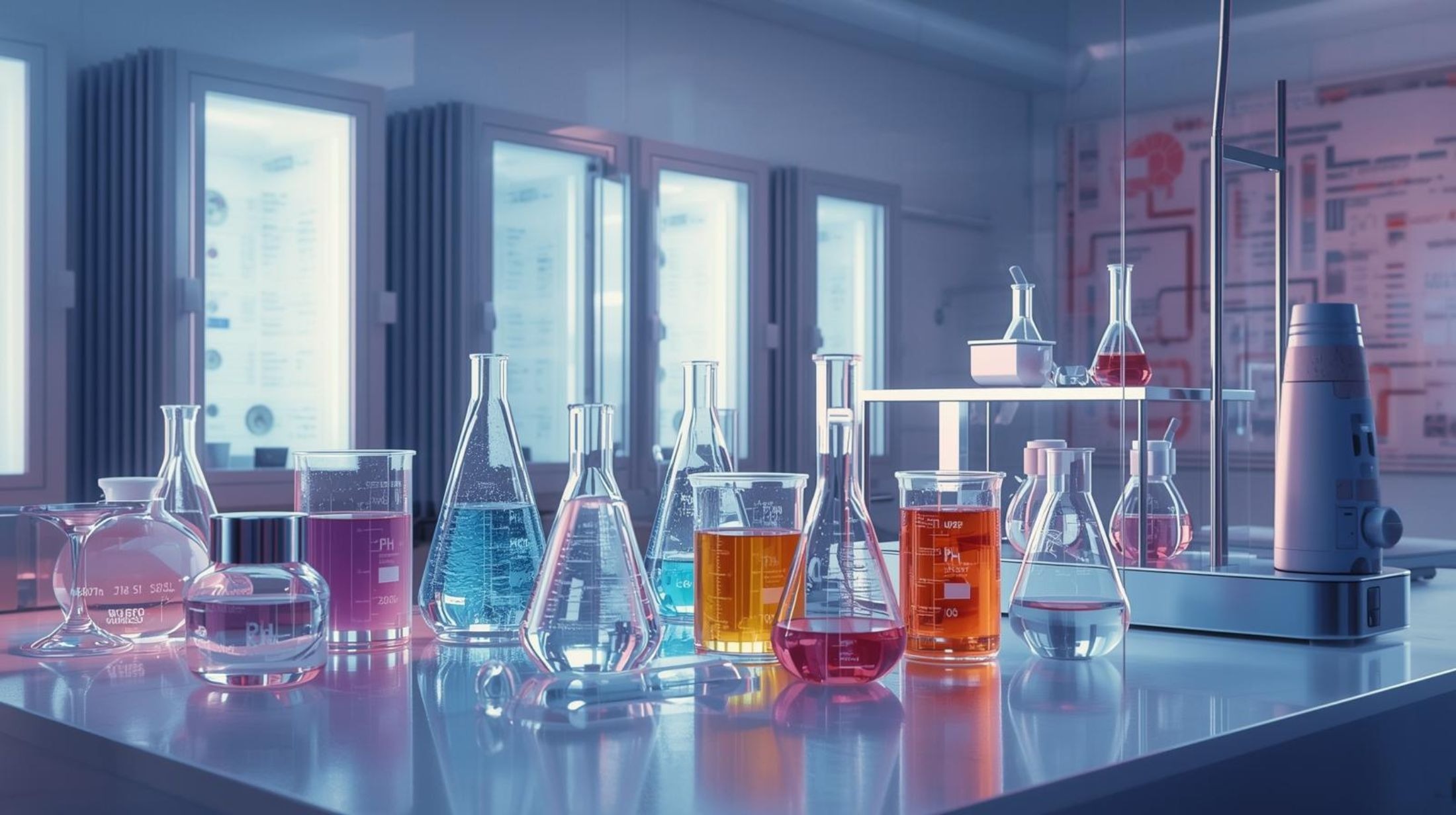
The quality control laboratory performs several critical assays on each batch:
- pH Testing: Checked using calibrated pH meters to ensure the batch falls within skin-compatible limits.
- Viscosity Measurement: Tested using Brookfield viscometers to confirm the product's flow characteristics and thickness.
- Specific Gravity: Confirms batch density and correct aeration levels.
- Active Assay: High-Performance Liquid Chromatography (HPLC) is used to verify active ingredient concentrations.
8.3 Key Certifications
Manufacturing facilities seek international certifications to expand export opportunities. Key standards include ISO 22716 (Cosmetics GMP), ISO 9001 (Quality Management), and specialty certifications like Halal, Vegan, and Organic (COSMOS standard).
9. Global & Indian Market Trends
The global cosmetic and personal care market is evolving rapidly, driven by shifting consumer preferences and new scientific innovations. Traditional retail-driven models are being replaced by digital-first brands, clinical transparency, and personalized products. Formulators must adapt to these trends to remain competitive in a dynamic marketplace.
Key trends include:
- Clean Beauty & Biotech Actives: Shift toward formulations that exclude controversial ingredients like parabens, sulfates, and cyclic silicones. Biotech actives produced via fermentation or plant stem cell cultures are increasingly popular.
- Personalized Skin Care: Utilizing AI diagnostics and genetic testing to formulate custom skin care regimens tailored to individual skin needs.
- Waterless & Solid Formats: Concentrated solid bars, powders, and anhydrous balms that reduce shipping weight, eliminate plastic packaging, and require fewer preservatives.
- India's Cosmetic Growth: Rising disposable incomes, expanding e-commerce networks, and high demand for Ayurvedic and natural formulations are driving growth in both mass and premium segments in India.
10. Private Label Cosmetic Manufacturing
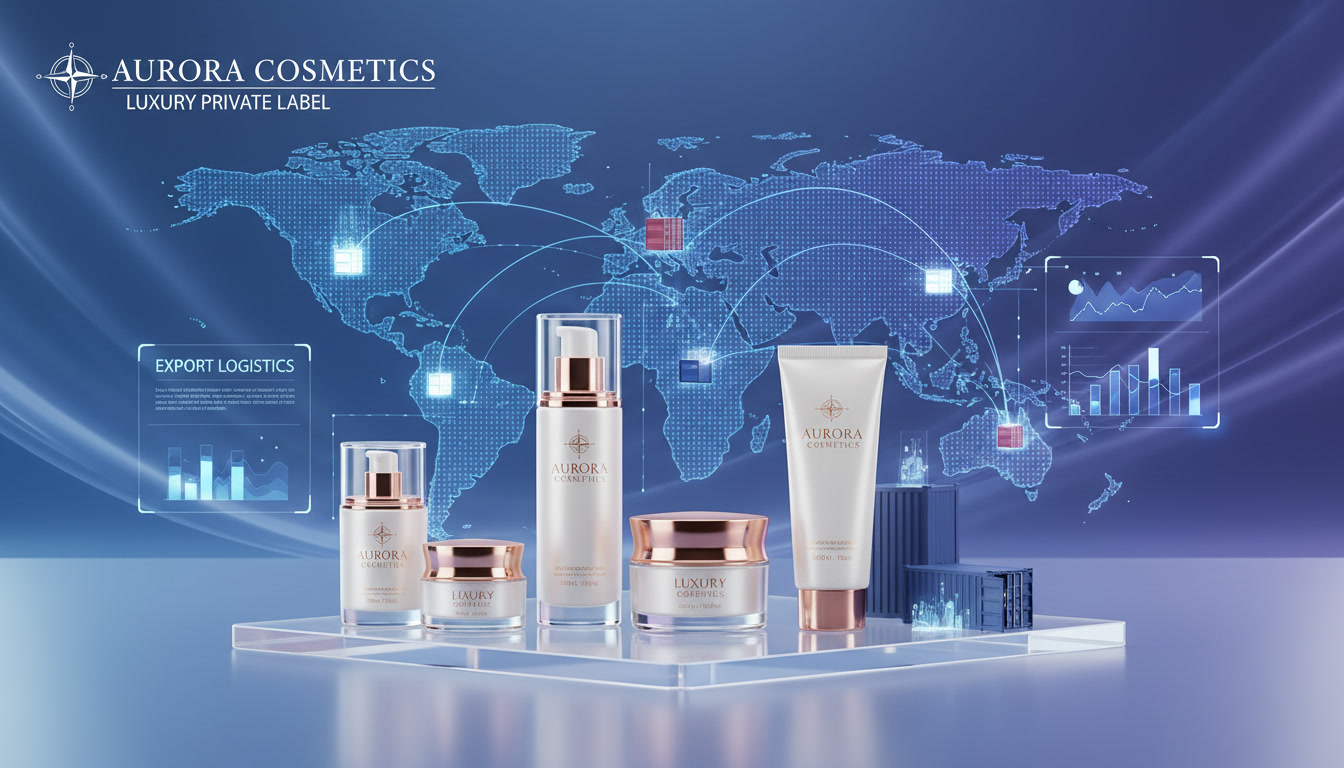
Private label and contract manufacturing models allow brands to develop and launch cosmetic products without investing millions in physical factories. This model gives brands access to professional R&D teams, certified GMP facilities, and established supply chains. Partnering with a contract manufacturer accelerates time-to-market and reduces capital risk.
10.1 Operational Scope
Contract manufacturers offer different service models:
- Private Label: The brand selects from the manufacturer's library of pre-formulated, tested products and applies their custom branding.
- Contract Manufacturing (OEM): The manufacturer develops custom formulations specifically for the brand, utilizing custom ingredients and packaging.
- Turnkey Solutions: The manufacturer manages everything, including formulation development, sourcing packaging, CDSCO registration, bulk production, and final labeling.
10.2 Advantages & Commercial Terms
Working with contract manufacturers allows brands to focus their resources on marketing and sales. Standard contract terms include Minimum Order Quantities (MOQs)—typically 5,000 to 10,000 units per SKU—along with 30–90 day lead times and clear agreements regarding intellectual property ownership.
11. Setting Up a Cosmetic Manufacturing Plant
Designing a cosmetic manufacturing facility requires careful planning to ensure efficient material flow, prevent cross-contamination, and comply with state and national licensing standards. Plant layouts must separate clean processing areas from raw material storage and downstream packaging zones. Choosing the right machinery is critical to ensure batch consistency and product quality.
11.1 Infrastructure and Zoning
GMP guidelines require strict zoning within the facility. Processing areas where open bulk is handled must have controlled HVAC ventilation and smooth, easy-to-clean epoxy flooring. Standard plant layouts include segregated rooms for raw material warehousing, water purification, batch processing, packaging, and quality control.
11.2 Core Manufacturing Machinery
A typical cosmetic plant requires specialized equipment:
- Vessels: SS 316L stainless steel jacketed vessels with contra-rotating agitators and high-shear bottom homogenizers.
- Homogenizers: High-speed inline or batch homogenizers capable of reducing droplet size to the sub-micron scale.
- Water Plant: Multi-stage RO/DI water purification systems.
- Filling Lines: Semi-automated or fully automated piston filling, tube sealing, and labeling machinery.
11.3 Plant Licensing Requirements
To operate legally, a plant must obtain a cosmetic manufacturing license from the State Licensing Authority (CDSCO in India), a factory license, local pollution control board (PCB) clearances, fire safety NOCs, and GST tax registrations.
12. Cosmetic Business Opportunities
The personal care market offers excellent opportunities for startups, established brands, and contract manufacturers. Success depends on identifying high-growth niches, developing unique formulations, and implementing efficient supply chain strategies. Brand owners can leverage digital marketing and contract manufacturing to scale rapidly with low initial capital.
High-potential business models include:
- Niche Brands: Developing targeted skincare or hair care lines for specific concerns, such as anti-aging, sensitive skin, or natural curls.
- Contract R&D Services: Providing independent laboratory testing, formulation design, and regulatory compliance services to brands.
- Ayurvedic & Herbal Exporters: Formulating premium natural products for international markets where "organic" and "wellness" products command high premiums.
Frequently Asked Questions (FAQ)
1. What is the difference between cosmetics and personal care products?
Cosmetics are primarily designed to enhance or alter appearance, such as makeup, eye shadow, and lipsticks. Personal care products focus on hygiene, protection, and daily maintenance, including shampoos, body washes, toothpastes, and deodorants.
2. Which ingredients are most commonly used in cosmetics?
Formulations typically contain surfactants for cleansing, emollients for softening the skin, thickeners for flow control, preservatives to prevent microbial growth, humectants to retain moisture, and active ingredients like vitamins or botanical extracts that deliver clinical benefits.
3. Is cosmetic manufacturing profitable in India?
Yes. With strong domestic demand, rising interest in premium segments, and efficient contract manufacturing networks, cosmetic operations in India can achieve highly attractive profit margins, especially in value-added cosmeceuticals and specialty skincare.
4. What licenses are required to manufacture cosmetics in India?
Manufacturers need a cosmetic manufacturing license from the State Licensing Authority (under the CDSCO guidelines), a factory license, local pollution control board clearances, fire safety approvals, and standard tax registrations such as GST.
5. What is private label cosmetic manufacturing?
Private label manufacturing is a model where a brand selects an established, pre-tested formulation from a contract manufacturer's library and sells it under their own brand name. This allows rapid market entry without R&D costs or manufacturing facility investments.
6. How long does cosmetic stability testing take before a product can be sold?
Accelerated stability testing typically runs for 1 to 3 months, storing sample batches at elevated temperatures (37°C, 45°C, and 50°C) alongside freeze-thaw cycling between -10°C and +40°C and high-speed centrifugation to detect separation, syneresis, or chemical degradation. Elevated temperature storage is used because it speeds up the same degradation reactions that would otherwise take much longer to appear at room temperature. Formulators typically won't finalize a shelf-life claim or move to commercial launch until a batch has cleared both this accelerated protocol and a parallel real-time stability study at normal storage temperature.
Conclusion
Developing premium cosmetics and personal care products is a scientific process requiring thorough knowledge of interface chemistry, physical stability, and global regulatory standards. By optimizing surfactant systems, understanding emulsion physics (Stokes' Law and Griffin's HLB method), and implementing strict GMP protocols, manufacturers can deliver safe, effective, and commercially successful products.
The future of the cosmetics industry belongs to brands and manufacturers that prioritize scientific integrity, eco-friendly packaging, and compliance with modern regulations.
Need Technical Formulation Services?
Get professionally audited, commercially proven formulations, raw material audits, and process engineering plant setup support from Specialist Consultant Absar Khan.
Email: consulting@globalformulation.com
Phone: +91 9819548320 +91 8169102990
About the Specialist
Absar Khan is the principal consultant and chemical formulation architect at Global Formulation. He specializes in the design, optimization, and scaling of cosmetics and personal care products, household detergents, industrial degreasers, and aerosol gas-dosing systems. Absar provides turnkey chemical engineering services, hands-on factory plant setups, raw material cost audits, and quality control designs for leading brands globally.
LinkedIn Portfolio: Connect with Absar Khan on LinkedIn