How to Start a Cleaning Products Manufacturing Unit
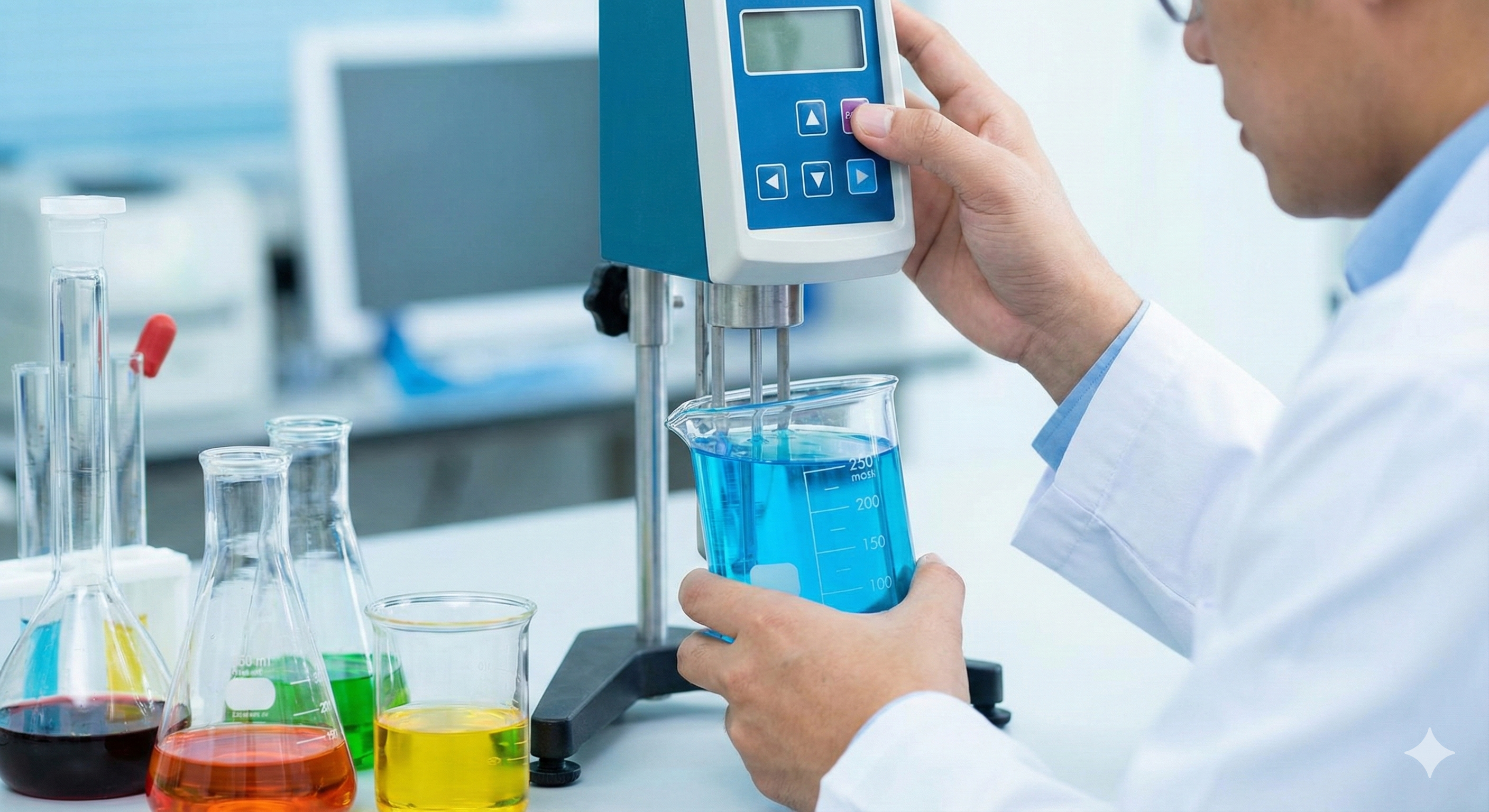
Launching a cleaning products manufacturing business is an industrial venture that demands a rigorous synthesis of chemical formulation science, mechanical process engineering, and stringent regulatory compliance. While the consumer market offers high volume margins, success is fundamentally built in the laboratory and the mixing vessel rather than simple branding. Moving from pilot-scale test batches to full commercial output requires deep engineering discipline, precise physical chemistry calculations, and a standardized plant layout to ensure safety, consistency, and chemical stability.
Table of Contents
- 1. Introduction: The Science and Business of Cleaning
- 2. Strategic Market Research and Product Definition
- 3. Formulation Development: The Core Intellectual Property
- 4. Regulatory Compliance and Licensing Landscape
- 5. Designing the Manufacturing Facility and Machinery
- 6. Raw Material Sourcing and Supply Chain Management
- 7. Quality Control (QC) and Quality Assurance (QA) Protocols
- 8. Recommended Resources and Further Reading
- 9. Frequently Asked Questions (FAQ)
1. Introduction: The Science and Business of Cleaning
The global cleaning products market has transitioned from a straightforward, brand-driven consumer goods segment into a highly sophisticated, scientifically regulated industry valued at hundreds of billions of dollars. Modern manufacturing demands that entrepreneurs move past "bucket chemistry" recipes to adopt professional, industrially scalable processes that leverage physical chemistry and mechanical engineering. Achieving success in this landscape requires a meticulous understanding of interfacial tension, surfactant thermodynamic properties, high-shear mixing dynamics, and rigorous quality assurance protocols to guarantee that every batch performs safely, remains physically stable over time, and complies with regional environmental laws.
For the technical startup, establishing a cleaning chemical manufacturing unit requires deep planning across multiple chemical and engineering domains. The transition of active chemical ingredients from raw powder and liquid forms into a homogenous, stable emulsion or solution is dictated by thermodynamics and mixing kinetics. Proper equipment metallurgy, such as high-grade stainless steel reactors, precise water purification plants, and automatic filling systems, must be correctly specified to avoid formulation degradation, rust contamination, and environmental discharge. This technical guide serves as an engineering blueprint to help new manufacturers scale their chemical operations from lab bench to industrial-scale production.
2. Strategic Market Research and Product Definition
Before investing capital in manufacturing vessels or leasing an industrial facility, chemical entrepreneurs must execute granular market research to identify specific product niches and calculate manufacturing economics. The domestic and industrial cleaning chemical sectors are broadly split between high-volume, low-margin commodity detergents and low-volume, high-margin specialty chemicals. Attempting to manufacture a wide, unfocused range of cleaning products frequently results in operational failure due to cross-contamination, mismatched mixing equipment, and excessive raw material inventory costs.
Identifying Your Niche: Commodity vs. Specialty Cleaners
Chemical manufacturers must choose between two distinct business and formulation strategies: mass commodity scale or high-value specialty targeting. Commodity formulations—such as standard domestic dishwashing liquids, glass cleaners, and hand soaps—typically operate with standard active matter concentrations, demanding massive batch capacities, low raw material costs, and automated high-speed packaging lines to remain profitable. Conversely, specialty cleaners—such as enzymatically active drain openers, vehicle traffic film removers, hospital-grade quaternary ammonium disinfectants, and heavy industrial degreasers—require highly complex chemical profiles, specific raw materials, and precise quality control, yielding far higher profit margins at lower volume throughputs.
| Category | Typical Formulation Active Matter | Equipment/Process Profile | Business Model Focus |
|---|---|---|---|
| Commodity Products Dishwash liquids, laundry detergents, floor cleaners | 8% to 15% Anionic/Non-ionic Surfactant Active Matter | Large volume (5KL–10KL) low-shear blending, high-speed rotary packaging lines | High throughput efficiency, supply chain scale, price-per-liter competitiveness |
| Specialty Cleaners Enzymatic systems, vehicle degreasers, hospital sanitizers | 20% to 45% Specialty Surfactants, Solvents, Actives, and Biocides | Small to medium batches (1KL–3KL), strict pH monitoring, nitrogen blanketing for enzymes | Specific performance claims, low price sensitivity, specialized technical margins |
3. Formulation Development: The Core Intellectual Property
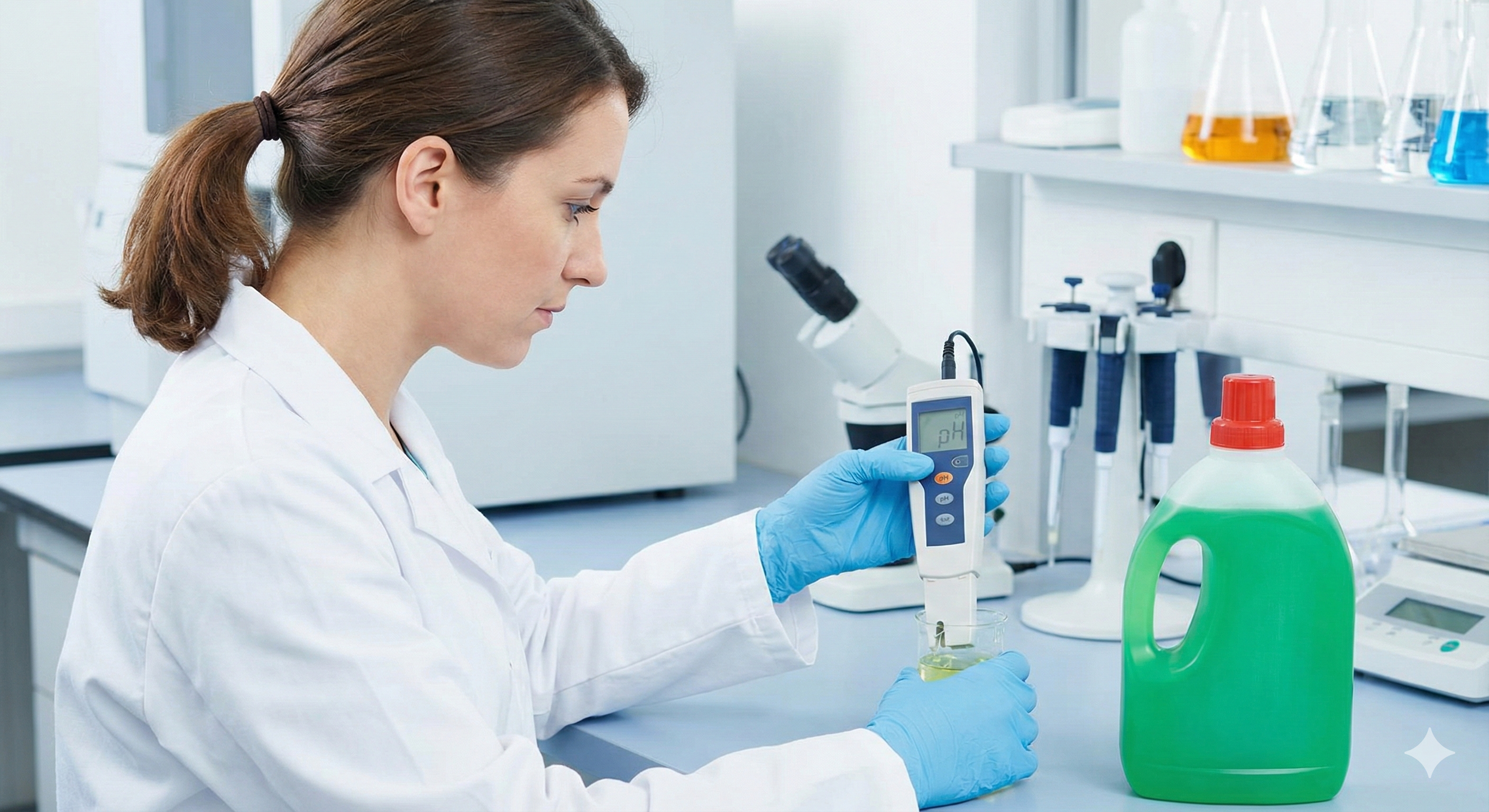
A commercially viable cleaning formulation is far more than a simple sequence of mixing instructions; it represents valuable chemical intellectual property engineered to deliver high performance, physical stability, safety, and cost efficiency. Brands without in-house chemistry capability should review our guide on choosing the right product development consultant before commissioning this work. The physical chemistry of cleaning relies on surface science—specifically the interaction of surfactants, builders, chelants, and rheology modifiers at the interface between the substrate and the soil. Developing these systems demands a rigorous understanding of surfactant thermodynamics, active matter optimization, and physical degradation pathways to ensure the product remains physically stable throughout its targeted shelf life.
Understanding Surfactant Thermodynamics & Micellar Kinetics
Surfactants (surface-active agents) are amphiphilic molecules possessing both a hydrophilic (water-loving) polar head and a hydrophobic (water-fearing) non-polar hydrocarbon tail. In dilute aqueous solutions, surfactants exist as individual monomers; however, as their concentration increases, they reach a critical thermodynamic threshold known as the Critical Micelle Concentration (CMC). At and above the CMC, surfactant monomers spontaneously self-assemble into highly organized spherical structures called micelles, positioning their hydrophobic tails inward to form a non-polar core while orienting their hydrophilic heads outward toward the continuous aqueous phase.
The cleaning process occurs when hydrophobic soils, oils, and greases are solubilized and encapsulated within the non-polar interior of these micelles. To achieve outstanding detergency, formulation chemists balance the Hydrophilic-Lipophilic Balance (HLB) of the surfactant system, matching the HLB to the specific surface tension of the target soil (typically utilizing an HLB of 8 to 16 for oil-in-water detergency). Furthermore, industrial formulations leverage mixed micelle synergies by blending anionic surfactants (such as Sodium Lauryl Ether Sulfate [SLES] and Linear Alkylbenzene Sulfonic Acid [LABSA]) with non-ionic or amphoteric co-surfactants (such as Lauryl Alcohol Ethoxylates or Cocamidopropyl Betaine [CAPB]). This synergistic blending lowers the overall CMC of the mixed surfactant system, dramatically enhancing cleaning power and emulsification efficiency while minimizing raw material costs.
Builder and Chelant Chemistry: Sequestration Kinetics
Builders and chelating agents are vital components that support surfactant performance by sequestering hardness ions—specifically Calcium (Ca2+) and Magnesium (Mg2+)—present in municipal and industrial wash water. If left unchelated, these multivalent metal cations bind to anionic surfactants, forming insoluble calcium salts (soap scum) that precipitate out of solution, rendering the surfactants useless. In the past, Sodium Tripolyphosphate (STPP) served as the industry standard builder due to its exceptional sequestration constant, but environmental regulations have restricted its use globally due to the eutrophication of aquatic ecosystems caused by high phosphate discharge.
Modern cleaning formulations utilize advanced chelants to replace phosphates, balancing metal binding kinetics with biodegradability profiles. While Ethylenediaminetetraacetic Acid (EDTA) is a strong hexadentate chelating agent, it is highly persistent in the environment and resistant to natural biodegradation pathways. To address this, high-performance, eco-friendly formulations utilize L-Glutamic acid N,N-diacetic acid (GLDA) or Tetrasodium Iminodisuccinate (IDS). These bio-based, amino acid-derived chelants exhibit high stability constants for calcium and magnesium ions across a broad pH range, ensuring maximum surfactant efficiency and preventing mineral scale redeposition without accumulating in the environment.
| Chemical Component | Primary Industrial Function | Technical Selection & Synergies |
|---|---|---|
| Anionic Surfactants LABSA (90%), SLES (70%) | Primary detergency, rapid foam generation, soil suspension | Must be neutralized with sodium hydroxide or triethanolamine (TEA) to pH 7.0–8.5. Synergizes with non-ionics to lower CMC. |
| Non-ionic & Amphoteric Surfactants C12-15 Ethoxylates (9EO), CAPB | Grease emulsification, foam stabilization, skin mildness | Insensitive to water hardness. CAPB acts as an amphoteric hydrotrope, boosting viscosity and stabilizing dense foam structures. |
| Chelating Agents Tetrasodium GLDA, Tetrasodium EDTA | Water softening, calcium/magnesium ion sequestration | GLDA is preferred for bio-based, phosphate-free compliance. High thermal stability and excellent binding kinetics in alkaline systems. |
| Rheology Modifiers Carbomers, Xanthan Gum, NaCl electrolyte | Viscosity adjustment, yield value development, particle suspension | Salt-thickening works for SLES/CAPB complexes. Polymeric thickeners are required for acid toilet cleaners or to suspend abrasive particulates. |
Rigorous Stability Testing and Performance Validation
Prior to scale-up and commercial release, every cleaning chemical formulation must undergo structured laboratory validation protocols to prevent product failure in the supply chain. Standard testing requires placing representative samples in stability ovens maintained at 45°C and 54°C for 30 consecutive days, simulating up to a full year of shelf storage under ambient conditions. QC chemists monitor these samples weekly for physical degradation pathways, including phase separation, emulsion cracking, syneresis, precipitation of active solids, discoloration, and shifts in active pH.
In addition, formulations must survive 3 to 5 freeze-thaw cycles (alternating between -10°C and 40°C over 48-hour periods) to guarantee that the emulsion or solution can recover its uniform micellar state without separation after freezing during transport. Performance testing is carried out using standardized test methods—such as ASTM D4009 for foam stability or ASTM D4488 for hard surface detergency—measuring the percentage of soil removal against established benchmark formulations. Adjusting the product's yield stress using cross-linked polyacrylic acids (Carbomers) or natural polysaccharides (Xanthan Gum) ensures that high-viscosity gels or scouring creams maintain uniform suspension of active abrasives or enzymes without phase splitting.
4. Regulatory Compliance and Licensing Landscape
Operating a chemical manufacturing unit demands absolute adherence to global and regional regulatory frameworks governing chemical safety, environmental emissions, worker protection, and consumer labeling. Because cleaning products contain concentrated acids, alkalis, reactive surfactants, and biocidal actives, facilities must be legally certified and engineered to manage environmental run-off and toxic chemical exposures. Navigating these regulatory pathways is a critical step during the factory planning phase, as a failure to secure permits can result in immediate shutdown, massive fines, and severe legal liabilities.
Critical Industrial Licensing and Environmental Clearances
The regulatory framework for setting up a chemical blending plant requires formal licensing from municipal, state, and national bodies. In regions such as India, the compliance sequence starts with Udyam (MSME) registration, followed immediately by submitting detailed engineering plans to the state Pollution Control Board to secure the mandatory Consent to Establish (CTE) before starting any factory construction. Once the plant is built and before any commercial blending begins, the manufacturer must secure the Consent to Operate (CTO), which is granted only after inspectors verify that the factory integrates proper air scrubbers, secondary containment bunds, and an active Effluent Treatment Plant (ETP).
Beyond environmental permits, manufacturers must acquire a Legal Metrology Certificate from the department of consumer affairs to certify the accuracy of all filling equipment and net weight declarations. To protect commercial intellectual property, manufacturers should register trademarks for their brand names and product designs early in the process. For formulations that contain hazardous ingredients or are sold into industrial markets, chemical safety regulations mandate the authoring of 16-section Safety Data Sheets (SDS) and hazard labels compliant with the Globally Harmonized System (GHS) of Classification and Labelling of Chemicals — see our companion guide to MSDS, TDS, and COA documentation for the full document set buyers will expect.
GHS Safety Data Sheet (SDS) Requirements
Every cleaning chemical manufacturer must author and maintain a GHS-compliant 16-section SDS for each product manufactured. This document must clearly state the product's chemical identification, hazards identification (pictograms like corrosive or toxic), composition of ingredients, first-aid measures, firefighting protocols, accidental release measures, safe handling and storage, exposure controls, physical/chemical properties, stability/reactivity, toxicological profiles, ecological impact, disposal considerations, transport classifications, and regulatory listings.
5. Designing the Manufacturing Facility and Machinery
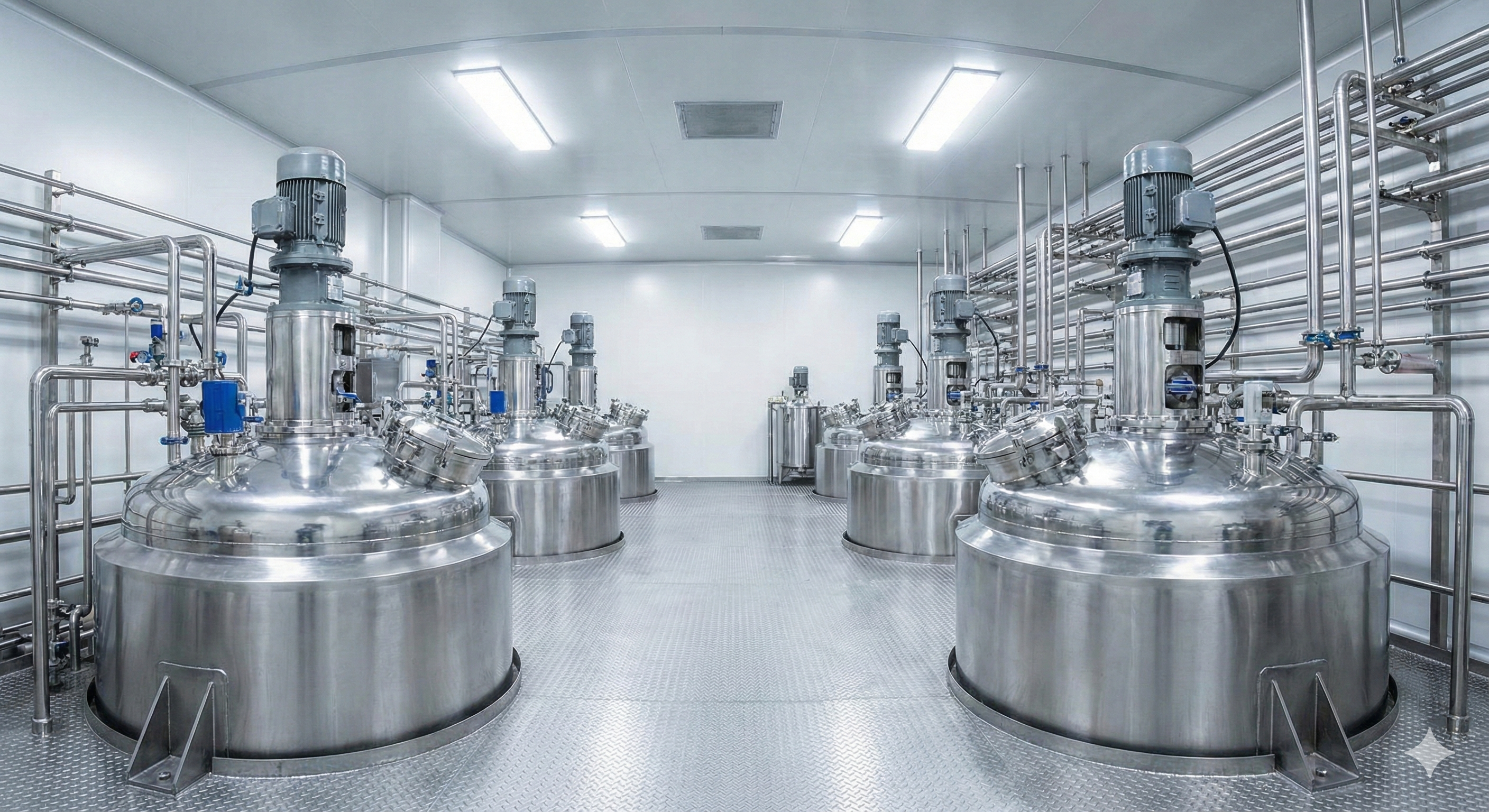
The physical layout and mechanical design of a chemical blending plant are critical factors that directly govern operational throughput, worker safety, and cross-contamination control. Scaling up a formulation from a 1-liter laboratory beaker to a 10,000-liter industrial batch reactor is a complex process engineering task that requires precise calculations of mixing dynamics, fluid shear, and heat transfer. The facility layout must follow a strict unidirectional flow pattern, starting from raw material receiving and moving through storage, mixing, packaging, and finished goods warehousing without intersecting pathways.
Reactor Metallurgy & Material Compatibility
Selecting the correct metallurgy for mixing reactors and process piping is essential to prevent chemical corrosion and batch contamination. Alkaline formulations (like standard laundry detergents, floor cleaners, and liquid hand washes with a pH range of 7.0 to 10.5) are compatible with standard SS304 grade stainless steel vessels. However, acidic cleaning formulations—specifically toilet bowl cleaners formulated with hydrochloric, phosphoric, or sulfamic acids, and highly corrosive disinfectants—will rapidly attack and pit SS304. Acidic blending requires high-molybdenum SS316 grade stainless steel or reactors lined with chemical-resistant High-Density Polyethylene (HDPE) or Polypropylene (PP) to withstand aggressive hydrogen ion attack.
Mixing Dynamics and Reactor Agitator Selection
Agitator design must match the fluid behavior and viscosity profile of the target formulation to ensure uniform blending and prevent chemical separation. For high-viscosity gels, liquid detergents, and creams, a low-speed, high-torque anchor agitator equipped with Teflon wall-scraping blades is required; this configuration prevents the formation of a stagnant, high-viscosity thermal boundary layer along the reactor walls, promoting uniform heat transfer and material flow.
For dispersion operations—such as dispersing sodium metasilicate or anhydrous powder carbonates into liquid bases to formulate abrasive scouring creams—manufacturers utilize a high-shear Cowles impeller (a radial-flow tooth-style disperser blade). The Cowles impeller operates at high speeds (typically 1,000 to 3,000 RPM), creating intense localized hydraulic shear stress that breaks down solid pigment and builder agglomerates into a stable dispersion. Conversely, low-viscosity solutions (like glass cleaners or spray disinfectants) are effectively blended using low-shear pitched-blade turbines or marine propellers, which maximize axial flow and minimize energy consumption.
Process Water Engineering: Reverse Osmosis (RO) Standards
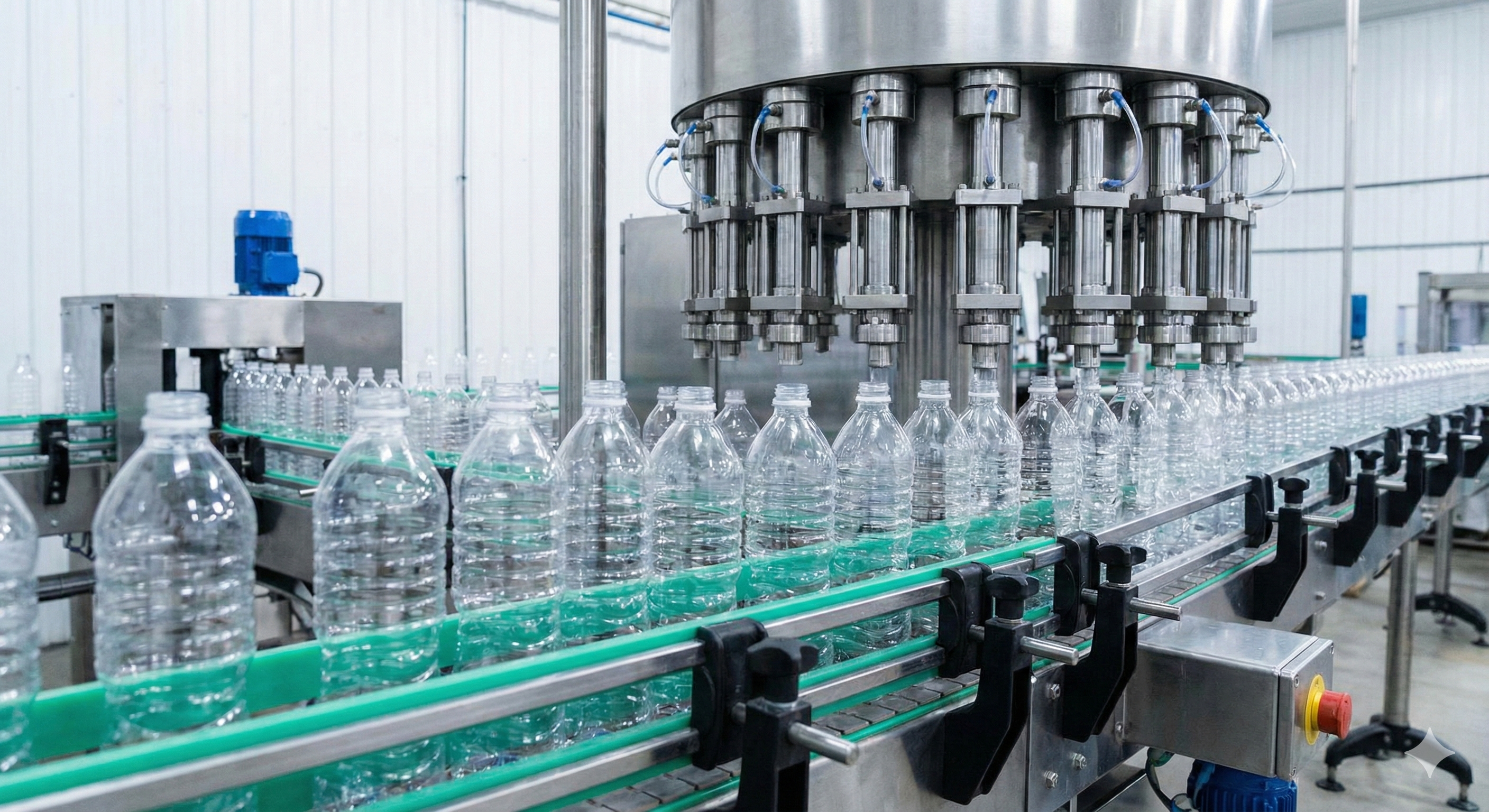
Water is the primary carrier solvent in liquid cleaning formulations, frequently accounting for 60% to 90% of the total product weight. Utilizing raw municipal or borewell water is a major cause of batch failure; raw water contains high concentrations of dissolved calcium, magnesium, iron, and silica ions, which actively deactivate anionic surfactants, trigger precipitation, degrade preservative systems, and cause visible clouding in clear formulations.
Therefore, a professional cleaning products manufacturing unit must integrate a dedicated Reverse Osmosis (RO) or Demineralized (DM) water purification plant. The process water system must be engineered to deliver purified water with an electrical conductivity maintained consistently below 10 μS/cm, total dissolved solids (TDS) below 5 ppm, and a neutral pH of 6.5 to 7.5. The water storage tanks and circulation loops must incorporate active ultraviolet (UV) sterilization systems and 0.22-micron sub-micron hydrophobic vent filters to prevent bacterial colonization and biofilm growth, which would otherwise introduce microbial contamination into finished consumer batches.
6. Raw Material Sourcing and Supply Chain Management
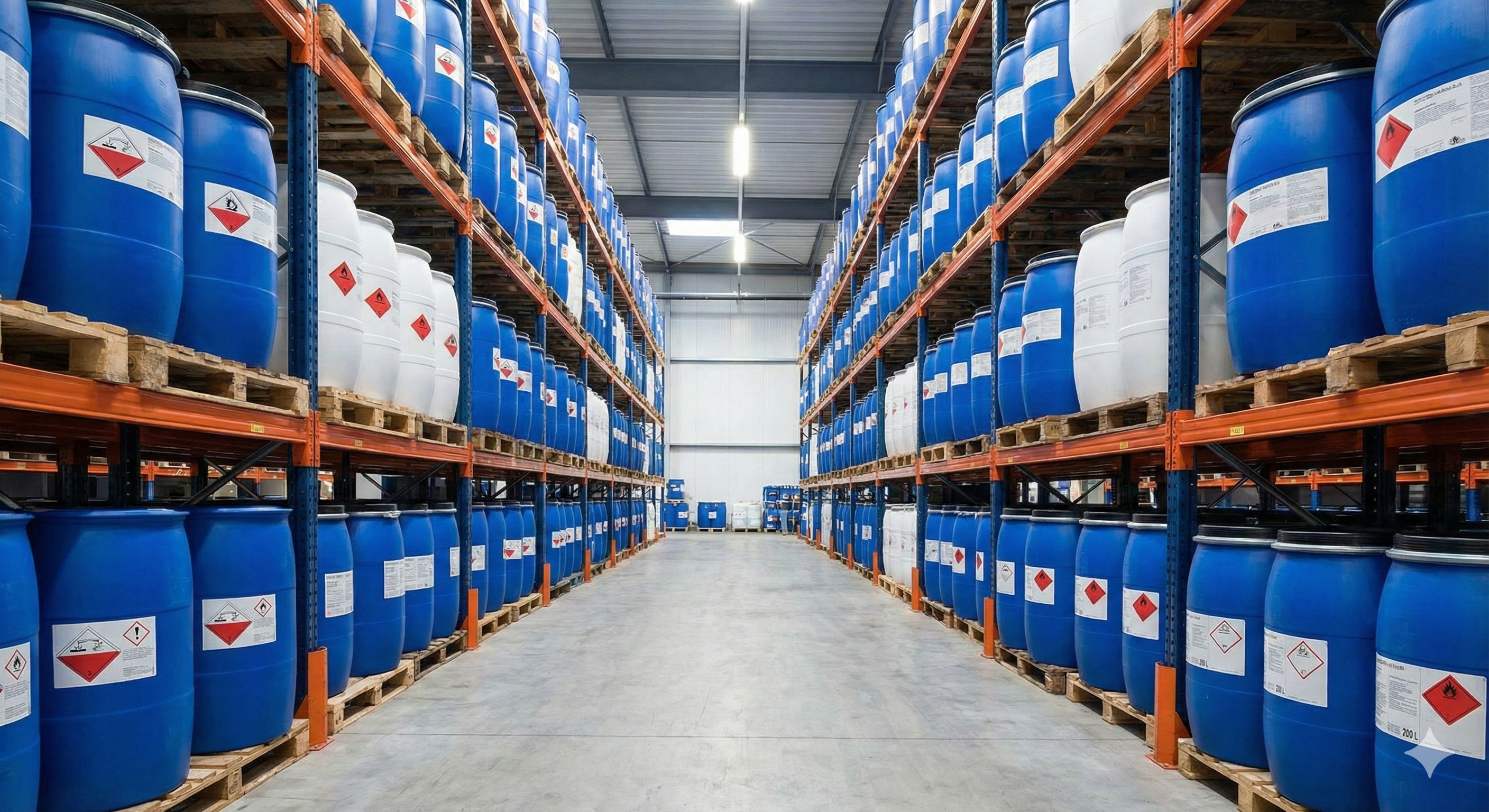
Establishing a robust, audited raw material supply chain is critical to securing batch-to-batch consistency, operational continuity, and price competitiveness. Because chemical raw materials—such as surfactants, chelants, specialty fragrances, and preservatives—suffer from volatility in petroleum and oilseed markets, manufacturers must build relationships with multiple validated suppliers. Every incoming batch of chemical raw materials must be strictly audited against established technical specifications to avoid introducing impurities that could degrade the stability or performance of the finished cleaning product.
Supplier COA Verification & Quality Standards
Before any raw material is pumped into bulk storage tanks or released to the compounding floor, the factory's quality control laboratory must verify the supplier's Certificate of Analysis (COA) against internal quality standards. For primary surfactants like SLES or LABSA, the QC lab must audit the active matter percentage (e.g., verifying that SLES paste falls precisely within the 68% to 72% range, and LABSA meets the 90% minimum active matter standard). Additional parameters that demand strict validation include moisture content (via Karl Fischer titration), free alkalinity, salt impurities, heavy metal traces, and color index using APHA color scale standards to prevent color variations in finished liquid products.
7. Quality Control (QC) and Quality Assurance (QA) Protocols
Implementing a comprehensive Quality Management System (QMS)—combining proactive Quality Assurance (QA) and reactive Quality Control (QC) testing—is the ultimate safeguard against product failures, batch losses, and customer complaints. QA focuses on engineering process consistency, incorporating Standard Operating Procedures (SOPs), equipment calibration, and chemical traceability systems across all operations. QC, conversely, focuses on testing raw materials, in-process compounding mixtures, and finished goods to confirm that every batch conforms to technical specifications before leaving the factory.
Every compounded batch must be tested in-process prior to transfer to the filling lines, measuring critical parameters such as specific gravity, density, pH, and viscosity using Brookfield or Stormer viscometers. Retain samples (typically 250ml) from every single production batch must be stored in a climate-controlled room for the entire duration of the product's declared shelf life; this retain sample library is critical for conducting forensic investigations in the event of customer complaints or stability audits.
8. Recommended Resources and Further Reading
For entrepreneurs and chemical engineers looking to expand their understanding of surfactant thermodynamics, process scale-up, and green chemical formulation technology, we recommend exploring these detailed guides:
- Understanding the Basics of Household Cleaning Technology: Explore key surfactant classes and formulating principles for home care products. Read Article
- A Technical Overview of Industrial & Institutional Cleaners: Master the process engineering of high-strength alkaline degreasers and acidic metal cleaners. Read Article
- The Growing Trend of Eco-Friendly Chemical Products: Learn how to formulate biodegradable detergents using green surfactants and bio-chelants like GLDA. Read Article
- Volatile Organic Compounds (VOCs) and Pollution Concerns in Formulation: A guide to reducing solvent emissions and complying with global clean air regulations. Read Article
- Manufacturing Without a Factory: A Guide to Contract Chemical Blending: Discover how to launch your brand using third-party contract manufacturers with lower initial capital. Read Article
External Academic and Industry References
- American Cleaning Institute (ACI): A leading science-based resource for chemical safety, human health, and clean chemistry research.
- ASTM International: The source for standardized test methods used in performance testing and validation of detergents and surfactants.
9. Frequently Asked Questions (FAQ)
Q1: Can I start a cleaning products manufacturing unit on a small scale?
A1: Yes. Many successful brands started with small batch mixers (500L–1,000L) and semi-automatic filling lines in small industrial sheds. The key is starting with professional, stable formulations that can be scaled up later without changing product characteristics, balancing surfactant concentrations and batch parameters carefully.
Q2: Do I need a chemistry degree to start this business?
A2: While you don't personally need a degree, you absolutely need access to chemical expertise. This can be achieved by hiring an experienced industrial chemist or engaging professional formulation consultants to develop your products, calibrate active matter ratios, and set up your quality control protocols.
Q3: What is the biggest technical challenge in starting this unit?
A3: The biggest challenge is achieving formulation stability and consistency over temperature extremes. A product might look stable initially but undergo phase separation, clouding, or syneresis over time if surfactants, builders, and viscosity modifiers are not thermodynamically balanced using accelerated oven testing.
Q4: How important is water quality in cleaning product manufacturing?
A4: It is absolutely critical. Ordinary tap water contains calcium and magnesium minerals that deactivate anionic surfactants and cause cloudiness. A dedicated demineralized (DM) or Reverse Osmosis (RO) water plant is a standard industrial requirement to maintain conductivity below 10 μS/cm.
Q5: Which stainless steel grade should I use for acidic vs alkaline formulations?
A5: Alkaline formulations such as laundry detergents, floor cleaners, and liquid hand washes (pH 7.0–10.5) are compatible with standard SS304 grade stainless steel. Acidic formulations, including toilet bowl cleaners built on hydrochloric, phosphoric, or sulfamic acid, require high-molybdenum SS316 grade stainless steel or HDPE/PP-lined vessels, since SS304 will pit and corrode under sustained acid attack.
Q6: What test methods validate detergent performance before commercial launch?
A6: Standardized methods such as ASTM D4009 for foam stability and ASTM D4488 for hard surface detergency measure soil removal against benchmark formulations. Combined with 45°C/54°C stability oven testing and 3–5 freeze-thaw cycles, these tests confirm a formulation holds its performance and physical stability before it reaches full-scale production.
About the Specialist
Absar Khan is a senior industrial consultant with cross-disciplinary expertise spanning pharmaceutical manufacturing, cosmetics and personal care, home and institutional care chemicals, aerosols, lubricants, and advanced process engineering. His work integrates multiple scientific and engineering domains, including formulation chemistry, GMP facility design, validation science, quality systems, regulatory compliance, and large-scale manufacturing optimization.
LinkedIn Portfolio: Connect with Absar Khan on LinkedIn
Scale Your Cleaning Chemical Business with Expert Support
Discuss your physical detergent formulation calculations, surfactant micellar kinetics, chelating agent selection, GHS compliance SDS authoring, reactor blade dynamics, RO water plant scaling, and complete GMP plant layout design with lead industrial consultant Absar Khan.
Email: consulting@globalformulation.com
Phone: +91 9819548320 +91 8169102990