Hydraulic Oil Manufacturing: Plant Setup & HLP/HVLP Guide
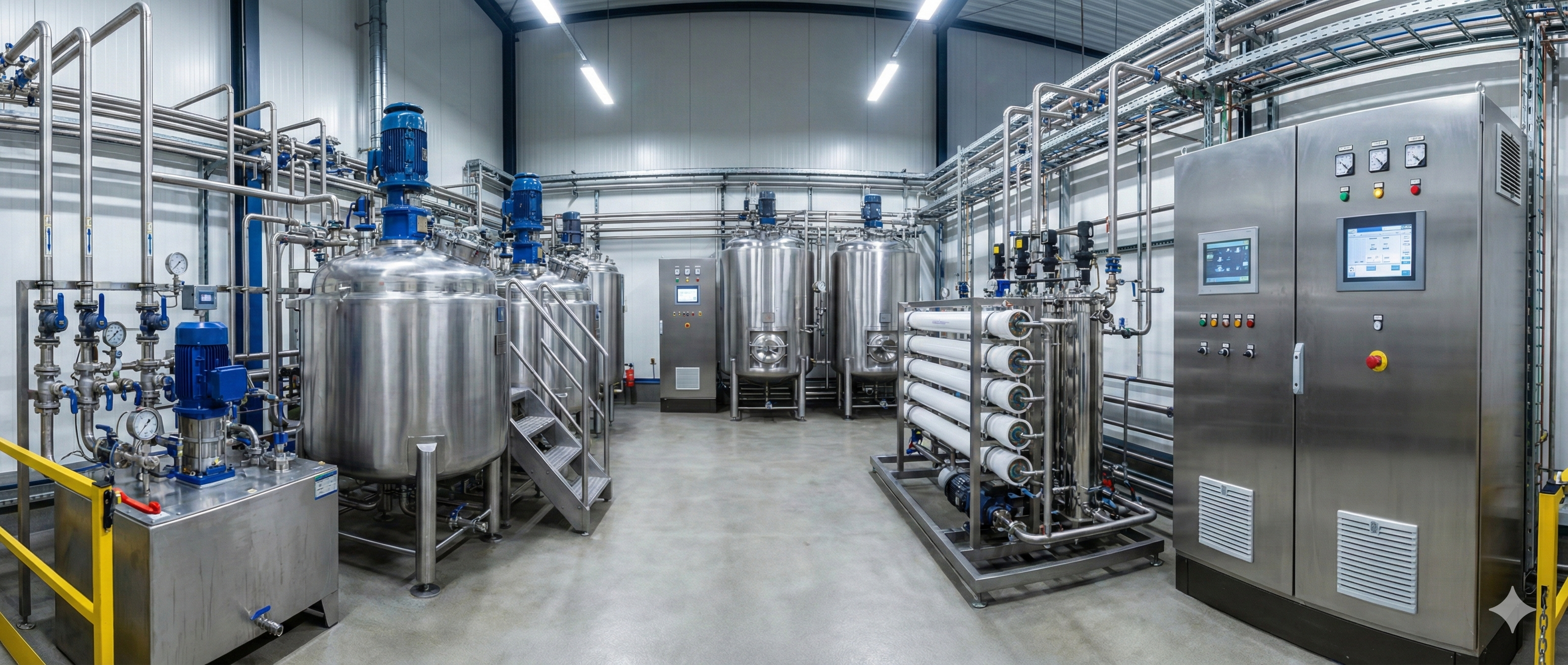
Figure 1: Overview of a modern, automated hydraulic oil manufacturing plant and kettle blending process.
Hydraulic oil manufacturing is a precise engineering discipline operating at the cross-section of advanced fluid dynamics, physical chemistry, and mechanical tribology, one specialized branch of the broader industrial lubricants field. Designed to serve as the vital power-transmission medium in industrial circuits, heavy earthmovers, marine control systems, and aerospace actuators, a high-fidelity hydraulic fluid must perform multiple simultaneous functions under massive thermal and shear stresses. Formulating these specialized fluids requires deep technical expertise in base oil refining characteristics, molecular additive synergy, OEM pump specifications, and rigid particle contamination standards.
What Is Hydraulic Oil and Why It Matters
Hydraulic oil is the safety-critical liquid medium engineered to transmit hydrostatic or hydrodynamic energy within fluid-power machinery while simultaneously protecting internal sliding elements from friction, accelerated wear, and structural oxidation. Unlike simple lubricating oils, hydraulic fluids operate under massive pressure regimes (frequently exceeding 350 bar) and high fluid velocities, requiring them to exhibit extreme shear stability, low compressibility, hydrolytic stability, and outstanding air-release kinetics to prevent micro-cavitation. Failing to formulate or maintain this highly technical chemistry results in sudden hydraulic pressure drops, mechanical pump destruction, and catastrophic plant downtime.
Role of hydraulic oil in industrial and mobile equipment
In both static industrial plants and high-velocity mobile machinery, hydraulic fluid serves multiple critical operational functions that extend far beyond raw kinetic power transmission. The fluid acts as a dynamic hydraulic seal between moving metal tolerances to minimize pressure leakage, an advanced boundary lubricant to prevent adhesive wear on high-speed cylinders and rotary pumps, and a thermal heat-transfer medium that continuously carries away excess thermal energy generated by system inefficiencies. Satisfying this multi-functional operational envelope requires a chemically balanced formulation that maintains absolute chemical stability under continuous high-shear, variable-moisture, and high-temperature operating conditions.
Key performance expectations from hydraulic fluids
Maintenance managers and machinery operators expect a premium hydraulic fluid to display a highly stable viscosity profile across a wide temperature range, a physical property defined by the fluid's shear-stable Viscosity Index (VI). Furthermore, the formulated chemical fluid must possess high oxidation resistance to prevent the formation of acidic sludge and varnish, maintain quick demulsibility to separate from water contamination rapidly, and protect internal ferrous and non-ferrous components from chemical rust and galvanic corrosion. Successfully meeting these diverse mechanical expectations is the fundamental goal of the base oil selection and additive chemistry used during the product development phase.
Industries dependent on hydraulic systems
A vast, highly capital-intensive array of global economic sectors relies completely on the continuous operation of high-pressure fluid-power systems, making the hydraulic oil market a key pillar of the global industrial economy. Heavy construction and surface mining dominate volume consumption through their extensive fleets of hydraulic excavators, wheel loaders, and drilling rigs, while automated manufacturing plants utilize high-pressure hydraulics to drive injection molding machines, metal stamping presses, and heavy robotics. Additionally, aerospace control surfaces, marine steering gears, and automated agricultural harvesters represent highly demanding, specialized consumption segments, with each requiring highly engineered fluid formulations to withstand unique environmental and operating extremes, in the same way electrical transformers rely on the specialized dielectric fluids covered in our transformer oil guide.
Types of Hydraulic Oils Used in Industry
The classification and commercial engineering of industrial hydraulic fluids are primarily established by the physical and chemical characteristics of their core base oils and the specific performance additives blended into the matrix. Navigating these diverse fluid categories is essential for chemical manufacturers to target specific market sectors, ranging from general-purpose indoor factory machinery to highly critical aviation actuators operating in sub-zero thermal extremes. Entrepreneurs and plant developers must decide whether to manufacture high-volume, cost-competitive mineral-based fluids or focus on high-margin, specialized synthetic and eco-friendly biodegradable fluid segments.
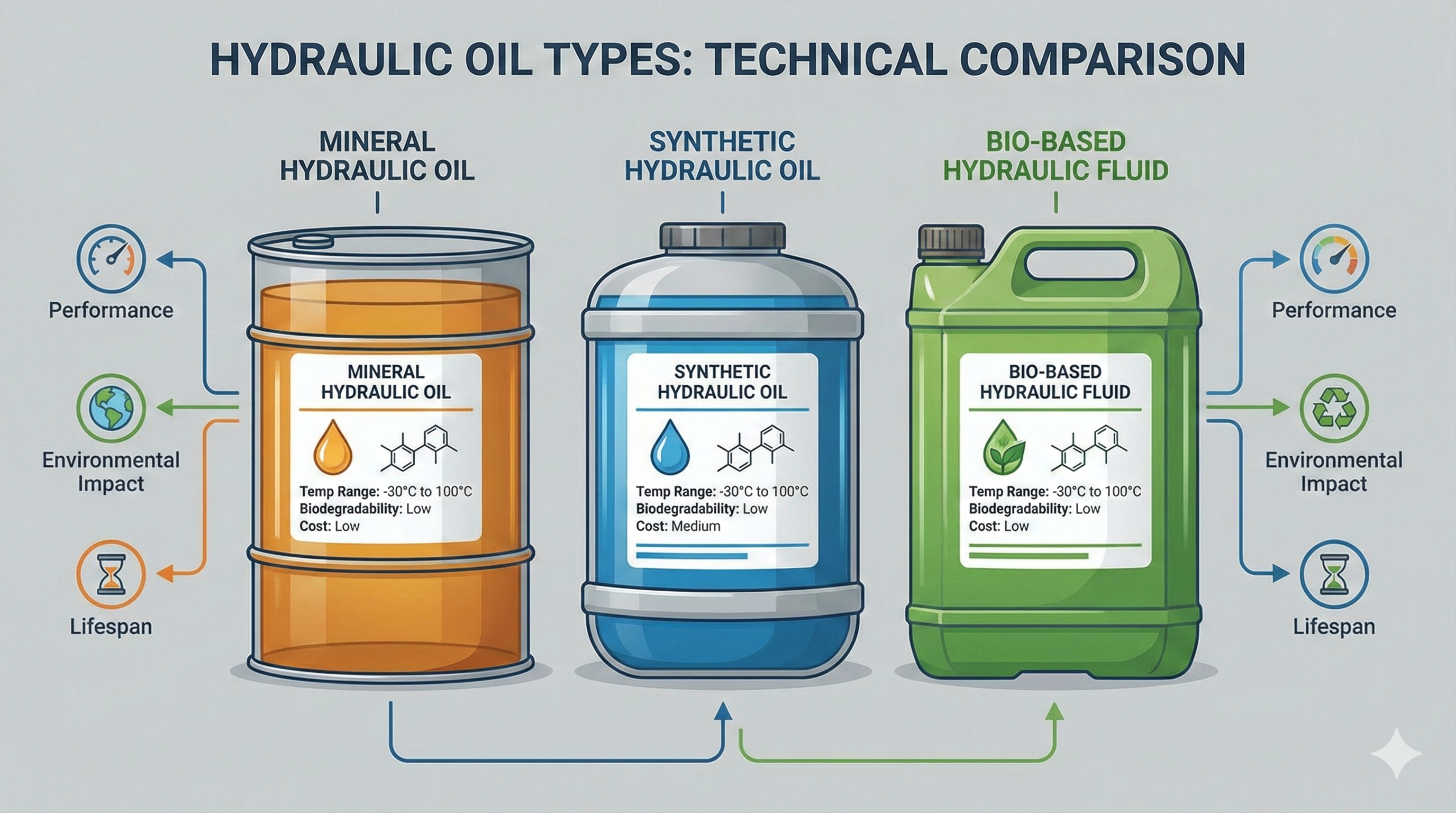
Figure 2: Classification of hydraulic oils (HLP, HVLP, Bio-based) and their typical industrial applications.
Mineral oil-based hydraulic oils
Mineral oil-based hydraulic fluids represent the absolute high-volume, cost-effective workhorses of the global fluid power industry, formulated from highly refined petroleum distillates like API Group I and hydro-finished Group II base stocks. They offer outstanding natural lubricity, excellent compatibility with standard nitrile and fluorocarbon elastomer seal materials, and wide commercial availability, making them the default formulation choice for indoor industrial equipment operating under controlled ambient conditions. These mineral fluids are highly receptive to standard anti-wear additive chemistries and form the dominant volume segment of global lubricant production and blending plants.
Synthetic hydraulic oils
Synthetic hydraulic oils are chemically engineered fluids built from premium synthetic base stocks such as Polyalphaolefins (PAO) or synthetic dicarboxylic acid esters, designed to deliver flawless mechanical performance in extreme, high-stress environments — the same base stock trade-offs covered in our synthetic vs mineral base oils comparison. These synthetic formulations exhibit exceptional thermal-oxidative stability, a very high natural viscosity index, and extremely low pour points, making them ideal for heavy industrial machinery operating under intense ambient temperatures or sub-zero high-altitude climates. Although they demand a significantly higher raw material and manufacturing cost, their dramatically extended drain intervals and low volatility provide a lower total cost of ownership in critical aerospace, military, and sub-sea operations.
Bio-based and fire-resistant hydraulic fluids
Tightening global environmental mandates and high-hazard operating environments have accelerated the commercial growth of bio-based biodegradable and specialty fire-resistant hydraulic fluids. Bio-based fluids (HEES, HETG), typically formulated using high-oleic natural vegetable oils or synthetic polyol esters, undergo rapid biodegradation in soil and water, making them mandatory in sensitive offshore marine, forestry, and agricultural zones. Fire-resistant fluids (such as HFC water-glycols or HFD synthetic phosphate esters) are essential safety formulations in hazardous steel mills, underground mining, and hot die-casting operations where any high-pressure fluid line rupture could spray flammable mist onto hot metal surfaces.
Application-based classification (HVLP, HLP, AW oils)
In industrial applications, hydraulic fluids are frequently categorized by their specific additive performance profiles and operating temperature ranges according to rigid international standards like DIN 51524. Standard HLP oils represent the industrial workhorses, formulated with advanced anti-wear (AW) additives (typically zinc-based) and robust rust and oxidation inhibitors for indoor machinery. For heavy-duty outdoor equipment operating in extreme ambient swings, HVLP oils are formulated with high-shear Viscosity Index Improvers (VII) to maintain physical oil film thickness and pump volumetric efficiency across wide temperature curves. Understanding these precise application-based classifications is critical for accurate hydraulic fluid manufacturing, regulatory compliance, and brand positioning in B2B markets.
Raw Materials Used in Hydraulic Oil Manufacturing
The ultimate mechanical performance and long-term chemical durability of a blended hydraulic fluid are directly dependent on the purity and molecular structure of its core raw materials. A standard industrial formulation typically consists of approximately 95% to 99% base oil by volume, with the remaining 1% to 5% comprising highly specialized chemical additive packages. Although additives represent a small physical percentage of the final fluid, this micro-dosed chemistry defines the entire performance profile, including load-carrying ability, seal swelling characteristics, oxidation thresholds, and water demulsibility. Consequently, chemical blenders must establish rigorous quality controls and reliable supply chains for both base stocks and functional additive compounds to guarantee batch-to-batch consistency.
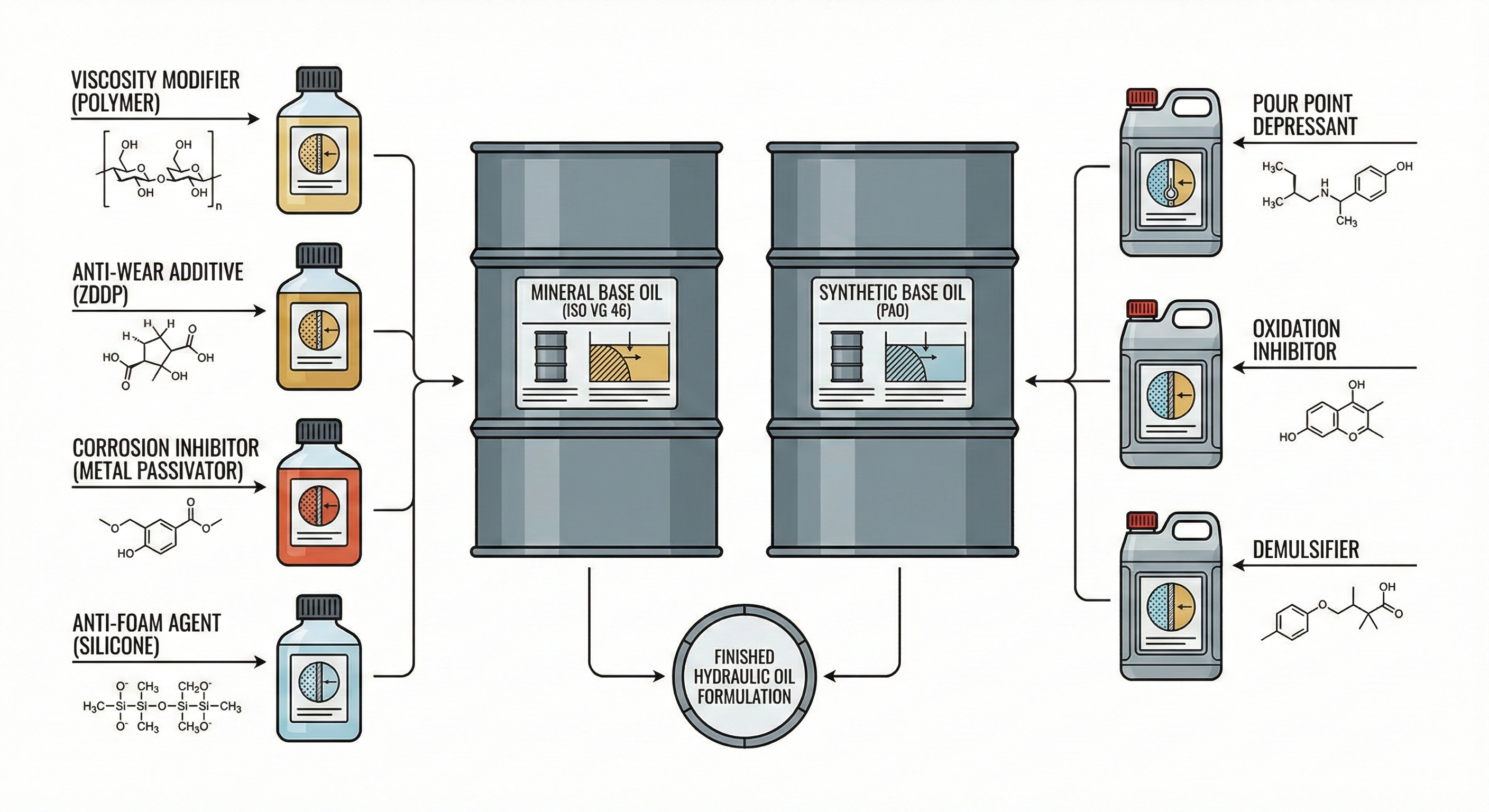
Figure 3: Key raw materials distribution showing the physical ratio of Base Oils (API Groups I-V) to functional Additive Systems.
Base oils (Group I, II, III and synthetic bases)
Base oils serve as the primary liquid carrier and physical foundation of any hydraulic fluid, heavily dictating its natural thermal stability, oxidation threshold, and shear resistance. The American Petroleum Institute (API) classifies these base stocks into five distinct groups based on their sulfur concentration, saturate percentages, and natural Viscosity Index (VI). While legacy Group I solvent-refined base oils are rapidly fading from modern formulations due to their higher sulfur impurities, hydro-processed Group II and severely hydro-cracked Group III oils have become the modern industrial workhorses. For premium high-temperature or extreme-pressure applications, chemical formulators selectively employ Group IV Polyalphaolefins (PAO) or Group V synthetic esters to achieve exceptional low-temperature fluidity, minimal volatility, and tailored elastomer swelling characteristics.
Additive systems used in hydraulic oils
To elevate the performance limits of raw base oils, formulators introduce a highly complex, multi-functional chemical cocktail of specialty additives designed to protect metal contacts and maintain fluid integrity. A critical component in standard HLP fluids is zinc dialkyldithiophosphate (ZDDP), which functions as a sacrificial anti-wear agent and secondary antioxidant by forming protective polyphosphate tribofilms on sliding metal surfaces. Additional essential components include hindered phenolic or alkylated diphenylamine antioxidants to delay thermal degradation, alkyl succinic acids for rust inhibition, polymethacrylates or organic silicones to suppress foam formation, and specialized demulsifiers to facilitate rapid water separation. The precise balance and dosage of these active ingredients constitute the key intellectual property and proprietary competitive advantage of leading chemical manufacturers.
Importance of additive compatibility and stability
Blending high-performance hydraulic fluids requires a deep, mathematically precise understanding of physical chemistry and surfactant dynamics to prevent chemical incompatibility or "additive dropout" over time. When different additives are combined in a base oil matrix, antagonistic reactions can occur at the molecular level, causing functional molecules to neutralize or precipitate out of solution. For instance, highly acidic rust inhibitors can chemically react with basic amine-containing anti-wear or dispersant additives, forming insoluble soap-like precipitates that rapidly clog microscopic system filters. Extensive laboratory stability testing is therefore mandatory to verify that the entire additive system remains completely homogeneous under long-term shelf storage, low-temperature cycles, and high-shear industrial pump operations.
Hydraulic Oil Manufacturing Process – Step by Step
Industrial hydraulic oil manufacturing is a highly controlled, high-precision batch blending operation that prioritizes absolute chemical cleanliness, mixing accuracy, and consistent batch homogeneity. The production process involves strict raw material dehydration, temperature-monitored blending, and multi-stage downstream filtration protocols that must be executed without compromise to satisfy strict OEM cleanliness codes like ISO 4406. Modern blending facilities utilize advanced Supervisory Control and Data Acquisition (SCADA) systems and automated batching software to regulate vessel heating elements, control agitator speeds, and dose raw materials precise to the single gram.
Base oil selection and blending logic
The manufacturing sequence begins by pumping precisely calculated volumes of selected base oils into a marine-grade stainless steel blending vessel equipped with internal steam heating coils and high-efficiency agitators. When a combination of different base stocks is required to achieve a target ISO Viscosity Grade (such as ISO VG 32, 46, or 68), the exact ratio is determined using logarithmic viscosity blending charts and ASTM D341 calculations. Once loaded, the base oil blend is heated to a controlled temperature range between 40°C and 60°C, which temporarily lowers the fluid's dynamic viscosity and increases molecular motion, creating the ideal thermodynamic environment for rapid additive dispersion.
Additive incorporation and homogenization
Once the base oil mixture reaches its target thermal equilibrium, the active chemical additives are systematically introduced, typically beginning with the most viscous or highly polymer-concentrated components like Viscosity Index Improvers (VII). Liquid additive packages are precisely dosed via mass flow meters and pumped directly into the turbulent zone of the vessel, whereas specialized solid additives may require thermal pre-dispersion in a slipstream tank. The combined mixture is agitated under monitored blade RPMs for a mathematically validated duration to ensure complete homogenization and chemical binding throughout the batch. Inadequate mixing times or improper heating can cause phase stratification, where high-density additives drop out of solution and settle at the bottom of storage drums or packaging lines.
Filtration, dehydration, and contamination control
The most critical step in high-grade hydraulic fluid production is the downstream purification and contamination control executed after the blending phase is completed. The hot, blended fluid is discharged from the vessel and passed through absolute-rated multi-stage microfiltration cartridges (typically rated between 3 and 10 microns) to eliminate microscopic sand, rust, or fibers that could destroy high-pressure hydraulic pumps and servo valves. Additionally, industrial vacuum dehydration units are frequently integrated into the transfer line to strip out trace atmospheric moisture and dissolved water, ensuring the final product displays a perfectly "dry," bright, and transparent appearance before it enters the filling line.
Batch vs inline blending systems
Lubricant blenders must choose between traditional batch blending kettles and high-volume In-Line Blending (ILB) systems depending on their target scale, operational flexibility, and capital investment constraints. Traditional batch blending in dedicated steel kettles provides exceptional versatility, allowing manufacturers to easily switch between product grades, formulate custom trial runs, and accommodate chemical variations with manual adjustments. In contrast, large-scale refineries and high-volume blenders utilize automated In-Line Blending (ILB) networks that inject liquid additives directly into a moving, high-velocity stream of warm base oil under high turbulence. While ILB offers massive efficiency, labor savings, and throughput advantages for high-volume workhorse fluids, batch blending remains the preferred standard for specialized, low-volume, or highly complex formulations that require precise residence times and close visual quality checks.
Quality Control and Testing in Hydraulic Oil Production
In premium lubricant manufacturing, quality control is not a simple post-blending inspection but a rigorous, continuous program integrated into every phase of the production cycle to guarantee absolute product integrity. Once a blending run is finished, the entire batch must be physically isolated and quarantined in dedicated hold tanks until an on-site analytical laboratory verifies compliance with all target specifications. Meticulous document control, including the generation of formal Certificates of Analysis (COA) and physical sample retention protocols, is strictly maintained for every batch, allowing complete traceability from raw material lot numbers to field performance.
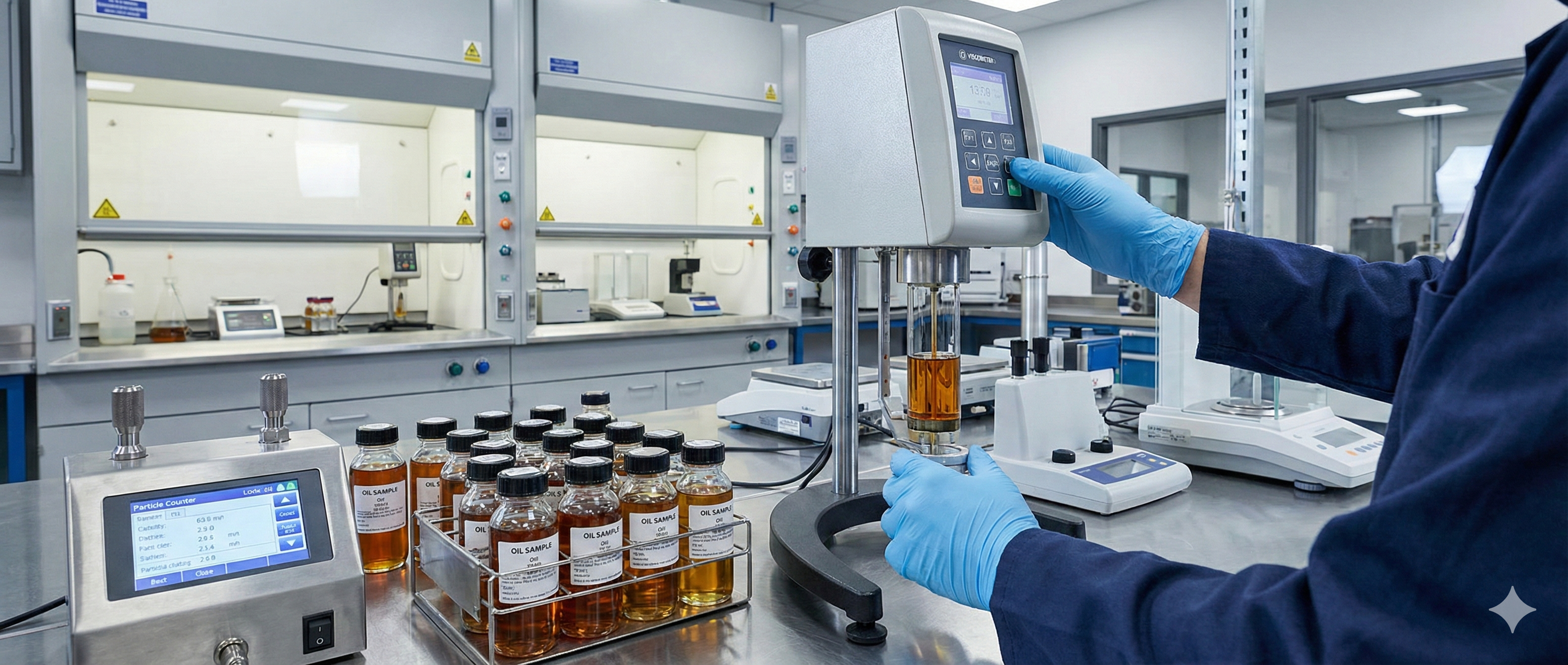
Figure 4: A certified quality control laboratory conducting ISO 4406 particle counts and dynamic viscosity checks.
Physical and chemical testing parameters
The laboratory's first line of defense against blending errors involves conducting a suite of rapid, highly standardized physical and chemical tests defined by ASTM International. Technicians measure Kinematic Viscosity at both 40°C and 100°C using automated capillary viscometers in strict compliance with ASTM D445, calculating the fluid's natural Viscosity Index (VI) via ASTM D2270 to verify temperature stability. Furthermore, flash point testing via the Cleveland Open Cup method (ASTM D92) is executed to confirm operational safety and rule out contamination with volatile solvents, while Total Acid Number (TAN) titration (ASTM D664) is conducted to verify correct anti-wear and rust inhibitor dosing. These chemical fingerprints ensure the batch aligns perfectly with the product's technical datasheets before packaging.
Cleanliness codes and particle count control
With modern industrial hydraulic machinery operating at extremely high pressures and tighter mechanical tolerances, controlling microscopic particulate contamination has become a non-negotiable quality metric. Finished fluids must be strictly analyzed using optical laser-based particle counters to define their cleanliness rating according to the international ISO 4406 standard. This code represents the number of particles per milliliter larger than 4 microns, 6 microns, and 14 microns (e.g., ISO 18/16/13). If a batch fails to meet the specified ISO cleanliness threshold due to worn filter elements or atmospheric dust in the facility, it must be recycled back through the microfiltration loop, as high particle counts are the leading cause of premature pump failures and servo valve stickiness in the field.
Performance validation and consistency checks
To guarantee long-term reliability in severe operating environments, lubricant manufacturers periodically conduct advanced performance validations that go far beyond basic physical properties. These specialized tests include the Turbine Oil Oxidation Stability Test (TOST, ASTM D943) to evaluate the fluid's natural resistance to acidic sludge formation over thousands of hours, and foam characteristics testing (ASTM D892) to verify rapid air release and prevent pump cavitation. Furthermore, batch-to-batch chemical consistency is verified by overlaying the Fourier Transform Infrared (FTIR) spectrum of the newly blended batch with an established master formulation reference. This molecular fingerprinting technique instantly detects raw material variations, missing additives, or contamination events, ensuring the fluid performs reliably in critical machinery.
Hydraulic Oil Standards and Specifications
Navigating the dense, highly regulated landscape of global hydraulic fluid specifications is essential for chemical manufacturers to establish technical credibility, ensure cross-border compliance, and capture premium market share. These international standards provide a standardized language, defining the precise minimum physical and chemical performance benchmarks that a fluid must satisfy. While a self-declared "compliant" fluid is acceptable for basic aftermarket applications, obtaining formal, independent OEM approvals and licensed certifications from major machinery builders carries significantly more commercial weight and establishes ultimate product trust.
ISO, DIN, ASTM and OEM specifications
The most universally recognized industrial benchmarks are the ISO 11158 standard (categorizing fluids into HH, HL, HM, and HV classes) and the rigorous German DIN 51524 standard, which serves as the global quality baseline for European industrial machinery. In North America, the ASTM D6158 specification is widely referenced across heavy manufacturing sectors to define high-pressure fluid parameters. Beyond these general consensus standards, major equipment manufacturers (OEMs) enforce their own proprietary, highly demanding specifications—such as Denison HF-0, Eaton-Vickers M-2950-S, and Bosch Rexroth RDE 90235—which require extensive, high-cost pump rig tests and chemical validations before granting formal commercial approval.
Viscosity grades and classification systems
The ISO Viscosity Grade (VG) system is the universally accepted method for classifying industrial lubricants based on their kinematic viscosity measured at a standardized reference temperature of 40°C. Within this classification, the primary grades for hydraulic systems are ISO VG 32, ISO VG 46, and ISO VG 68, representing different physical flow properties. Selecting and manufacturing the correct viscosity grade is of safety-critical importance; a fluid that is too thin will fail to maintain an adequate lubricating film under load, causing severe metal-to-metal wear and internal pump slippage, while a fluid that is too thick will trigger excessive flow resistance, sluggish valve response, high power consumption, and destructive pump cavitation. Consequently, chemical blenders must hit these target viscosities with absolute precision, strictly adhering to the narrow ±10% kinematic tolerance window defined by the ISO 3448 standard.
Why standards compliance is critical for market acceptance
For any new or independent hydraulic oil brand entering the B2B market, declaring and proving compliance with key standards like DIN 51524 Part 2 (HLP) represents the absolute minimum barrier to entry. Industrial maintenance engineers and procurement officers manage millions of dollars in mechanical assets and will never risk equipment downtime or warranty voids by introducing an uncertified, unproven lubricant. Standards compliance serves as an essential trust signal, assuring the buyer that the fluid has been blended with the correct concentrations of ZDDP anti-wear agents, active rust inhibitors, and premium base oils required to protect complex high-pressure hydraulic circuits — the same additive-dosing discipline that governs formulation of gear oils, covered in our gear oil manufacturing guide.
Manufacturing Setup for Hydraulic Oils
Designing and establishing an industrial chemical blending facility requires a highly strategic balance between upfront capital expenditure, environmental safety, and long-term operational flexibility. The plant's physical layout must be engineered to handle high-volume, highly viscous base stocks, prevent cross-contamination between incompatible chemical additives, and scale production seamlessly as market demand increases. Achieving a highly efficient physical layout—optimizing gravity-assisted material flows from raw bulk tank farms to the blending vessels, downstream filtration, and automated packaging lines—is the primary driver of manufacturing margins and overall profitability.
Equipment required for small and large-scale production
The specific mechanical setup of a blending facility varies significantly depending on the target production volume, ranging from entry-level batch operations to highly automated refining scales. A startup chemical blending business can begin operations with a single 5,000-liter jacketed stainless steel blending vessel, a small thermal fluid heater or steam boiler, and a semi-automatic single-head volumetric filling machine. In stark contrast, a commercial-scale manufacturing plant features massive, outdoor raw material tank farms, piggable manifold systems to eliminate transfer line contamination, and high-speed multi-head rotary filling lines for drums and bottles. Regardless of production scale, investing in a robust, climate-controlled quality control laboratory equipped with automated viscometers, Karl Fischer moisture titrators, and laser particle counters is non-negotiable to secure market trust and guarantee batch compliance.
Storage, handling, and safety considerations
Managing the storage and safe handling of chemical raw materials is a critical component of factory risk management, as additives and base stocks are highly sensitive to thermal fluctuations and environmental moisture. Viscous additive packages must be kept in heated, temperature-controlled storage zones to prevent cold-temperature crystallization, phase separation, or moisture-induced hydrolysis. Within the facility, plant managers must enforce strict safety protocols to mitigate the inherent hazards of working with hot oils (burn risks) and oily residue (slip and fall hazards), while installing specialized foam-based fire suppression systems in the blending and packaging areas. Furthermore, local environmental regulations mandate the construction of robust concrete bund walls (secondary containment) around all raw and finished bulk storage tanks to completely contain any accidental spillages and protect the surrounding water table.
Regulatory and environmental compliance
Operating an industrial chemical blending facility requires absolute adherence to municipal, state, and federal environmental protection guidelines, as lubricating base stocks and specialty chemical additives are classified as potential soil and water pollutants. Factory owners must implement comprehensive environmental management systems to regulate wash-water treatment, manage volatile organic compound (VOC) emissions during vessel purging, and execute strict "cradle-to-grave" chemical waste tracking with authorized recyclers. Navigating the regulatory landscape to secure necessary environmental clearance certificates and "Consent to Establish" and "Consent to Operate" permits represents one of the most critical and time-intensive phases in the factory commissioning timeline.
Hydraulic Oil Manufacturing Business Opportunities
The global industrial hydraulic fluid market presents highly lucrative, recession-resistant business opportunities for chemical entrepreneurs due to the essential, recurring consumption nature of the product. Unlike capital equipment sales that fluctuate heavily with economic cycles, hydraulic systems must undergo routine fluid replacements and top-ups, ensuring a highly predictable and continuous aftermarket demand. Budding entrepreneurs can enter this highly profitable space through a variety of business models, ranging from investing in a full-scale, proprietary blending facility to launching a lean, high-margin private label brand with outsourced manufacturing.
Demand drivers in India and global markets
Rapid, large-scale industrialization and massive infrastructure development in emerging economies—particularly India and across Southeast Asia—are driving an unprecedented demand surge for heavy earthmoving machinery, excavation equipment, and industrial manufacturing plants, directly scaling the consumption of hydraulic fluids. On a global level, the regulatory push for energy efficiency and reduced carbon emissions is accelerating the adoption of premium, shear-stable HVLP and fully synthetic fluids that minimize internal mechanical pump friction and lower power consumption. In India, policy initiatives like "Make in India" and rising import tariffs on finished lubricants have created a highly favorable economic climate for domestic blending plants to substitute expensive imported brands with high-quality, locally blended products.
OEM, industrial, and aftermarket segments
To capture market share, a lubricant manufacturer must strategically navigate three distinct commercial distribution channels, each presenting unique margin structures, volume potentials, and barriers to entry. The Original Equipment Manufacturer (OEM) factory-fill channel represents massive, highly predictable volumes but operates on razor-thin margins and requires extremely expensive, multi-year laboratory approvals and rig tests. Alternatively, selling B2B bulk fluids directly to industrial manufacturing plants, mining sites, and fleet operators offers solid volumes and moderate margins based on technical contract bidding. Finally, entering the retail automotive and heavy-machinery aftermarket through service stations, distributors, and spare-part shops yields the highest profit margins but demands intensive upfront investments in brand-building, premium retail packaging, and complex distribution logistics.
Private label and contract manufacturing models
For emerging brands and startup entrepreneurs lacking the massive capital required to build a physical blending factory, the private label or "toll blending" model represents a highly attractive, asset-light entry strategy, as thoroughly detailed in our Manufacturing Without a Factory Guide. Under this operational framework, the brand owner retains complete control over their brand equity, proprietary formulations, and customer relationships, while outsourcing the physical blending, laboratory testing, and packaging to an established, certified third-party manufacturer. This strategy drastically lowers capital risks, eliminates regulatory headaches, and allows the business to focus its financial resources entirely on marketing campaigns, sales distribution, and customer support.
Common Challenges in Hydraulic Oil Manufacturing
Although highly profitable, the lubricant manufacturing sector is fraught with complex technical obstacles and severe commercial market pressures that can rapidly derail inexperienced brands or poorly optimized operations. Severe volatility in global crude oil pricing directly affects base stock costs, squeezing profit margins overnight if a manufacturer cannot quickly pass these price adjustments down the supply chain. Furthermore, the highly commoditized nature of basic, entry-level HLP fluids leads to fierce price wars among regional blenders, making strict operational cost leadership and raw material procurement optimization essential for long-term business survival.
Raw material quality variations
Sourcing base oils solely from unstable spot markets or uncertified, low-tier traders frequently introduces severe batch-to-batch raw material variations, including fluctuating sulfur concentrations, inconsistent color, and shifting natural Viscosity Indexes. These physical and chemical variations can completely disrupt the delicate molecular balance of the functional additive packages, resulting in blended batches that fail final laboratory quality checks or suffer from additive drop-out during storage. To mitigate this critical risk, successful chemical blenders maintain long-term, rigid supply agreements with highly reputable refineries and national oil companies. While this strategy ensures consistent base oil purity, it requires substantially higher working capital and strict inventory commitments.
Contamination and oxidation control
During the batching and packaging sequences, the accidental intrusion of airborne dust, environmental humidity, or minor chemical cross-contamination from adjacent production lines can instantly ruin an entire batch of high-pressure hydraulic fluid. High-performance hydraulic systems are exceptionally intolerant of trace organic silicone contaminants—which are commonly used as defoamers in automotive motor oils but act as active foam promoters if cross-contaminated into zinc-free ashless hydraulic formulas—as well as microscopic solid particulates. Blending facilities must therefore implement incredibly strict pipe-flushing protocols, employ pigging systems, and utilize completely dedicated transfer pumps and filling lines for different product categories to maintain absolute chemical purity.
Cost optimization vs performance balance
Chemical formulators operate under a constant, highly intense pressure to balance superior mechanical performance against competitive Raw Material Costs (RMC) in highly price-sensitive B2B markets. "Over-formulating" a fluid by adding excessive dosages of premium synthetic esters or expensive amine antioxidants guarantees outstanding machinery longevity but can completely erode the manufacturer's profit margins, making the product commercially unviable. Conversely, "under-formulating" by cutting down on active ZDDP packages or using cheap base oils risks sudden field pump failures, catastrophic warranty claims, and permanent brand damage. Successful chemical blending firms leverage highly advanced formulation logic to satisfy OEM performance benchmarks with mathematical precision, selectively sourcing specialized additive packages tailored for specific economy or premium product tiers.
Choosing the Right Hydraulic Oil Manufacturer or Partner
For B2B brands, fleet operators, and industrial enterprises looking to outsource their fluid production or procure lubricants in bulk, selecting the correct chemical manufacturing partner is a critical strategic decision that will define their commercial success. This partnership goes far beyond a simple comparison of per-liter pricing; the manufacturer's deep technical competence and quality control discipline directly determine whether your product will build a stellar reputation for field reliability or trigger catastrophic equipment failures and expensive downtime. Conducting comprehensive, on-site due diligence audits of their blending plant, laboratory capabilities, and quality management systems is an absolute prerequisite before signing any contract.
Technical capability evaluation
An initial step in partner evaluation is conducting a thorough technical audit of the manufacturer's laboratory infrastructure and the scientific credentials of their engineering team, ensuring they understand the complex physics of tribology rather than just basic liquid mixing. A truly competent manufacturer must feature a fully certified, in-house laboratory capable of executing all essential ASTM and ISO tests on-site, including kinematic viscosity, TAN titration, Karl Fischer water analysis, and laser-based particle counting. They should demonstrate a deep scientific understanding of Hydraulic Oil Formulation Chemistry and actively assist you with real-time field troubleshooting or custom formulation adjustments. This advanced level of scientific depth is what separates a world-class lubricant manufacturer from a low-tier "mixing station."
Quality systems and certifications
To guarantee consistent product quality, you should prioritize chemical manufacturers that maintain certified, globally recognized quality management systems, starting with a baseline ISO 9001:2015 registration. Advanced certifications such as ISO 14001 for environmental safety and the highly stringent IATF 16949 for automotive-grade supply chain quality are excellent indicators of a deeply mature, disciplined, and process-driven factory culture. During the due diligence audit, you should request to review their physical batch records, calibration schedules, and historical Certificates of Analysis (COA) for previous blending runs to verify they consistently hit viscosity and cleanliness specs without batch-to-batch drift.
Long-term supply reliability
In highly competitive markets, supply chain resilience, raw material sourcing security, and operational scalability are critical pillars of brand survival. Your selected manufacturing partner must possess the financial liquidity and tank storage capacity to stock substantial buffer inventories of high-purity Group II base stocks and essential additive packages, protecting your business from sudden spot market shortages. A manufacturer that operates on a hand-to-mouth raw material supply chain and frequently runs out of basic blending stock will trigger disastrous retail stock-outs, permanently destroying your customer relationships. You must carefully assess their total bulk storage capacity, active relationships with major upstream refiners, and their mechanical capability to scale up production runs as your market demand grows.
Conclusion – Building Authority in Hydraulic Oil Manufacturing
In conclusion, capturing commercial success and building long-term authority in the multi-billion-dollar global hydraulic oil market is not a privilege reserved solely for major multinational oil conglomerates. Highly agile, technically driven chemical entrepreneurs and independent blenders can successfully carve out extremely profitable B2B niches by prioritizing scientific formulation integrity, operational cleanliness, and smart market positioning. The future of industrial lubrication belongs to forward-thinking manufacturers who reject the concept of hydraulic oil as a simple liquid commodity, viewing it instead as a safety-critical, high-precision mechanical engineering component.
Why technical understanding matters for entrepreneurs
Chemical entrepreneurs who dedicate the effort to master the physical sciences behind fluid rheology, surfactant chemistry, and high-pressure filtration will always heavily outperform competitors who attempt to trade solely on low pricing. This advanced technical understanding enables smart, cost-effective raw material procurement, provides the foundation for world-class technical customer support, and builds the internal confidence required to successfully win B2B contracts against established multinational oil giants. Ultimately, deep technical expertise completely elevates a sales pitch, transforming a simple commodity fluid transaction into a high-value, comprehensive industrial lubrication solution.
Future trends in hydraulic fluid technology
The global lubricant industry is undergoing a massive technological shift, rapidly transitioning towards ultra-energy-efficient hydraulic fluids that exhibit exceptional mechanical shear stability, extended drain intervals, and potential "fill-for-life" capabilities. Furthermore, sustainable bio-based biodegradable fluids formulated from synthetic esters or vegetable oils are rapidly moving from minor niche markets into the industrial mainstream, as discussed in our guide on the Future of Eco-Friendly Chemical Products. Proactively staying ahead of these technological waves—particularly the aggressive industrial transition towards high-performance zinc-free (ashless) anti-wear additive packages—will define the market leaders, innovators, and dominant brands of the coming decade.
Frequently Asked Questions (FAQ)
1. What is the difference between AW, HLP, and HVLP hydraulic oils?
AW (Anti-Wear) and HLP are often used interchangeably to denote hydraulic oils containing anti-wear additives (typically zinc-based) and rust/oxidation inhibitors, suitable for standard industrial applications. HVLP oils are essentially HLP oils with an added Viscosity Index Improver (VII), making them suitable for outdoor applications with wide temperature variations, as they maintain their viscosity better than HLP fluids.
2. Can I mix different brands of hydraulic oil?
While many hydraulic oils are compatible if they meet the same ISO and DIN specifications, mixing brands is generally discouraged without compatibility testing. Different manufacturers may use different additive chemistries (e.g., mixing a zinc-based oil with a zinc-free oil) that can react to form sludge or reduce performance. It is always best to flush the system before changing brands.
3. How do I start a hydraulic oil manufacturing business?
Starting requires a blend of technical and commercial planning. You need to secure a location, obtain environmental permits, procure blending and testing equipment, and source reliable base oils and additives. Alternatively, you can start with a private label model to minimize upfront capital. For a detailed roadmap, refer to our guide on Manufacturing Without a Factory.
4. Why does hydraulic oil turn milky?
Hydraulic oil typically turns milky due to water contamination. Water can enter through worn seals, condensation in the reservoir, or rain in outdoor equipment. Milky oil indicates an emulsion has formed, which drastically reduces lubrication capability and promotes corrosion. The oil should be dehydrated or replaced immediately to prevent pump failure.
5. What is the shelf life of hydraulic oil?
If stored properly in sealed containers indoors, away from extreme temperature fluctuations and humidity, mineral-based hydraulic oils typically have a shelf life of 3 to 5 years. However, once opened or if the storage conditions are poor, moisture ingress and oxidation can degrade the oil much faster. Always check the appearance and test for moisture before using old stock.
6. Why does the ISO Viscosity Grade need to stay within a tight tolerance during blending?
The ISO 3448 standard requires the finished fluid's kinematic viscosity at 40°C to stay within a narrow ±10% band of its nominal ISO VG number. A fluid blended outside this tolerance can either fail to maintain an adequate lubricating film under load, causing metal-to-metal wear, or run too thick, increasing flow resistance, pump power draw, and cavitation risk. This is why base oil blend ratios are calculated using logarithmic viscosity blending charts rather than simple linear averaging.
7. What does an ISO 4406 cleanliness code like 18/16/13 actually mean?
Each of the three numbers in an ISO 4406 code represents the particle contamination level per milliliter of fluid at three different particle size thresholds, typically greater than 4, 6, and 14 microns. Lower numbers mean fewer particles and a cleaner fluid. Modern high-pressure servo valves and piston pumps require tighter cleanliness codes than older, more tolerant gear pumps, which is why finished fluid is re-circulated through microfiltration until it meets the target code.
Need Hydraulic Oil Formulation & Plant Engineering Support?
Discuss your physical chemistry formulation parameters, base oil selection criteria, viscosity blending math, and ISO 4406 cleanliness setup with industrial specialist Absar Khan.
Email: consulting@globalformulation.com
Phone: +91 9819548320 +91 8169102990
About the Specialist
Absar Khan is a senior industrial consultant with cross-disciplinary expertise spanning pharmaceutical manufacturing, cosmetics and personal care, home and institutional care chemicals, aerosols, lubricants, and advanced process engineering. His work integrates multiple scientific and engineering domains, including formulation chemistry, GMP facility design, validation science, quality systems, regulatory compliance, and large-scale manufacturing optimization.
LinkedIn Portfolio: Connect with Absar Khan on LinkedIn