Enzyme-Based Cleaners Explained: Chemistry & Formulation
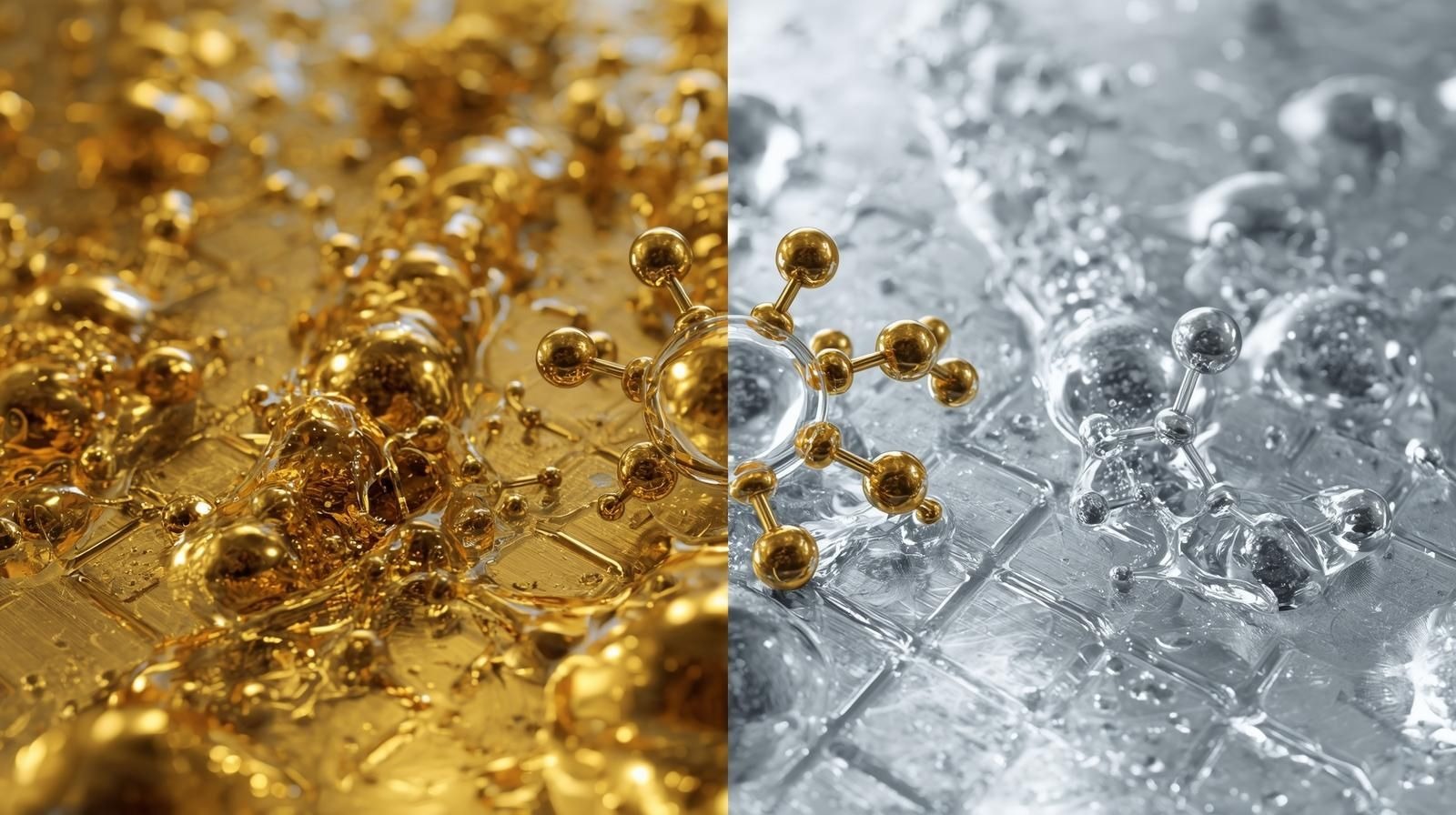
Bio-enzymatic cleaners are the most technically sophisticated category in the modern cleaning industry, replacing brute-force chemical attack with the molecular precision of biological catalysis. Unlike traditional surfactant systems that emulsify and lift, enzyme-based formulations actively hydrolyze the covalent bonds inside organic soils — converting proteins, lipids, starches, and cellulose into water-soluble fragments that rinse cleanly away. For startups and manufacturers competing in the green cleaning sector, success depends on mastering enzyme stability chemistry, multi-enzyme synergy, and the cold-blending engineering required to keep these protein catalysts active throughout an 18–24 month shelf life. This guide builds a complete technical and commercial blueprint without disclosing proprietary recipes, focusing on the underlying science that separates a commodity wash from a premium industrial product.
Technical Roadmap & Formulation Strategy
- 1. The Science of Biological Catalysts in Cleaning
- 2. Why the Shift to Bio-Enzymatic Formulations?
- 3. The Manufacturing Business: Process & Lab Strategy
- 4. Industrial vs. Household Applications
- 5. Maximizing Industry Profits & Market Positioning
- 6. Expert Partnership & Operational Scale-Up
- 7. Frequently Asked Questions (FAQ)
1. The Science of Biological Catalysts in Cleaning
Bio-enzymatic cleaners represent a paradigm shift in cleaning technology, moving away from harsh chemical abrasion toward precise molecular digestion. Enzymes are tertiary-folded proteins whose three-dimensional architecture creates a substrate-specific active site — the so-called "lock-and-key" geometry that allows a protease, for example, to recognize and cleave only the peptide bonds in a blood or food stain while ignoring the underlying fabric. For professionals in the manufacturing business, understanding this catalytic specificity is the foundation of designing formulations that systematically outperform purely surfactant-driven systems.
The performance advantage of enzymes is rooted in classical Michaelis-Menten kinetics. A small mass fraction of enzyme protein can turn over thousands of substrate molecules per minute at ambient temperature, which is why a properly engineered enzymatic blend can compete with much more concentrated traditional cleaners on a cost-in-use basis. Unlike standard detergents that merely emulsify dirt, enzymes hydrolyze the long-chain organic structures into water-soluble fragments — converting an insoluble grease film into free fatty acids and glycerol, or a starch residue into short oligosaccharides — that can be easily rinsed from porous and textured surfaces where conventional chemistry simply cannot penetrate.
Enzyme Classes & Substrate Specificity
A practical industrial cleaning enzyme cocktail is built from four major catalyst classes, each acting on a different organic substrate. Selecting which enzymes to combine — and at what relative activity ratios — depends on the soil profile of the target application, the wash temperature, and the carrier surfactant system. The table below summarizes the most commercially relevant enzyme classes used across cleaning, fabric care, and food-processing facilities.
2. Why the Shift to Bio-Enzymatic Formulations?
The transition toward bio-enzymatic cleaning is being driven by three converging forces: tightening regulatory limits on legacy surfactants and biocides, performance ceilings in conventional alkaline and solvent chemistries, and a procurement preference for low-toxicity actives in healthcare, food, and institutional supply chains. Startups and established manufacturers that reformulate around enzyme platforms are not making an ethical concession — they are accessing a higher-margin technical segment within the broader household and industrial cleaners category, where pricing power is set by efficacy on stubborn organic soils rather than by raw surfactant tonnage.
Regulatory pressure is particularly acute around Volatile Organic Compounds (VOCs), persistent surfactants such as legacy alkylphenol ethoxylates, and biocides facing restriction under the EU BPR and analogous national frameworks — in the United States, antimicrobial disinfectant actives face a parallel registration regime enforced by the EPA's antimicrobial pesticide program. Enzyme systems sidestep most of these classifications because the actives are biodegradable proteins produced by industrial fermentation, and they enable formulators to lower total surfactant load, reduce phosphate dependence, and meet conscious-procurement specifications without sacrificing cleaning performance. For broader context on emissions strategy, see our guide on VOC pollution control and manufacturer responsibility.
- Eco-friendly profile — Biodegradable protein actives reduce the long-term chemical footprint of wastewater entering municipal treatment systems.
- Energy efficiency — Cold-active enzyme variants, often derived from psychrophilic microorganisms, deliver full performance at 15–30°C, eliminating the steam demand of high-temperature industrial laundry and CIP cycles.
- Long-term odor control — Enzymes continue acting on residual organic substrate after wipe-down, unlike fragrance-masked surfactants that simply rebound.
- Material safety — pH-neutral systems (6.5–8.5) preserve sensitive natural stone, anodized aluminum, and delicate textile fibers that strong alkaline cleaners attack.
3. The Manufacturing Business: Process & Lab Strategy
Winning in the enzyme cleaner manufacturing business requires a sophisticated laboratory setup and a meticulous low-shear production process built around enzyme stability. Maintaining the active tertiary fold of a protein in a concentrated aqueous environment is one of the most demanding challenges in formulation chemistry. pH excursions outside the enzyme's tolerance window, exposure to oxidizing biocides, high-shear mixing, or even routine warm storage can progressively denature the active site and silently destroy product efficacy long before the consumer detects a problem.
Expert consultancy is frequently the defining factor between a failed industrial batch and a profitable, shelf-stable product. At Global Formulation, we focus on advanced stabilization strategies — polyol co-solvents such as sorbitol and glycerin to lock water activity, calcium ion bridging to reinforce protease folding, reversible competitive inhibitors that release on dilution, and carefully selected non-oxidizing preservatives — to deliver a shelf life that meets global retail standards. For an upstream view of cleaning chemistry, see our guide on household cleaners formulation technology.
1. Enzyme Selection & Sourcing
High-purity liquid or granular enzymes must be sourced from reputable biotech suppliers with reproducible activity assays — usually expressed as KNPU/g, LU/g, or KNU/g depending on enzyme class. Compatibility screening is then conducted to confirm that multiple enzymes can coexist in a single multi-enzyme product without cross-proteolysis, where a protease quietly digests the other enzymes in the blend. Encapsulated granular forms, coated dust-free prill, and stabilized liquid concentrates each have different handling and dosing implications.
2. The Blending Process
Order of addition is critical. The aqueous base is prepared, surfactant and builder systems are dispersed and pH-corrected, and only then are enzymes introduced — late in the cycle, at controlled temperature (typically below 40°C), and under low-shear agitation to avoid mechanical denaturation. Any oxidizing component such as hypochlorite, peroxide, or peracetic acid is incompatible and must be reserved for a separate product line.
3. Quality Control (QC) & Activity Testing
Specialized colorimetric assay kits — typically based on casein or chromogenic peptide substrates for proteases, and p-nitrophenyl palmitate for lipases — are used to monitor residual enzyme activity over accelerated stability storage at 40°C and 50°C. This activity-decay data, together with viscosity, pH drift, and microbial counts, populates the technical documentation needed to issue accurate MSDS, TDS and COA documentation for industrial buyers.
4. Industrial vs. Household Applications
Enzyme cleaners span a wide application spectrum, and each segment demands a tailored formulation strategy in terms of enzyme cocktail, surfactant carrier, and physical format. In industrial settings, the engineering priority is heavy-duty digestion of complex organic loads in closed-loop CIP equipment, healthcare instrument reprocessing, and biofilm-laden wastewater pretreatment. These products are typically high-activity concentrates designed for controlled on-site dilution, where the customer accepts technical handling protocols in exchange for dramatically lower cost-in-use.
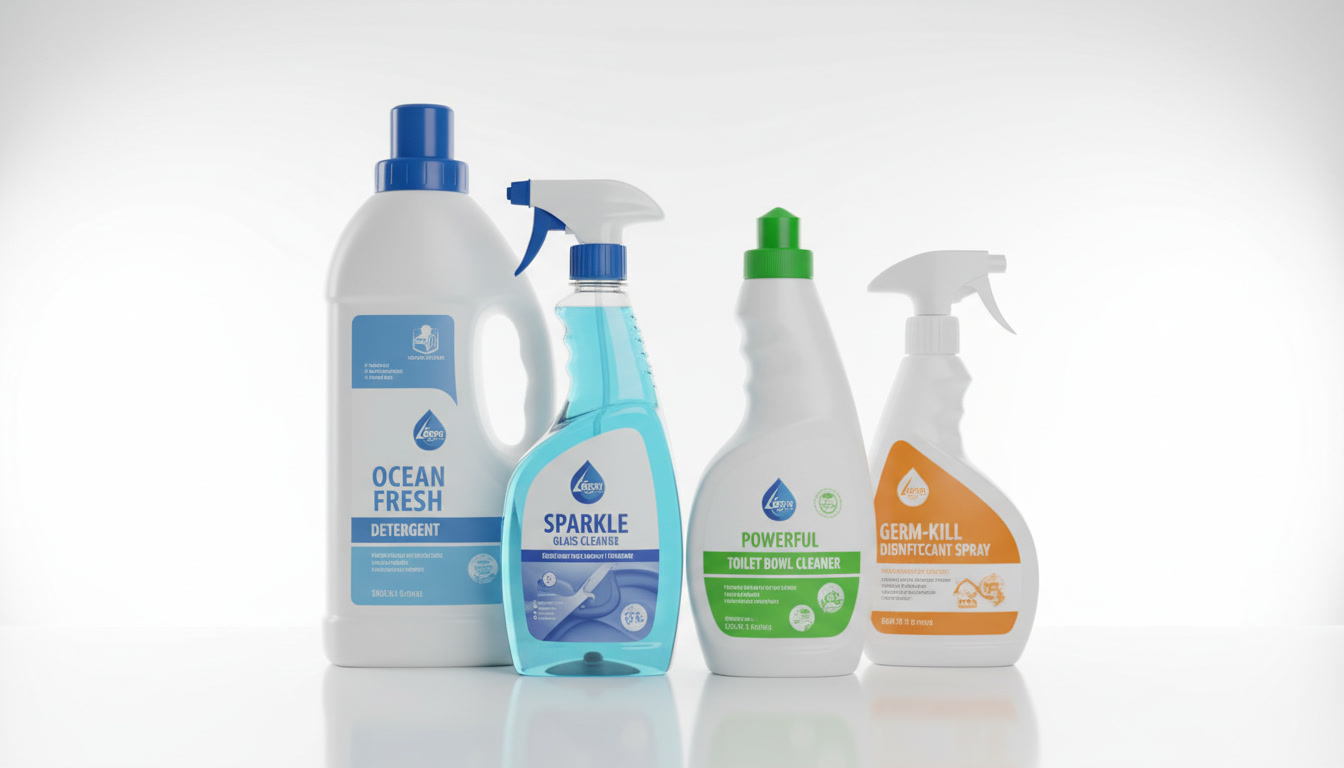
Household formulations, by contrast, prioritize consumer safety, dosing simplicity, and aesthetic finish. These are shelf-ready products targeting pet stain and odor removal, septic and drain maintenance, and premium laundry pre-treatment, where the formulation must remain stable through retail-channel temperature swings and direct end-user handling. For a deeper comparison of these two worlds, see our guide on industrial cleaner formulations and technology.
What unites all four segments is that the underlying enzyme chemistry does not change — only the concentration, delivery format, and handling protocol are adjusted to match the buyer's technical sophistication and risk tolerance.
5. Maximizing Industry Profits & Market Positioning
Realizing strong industry profits in the cleaning sector requires moving beyond generic formulations and into technically differentiated, problem-specific products. Multi-enzyme blends engineered for a defined substrate profile — for example, a four-enzyme cocktail targeting fat, protein, starch, and cellulose simultaneously — command a substantial premium over single-active commodity cleaners, because the buyer is paying for verifiable performance on complex real-world soils rather than for a higher dose of cheap surfactant. As an entrepreneur, your margin is set by the specificity and reliability of the technical claim, not by your sales volume alone.
Market positioning as a technical authority is equally critical. By guiding clients through a complete from lab to market validation pathway — including accelerated stability data, COA traceability, and substrate-specific efficacy benchmarks — you build the trust required to secure B2B distribution agreements with hospitals, food plants, and institutional supply chains. High-performance enzyme concentrates also carry lower logistical cost per cleaning cycle than heavy chemical solvents, further widening the contribution margin once the product is qualified at the customer site.
6. Expert Partnership & Operational Scale-Up
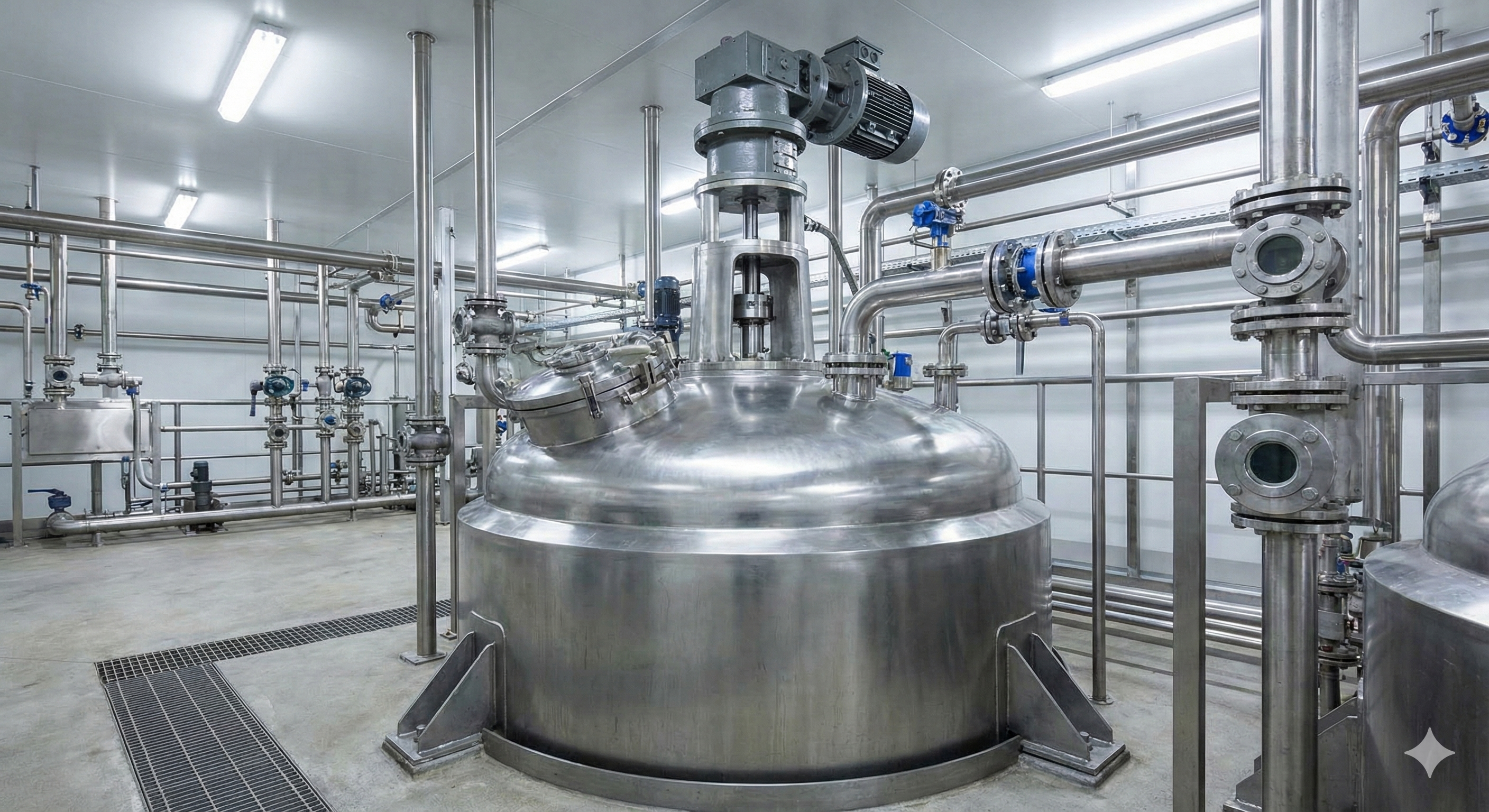
Scaling a chemical manufacturing business from pilot beakers to commercial reactors requires far more than mixing tanks — it requires the industrial engineering experience to predict where a formulation will quietly fail at scale. The most common scale-up failures in enzyme products are shear-induced denaturation in high-speed agitators, localized exotherms during electrolyte adjustment, and storage temperature excursions that gradually erode catalytic activity below the labeled claim. At Global Formulation, we specialize in helping startups navigate these hurdles with end-to-end consultancy spanning formulation lock-down, pilot validation, and full commercial qualification.
Whether you are launching a new line through manufacturing without a factory arrangements or optimizing an in-house production line, our technical insights into enzyme stabilization chemistry, low-shear blending protocols, and accelerated stability validation ensure that your brand stands for measurable, repeatable quality. The same framework applies across adjacent surfactant categories — see for example our guides on liquid detergent formulation and laundry detergent technology.
7. Frequently Asked Questions (FAQ)
The following technical questions surface repeatedly from startups and industrial procurement teams evaluating enzyme-based cleaning systems. Each answer addresses the underlying chemistry and engineering reality rather than marketing surface, so they can also be reused inside your own technical bulletins and customer training material.
1. Are enzyme cleaners safe for children and pets?
Most enzyme cleaners are formulated near skin-neutral pH (6.5–8.5) and use biodegradable surfactant systems, making them substantially safer than chlorine bleach or quaternary ammonium products. However, the safety profile is determined by the entire system — preservatives, fragrances, and secondary surfactants must also be evaluated under regional cosmetics and biocide regulations.
2. How long does it take for an enzyme cleaner to work?
Enzymes follow Michaelis-Menten kinetics, so action begins on contact but visible results require dwell time. For drain biofilms or organic odor sources, 15 minutes to several hours of wet contact at the enzyme's optimal temperature is needed for full hydrolysis of proteins, lipids, and polysaccharides.
3. Do enzyme cleaners expire?
Yes. Enzymes are tertiary-folded proteins and progressively denature over time, especially in the presence of incompatible surfactants, oxidizers, or extreme pH. A correctly stabilized formulation using polyols (sorbitol, glycerin), calcium ion bridging, and balanced preservative chemistry can hold 70–90% of activity for 18–24 months at ambient storage.
4. Can bleach be combined with enzyme cleaners?
No. Sodium hypochlorite is a strong oxidizer that irreversibly oxidizes the disulfide bridges and key methionine residues in enzymes, destroying their catalytic active sites within seconds. The two systems must be marketed and stored as completely separate product lines.
5. What temperature is best for enzyme activity?
Conventional bacterial proteases and lipases peak between 30°C and 60°C, with steep deactivation above 65°C due to thermal unfolding. Cold-active variants engineered from psychrophilic microorganisms remain effective from 5°C upward, while thermostable enzymes derived from Bacillus species tolerate up to 90°C for industrial CIP cycles.
6. How can a startup compete in the enzyme cleaner market?
Differentiation comes from technical niches that large detergent multinationals underserve — hospital-grade enzymatic instrument cleaners, septic and grease-trap maintenance blocks, pet enzymatic odor neutralizers, or food-safe CIP foam cleaners. Partnering with a formulation consultancy that controls enzyme stability and substrate-specific blends is what enables a startup-scale product to match big-brand performance.
About the Specialist
Absar Khan is a senior industrial consultant with cross-disciplinary expertise spanning pharmaceutical manufacturing, cosmetics and personal care, home and institutional care chemicals, aerosols, lubricants, and advanced process engineering. His work integrates multiple scientific and engineering domains, including formulation chemistry, GMP facility design, validation science, quality systems, regulatory compliance, and large-scale manufacturing optimization.
LinkedIn Portfolio: Connect with Absar Khan on LinkedIn
Accelerate Your Bio-Enzymatic Formulation Success
Discuss enzyme stability chemistry, multi-enzyme synergy design, polyol-stabilized blending systems, and industrial CIP-grade scale-up with senior consultant Absar Khan.
Email: consulting@globalformulation.com
Phone: +91 9819548320 +91 8169102990